
Especificaciones y análisis del Lancia Lybra
Power
136HP
Torque
304Nm
Consumption
6.9l/100
Emissions
-g/km
0-100 km/h
10.2s
Top Speed
200km/h
Weight
1410kg
Price
27,496€
Technical summary
Gasóleo
Manual 5v
FWD
5 / 5 doors
420 L
60 L
100 kW
Current
Technical specifications
Engine
Capacities
Detailed analysis of the Lancia Lybra SW 2.4 JTD LX · 136 CV (1999-2001)
General description
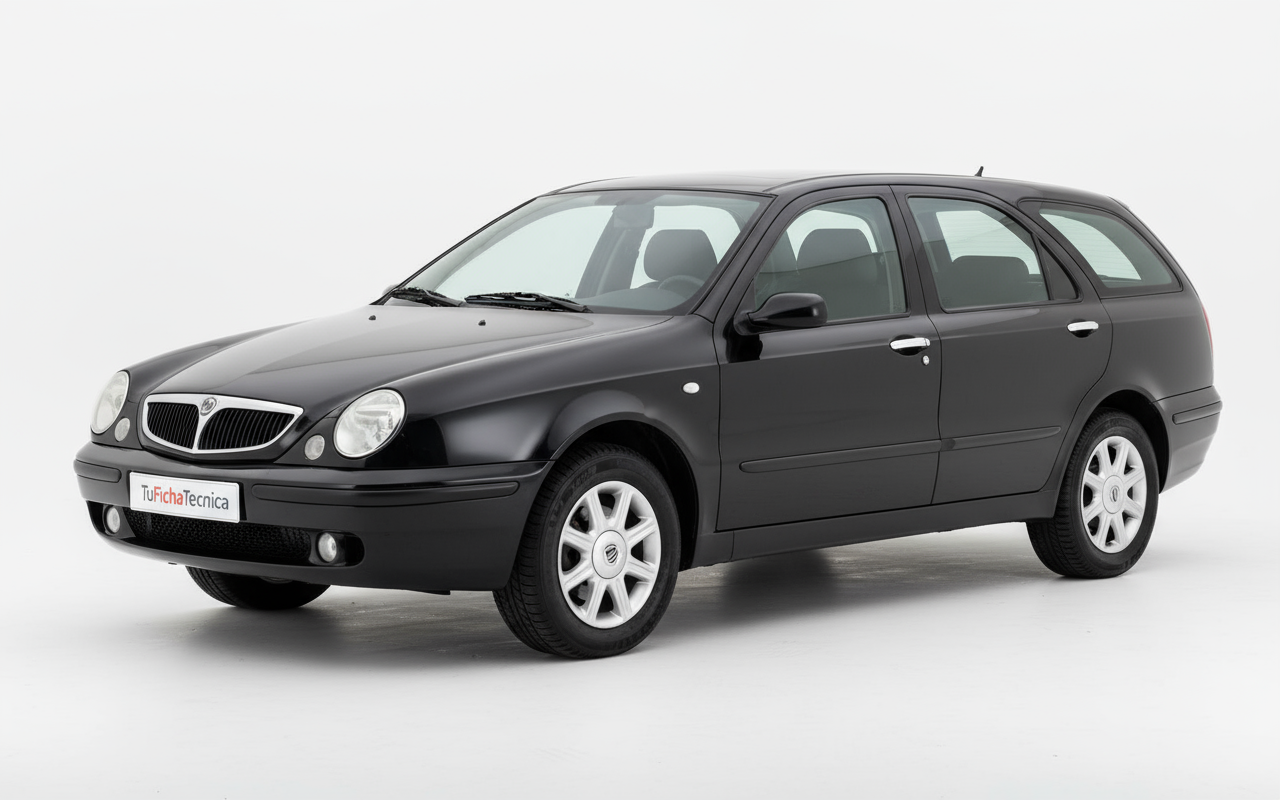
The Lancia Lybra SW burst onto the scene at the turn of the millennium as a breath of fresh air and Italian distinction in the family sedan segment. It wasn't just another car; it was a statement of intent, a commitment to comfort, elegance, and a unique character that evoked Lancia's great tradition, wrapped in a practical estate body.
Driving experience
Driving the Lybra 2.4 JTD is a sensory experience. The thrust of its 304 Nm of torque feels powerful and full from low revs, accompanied by the characteristic and melodic sound of its 5-cylinder engine. It doesn't seek extreme sportiness, but rather to offer a pleasant and serene journey, with a suspension that absorbs irregularities with exquisite smoothness, turning every trip into a moment of pure comfort.
Design and aesthetics
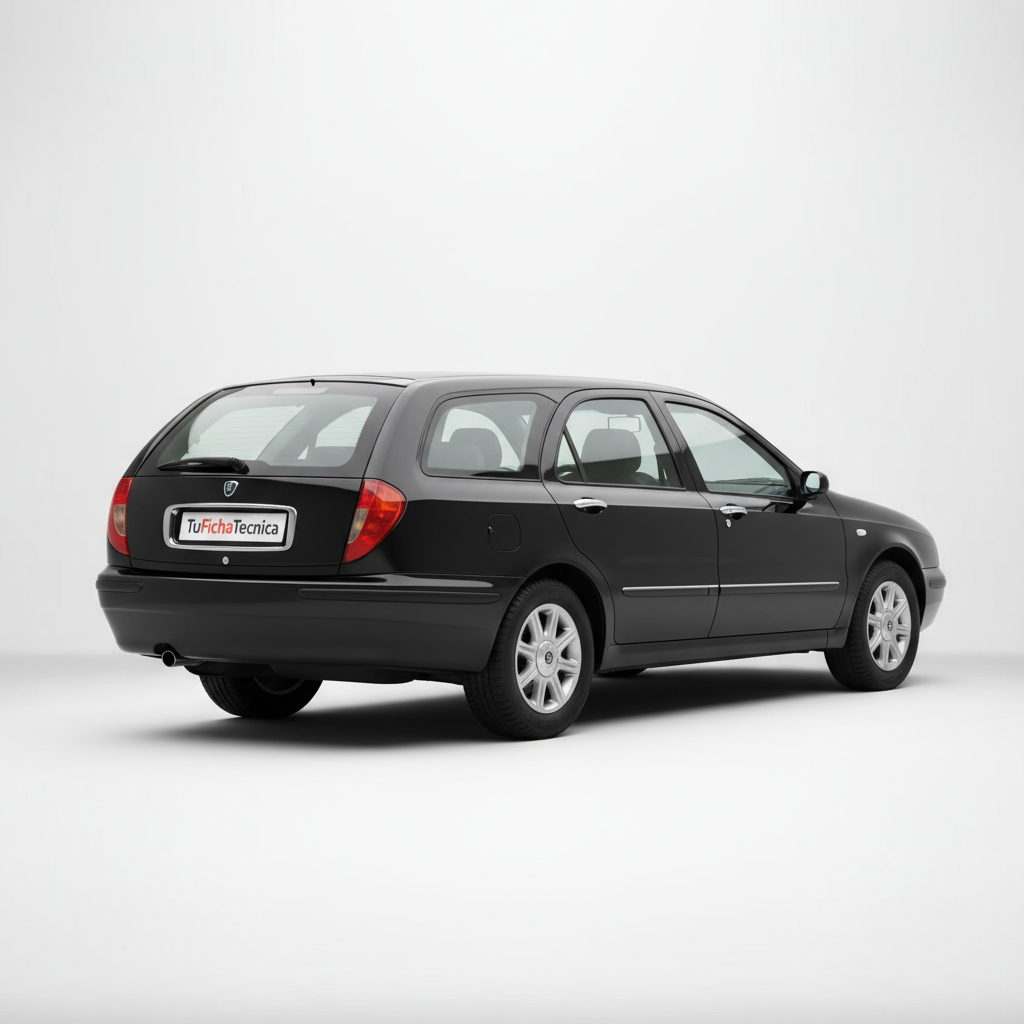
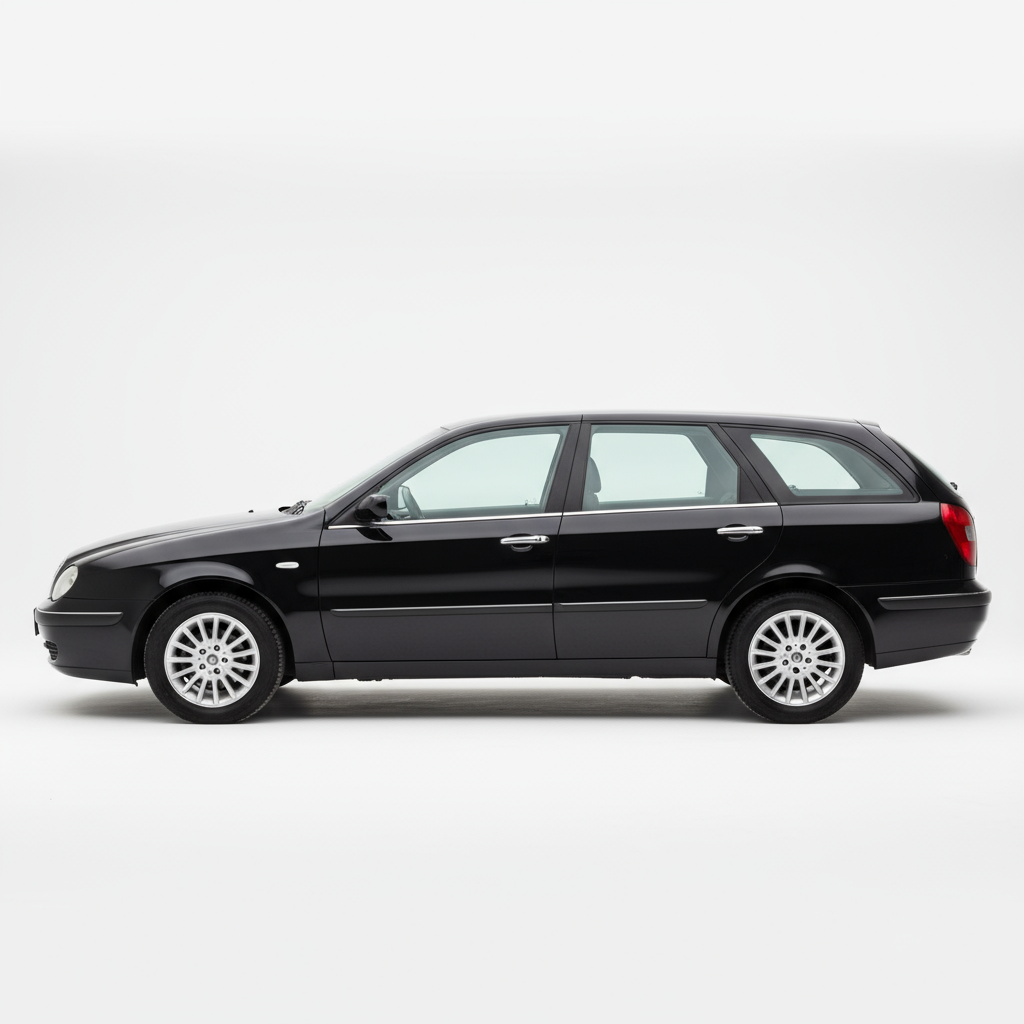
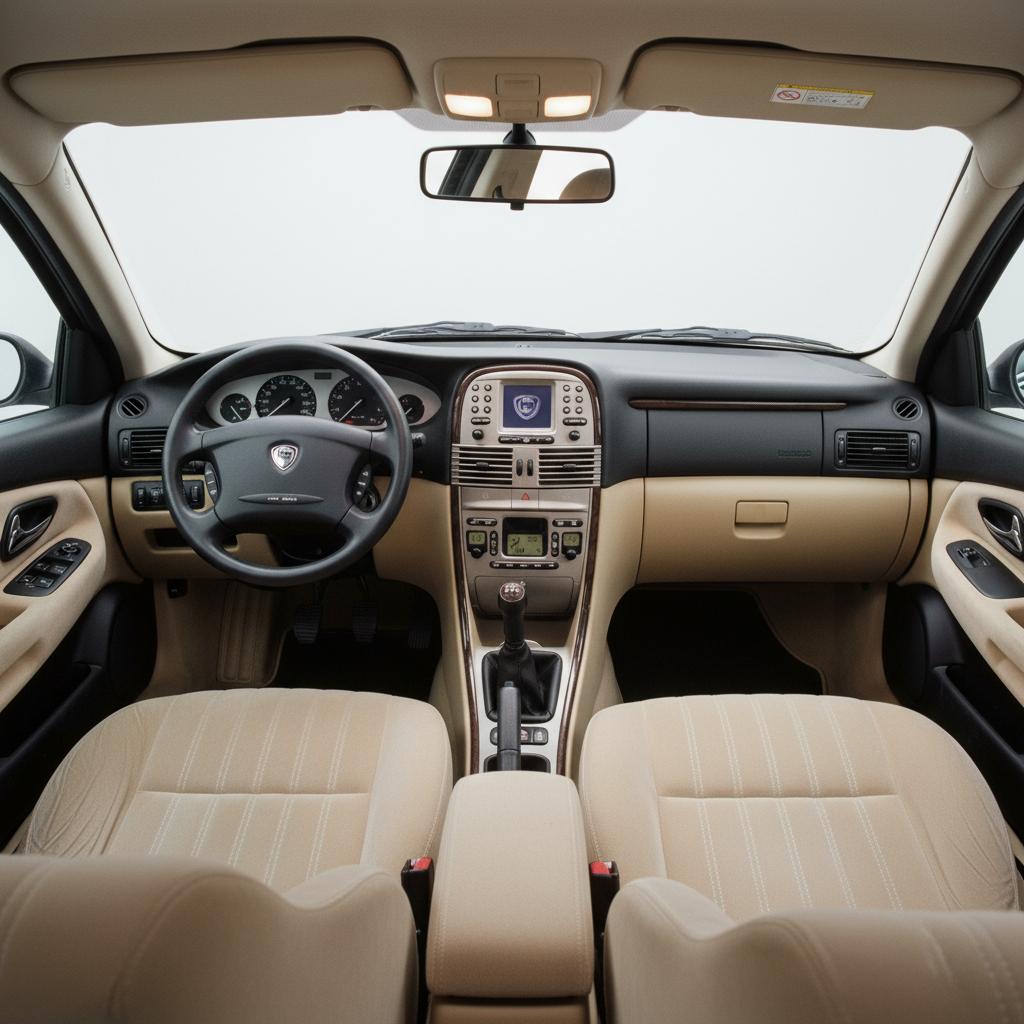
Its design is unmistakable and bold, an ode to classic shapes with its round headlights and a fluid silhouette that shuns the aggressive edges of its competitors. Inside, the Lybra welcomes you into a rolling lounge, with high-quality materials like Alcantara or wood, and a wraparound dashboard design that creates an atmosphere of luxury and warmth that few cars of its time could match.
Technology and features
For its time, the Lybra was well-equipped, especially in this LX trim. The heart of the car, its JTD engine with common-rail direct injection, was an advanced piece of engineering that offered remarkable performance and efficiency. On board, features like dual-zone climate control or the optional Bose sound system showed that technology was at the service of the occupants' well-being.
Competition
In a market dominated by the German sobriety of the Audi A4 Avant, BMW 3 Series Touring, and Mercedes-Benz C-Class Estate, the Lancia Lybra SW stood as the alternative for the heart. It also competed with its cousin, the sportier Alfa Romeo 156 Sportwagon, but the Lybra always played in its own league: that of unapologetic comfort and elegance.
Conclusion
The Lancia Lybra SW is not a car for everyone; it is a passionate choice for those who seek to stand out and value the journey as much as the destination. It represents an era when Lancia still dared to be Lancia, creating cars with soul and an overwhelming personality. Today, it is a charming youngtimer, a piece of Italian automotive history.