
Especificaciones y análisis del Lancia Phedra
Power
170HP
Torque
370Nm
Consumption
8.2l/100
Emissions
218g/km
0-100 km/h
10.8s
Top Speed
197km/h
Weight
-kg
Price
43,650€
Technical summary
Gasóleo
Automático 6v
FWD
5 / 5 doors
830 L
80 L
125 kW
Current
Technical specifications
Engine
Capacities
Detailed analysis of the Lancia Phedra 2.2 JTD 16V 170 CV Platino Aut. (2008-2010)
General description
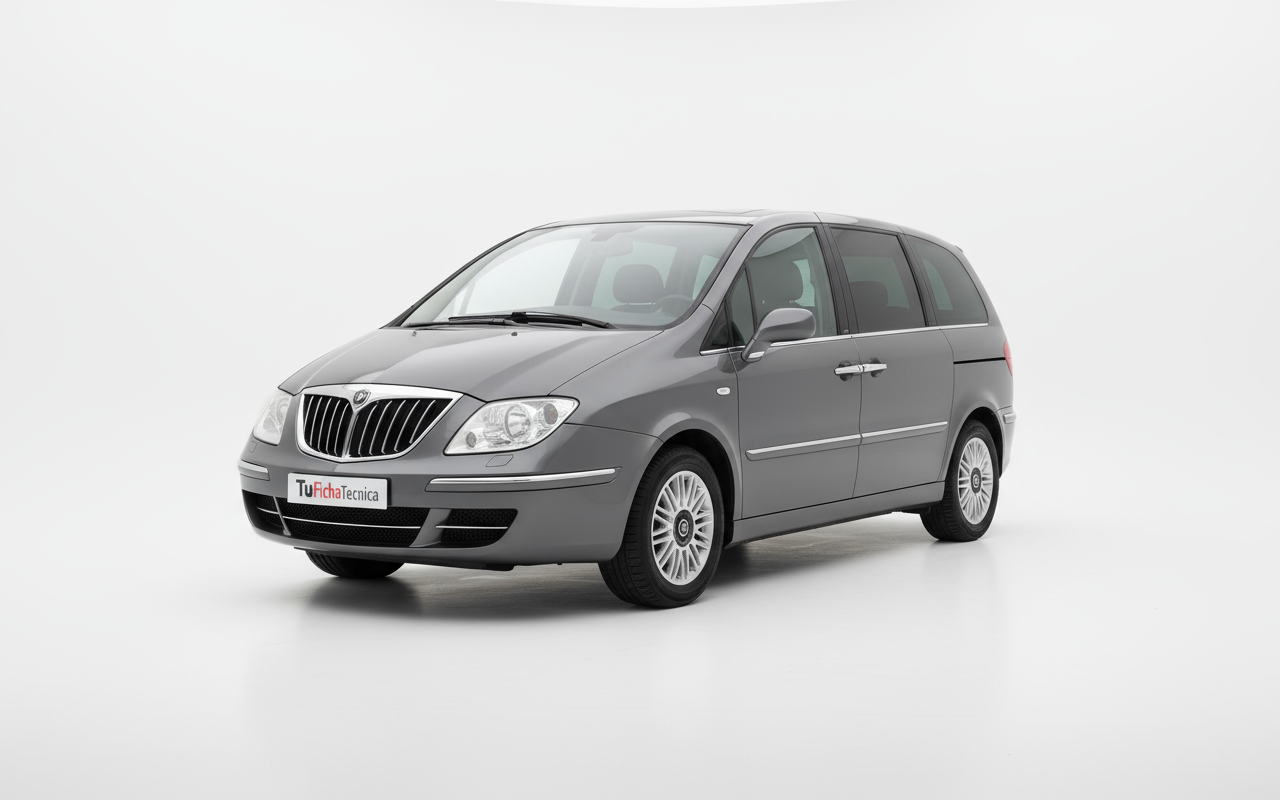
The 2008 Lancia Phedra is not just a minivan; it's the Italian interpretation of luxury and comfort for family travel. Born from a European collaboration, this vehicle stands out with a soul of its own, promising to transform every kilometer into a first-class experience, enveloping its occupants in an atmosphere of unparalleled exclusivity and space.
Driving experience
Behind the wheel, the Phedra feels like a true rolling lounge. Its powerful 170 hp diesel engine pushes with surprising smoothness and force, making overtaking and long highway journeys a pure pleasure. The automatic transmission manages torque with finesse, eliminating driving stress. It doesn't aim for the agility of a sports car, but rather to offer imperturbable poise and superb ride comfort, filtering out road imperfections so you only feel the calm of the journey.
Design and aesthetics
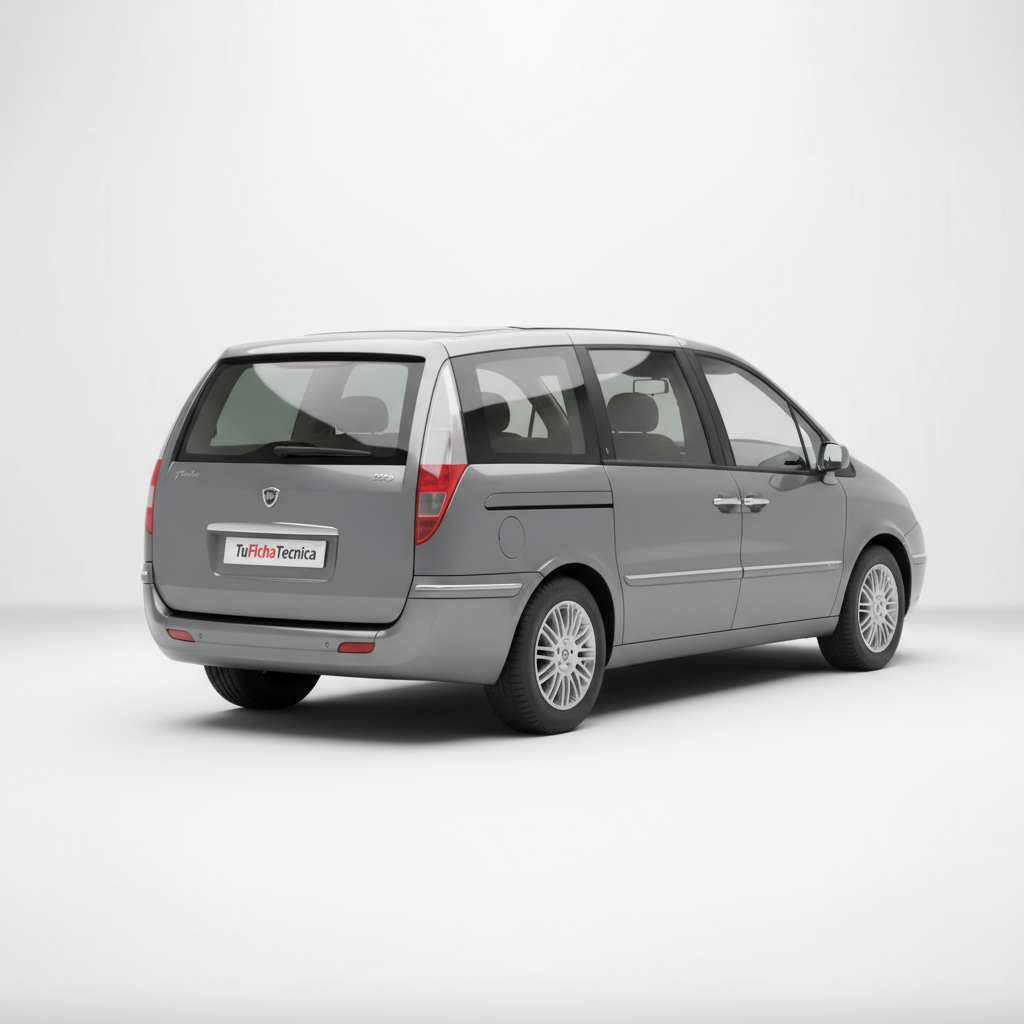
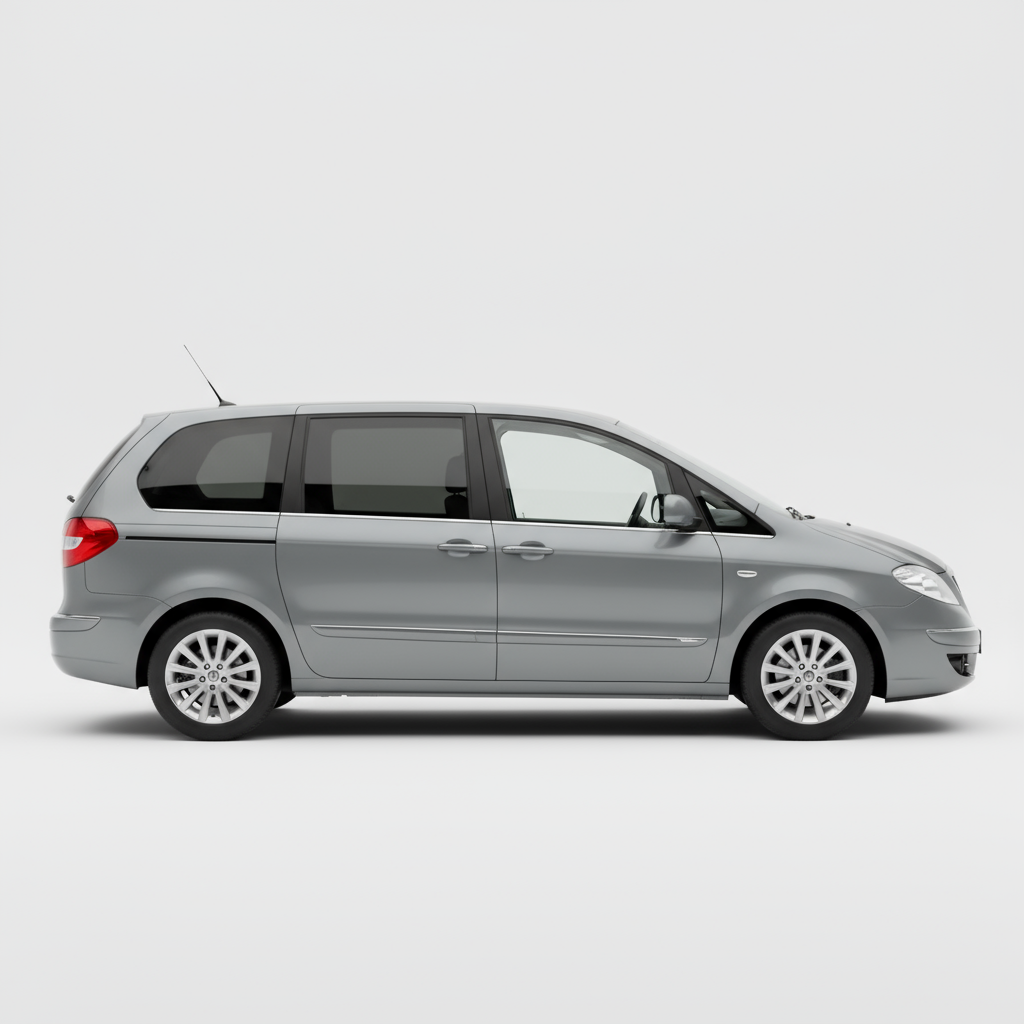
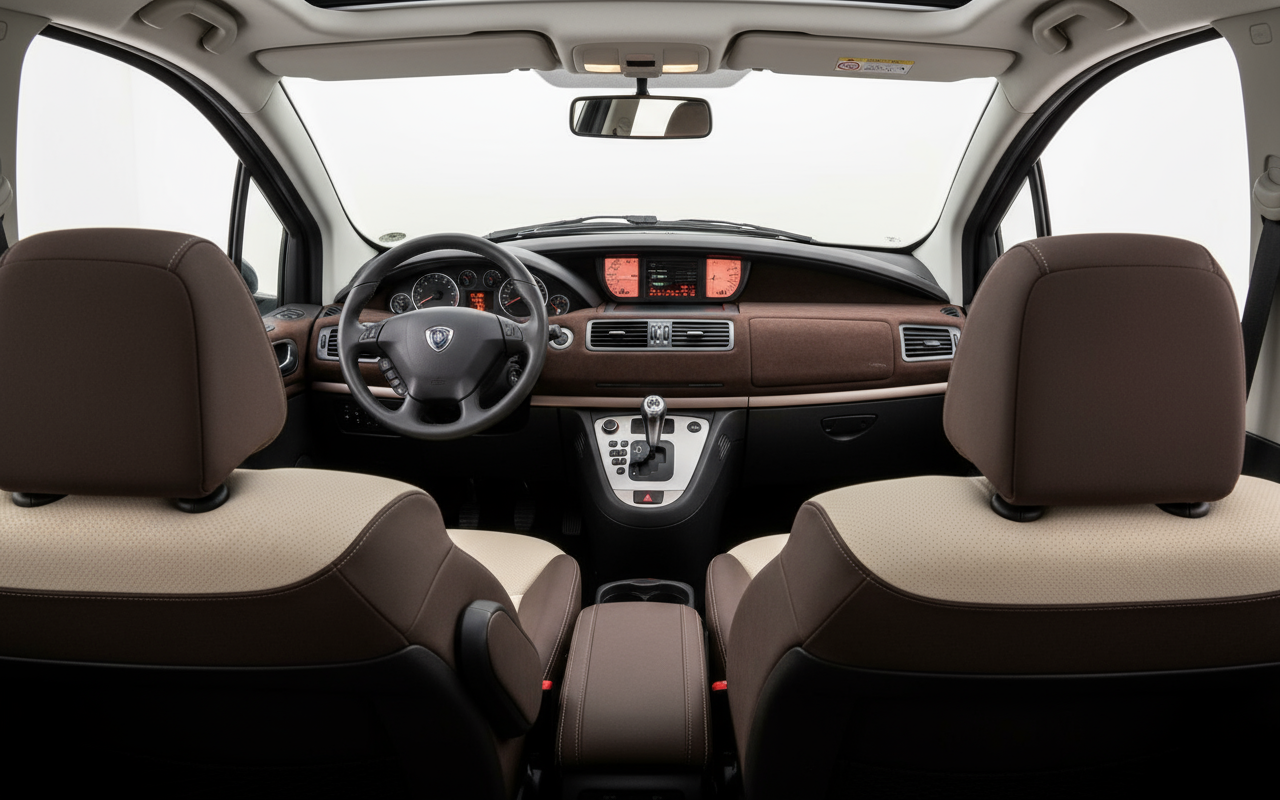
Its exterior design, elegant and fluid for a vehicle of its size, is distinguished by the classic Lancia grille, a touch of distinction in an often functional segment. But it's inside where the Phedra wins you over. The Platino trim offers a display of noble materials, such as leather and Alcantara, and exceptional modularity. The central instrumentation, though peculiar, creates a sense of spaciousness and modernity, turning the cabin into a cozy and sophisticated space.
Technology and features
For its time, the Phedra was at the forefront of comfort-oriented technology. Beyond its efficient common-rail engine and 6-speed automatic gearbox, the Platino trim's equipment included features like electric side doors, a comprehensive multi-zone climate control system, and often, navigation and entertainment systems that turned it into a multimedia center on wheels. Everything was designed to make life on board easier and every trip a memorable experience.
Competition
The Phedra competed in the league of large minivans, facing its own project siblings, the Citroën C8 and Peugeot 807, from which it distinguished itself with its premium approach. Outside its family, its main rivals were the Renault Espace, Ford Galaxy, and Volkswagen Sharan. Against them, the Lancia Phedra always played the card of design, exclusivity, and Italian refinement, seeking to attract an audience that needed not only space but also style.
Conclusion
The Lancia Phedra is a memory of a golden era for minivans, a vehicle that understood that family travel didn't have to mean giving up luxury and pleasure. It is an ode to comfort, space, and Italian elegance. It is not just a means of transport; it is a statement of intent: to enjoy the journey as much as the destination, wrapped in an atmosphere of serenity and distinction that few cars in its class could offer.