
Especificaciones y análisis del Lancia Ypsilon
Power
60HP
Torque
102Nm
Consumption
6.6l/100
Emissions
-g/km
0-100 km/h
10.9s
Top Speed
177km/h
Weight
910kg
Price
11,630€
Technical summary
Gasolina
Manual 5v
FWD
5 / 3 doors
215 L
47 L
44 kW
Current
Technical specifications
Engine
Capacities
Detailed analysis of the Lancia Y 1.2 LS ECVT · 60 CV (1996-2001)
General description
The 1997 Lancia Ypsilon was not just a car; it was a rolling statement of intent. In an era of functional but often bland city cars, Lancia gave us a small gem of Italian design, a vehicle that appealed directly to the heart and the sense of aesthetics, proving that elegance and style were not at odds with a compact size.
Driving experience
Driving this Ypsilon is a delightfully analog experience. Its 60 horsepower may seem modest, but thanks to its light weight of only 910 kg, it feels agile and lively in urban traffic. The 1.2 engine revs up cheerfully, and the manual gearbox connects you directly to the mechanics. It doesn't seek speed records but aims to offer a pleasant and characterful drive, a smooth and agile dance through the city streets that brings a smile to your face.
Design and aesthetics
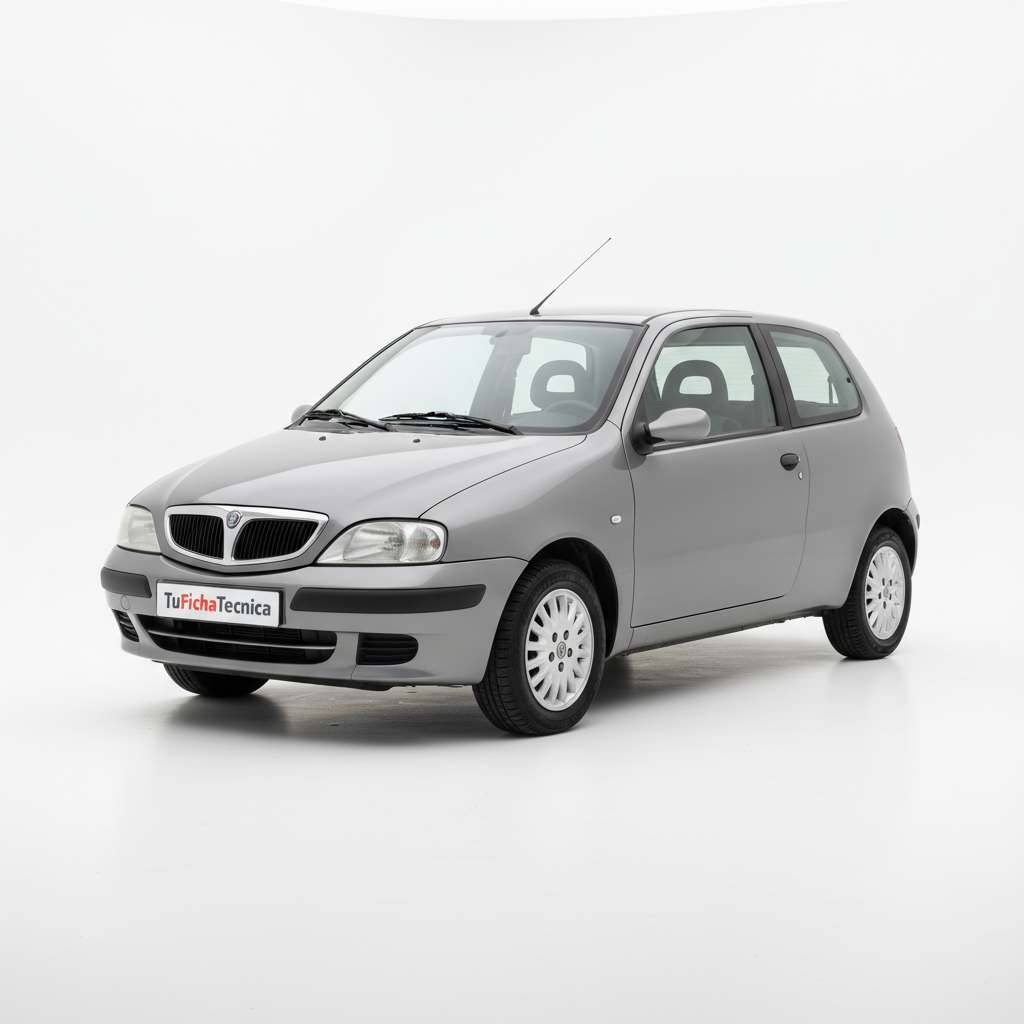
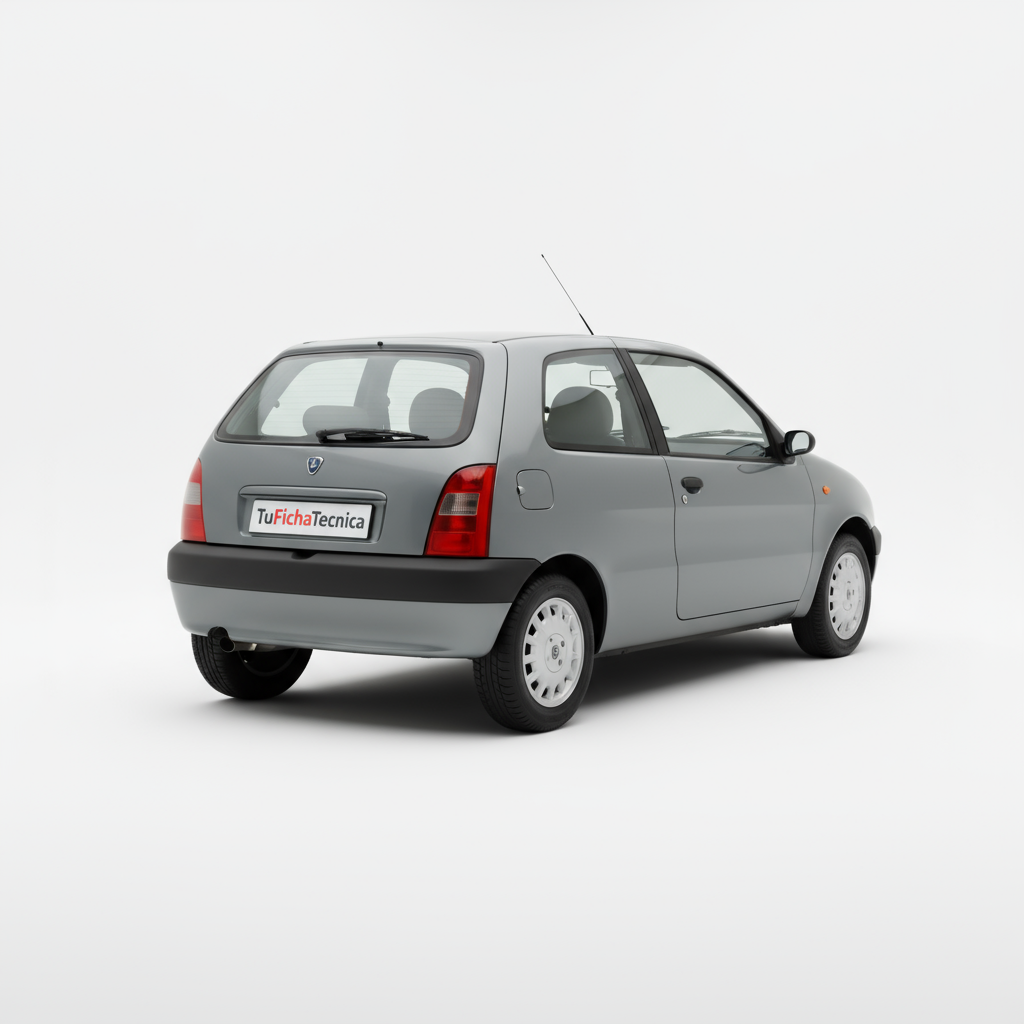
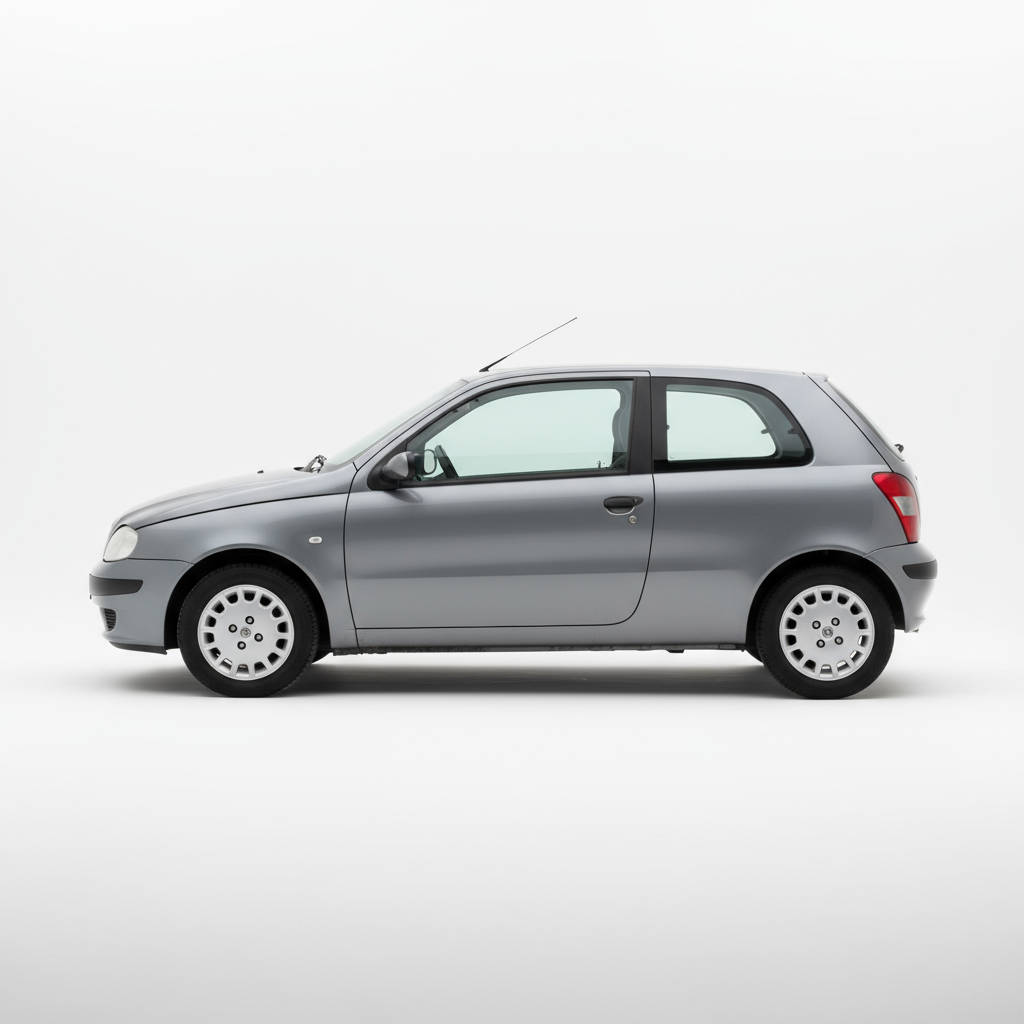
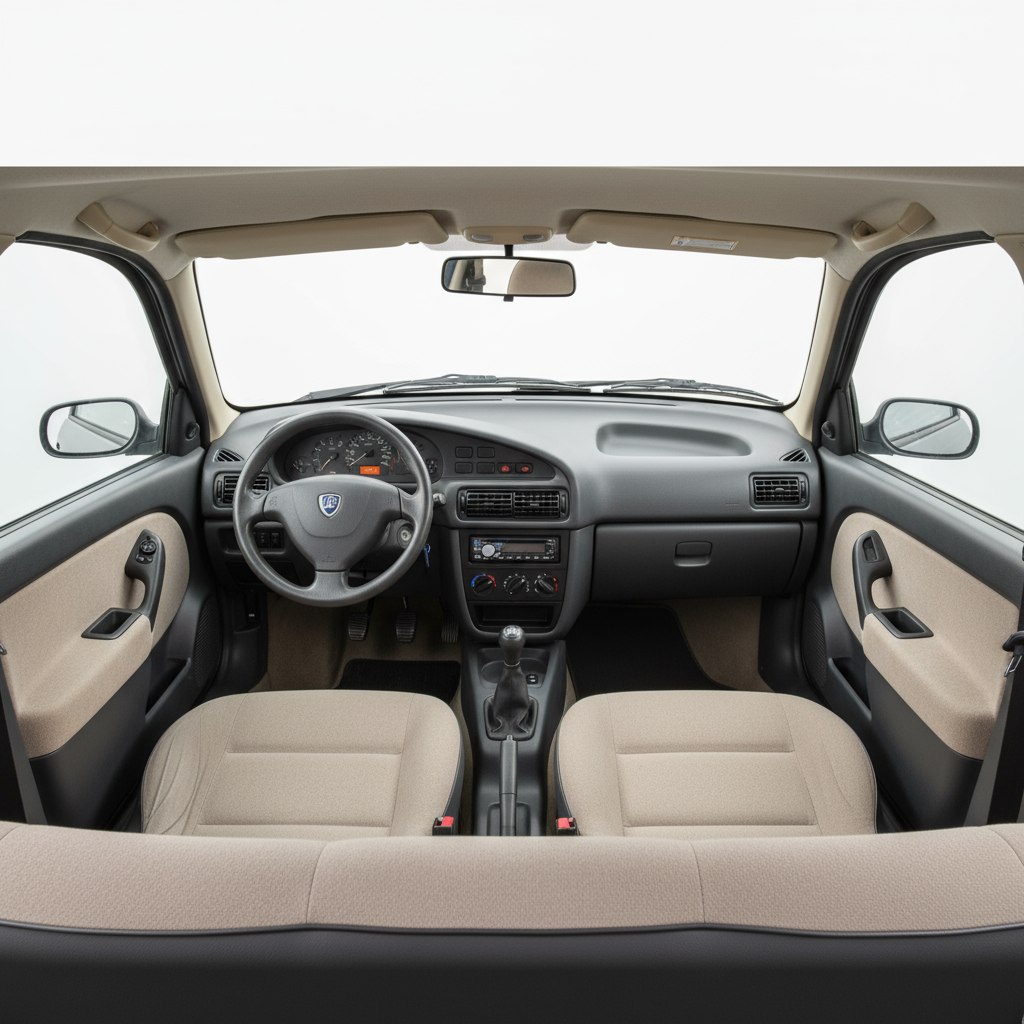
This is where the Ypsilon becomes art. Its bodywork with soft, rounded, almost sculptural lines broke with the sobriety of its competitors. Inside, the audacity continued with its iconic central instrument cluster, a solution that freed up the driver's view and created a lounge-like atmosphere. Every detail, every material, conveyed a sense of refinement and distinction unusual in its segment.
Technology and features
The Ypsilon's technology focused on efficiency and functionality, without unnecessary frills. Its indirect injection engine was a reliable and well-known heart, while its chassis, with a McPherson strut front suspension, sought a balance between comfort and agility. The greatest innovation was conceptual: integrating design and ergonomics in such a bold way, as demonstrated by its central instrument panel, anticipating a trend we would see years later.
Competition
In the market, it faced giants like the Ford Fiesta, the Opel Corsa, or the Volkswagen Polo. While its German and French rivals focused on practicality and robustness, the Lancia Ypsilon played in another league: that of charm. Its true competitor was the desire to stand out, to drive a car that not only took you from one point to another but made you feel special along the way.
Conclusion
The 1997 Lancia Ypsilon is a car you buy with your heart. It is a small classic that encapsulates the essence of Italian design: beauty, audacity, and a touch of emotion. More than just a means of transport, it was and still is a style accessory, a haven of good taste on wheels that reminds us of a time when cars had soul and personality of their own.