
Especificaciones y análisis del Lancia Z
Power
109HP
Torque
250Nm
Consumption
-l/100
Emissions
-g/km
0-100 km/h
12.7s
Top Speed
175km/h
Weight
1615kg
Price
31,830€
Technical summary
Gasóleo
Manual 5v
FWD
7 / - doors
340 L
80 L
80 kW
Current
Technical specifications
Engine
Capacities
Detailed analysis of the Lancia Z 2.1 TD LX 5 plazas · 109 CV (1994-1999)
General description
The Lancia Z represents a nostalgic journey to the 90s, an era when minivans were the undisputed kings of the family road. Born from the Eurovan project, this vehicle was Lancia's interpretation of the perfect family car, an attempt to merge unprecedented versatility with the touch of distinction and elegance inherent to the Italian brand. It was more than just a means of transport; it was a promise of adventure and comfort for the whole family.
Driving experience
Getting behind the wheel of the Lancia Z is to rediscover a purer, more connected way of driving. Its 109-horsepower turbodiesel engine, though modest by today's standards, pushes with honesty and generous torque from low revs, conveying a sense of calm and reliable strength. It doesn't seek speed, but the placidity of a long and serene journey. The suspension, clearly comfort-oriented, smoothly absorbs road irregularities, turning every kilometer into a relaxed experience, like a family cruise across the continent.
Design and aesthetics
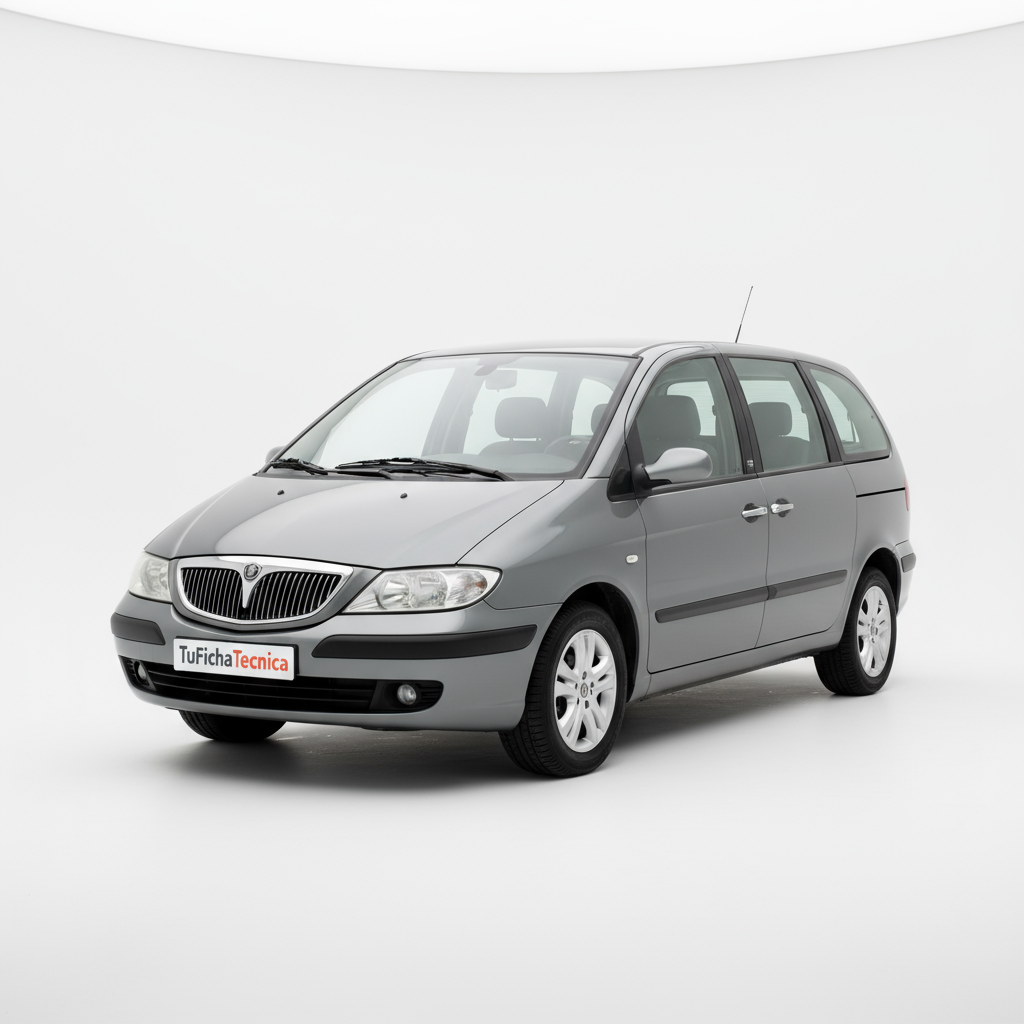
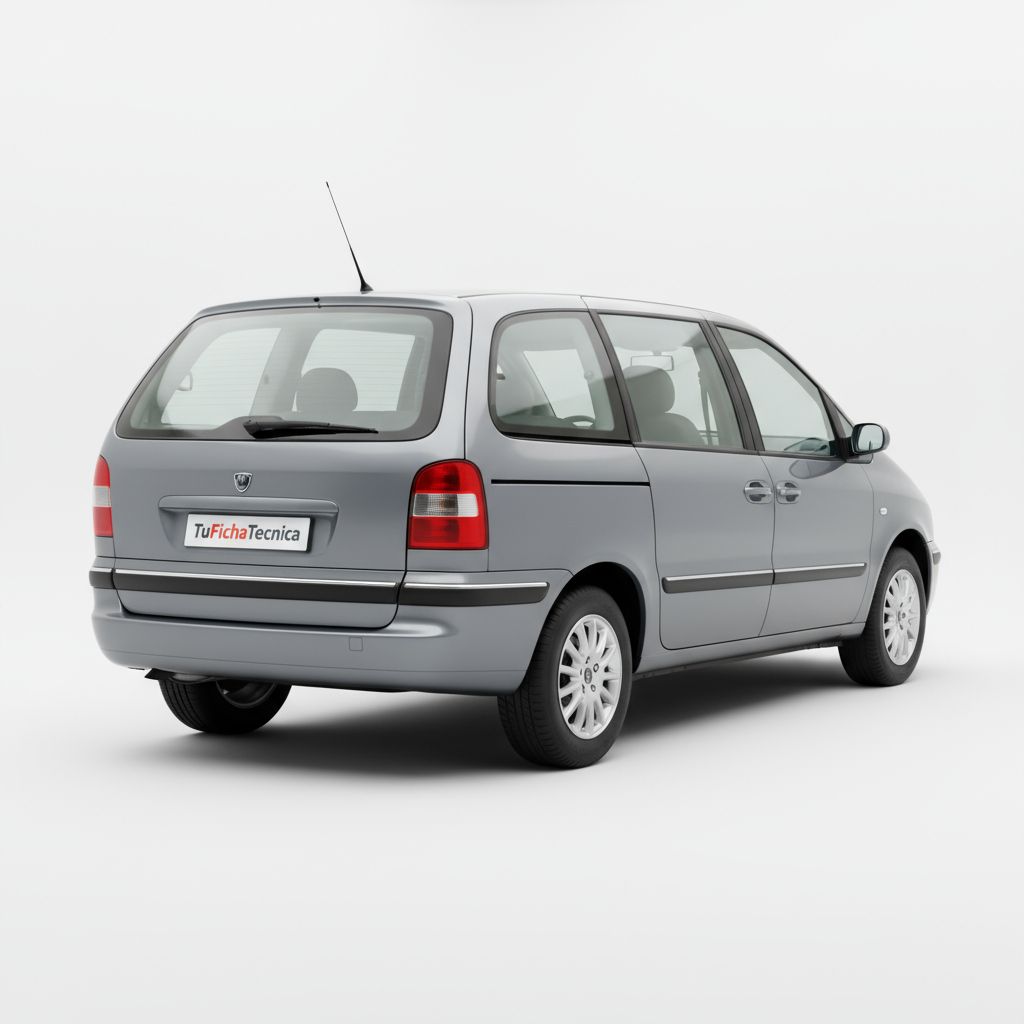
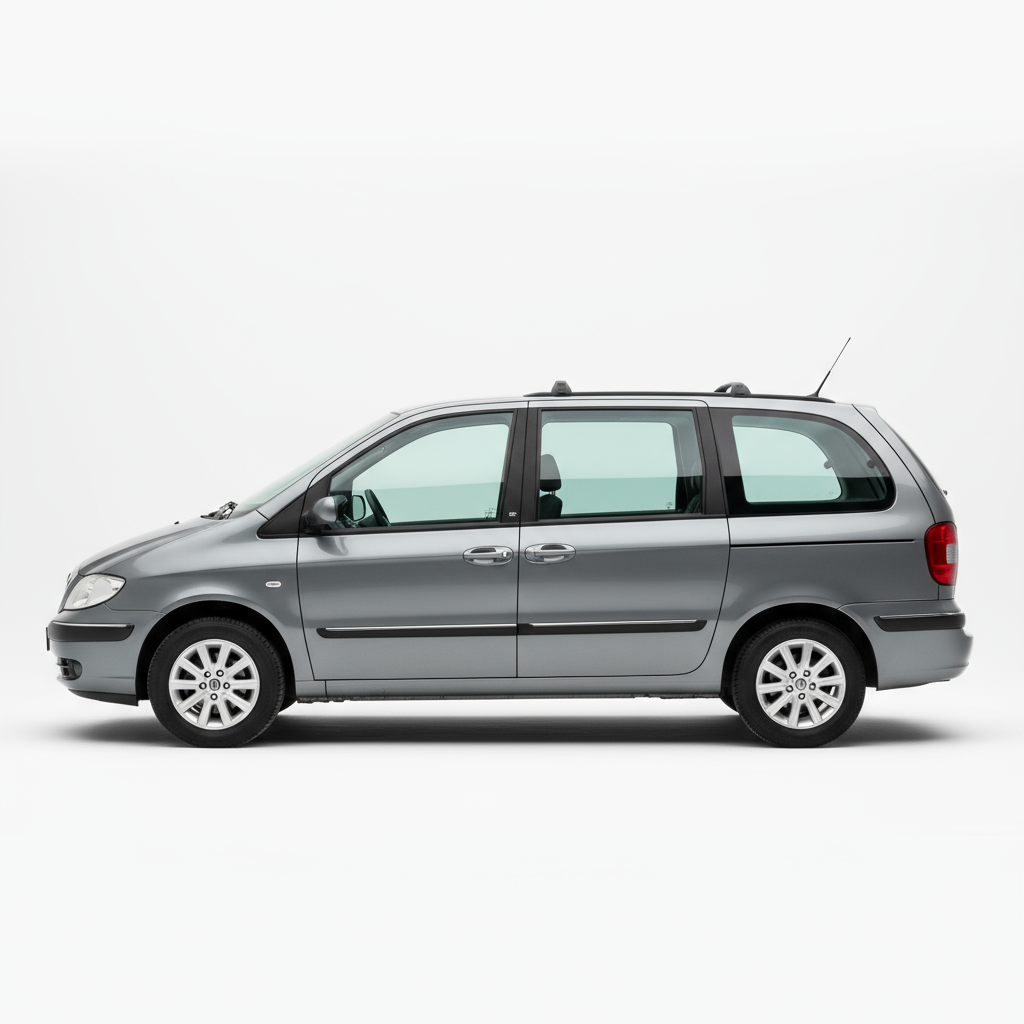
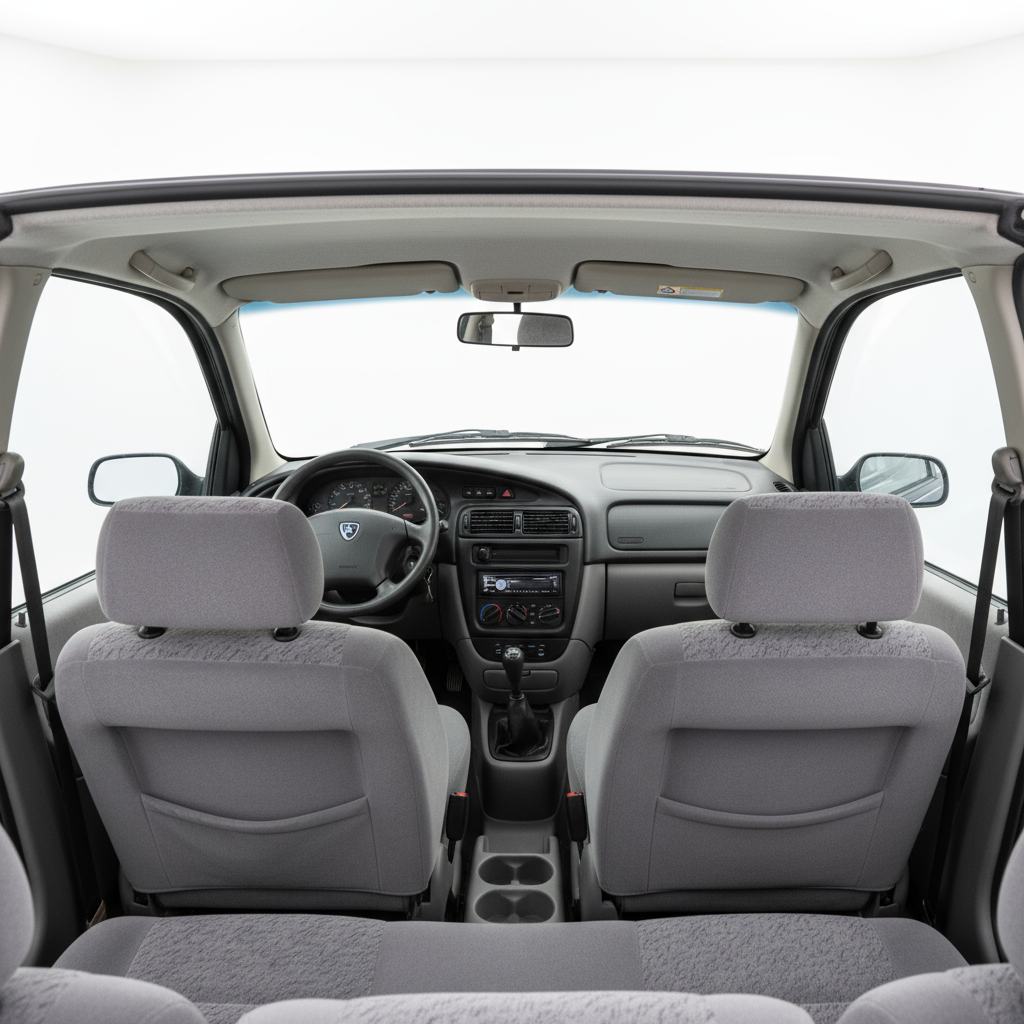
Although it shared its silhouette with its project siblings, the Lancia Z was distinguished by details that evoked its lineage. The chrome grille, a Lancia hallmark, and the interior finishes of the LX version, gave it an aura of refinement and exclusivity. Its pragmatic and functional design maximized interior space to astonishing levels, offering a cavernous and modular cabin for seven passengers. It was the beauty of function, a body designed by and for life on board.
Technology and features
The technology of the Lancia Z was a faithful reflection of its time: robust, functional, and without unnecessary complications. The diesel engine with indirect injection, turbo, and intercooler was a proven and durable piece of machinery. It featured advanced comfort elements for the era in its LX trim, such as air conditioning or electric windows, which positioned it at the top of the segment. It was technology at the service of well-being, designed to last and to make life easier, far from the complex electronic assists of today.
Competition
Its most direct rivals were its own family: the Peugeot 806, the Citroën Evasion, and the Fiat Ulysse, with which it shared almost everything. However, its real battle was fought against giants like the Renault Espace, the pioneer and benchmark of the segment, and the trio formed by the Ford Galaxy, VW Sharan, and SEAT Alhambra. Against them, the Lancia Z played the card of distinction, trying to seduce those drivers who were looking for more than just space, a touch of soul and Italian style in their garage.
Conclusion
The Lancia Z was a minivan with a soul, a vehicle that more than fulfilled its mission of transporting families with superior comfort and elegance. It represents a golden era of the family car, uniting the practicality of an intelligent design with the character of a legendary brand. Today, remembering it is to evoke the image of endless summers and road trips, a symbol of freedom and space that left an indelible mark on the hearts of many families.