
Especificaciones y análisis del Lancia Z
Power
109HP
Torque
250Nm
Consumption
-l/100
Emissions
-g/km
0-100 km/h
12.7s
Top Speed
175km/h
Weight
1615kg
Price
32,491€
Technical summary
Gasóleo
Manual 5v
FWD
7 / - doors
340 L
80 L
80 kW
Current
Technical specifications
Engine
Capacities
Detailed analysis of the Lancia Z 2.1 TD LX 6 plazas · 109 CV (1994-1999)
General description
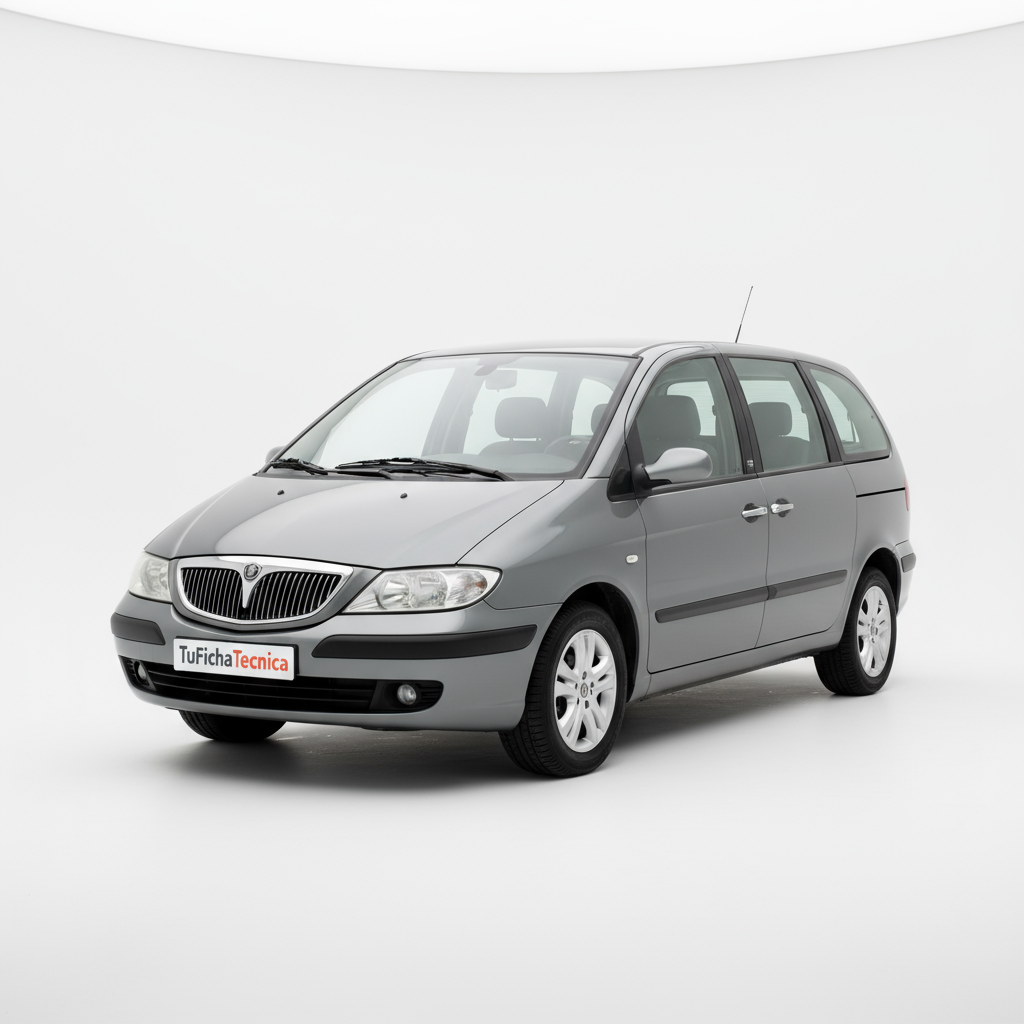
The Lancia Z burst onto the automotive scene as a breath of fresh, elegant air in the nascent European minivan segment. A result of the 'Eurovan' collaboration, this vehicle was not just a means of family transport, but a statement of Italian style, a promise of unforgettable journeys wrapped in comfort and distinction, redefining the concept of shared space.
Driving experience
Driving the Lancia Z is an experience that transports you to another era. Its 2.1-liter turbodiesel engine pushes with surprising calmness, delivering its power from low revs to move its considerable mass with ease. It doesn't seek speed, but the pleasure of effortlessly covering kilometers. The comfort-oriented suspension and the feeling of interior spaciousness create a rolling lounge atmosphere, where every trip becomes a serene and pleasant family adventure.
Design and aesthetics
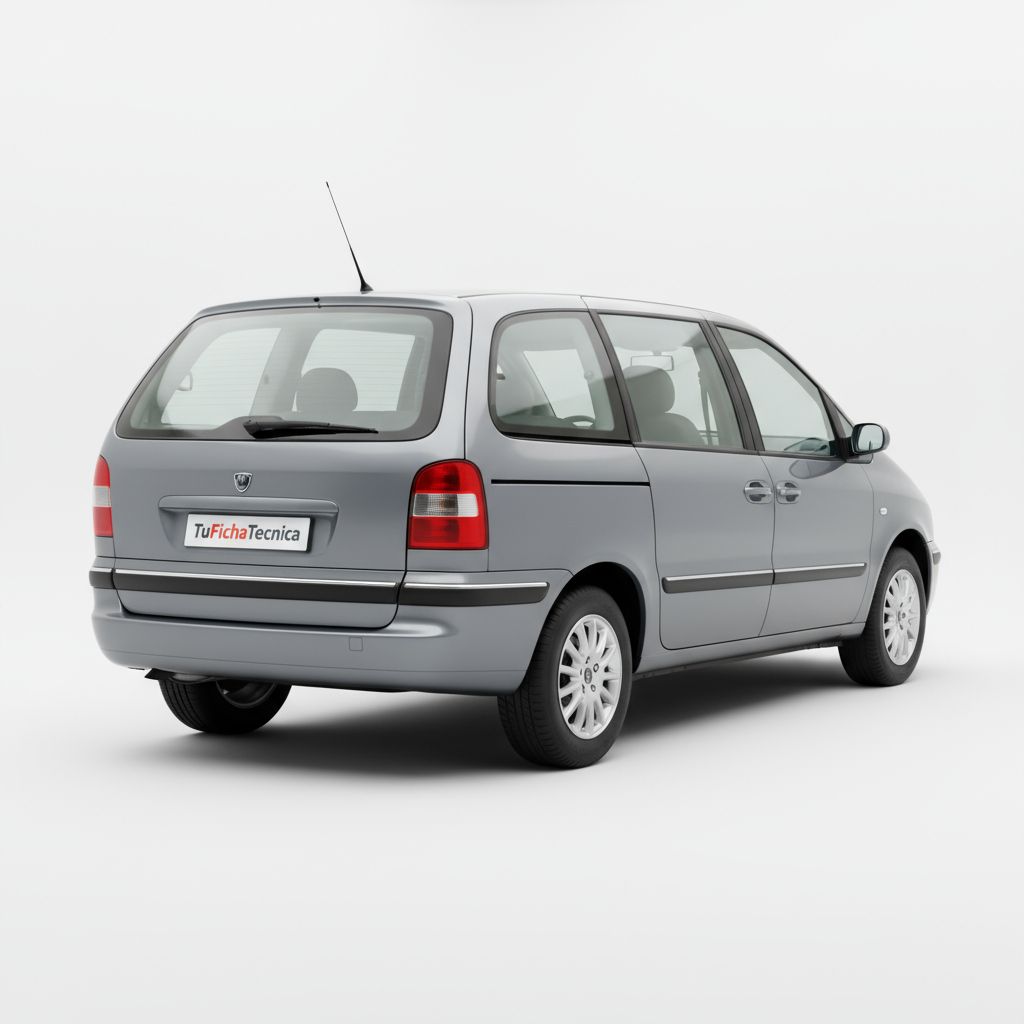
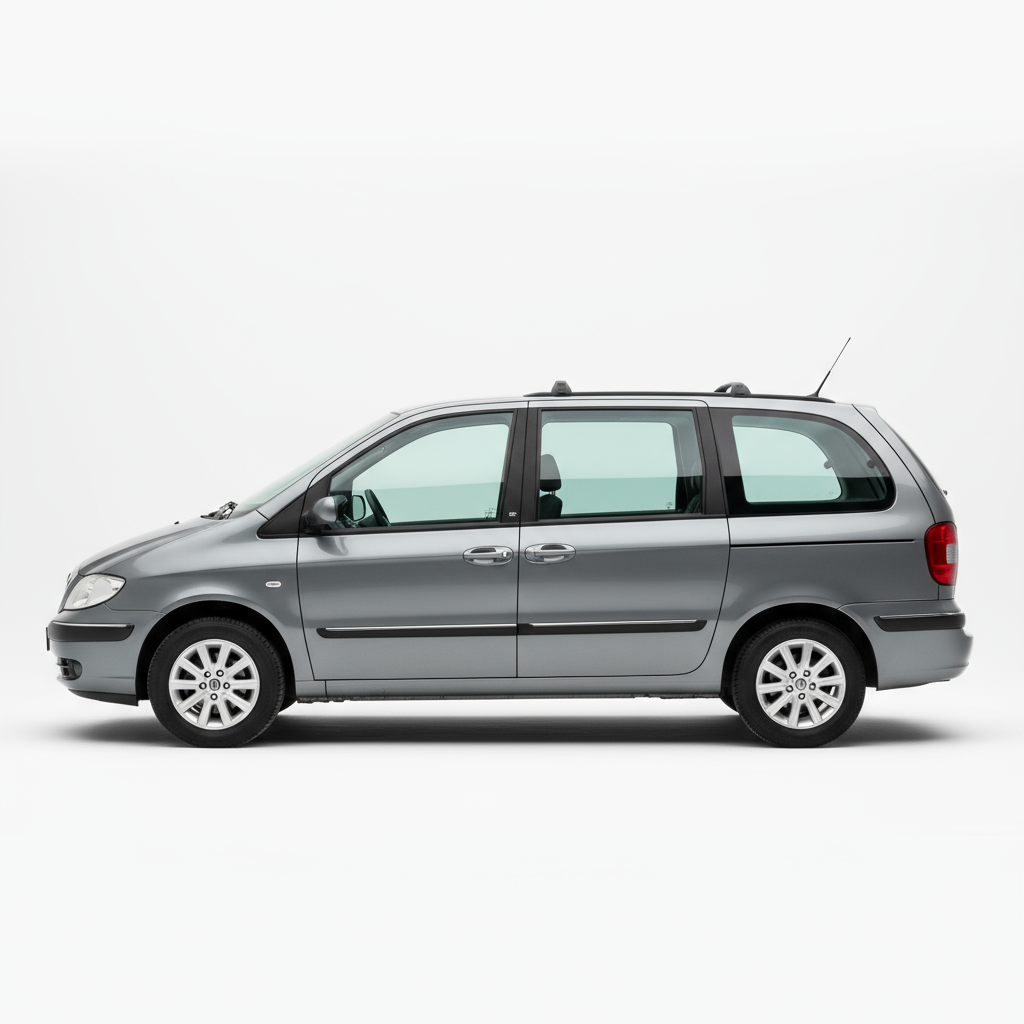
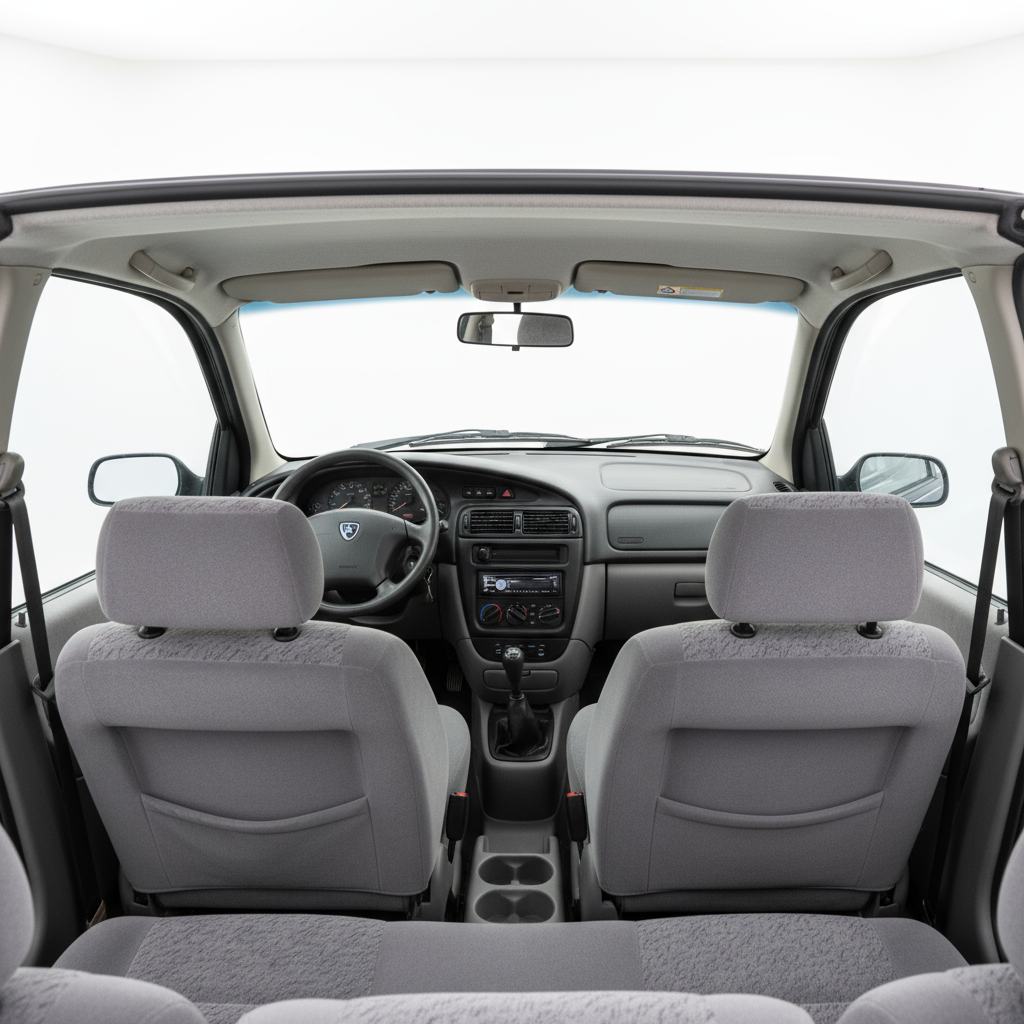
The design of the Lancia Z is an exercise in masterful functionality with the brand's unmistakable touch of elegance. Although it shares its silhouette with its project siblings, Lancia knew how to imprint its character with a distinctive grille and an interior where noble materials created a luxurious and welcoming atmosphere. Its huge glass surfaces flood with light a cabin designed for life on board, prioritizing space and versatility above all else.
Technology and features
At its technological heart beat a robust diesel engine with indirect injection, turbo, and intercooler, an advanced solution for its time that guaranteed solvent performance and great range thanks to its 80-liter tank. Comfort equipment, such as air conditioning or electric windows, was considered a luxury, while safety was entrusted to a well-tuned chassis. It was the technology of the 90s, honest and without today's complexities.
Competition
The competition was fierce and, curiously, came from its own house with the Peugeot 806, Citroën Evasion, and Fiat Ulysse. Beyond its family, the Lancia Z measured up against the segment pioneer, the Renault Espace, and the trio formed by the Volkswagen Sharan, SEAT Alhambra, and Ford Galaxy. Each offered its own interpretation of the family vehicle, but the Z always played the card of distinction and Italian refinement.
Conclusion
The Lancia Z is much more than a 90s minivan; it is a rolling memory of great family trips, of an era where the destination was as important as the journey itself. It represents Lancia's ability to endow an eminently practical concept with soul and elegance. Today, to behold it is to evoke a sense of nostalgia for a simpler, more spacious, and profoundly human kind of motoring.