
Especificaciones y análisis del Land Rover Range Rover
Power
136HP
Torque
270Nm
Consumption
11.4l/100
Emissions
-g/km
0-100 km/h
17.5s
Top Speed
162km/h
Weight
2130kg
Price
53,117€
Technical summary
Gasóleo
Automático 4v
AWD
5 / 5 doors
520 L
90 L
100 kW
Current
Technical specifications
Engine
Capacities
Detailed analysis of the Land Rover Range Rover 2.5 DT (136 CV) Aut. · 136 CV (1996-2002)
General description
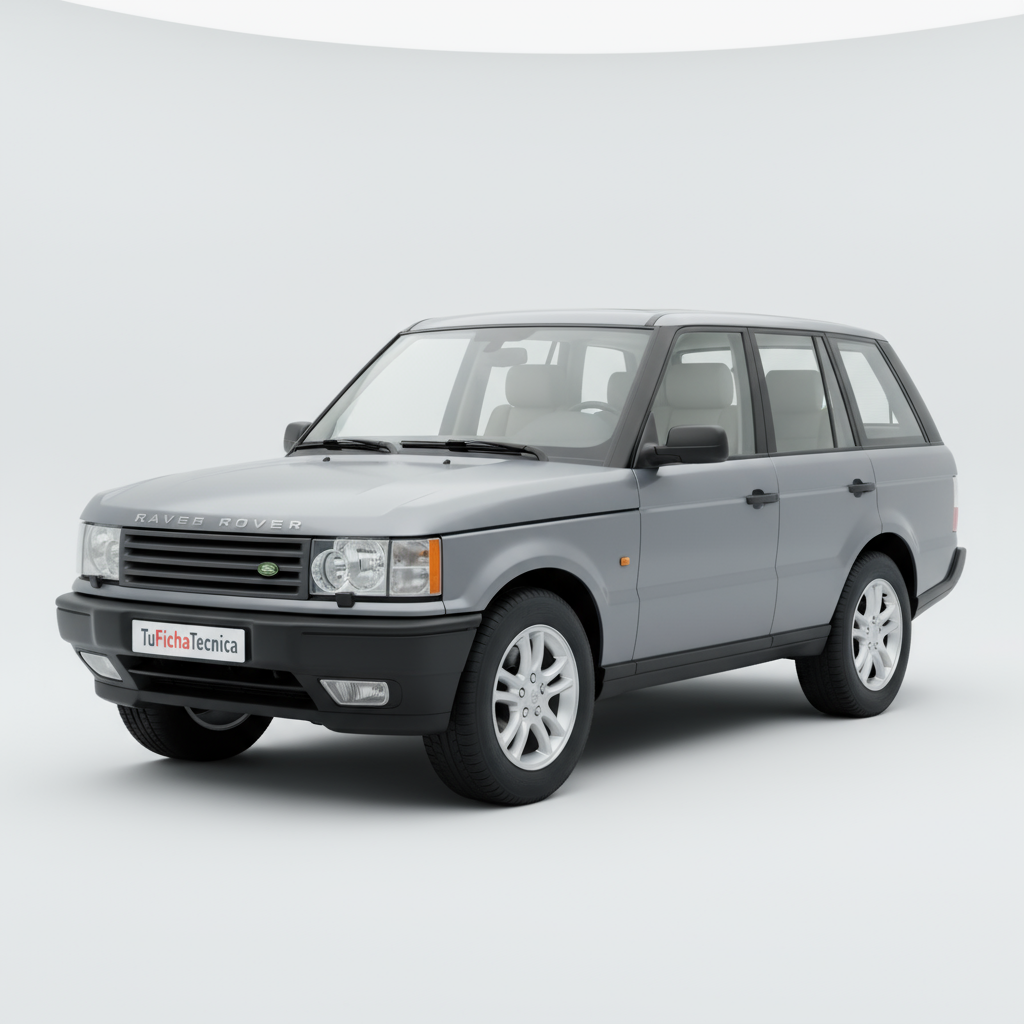
The 1996 Land Rover Range Rover, known by its internal code P38a, represents the evolution of a myth. It was the bridge between the spartan original and modern luxury, a vehicle that allowed you to cross a continent by road or countryside with the same elegance and distinction. This version with the 2.5-liter, 136-horsepower diesel engine is the embodiment of quiet strength, a colossus in no hurry to arrive, because the journey itself is the destination.
Driving experience
Getting behind the wheel is an almost ceremonial experience. You sit on a throne, with a commanding view over the rest of the traffic. The BMW-sourced diesel engine pushes with imperturbable calm; its 136 horsepower doesn't seek speed records but aims to offer constant torque to overcome any obstacle. The suspension isolates you from the world, making you feel like you're floating over the asphalt and absorbing terrain irregularities with majestic smoothness. It's a car that invites relaxed driving, enjoying the scenery and the feeling of being invulnerable.
Design and aesthetics
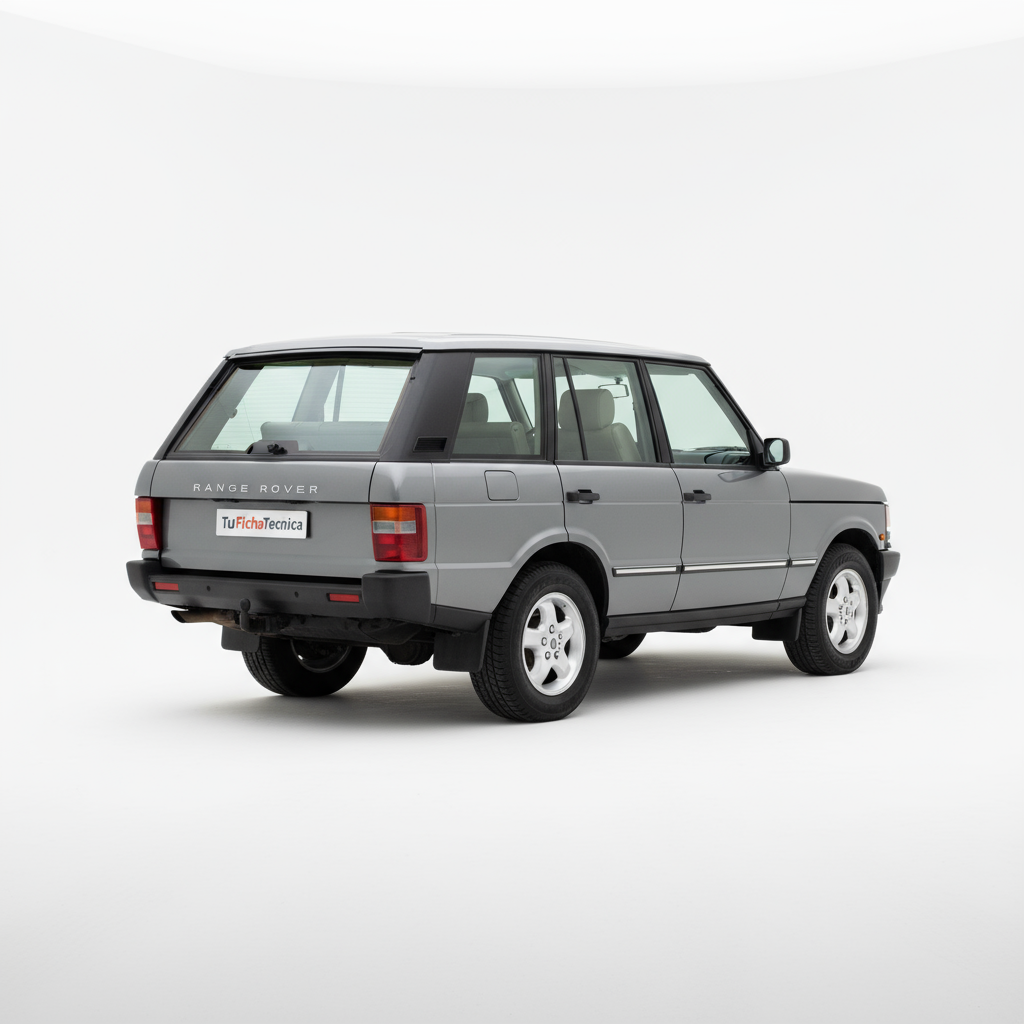
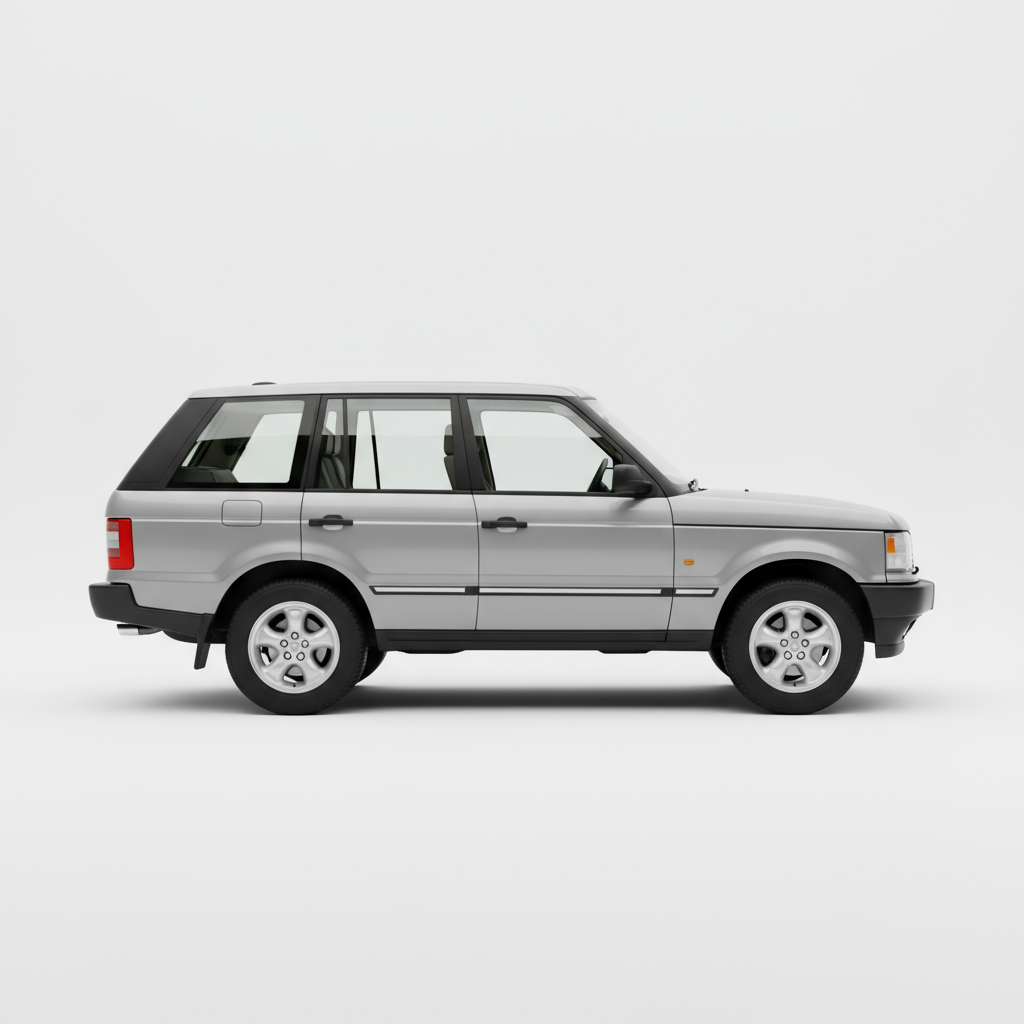
Its design is a statement of intent. The straight lines and imposing presence of the Range Rover P38a are unmistakable and timeless. It retains iconic elements like the floating roof, the clamshell bonnet, and the split tailgate, details that speak to its heritage and functionality. It is a rolling sculpture that combines the robustness of a pure off-roader with the elegance of a luxury sedan, a balance that few have managed to replicate so successfully.
Technology and features
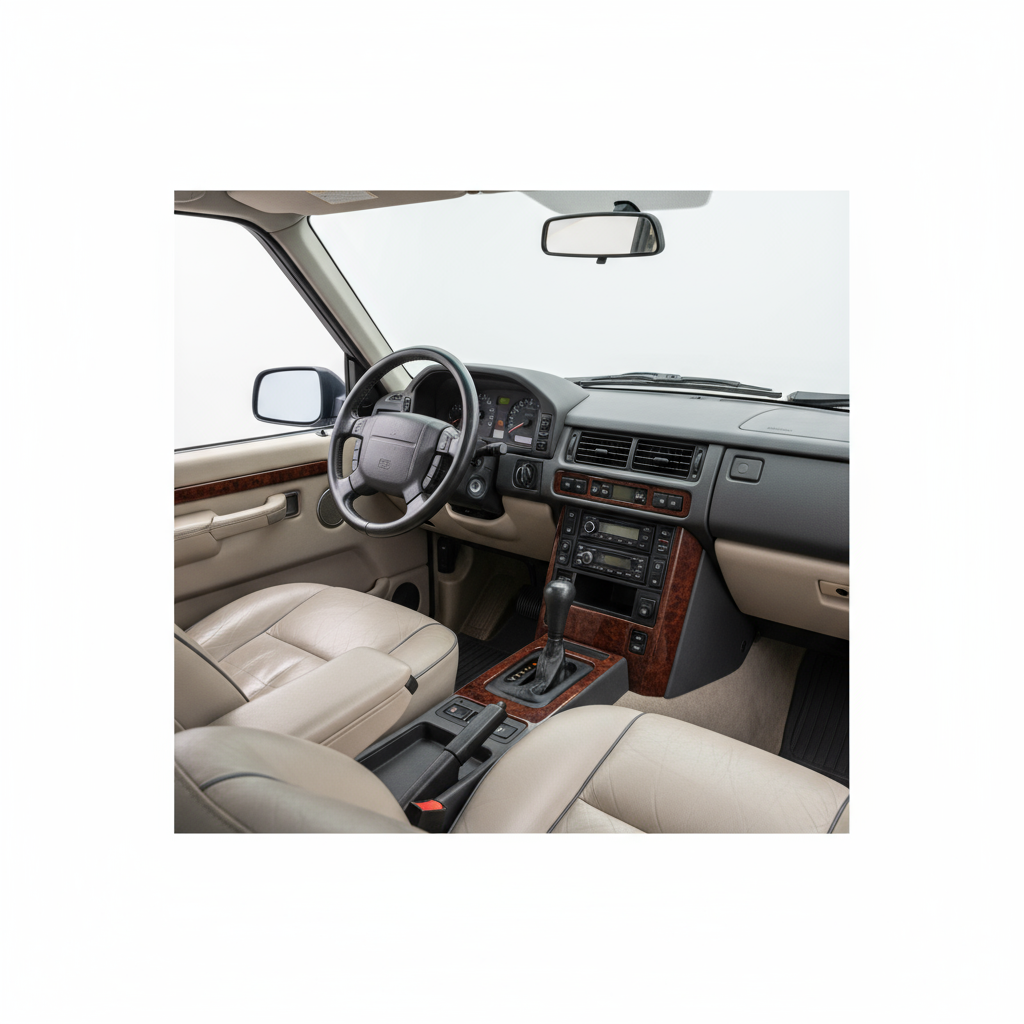
For its time, it was an advanced vehicle. The heart of its character was the rigid axle suspension, a robust and field-proven setup, but refined in the Range Rover to offer superior comfort. The permanent all-wheel drive and the 4-speed automatic gearbox ensured effortless progress in any condition. On board, comfort was guaranteed by elements that enveloped you in an English club atmosphere, a tangible luxury in every detail.
Competition
In the Olympus of 1990s luxury off-roaders, the Range Rover competed with titans. Its main rivals were the indestructible Mercedes-Benz G-Class, the reliable and robust Toyota Land Cruiser, and the more modern and Americanized Jeep Grand Cherokee. Each had its own philosophy, but the Range Rover always stood out for offering a level of refinement and status that placed it in a category of its own.
Conclusion
The Range Rover 2.5 DT is not a car chosen with the head, but with the heart. It is a vehicle with an immense soul, which rewards you with a unique driving experience and an unparalleled feeling of superiority and comfort. Its modest performance and well-known mechanical complexity are the price to pay for owning a legend. It is more than a car; it is a lifestyle, a time machine that transports you to an era where luxury and adventure went hand in hand.