
Especificaciones y análisis del Land Rover Range Rover
Power
136HP
Torque
270Nm
Consumption
10.6l/100
Emissions
-g/km
0-100 km/h
15.3s
Top Speed
165km/h
Weight
2115kg
Price
53,941€
Technical summary
Gasóleo
Manual 5v
AWD
5 / 5 doors
520 L
90 L
100 kW
Current
Technical specifications
Engine
Capacities
Detailed analysis of the Land Rover Range Rover 2.5 DSE (136 CV) · 136 CV (1996-2002)
General description
The 1996 Land Rover Range Rover, known internally as the P38, is not just an off-roader; it is the embodiment of luxury and adventure. It represents an era when the ability to conquer any terrain was dressed up, offering a sanctuary of comfort and prestige without renouncing its indomitable roots. To drive it is to own a piece of automotive history.
Driving experience
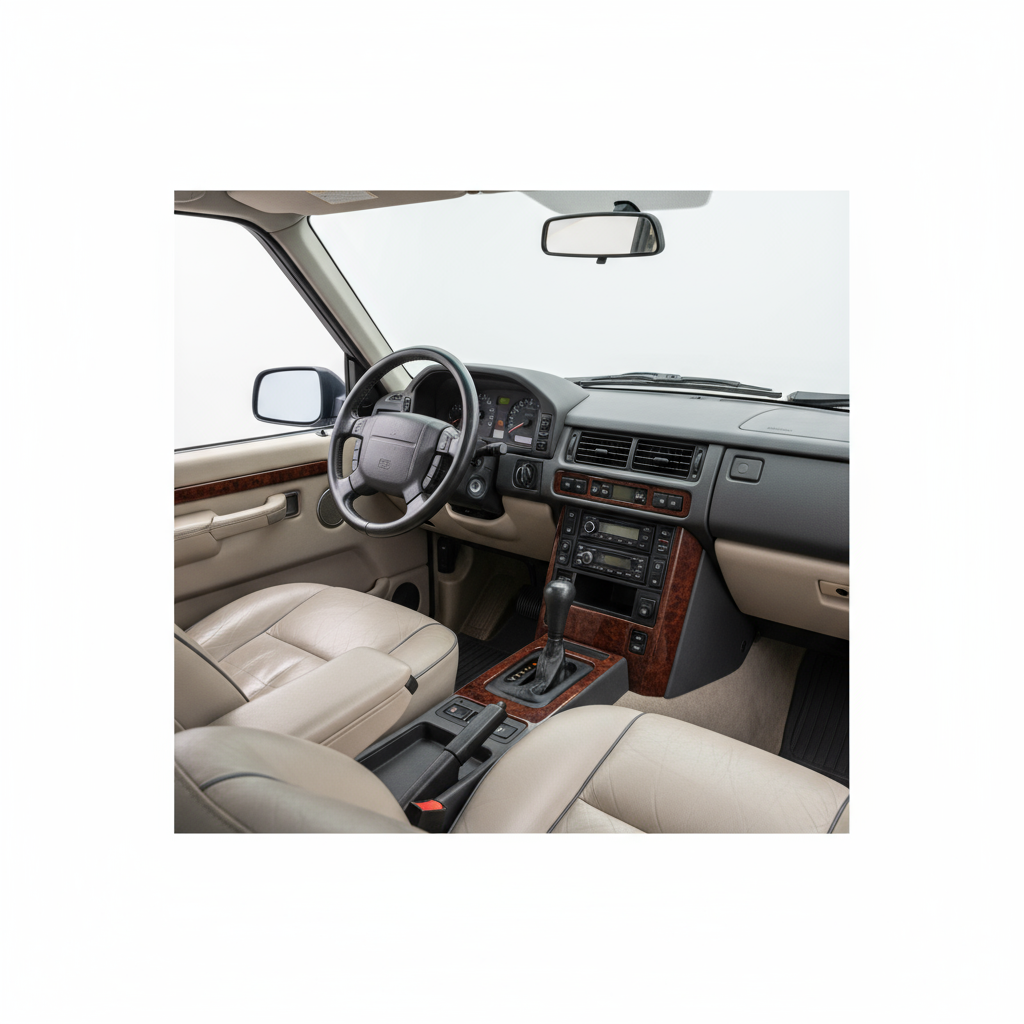
Getting behind the wheel is an imposing experience. The high driving position gives you absolute command over the asphalt and the countryside. Its 6-cylinder diesel engine does not seek explosive speed, but rather to deliver constant and serene torque, a quiet force that gets you out of any trouble with imperial calm. It is a journey measured in sensations, not in seconds, where the comfort and solidity of its construction isolate you from the outside world.
Design and aesthetics
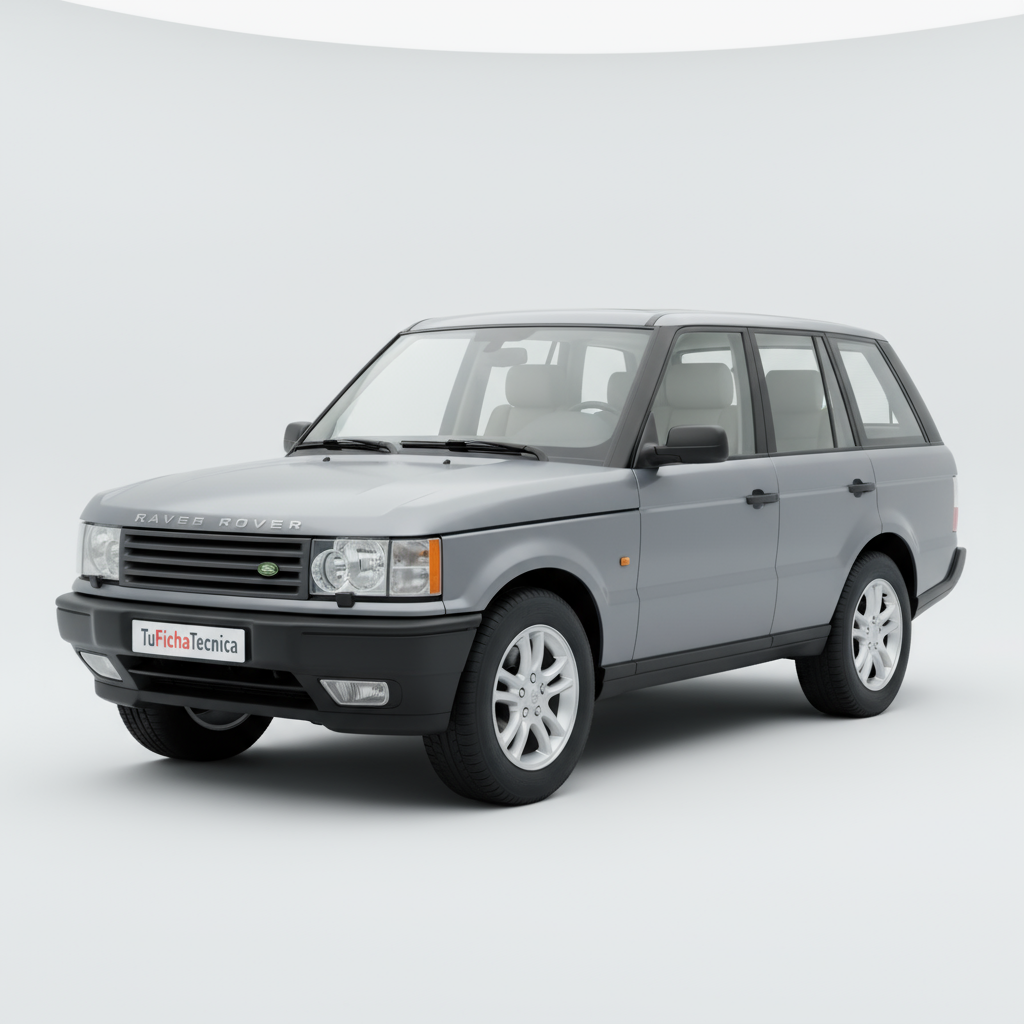
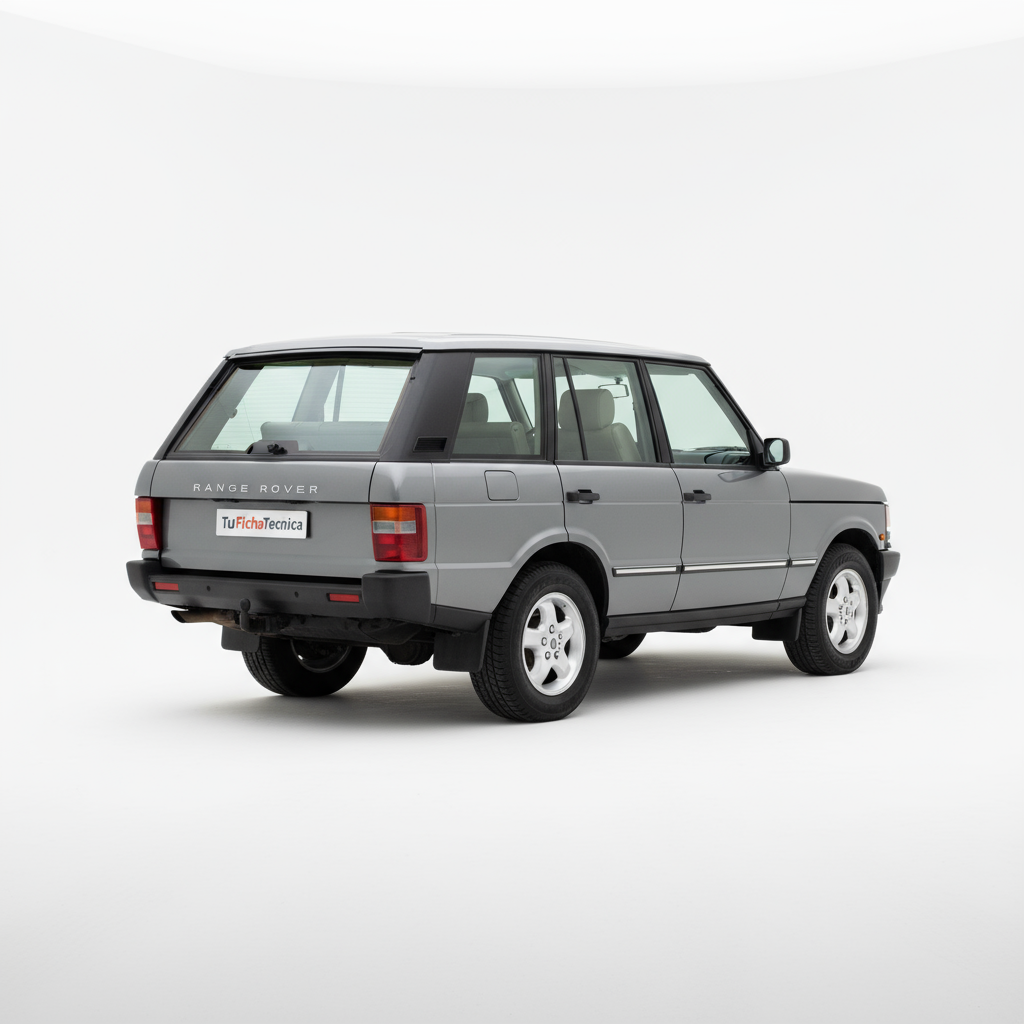
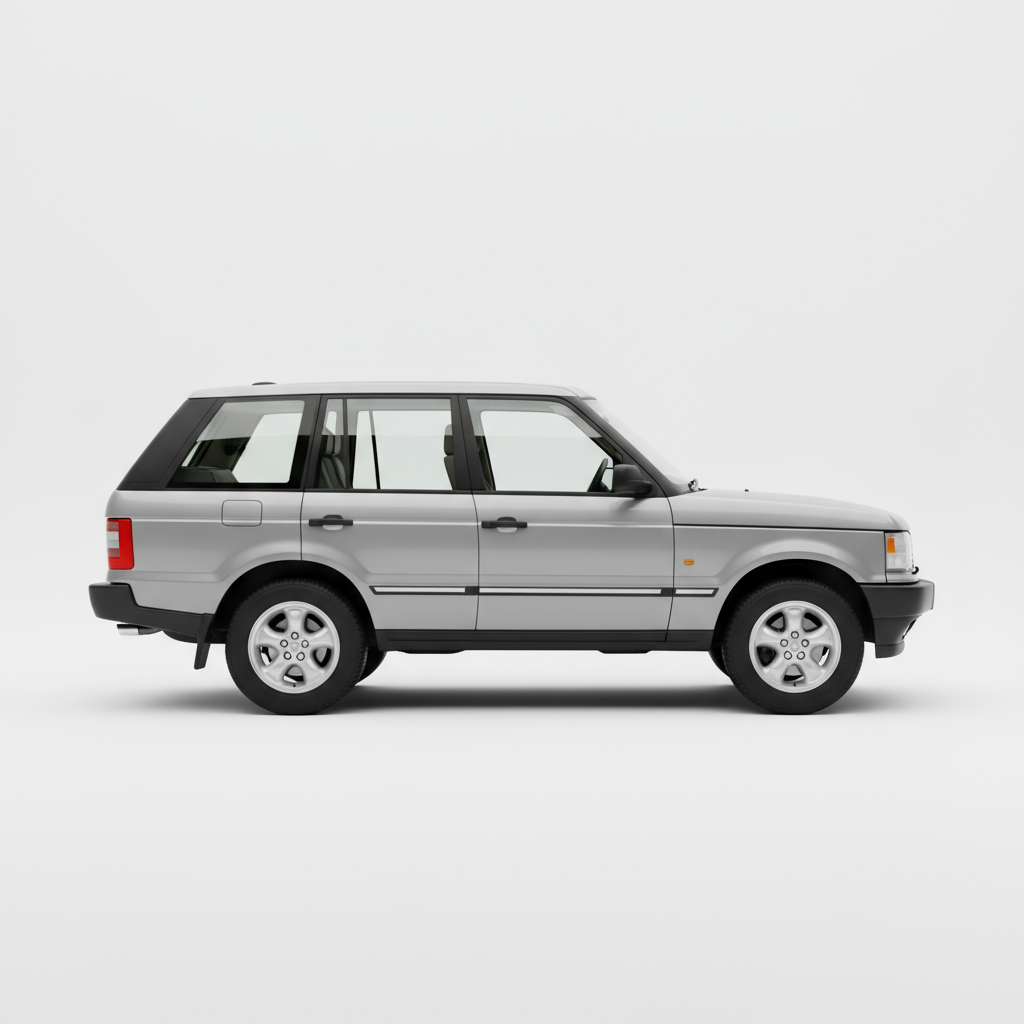
Its design is a statement of intent: iconic, timeless, and majestic. The straight lines and imposing bodywork, with its characteristic floating roof and clamshell hood, project an image of unmistakable robustness and elegance. Every angle evokes a sense of power and distinction, a design that has aged with exceptional grace, becoming a modern classic.
Technology and features
For its time, the Range Rover P38 was an advanced vehicle. Its permanent all-wheel-drive system was the heart of its legendary off-road capability, while its robust rigid-axle chassis guaranteed foolproof durability. The diesel engine with turbo and intercooler, although modest in performance, was a logical choice for those seeking reliability and range on long journeys.
Competition
In the Olympus of 90s luxury off-roaders, the Range Rover faced titans like the Jeep Grand Cherokee, which offered a more American approach to comfort, and the indestructible Mercedes-Benz G-Class, a rival with a more military and rugged focus. It also competed with the legendary reliability of the Toyota Land Cruiser, but none possessed the British aristocratic aura of the Range Rover.
Conclusion
This Range Rover is much more than a car; it is a life companion, an icon that transcends time. Its value lies not in its pure performance, but in the unique experience it offers: that of feeling invincible and sophisticated at the same time. It is a vehicle with a soul, which demands dedication but rewards with an unparalleled character and presence, a true king in both the city and the mountains.