
Especificaciones y análisis del Lotus Elise
Power
136HP
Torque
160Nm
Consumption
6.3l/100
Emissions
149g/km
0-100 km/h
6.5s
Top Speed
204km/h
Weight
951kg
Price
41,540€
Technical summary
Gasolina
Manual 6v
RWD
2 / 2 doors
112 L
40 L
100 kW
Current
Technical specifications
Engine
Capacities
Detailed analysis of the Lotus Elise · 136 CV (2012-2015)
General description
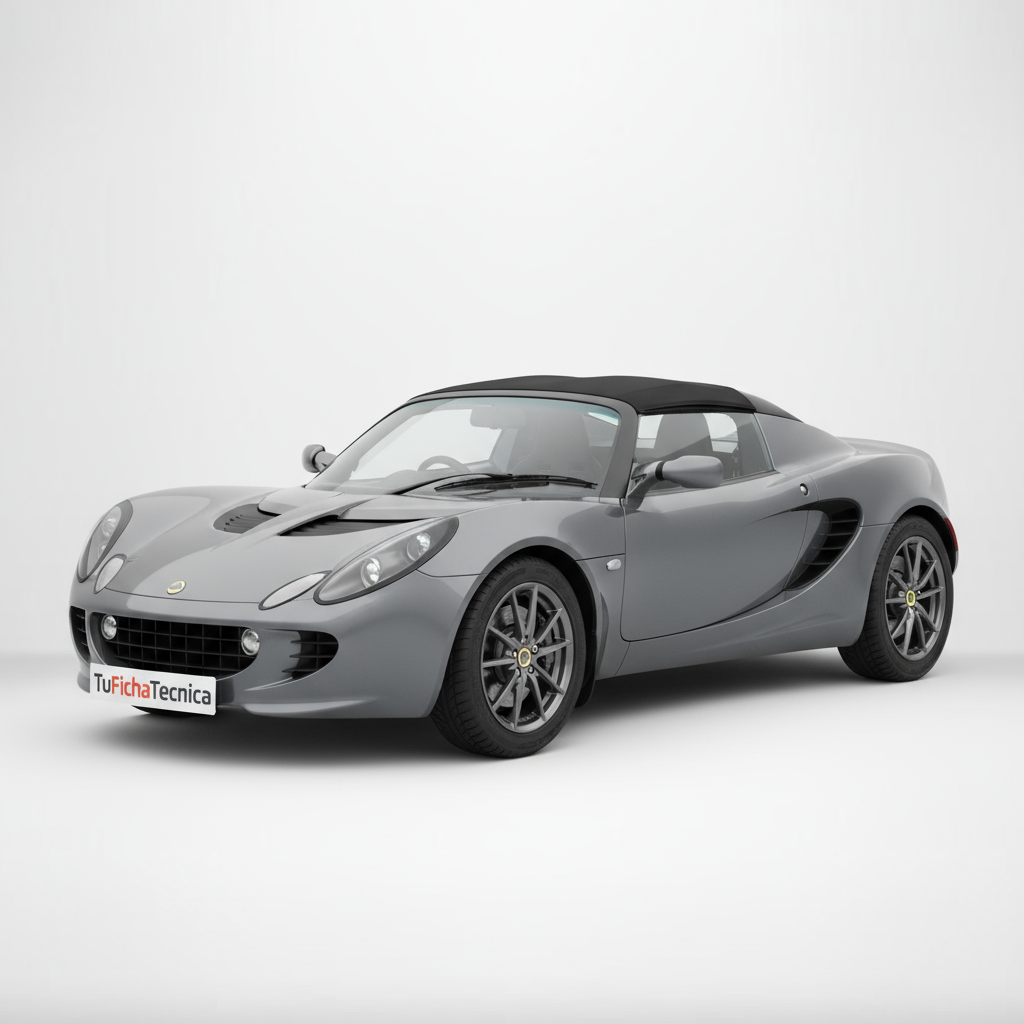
The 2011 Lotus Elise is not just a car, it's a statement of intent, the materialization of Colin Chapman's 'add lightness' philosophy. It's a pure sports car, designed in an era where the connection between man and machine was beginning to fade, and it stands as a bastion of analog and visceral driving.
Driving experience
Getting behind the wheel is a transformative experience. With a weight of just 951 kilograms and 136 horsepower from its mid-engine, every gram of power is felt. The unassisted steering transmits every texture of the asphalt directly to the palms of your hands, the six-speed manual gearbox is a mechanical delight, and the rear-wheel drive invites you to play in every corner. Accelerating from 0 to 100 km/h in 6.5 seconds feels much faster when you're sitting so low, feeling the roar of the naturally aspirated engine right behind your neck. It's a symphony of pure sensations, with no filters to dilute the experience.
Design and aesthetics
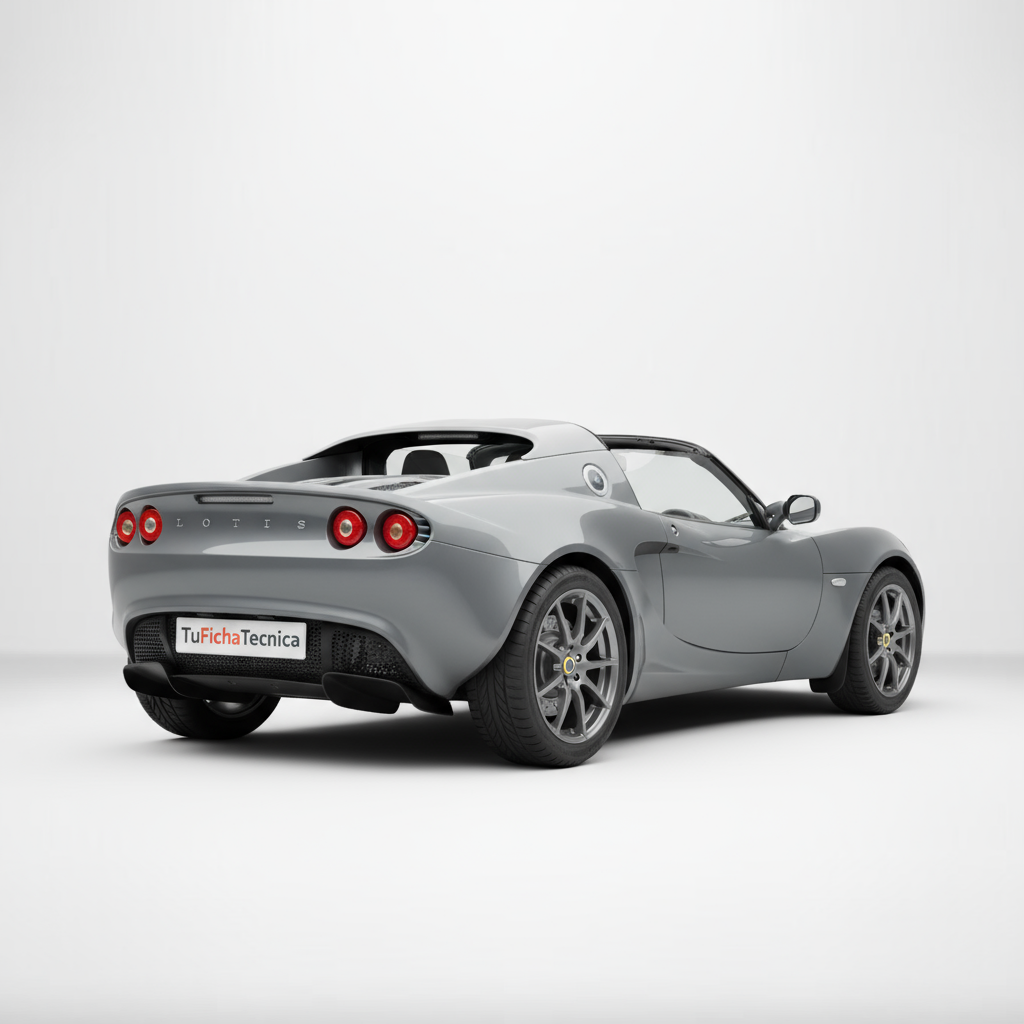
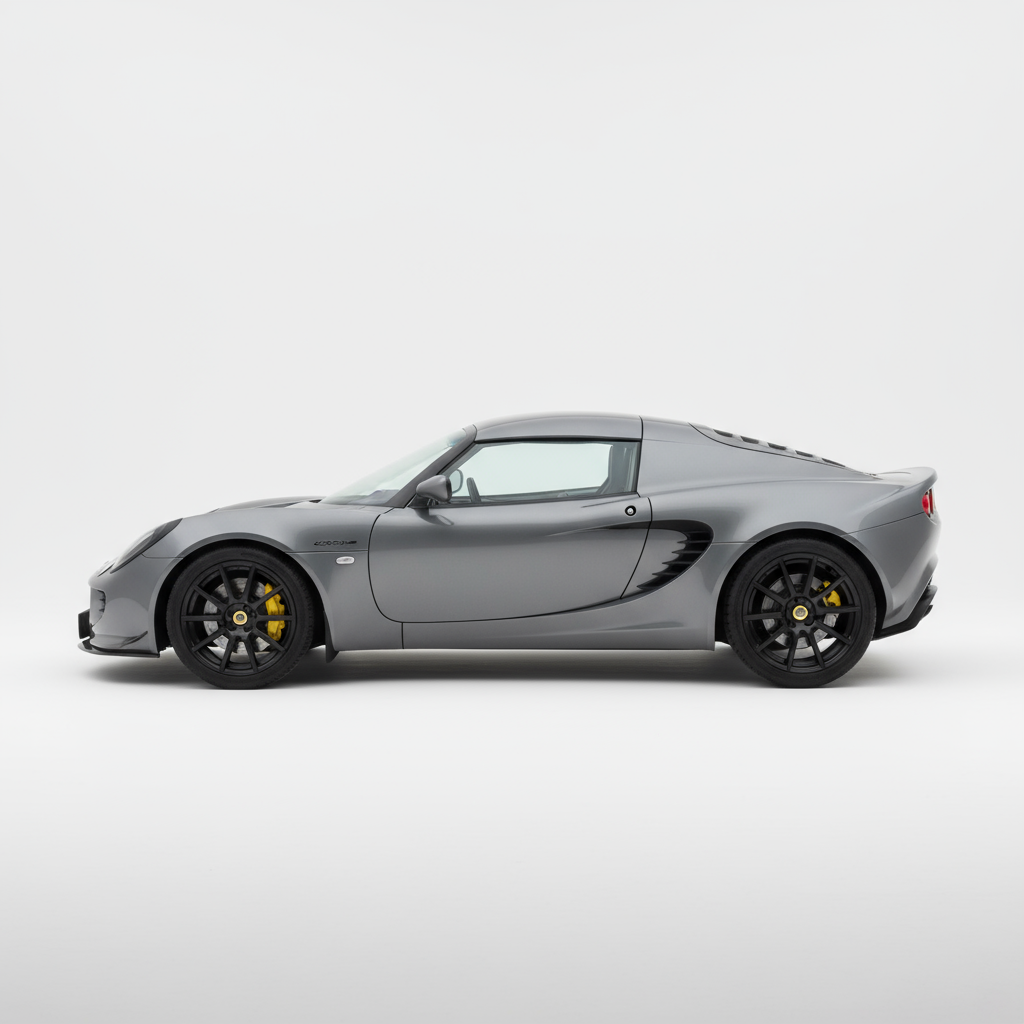
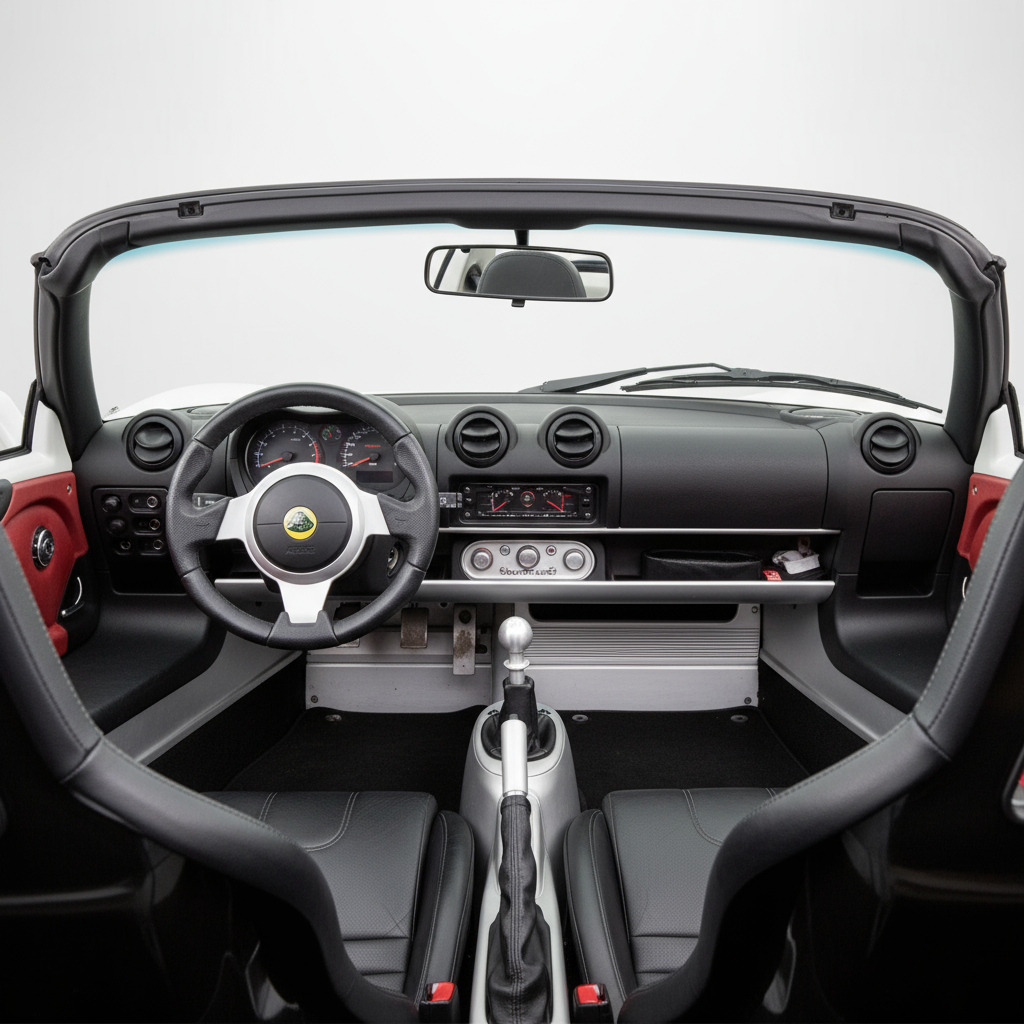
Its design is a direct consequence of its function. It is incredibly low, short, and wide, a silhouette that cuts through the wind and sticks to the ground. There is not a single superfluous ornament; every line, every air intake, has a purpose. The interior is a reflection of this austerity: exposed aluminum, bucket seats, and only what is strictly necessary for driving. Getting in and out is a ritual, but once inside, the cabin embraces you and makes you part of the chassis. It is the beauty of the essential, a functional sculpture dedicated to speed.
Technology and features
The Elise's technology does not lie in touch screens or driving assistants, but in its brilliant engineering. Its bonded aluminum chassis is a masterpiece of lightness and rigidity. The double-wishbone suspension on both axles, typical of racing cars, ensures perfect contact with the road. Its 1.6 engine of Toyota origin is reliable and energetic, and although its 136 hp may seem modest, they are more than enough to catapult such a lightweight package. The real technology here is the obsession with dynamics and mechanical purity.
Competition
Finding a direct rival for the Elise is an almost impossible task. A Porsche Boxster from the same era offers more comfort and power, but at the cost of much greater weight and a filtering of sensations. Perhaps the Alfa Romeo 4C is similar in philosophy, but it is a more modern and expensive concept. The Elise plays in its own league, that of lightweight, uncompromising sports cars, attracting a driver who seeks the purest essence and doesn't mind sacrificing daily practicality for an indelible smile on every winding road.
Conclusion
The Lotus Elise is a gem, an antidote to modern automotive apathy. It is not a car for daily use, its trunk is token, and its comfort is spartan. It is a selfish, demanding vehicle that asks to be driven with passion and respect. In return, it offers one of the most rewarding and authentic driving experiences money can buy. It is a machine that teaches you to be a better driver and reminds you why we love to drive.