
Especificaciones y análisis del Lotus Evora
Power
280HP
Torque
342Nm
Consumption
8.7l/100
Emissions
205g/km
0-100 km/h
5.1s
Top Speed
261km/h
Weight
1457kg
Price
71,814€
Technical summary
Gasolina
Manual 6v
RWD
4 / 3 doors
- L
60 L
206 kW
Current
Technical specifications
Engine
Capacities
Detailed analysis of the Lotus Evora 2+2 · 280 CV (2009-2010)
General description
The 2009 Lotus Evora represented a bold step forward for the British brand. Conceived as a more versatile and livable sports car than its stablemates, it sought to combine Lotus's legendary driving purity with a level of comfort that allowed for use beyond the track. With its mid-mounted V6 engine and a 2+2 configuration, the Evora was born to be the everyday Lotus, without sacrificing an iota of the soul that made the Hethel firm great.
Driving experience
Getting behind the wheel of the Evora is a visceral experience that reconnects you with the essence of driving. The roar of the 3.5-liter V6 behind you is an addictive soundtrack that pushes you to explore its 280 horsepower. Every shift of the six-speed manual transmission is a precise, mechanical act. The pure, unfiltered hydraulic steering transmits every texture of the asphalt directly to the palms of your hands. Its aluminum chassis is a masterpiece of rigidity and lightness that allows you to feel the car rotate around you with an agility and balance that are captivating. It's not just a fast car; it's a machine of sensations that makes you feel alive.
Design and aesthetics
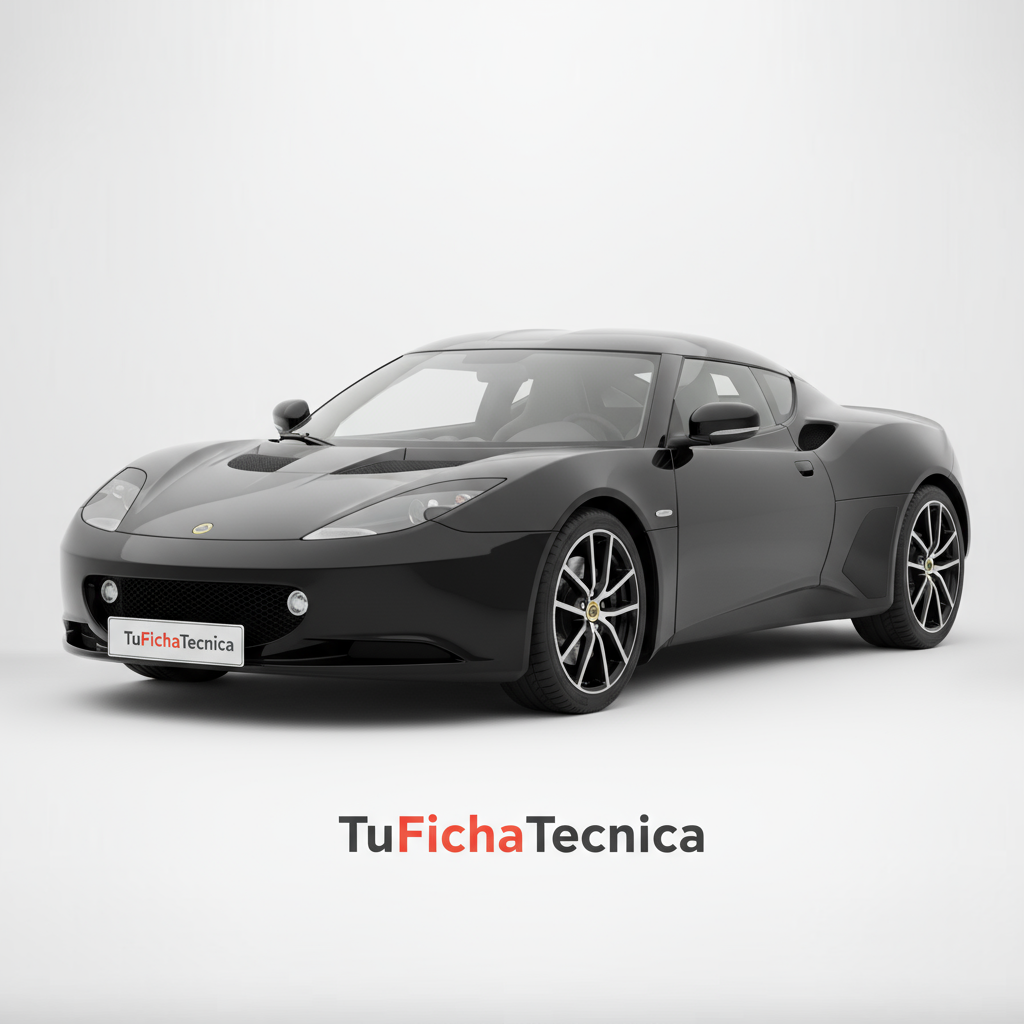
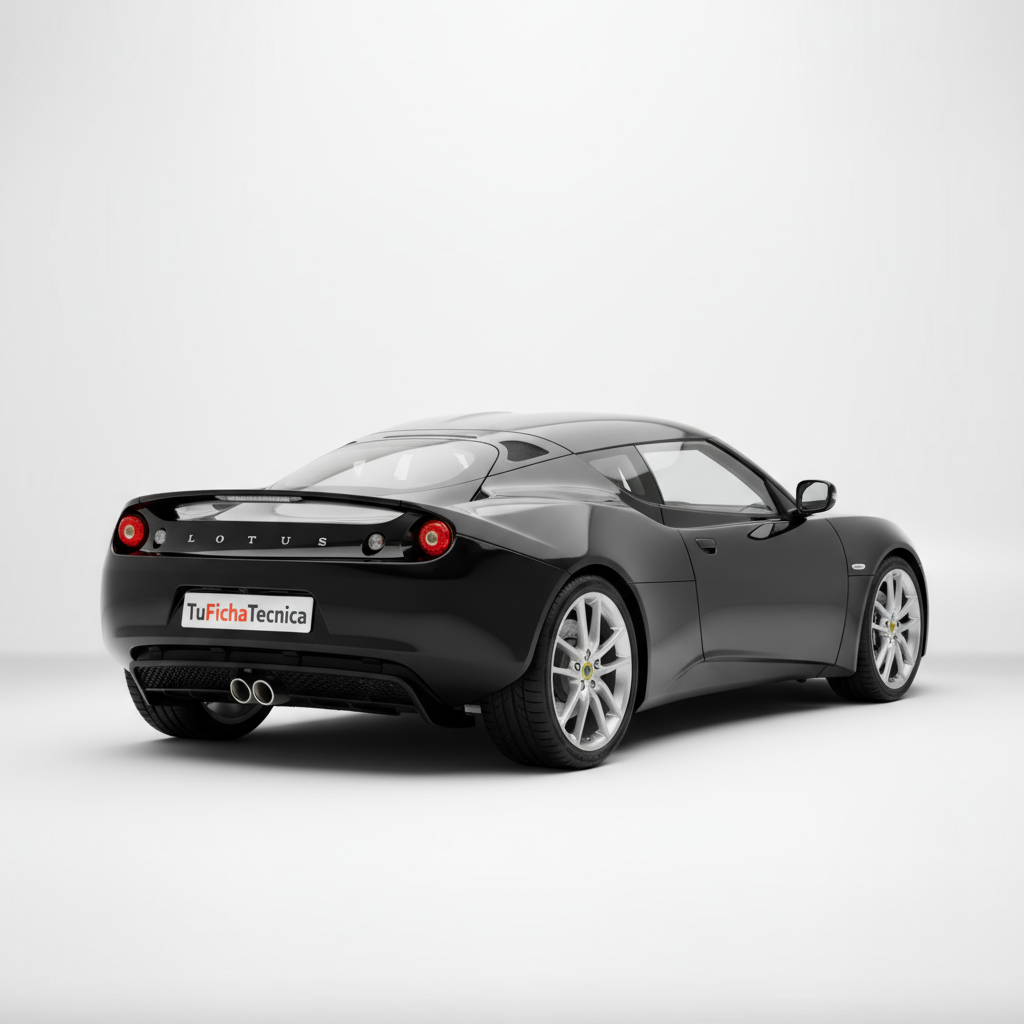
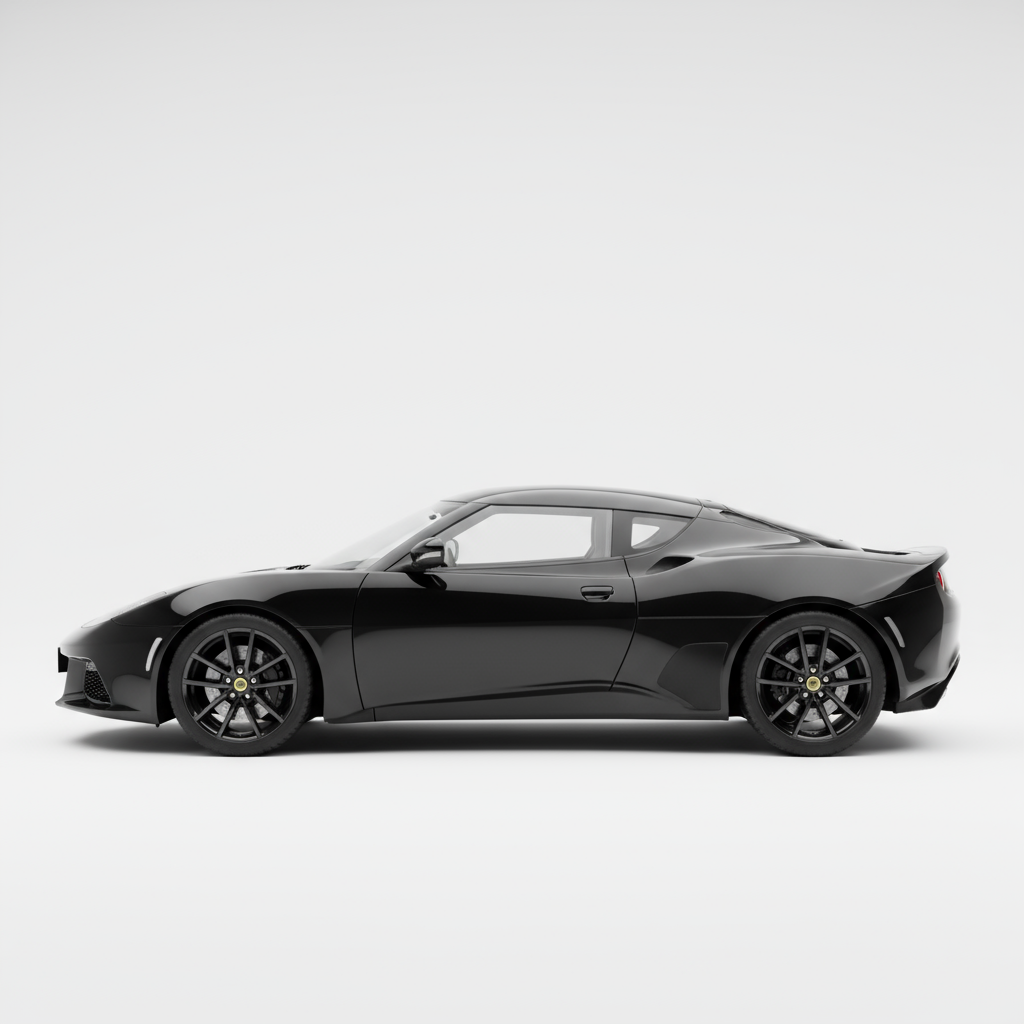
The design of the Lotus Evora is exotic and functional, a moving sculpture that screams 'sports car' from every angle. Its mid-engine proportions, with a forward cabin and a short, muscular rear, are simply perfect. The extremely low height and fluid lines that manage the air give it an imposing presence on the road. Every curve, every air intake, is not an ornament but an aerodynamic necessity that defines its athletic and timeless silhouette. It's a car that turns heads and quickens pulses even when it's standing still.
Technology and features
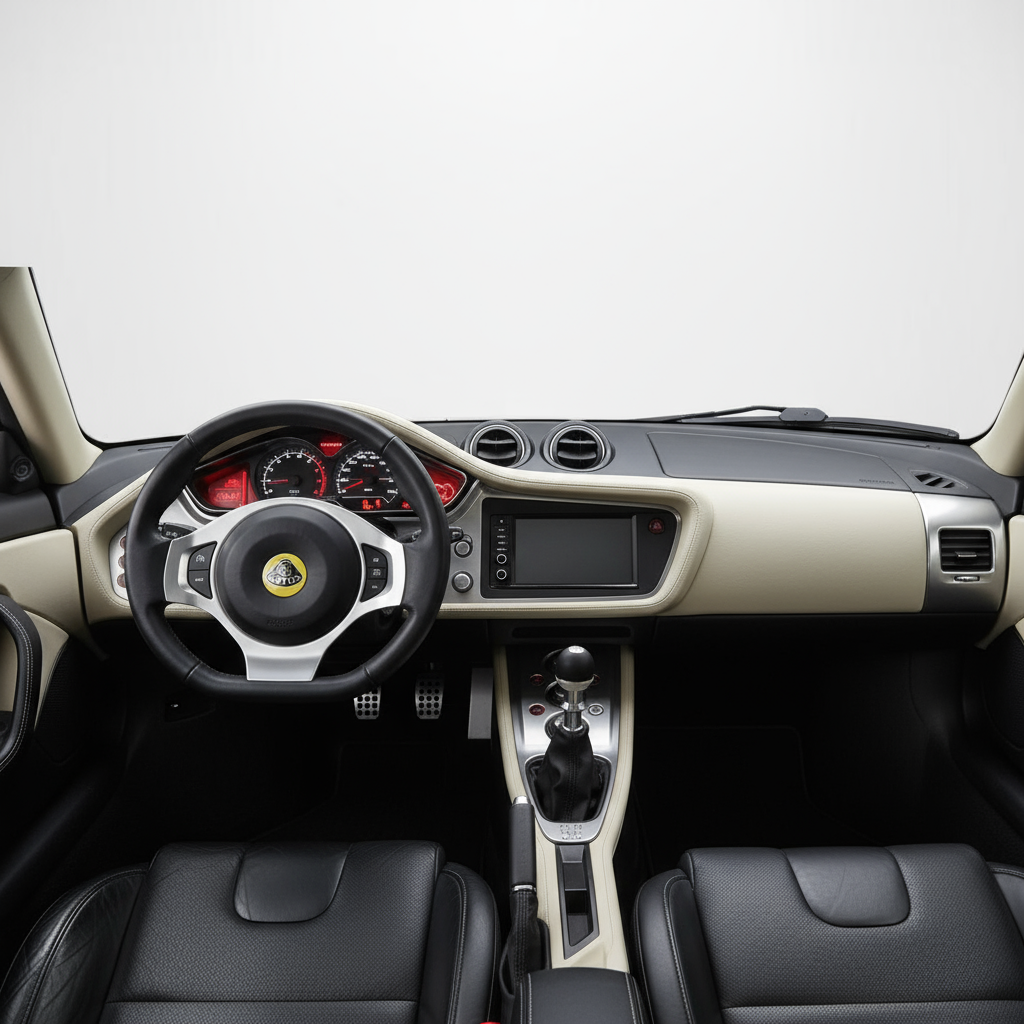
The technology in the Evora is exclusively at the service of performance and the man-machine connection. Its heart is a reliable Toyota-sourced V6 engine, but its soul lies in the extruded and bonded aluminum monocoque chassis, a Lotus hallmark that guarantees exceptional lightness and rigidity. You won't find an excess of screens or electronic aids here to dilute the experience. The choice of hydraulic steering over electric is a statement of intent: prioritizing feel and communication above all else. It is the celebration of mechanical engineering at its finest.
Competition
At its launch, the Lotus Evora went head-to-head with the king of mid-engine sports cars, the Porsche Cayman S. While the German offered flawless execution and superb build quality, the Evora countered with a rawer character, superior lightness, and a more analog and purist driving experience. It could also be measured against cars like the Nissan 370Z, although the Evora played in a higher league in terms of exoticism and chassis specialization. Its real battle was against digital perfection, offering an irresistible analog soul.
Conclusion
The Lotus Evora 2+2 is not just a car; it's a declaration of love for driving. It achieved the difficult balance of being more practical than its predecessors without sacrificing the dynamic purity that defines the brand. It's a sports car that talks to you, involves you, and rewards you on every curve. For the driver seeking an authentic connection and a memorable experience over luxury or superfluous technology, the Evora is a sublime and deeply emotional choice. A future classic that captures the essence of what it means to love the road.