
Especificaciones y análisis del Lotus Evora
Power
280HP
Torque
350Nm
Consumption
9.3l/100
Emissions
217g/km
0-100 km/h
5.1s
Top Speed
263km/h
Weight
1458kg
Price
74,407€
Technical summary
Gasolina
Manual 6v
RWD
4 / 3 doors
160 L
60 L
206 kW
Current
Technical specifications
Engine
Capacities
Detailed analysis of the Lotus Evora 2+2 · 280 CV (2012)
General description
The 2009 Lotus Evora is not just a car; it's a statement of principles. It represents the pure essence of sports driving, a vehicle that connects you with the asphalt in a visceral and authentic way. Conceived to be more usable on a daily basis than its stablemates, the Evora combines Lotus's legendary agility with a mid-mounted V6 that beats with overwhelming force, offering a unique experience for the true enthusiast.
Driving experience
Getting behind the wheel of the Evora is to rediscover the pleasure of driving. The 3.5-liter, 280 hp V6 engine pushes forcefully, accompanied by the mechanical and addictive sound emanating from just behind your head. The six-speed manual gearbox is your perfect accomplice, and the rear-wheel drive invites you to play in every corner. Its precise and communicative hydraulic steering transmits every texture of the road, while the aluminum chassis and double-wishbone suspension work their magic, offering a sublime balance between agility and control. It's a machine that demands from you and rewards you.
Design and aesthetics
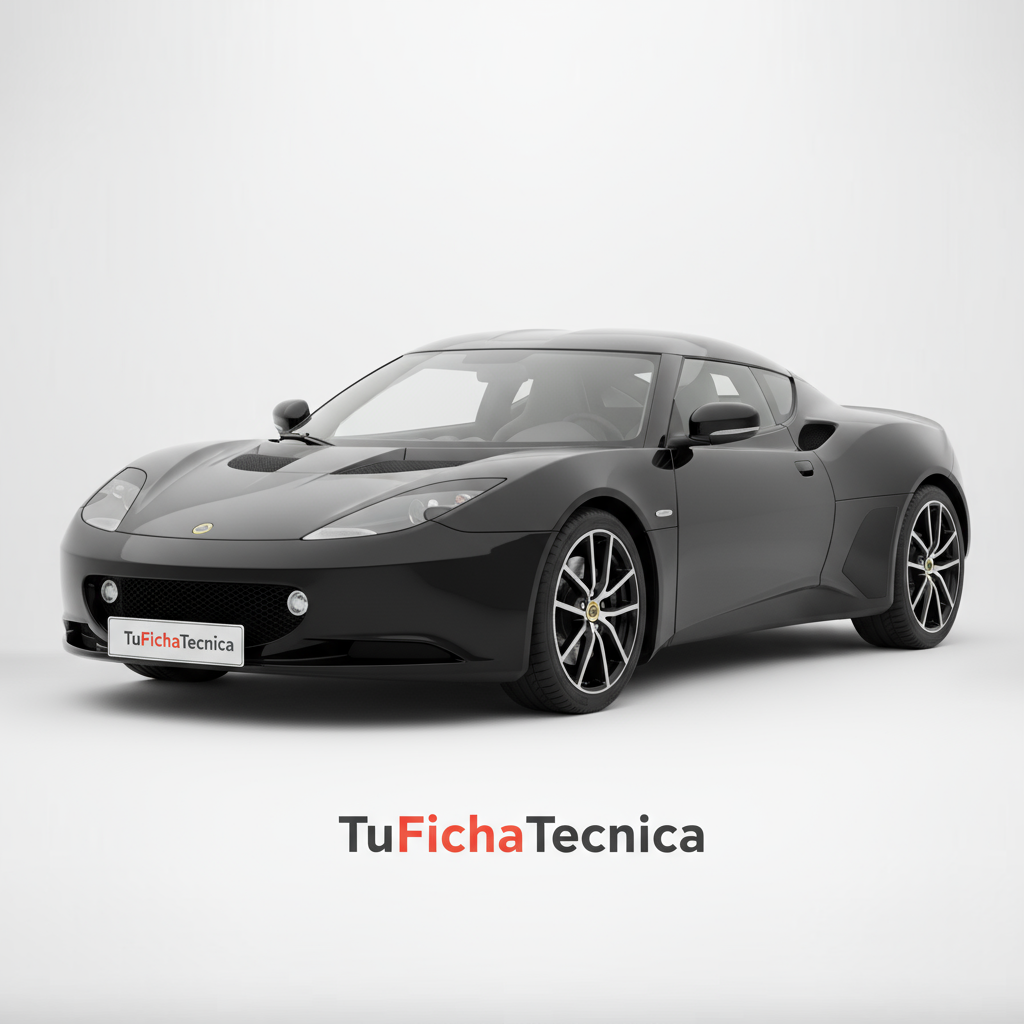
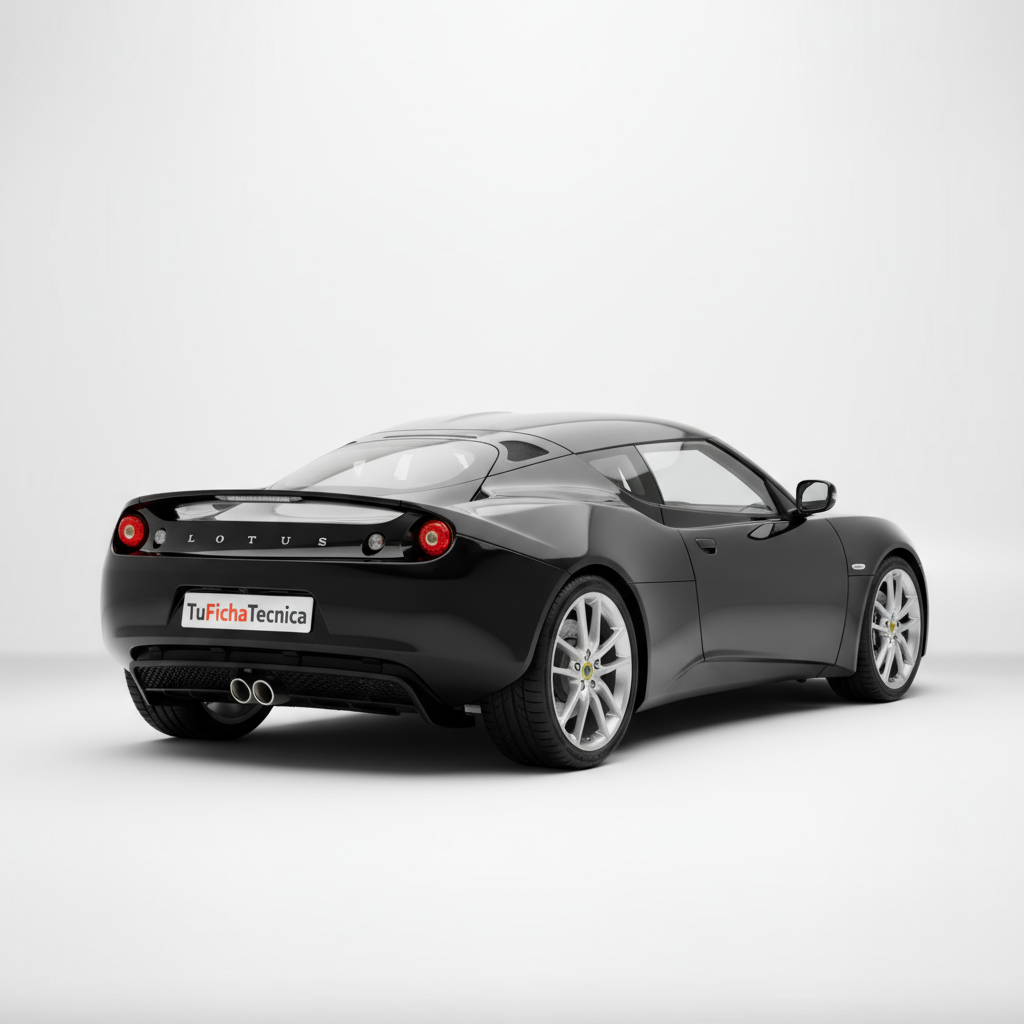
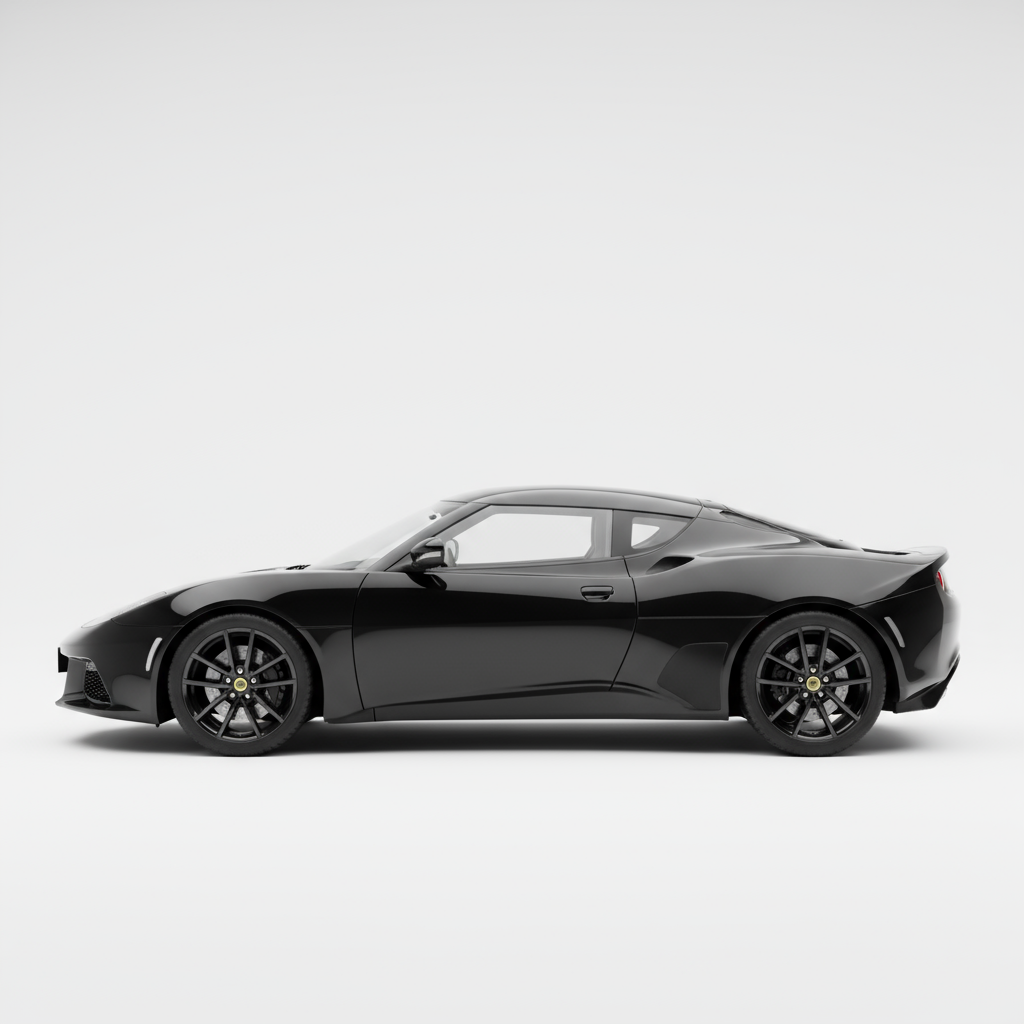
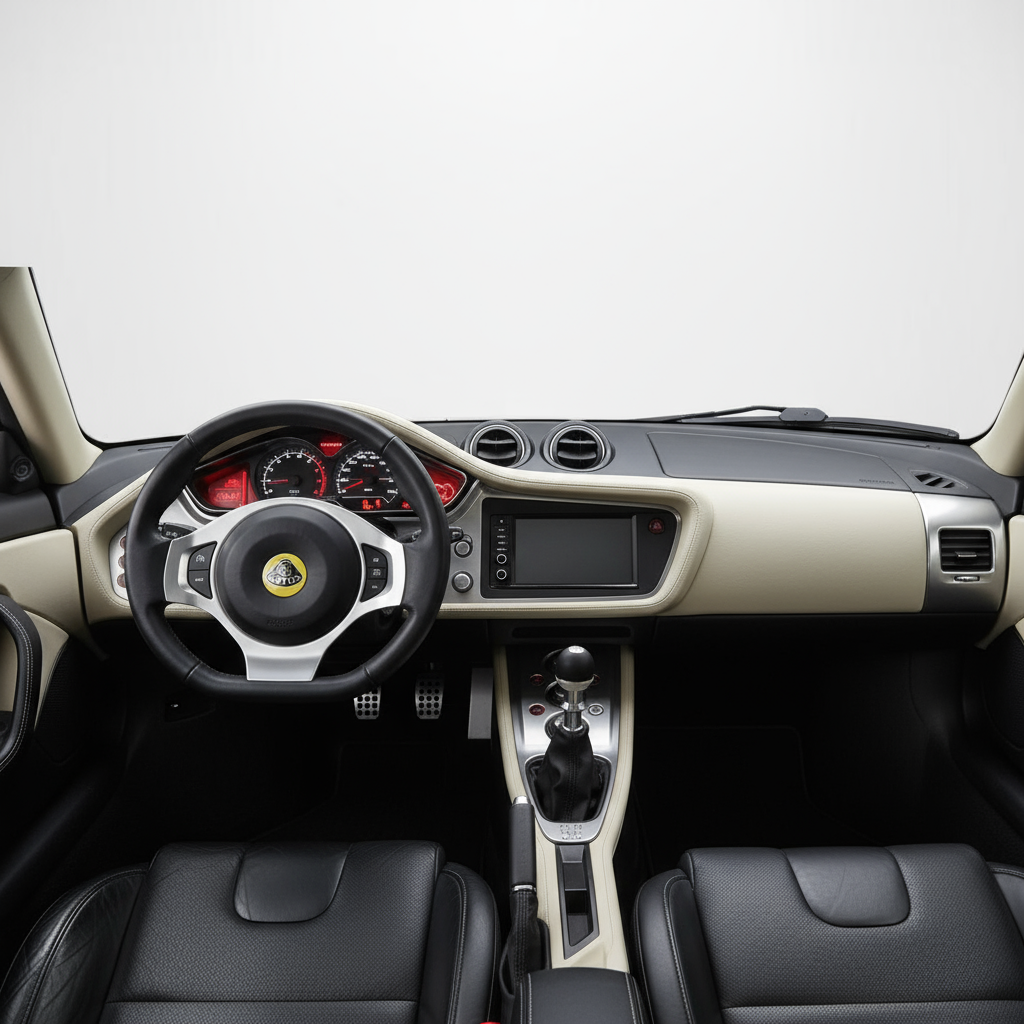
The Evora's design is exotic and functional, a sculpture in motion. Its low and sharp silhouette, with a height of just 1.2 meters, screams 'sports car' from every angle. The mid-rear engine layout defines its proportions, with a forward cabin and a muscular rear. Inside, the atmosphere is intimate and driver-focused. Although offered as a 2+2, the rear space is token, but the cockpit envelops you, with every control within easy reach, reminding you that you are in a genuine Lotus.
Technology and features
The Evora's technology doesn't lie in touch screens or driving assistants, but in the brilliance of its engineering. Its heart is a bonded and riveted aluminum chassis, a work of art that provides exceptional rigidity with low weight. The engine, of Toyota origin, is a guarantee of reliability, but it has been tuned by the wizards of Hethel to deliver thrilling performance. The technology is in its ventilated disc brakes and its race-bred suspension adapted for the street, designed to maximize the connection between man and machine.
Competition
In its time, the Lotus Evora faced titans like the Porsche Cayman, the king of balance and German precision. It also eyed sports cars like the Audi TT RS or the Nissan 370Z, which offered similar power with very different philosophies. However, the Evora always played in its own league, that of the purists who value lightness, direct communication, and the soul of a handcrafted car above all else. It was the exotic and emotional alternative.
Conclusion
The Lotus Evora is much more than the sum of its parts. It is a sensory experience, a sports car that speaks to you, challenges you, and makes you fall in love. It represents Colin Chapman's vision of 'adding lightness' applied to a surprisingly practical car for daily use. It is a gem for purists, a future classic that offers sensations that modern, filtered, and digitized cars simply cannot replicate. To own an Evora is to own a machine for generating smiles with every kilometer.