
Especificaciones y análisis del Lotus Evora
Power
280HP
Torque
350Nm
Consumption
9.3l/100
Emissions
217g/km
0-100 km/h
5s
Top Speed
262km/h
Weight
1458kg
Price
72,307€
Technical summary
Gasolina
Manual 6v
RWD
2 / 3 doors
160 L
60 L
206 kW
Current
Technical specifications
Engine
Capacities
Detailed analysis of the Lotus Evora · 280 CV (2012-2015)
General description
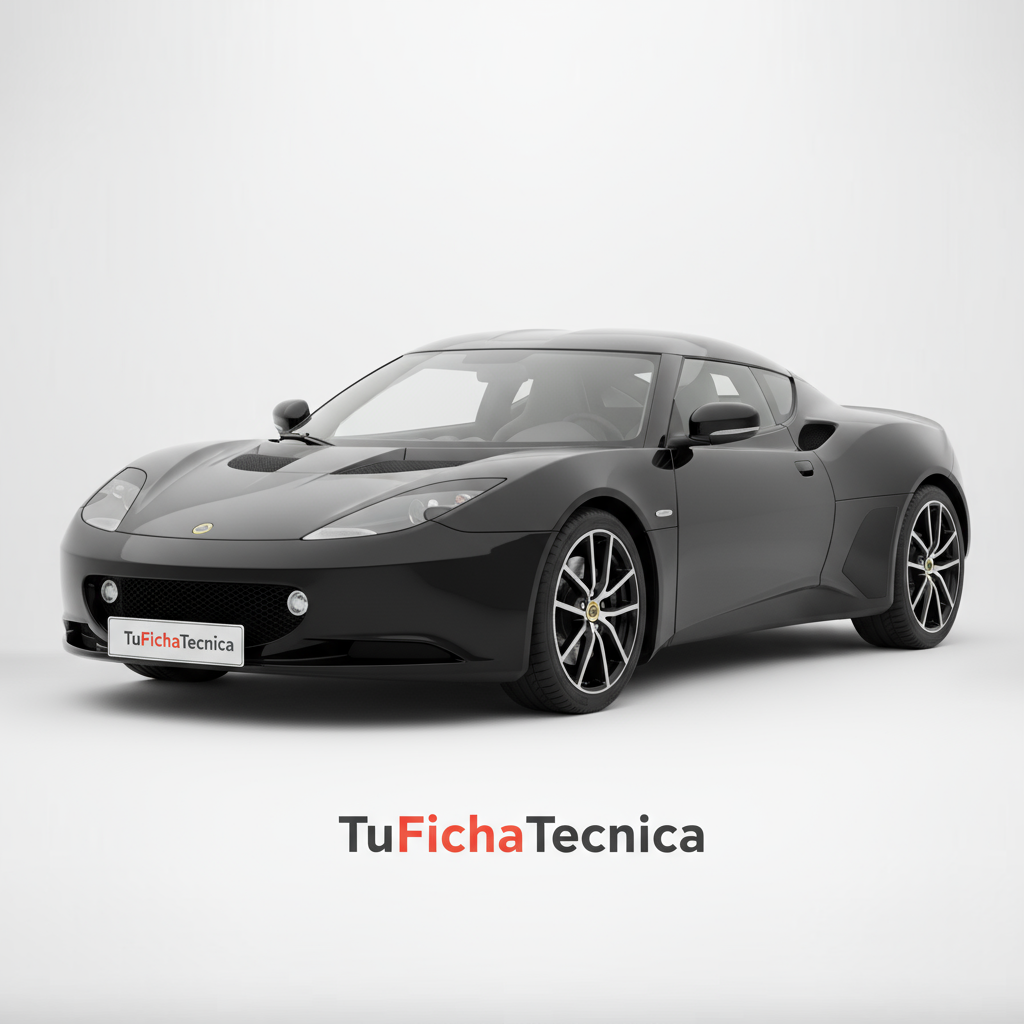
The 2012 Lotus Evora is not just a car; it is the embodiment of Colin Chapman's philosophy: 'simplify, then add lightness.' In a world of increasingly digital and filtered sports cars, the Evora stands as a bastion of purity, an analog machine designed to thrill and connect with the asphalt in a way that few modern cars can.
Driving experience
Getting behind the wheel of the Evora is to rediscover the pleasure of driving. Its 280 hp V6 engine, placed right behind you, not only pushes forcefully but also sings an addictive mechanical melody. Every shift of its 6-speed manual gearbox is a deliberate and rewarding act. The hydraulic steering, direct and full of nuances, tells you precisely what the front wheels are doing. It is not a car for comfortable travel; it is a precision instrument for devouring curves, where its brilliant chassis and agility make you feel like a hero in every turn.
Design and aesthetics
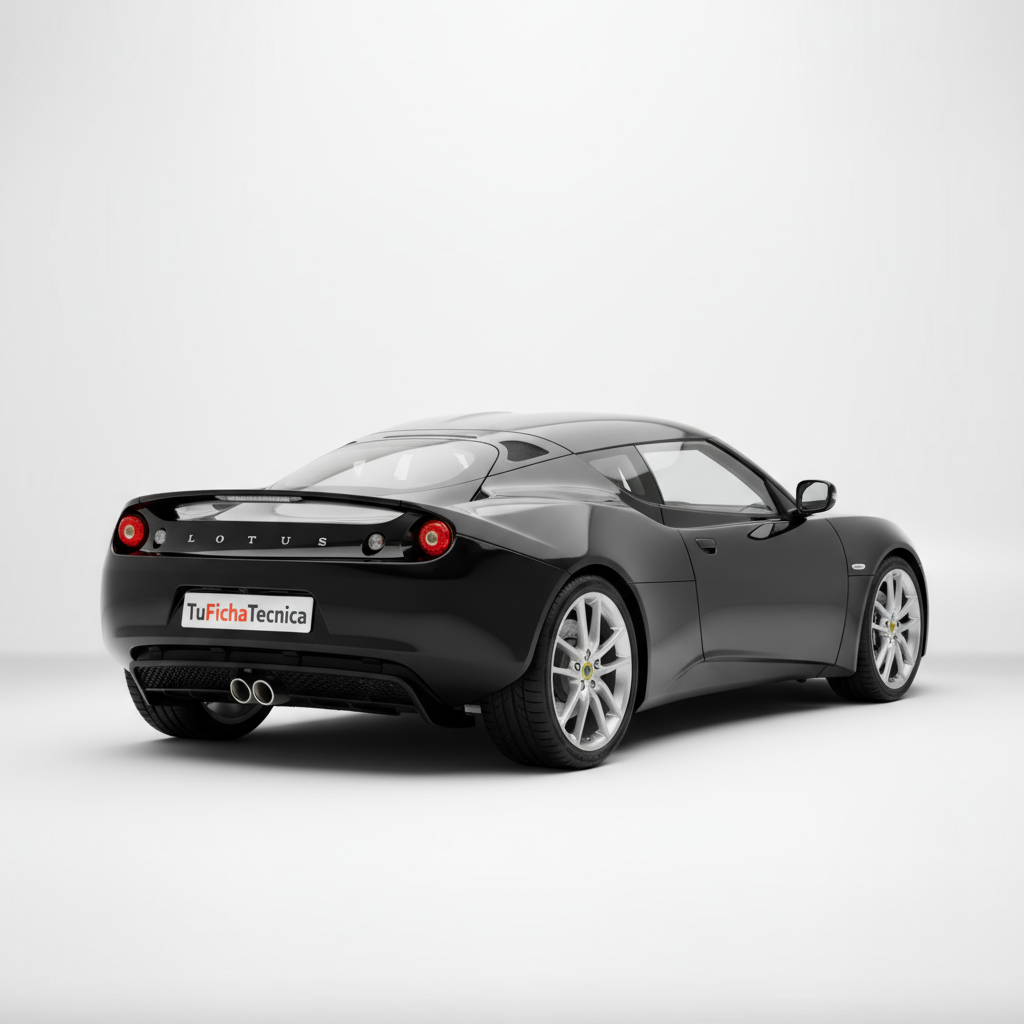
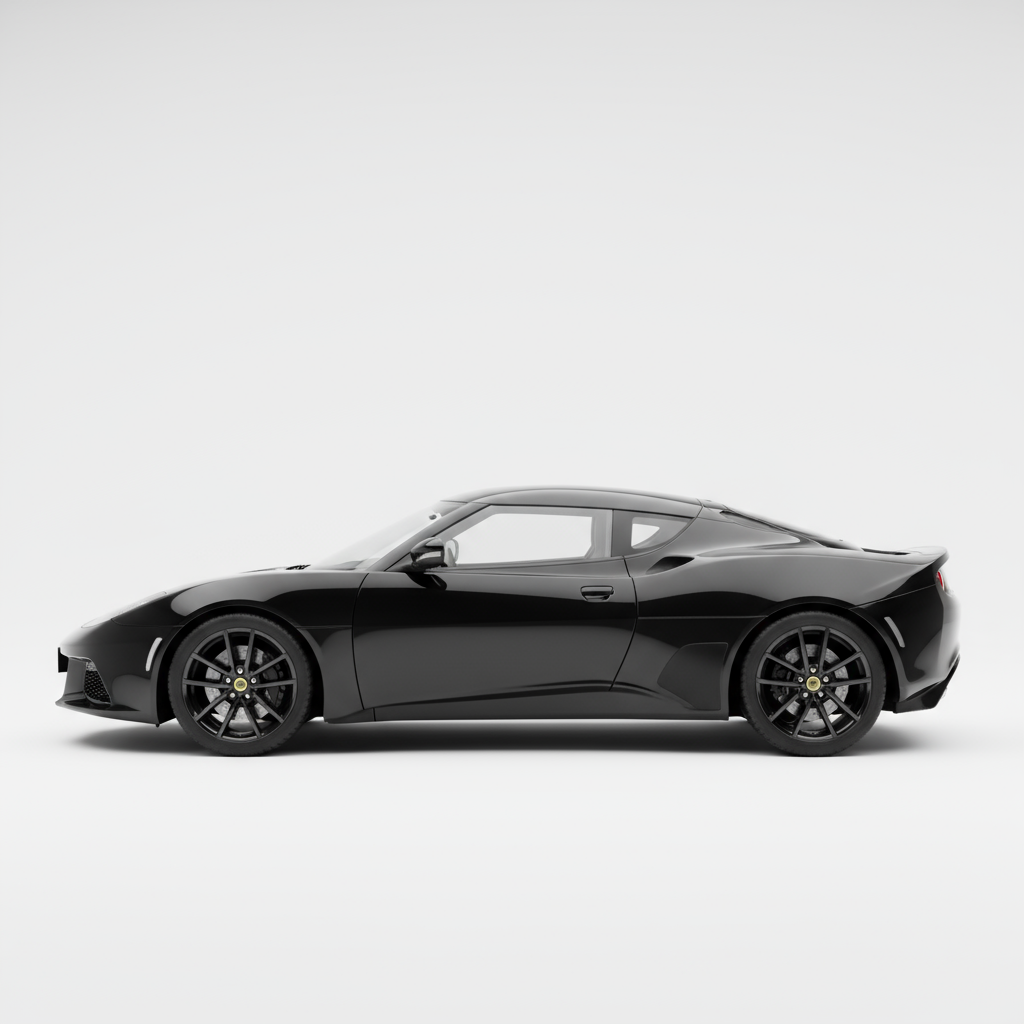
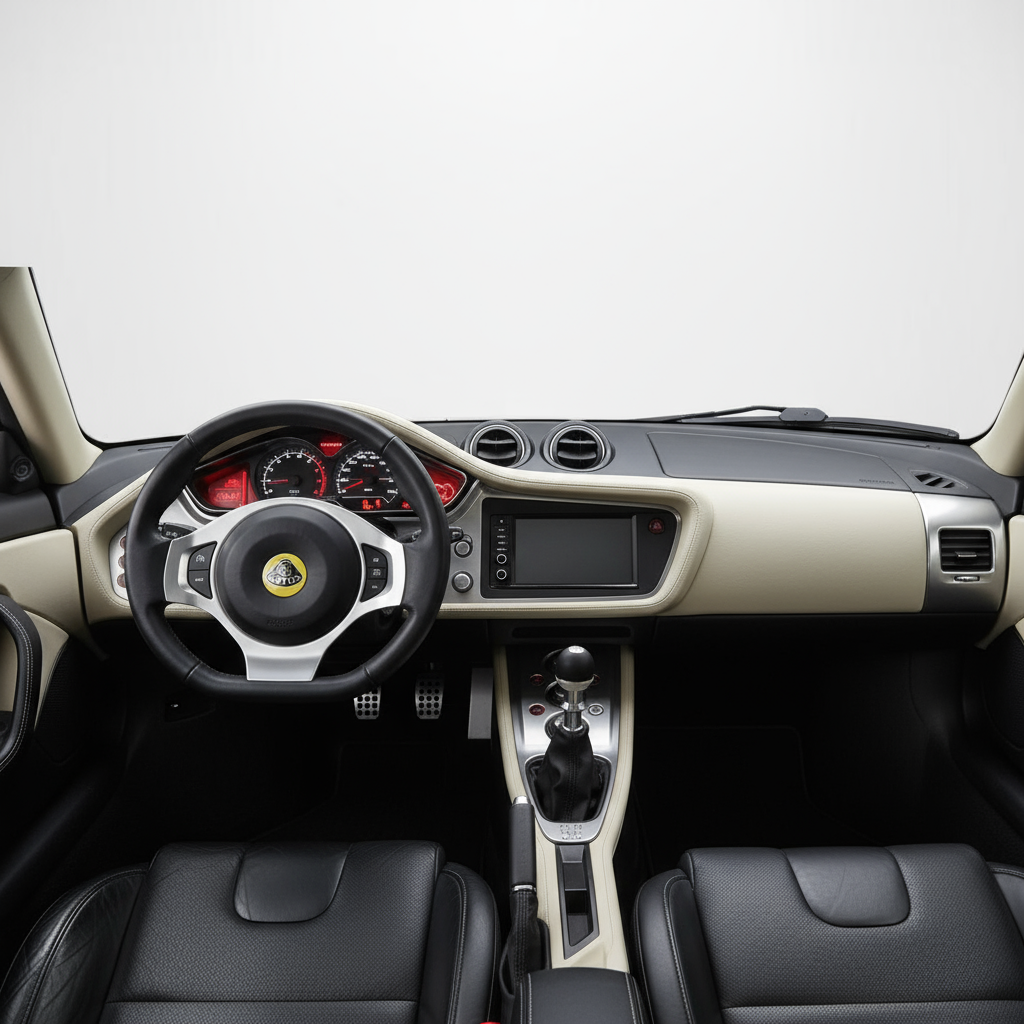
Its silhouette is low, exotic, and spectacularly beautiful. The Evora doesn't scream; it whispers sportiness and elegance from every angle. It's a traffic-stopping design, a functional work of art where aerodynamics shape passion. Inside, the atmosphere is intimate and focused. You won't find superfluous luxuries; every element is driver-oriented, creating a cockpit that embraces you and prepares you for the unique experience you are about to live.
Technology and features
The true technology of the Evora does not lie in touch screens, but in its sublime engineering. Its extruded and bonded aluminum chassis is a marvel of rigidity and lightness. The double-wishbone suspension on both axles, more typical of a racing car, ensures absolute control. The heart of the beast, a reliable Toyota-sourced V6 engine, is proof that British soul can be combined with Japanese sensibility. It is technology at the service of sensation, not entertainment.
Competition
In the ring of mid-engine sports cars, its most direct rival is the Porsche Cayman. While the German offers almost surgical perfection and greater versatility for daily use, the Evora counters with a rawer character, a more visceral connection, and an exclusivity that the Porsche cannot match. It is the eternal struggle between the mind and the heart, between German perfection and the British soul.
Conclusion
The Lotus Evora is a love letter to driving. It is a car for purists, for those who understand that luxury is not in the leather or the gadgets, but in the feel of the steering, the sound of the engine, and the perfect harmony with the road. It is an investment in happiness, an antidote to automotive apathy, and undoubtedly a modern legend that will only be more appreciated over time.