
Especificaciones y análisis del Lotus Evora
Power
280HP
Torque
342Nm
Consumption
8.7l/100
Emissions
205g/km
0-100 km/h
5.1s
Top Speed
261km/h
Weight
1457kg
Price
70,997€
Technical summary
Gasolina
Manual 6v
RWD
2 / 3 doors
- L
60 L
206 kW
Current
Technical specifications
Engine
Capacities
Detailed analysis of the Lotus Evora · 280 CV (2010-2012)
General description
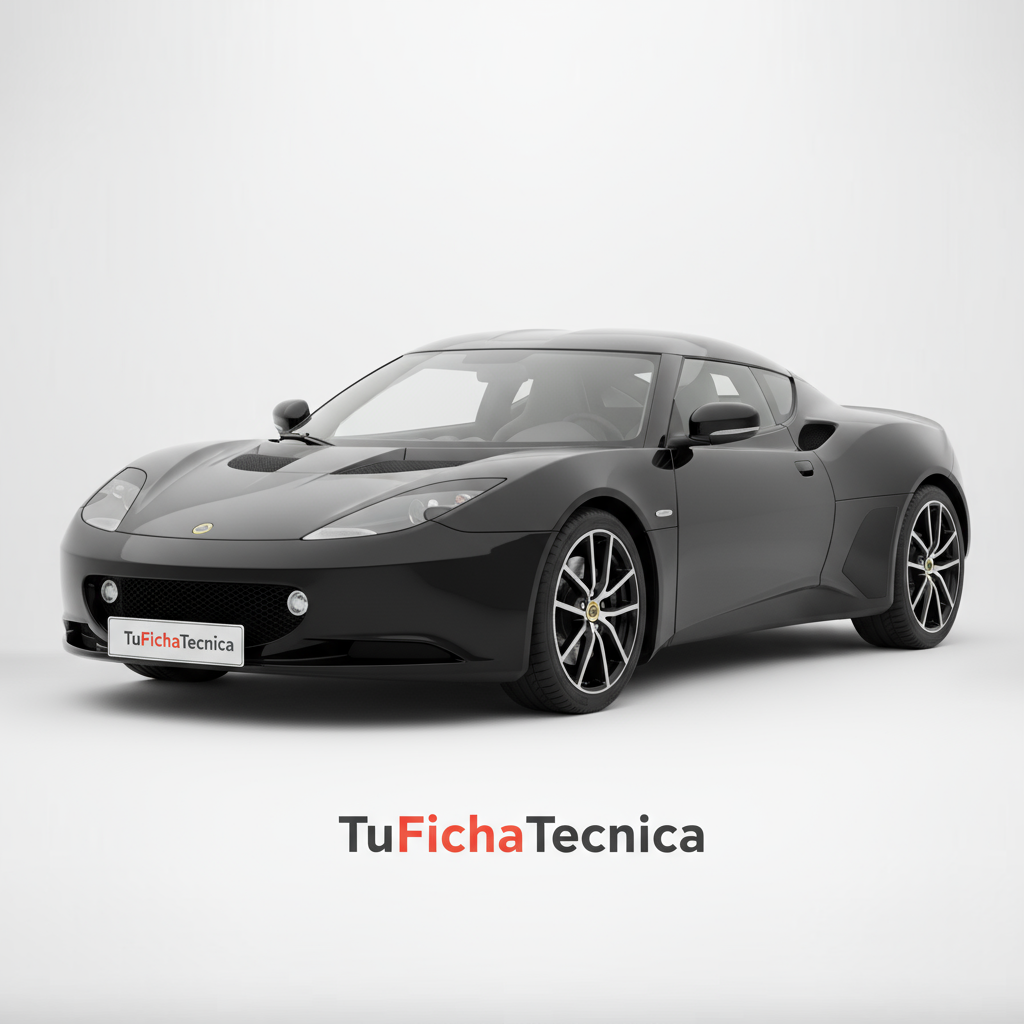
The 2009 Lotus Evora burst onto the automotive scene like a breath of fresh, exotic air. It represents Lotus's vision of a more mature and daily-usable sports car, without sacrificing an iota of the purity and lightness that define the brand. With its 3.5-liter, 280-horsepower V6 engine, the Evora promised to be not just a track car, but an exciting and surprisingly versatile travel companion.
Driving experience
Getting behind the wheel of the Evora is a visceral experience that reconnects you with the essence of driving. The roar of the naturally aspirated V6 engine, located just behind your back, is an addictive soundtrack that pushes you to explore its 6400 rpm. Every shift of its precise 6-speed manual gearbox is a satisfying mechanical act, and the hydraulic steering transmits every texture of the asphalt with crystal-clear fidelity. With a 0 to 100 km/h acceleration in 5.1 seconds and a sublime chassis, you feel the car pivot around you, turning every corner into a dance of precision and absolute control. It's pure emotion, a constant dialogue between the driver, the machine, and the road.
Design and aesthetics
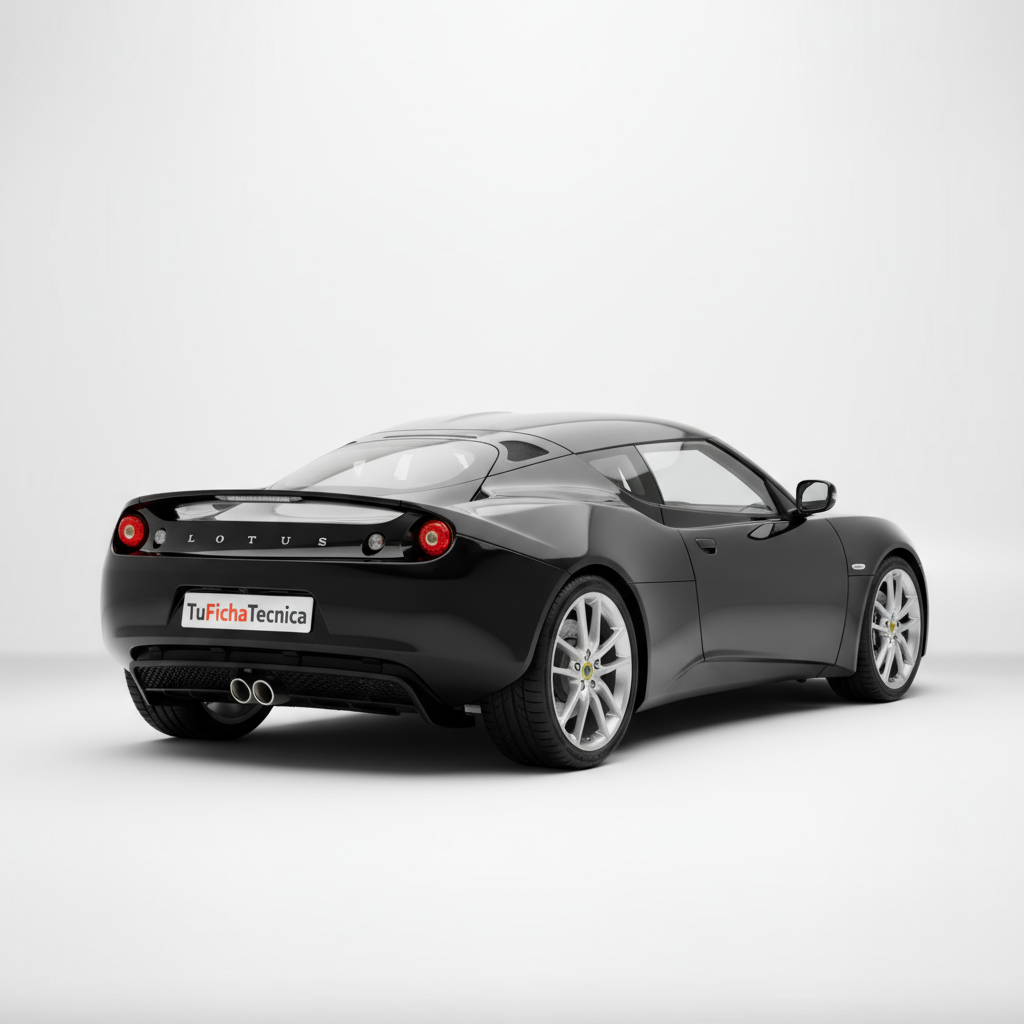
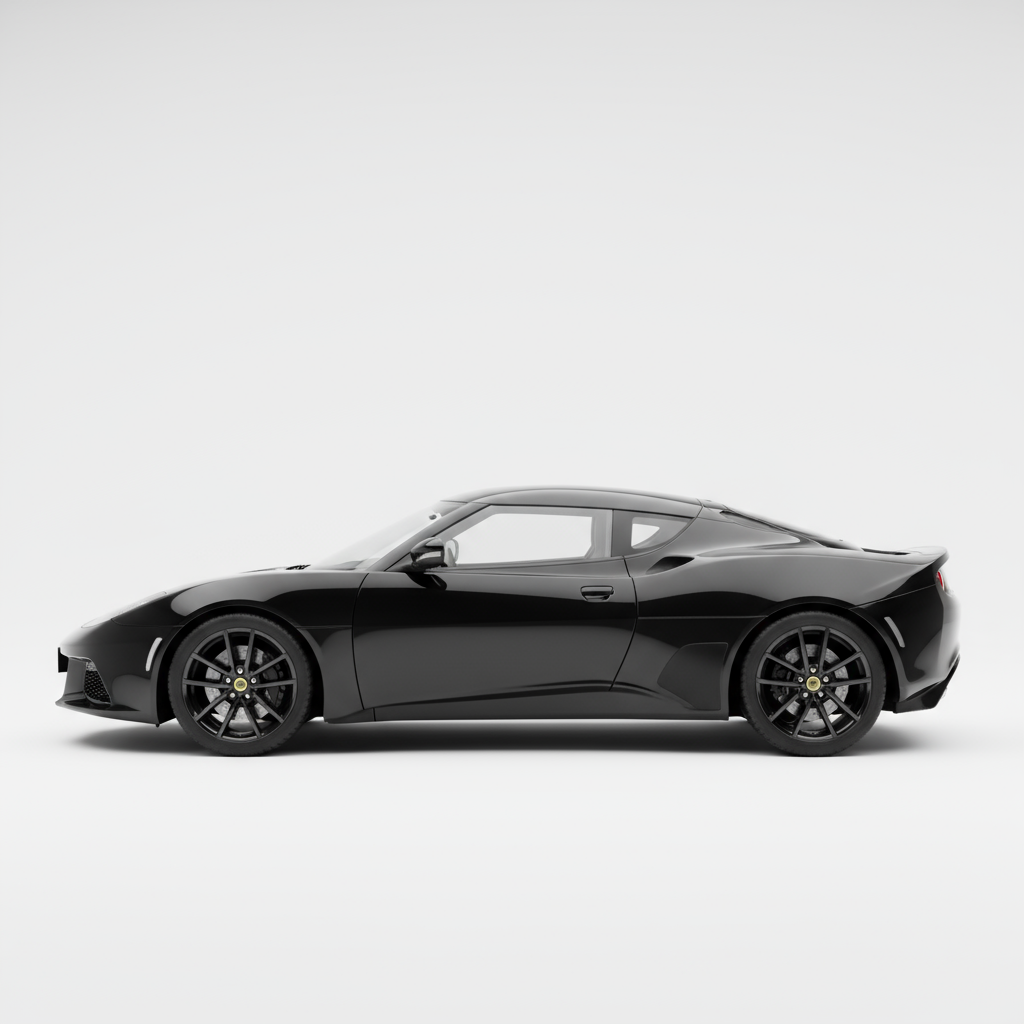
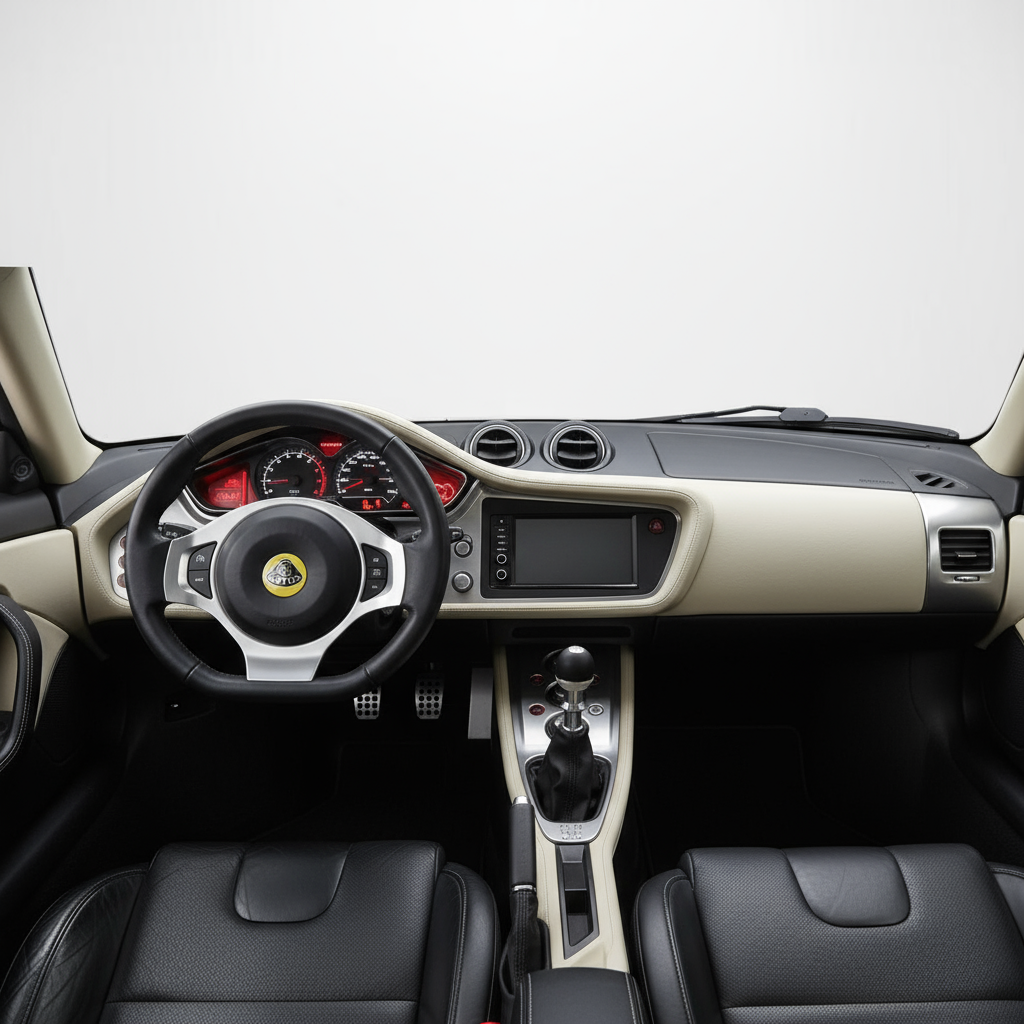
The design of the Lotus Evora is a statement of intent. Its fluid lines and low, sharp profile, at just 1.22 meters high, scream 'exotic sports car' from every angle. The rear mid-engine configuration not only defines its dynamic behavior but also its muscular and balanced silhouette. Inside, the atmosphere is functional and driver-focused. Although it doesn't reach the luxury of some of its German rivals, every element is arranged so as not to distract from what is truly important: the pleasure of driving.
Technology and features
The Evora's true technology lies not in touch screens, but in its brilliant mechanical engineering. Its bonded and riveted aluminum chassis is a masterpiece of lightness and rigidity, the foundation of its legendary agility. The V6 engine, of Toyota origin, is a guarantee of reliability, but has been tuned by Lotus to deliver an energetic response and a sporty character. The double-wishbone suspension on both axles, more typical of a race car, and the powerful ventilated disc brakes ensure extraordinary control and effectiveness in any circumstance.
Competition
At its launch, the Lotus Evora faced a formidable and well-established rival: the Porsche Cayman S. Both shared the philosophy of a mid-engine, rear-wheel drive, and a purist approach to driving. While the Cayman offered a more refined interior and the solidity of German engineering, the Evora countered with greater exclusivity, superior lightness, and a rawer, more direct connection with the driver. Other models like the Nissan 370Z or the Audi TT RS could also be considered alternatives, but none captured the essence of a lightweight, handcrafted sports car like the Evora.
Conclusion
The Lotus Evora is much more than a car; it's an unforgettable experience for anyone who loves to drive. It's proof that an effective and exciting sports car can be created without completely sacrificing usability. Although its price placed it in a competitive territory, its unique character, feline agility, and the purity of its sensations make it an irresistible choice for purists. It's a car that speaks to you, demands from you, and rewards you with a driving satisfaction that very few modern vehicles can match.