

Especificaciones y análisis del Mercedes-Benz Clase A
Power
156HP
Torque
250Nm
Consumption
5.4l/100
Emissions
127g/km
0-100 km/h
8.3s
Top Speed
224km/h
Weight
1395kg
Price
31,957€
Technical summary
Gasolina
Automático 7v
FWD
5 / 5 doors
341 L
50 L
115 kW
Current
Technical specifications
Engine
Capacities
Detailed analysis of the Mercedes-Benz A 200 BlueEFFICIENCY 7G-DCT · 156 CV (2012)
General description
The 2012 Mercedes-Benz A 200 BlueEFFICIENCY 7G-DCT marked a before and after for the brand, radically transforming its compact. From an urban minivan, it became a sporty and elegant hatchback, seeking to conquer a younger and more dynamic audience. With a 156 hp gasoline engine and a dual-clutch automatic transmission, this model promised an exciting and efficient driving experience, all wrapped in the luxury and sophistication that characterize Mercedes-Benz.
Driving experience
Behind the wheel of the A 200, the feeling is one of agility and control. The 156 hp engine, although not the most powerful in the range, offers an energetic and progressive response, especially thanks to the turbo and direct injection. The 7G-DCT gearbox, with its seven speeds and dual clutch, performs shifts quickly and smoothly, contributing to an acceleration from 0 to 100 km/h in 8.3 seconds and a top speed of 224 km/h. The suspension, McPherson type at the front and deformable parallelogram at the rear, along with the stabilizers, provides a remarkable balance between comfort and sportiness, allowing you to enjoy curves with confidence. The electric and speed-sensitive power steering adds precision to the driving experience. The combined consumption of 5.4 l/100km is a plus, demonstrating that efficiency is not at odds with driving pleasure.
Design and aesthetics
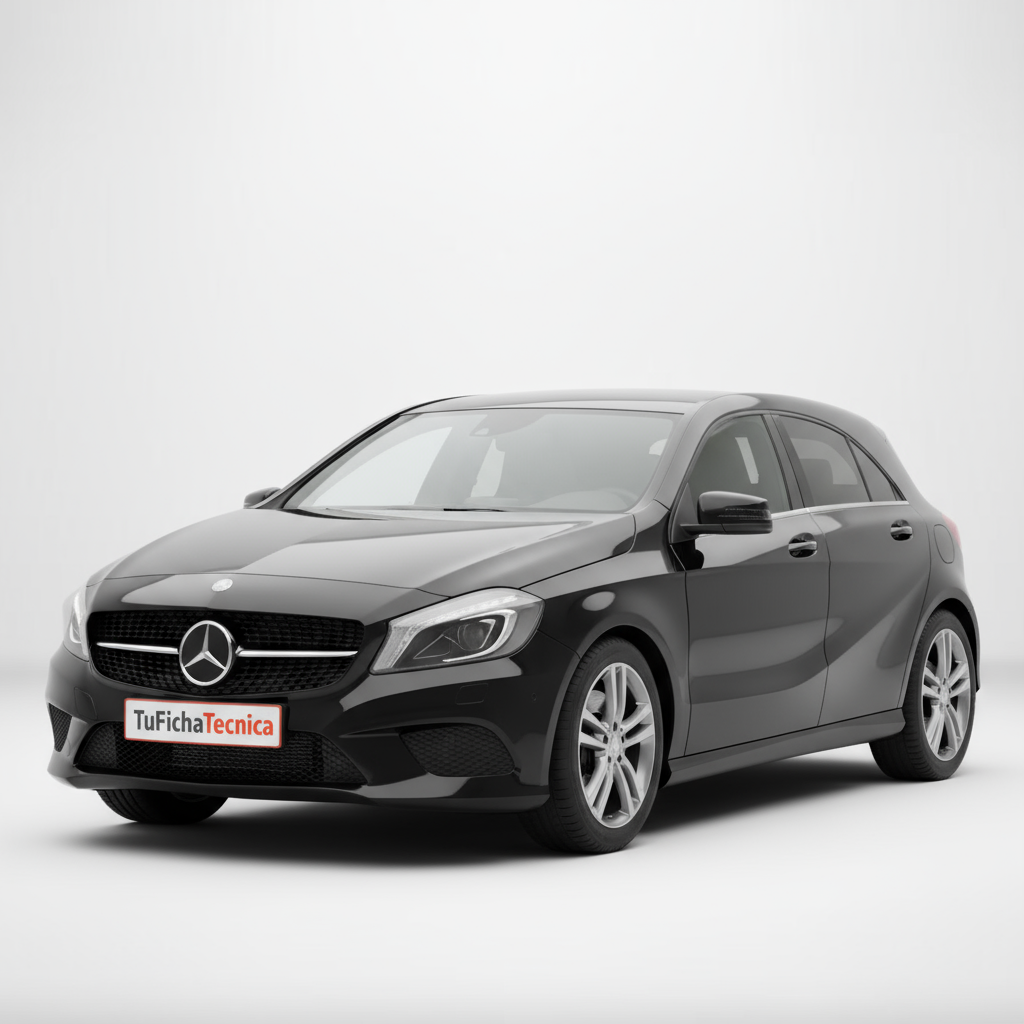
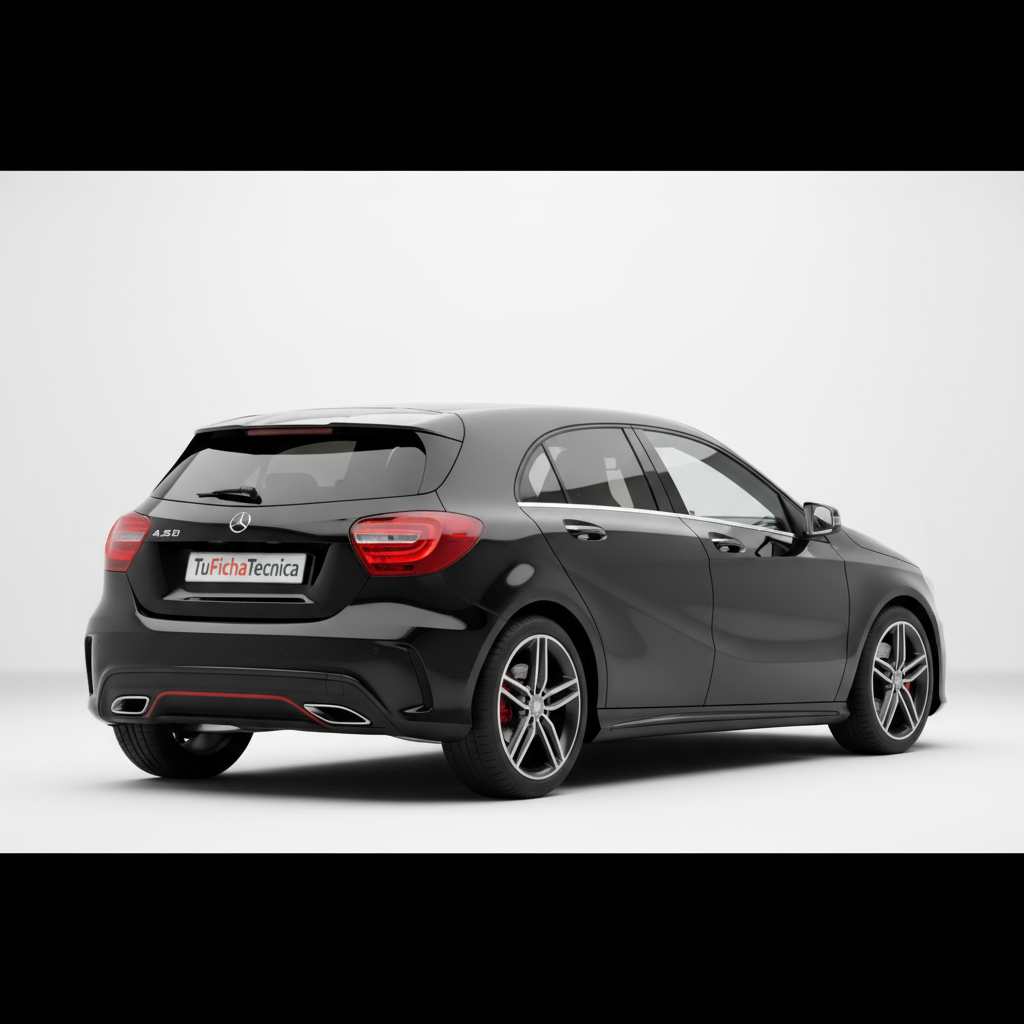
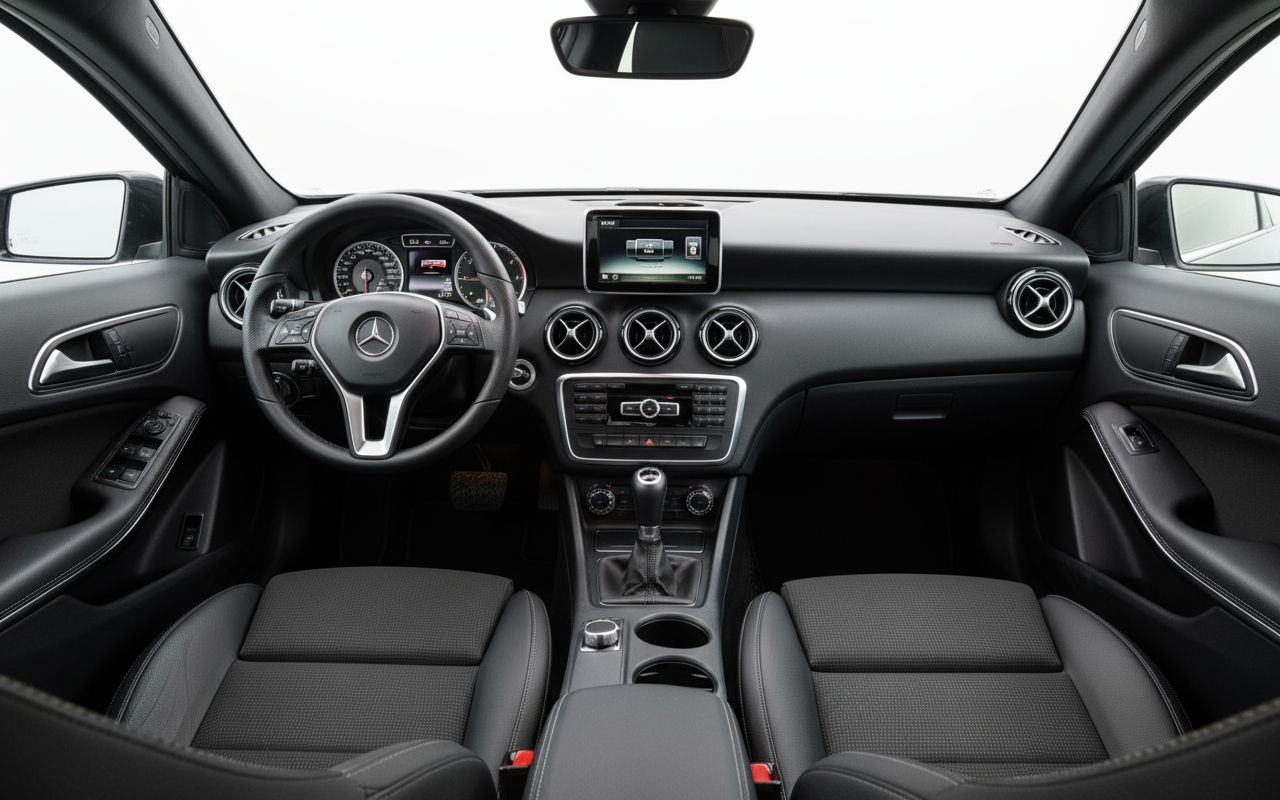
The design of the 2012 Mercedes-Benz A-Class was a true statement of intent. With its 4292 mm length, 1780 mm width, and 1433 mm height, it presented a much lower and more aerodynamic silhouette than its predecessor. The taut and dynamic lines, along with the prominent front grille and sharp headlights, gave it a modern and aggressive image. The interior, although compact, offered a premium atmosphere with quality materials and a careful design, although the 341-liter trunk might be somewhat limited for some needs. The 16-inch wheels with 205/55 R16 tires complemented its sporty aesthetic.
Technology and features
This A-Class incorporated advanced technology for its time. The 1.6-liter gasoline engine, with direct injection, turbo, and intercooler, was an example of efficiency and performance. The 7G-DCT dual-clutch automatic transmission was one of the technological jewels, offering almost imperceptible gear changes. The Stop&Start system contributed to reducing consumption and emissions in urban environments. In terms of safety and comfort, Mercedes-Benz spared no expense, offering electric power steering with speed sensitivity and a well-tuned chassis with ventilated front disc brakes and rear discs, ensuring effective and safe braking.
Competition
In the premium compact segment, the Mercedes-Benz A 200 BlueEFFICIENCY 7G-DCT faced tough competitors such as the Audi A3 Sportback and the BMW 1 Series. The Audi A3 stood out for its quality finishes and overall balance, while the BMW 1 Series offered a sportier driving experience thanks to its rear-wheel drive. The A-Class, with its groundbreaking design and more youthful approach, sought to differentiate itself and attract an audience that valued aesthetics and cutting-edge technology, without giving up the prestige of the star brand.
Conclusion
The 2012 Mercedes-Benz A 200 BlueEFFICIENCY 7G-DCT was a car that knew how to reinvent itself, moving from a more practical concept to a more emotional and sporty one. Its attractive design, efficient engine, and advanced transmission made it a very interesting option within the premium segment. Although the interior space and trunk were not its strongest points, the quality of the materials, technology, and driving experience compensated for these limitations. It was a key model for Mercedes-Benz, opening the door to a new generation of compacts that have achieved great success.