
Especificaciones y análisis del Mitsubishi Carisma
Power
122HP
Torque
174Nm
Consumption
7l/100
Emissions
-g/km
0-100 km/h
10.4s
Top Speed
200km/h
Weight
1235kg
Price
19,993€
Technical summary
Gasolina
Manual 5v
FWD
5 / 4 doors
460 L
60 L
90 kW
Current
Technical specifications
Engine
Capacities
Detailed analysis of the Mitsubishi Carisma 4p 1.8 GDI Comfort · 122 CV (2000-2004)
General description
The 2001 Mitsubishi Carisma, in its 4-door 1.8 GDI Comfort version, is presented as a sedan that sought a balance between functionality and a touch of distinction. With a 122 hp gasoline engine and a 5-speed manual gearbox, this model promised a competent driving experience for everyday use, without great fanfare but with the reliability expected from the Japanese brand at that time. Its design, although discreet, tried to offer a sober and elegant image, suitable for an audience that valued practicality and durability.
Driving experience
Behind the wheel of the Carisma 1.8 GDI, the overall feeling is one of solidity and predictability. The 122 hp engine, with direct injection, offers an adequate response for most situations, allowing acceleration from 0 to 100 km/h in 10.4 seconds and a top speed of 200 km/h. It is not a car that invites sporty driving, but its road behavior is stable and comfortable, thanks in part to a McPherson type front suspension and the presence of anti-roll bars on both axles. The rack-and-pinion steering, although without variable assistance, fulfills its function with precision. The combined consumption of 7 l/100km was reasonable for the time, making it an efficient travel companion.
Design and aesthetics
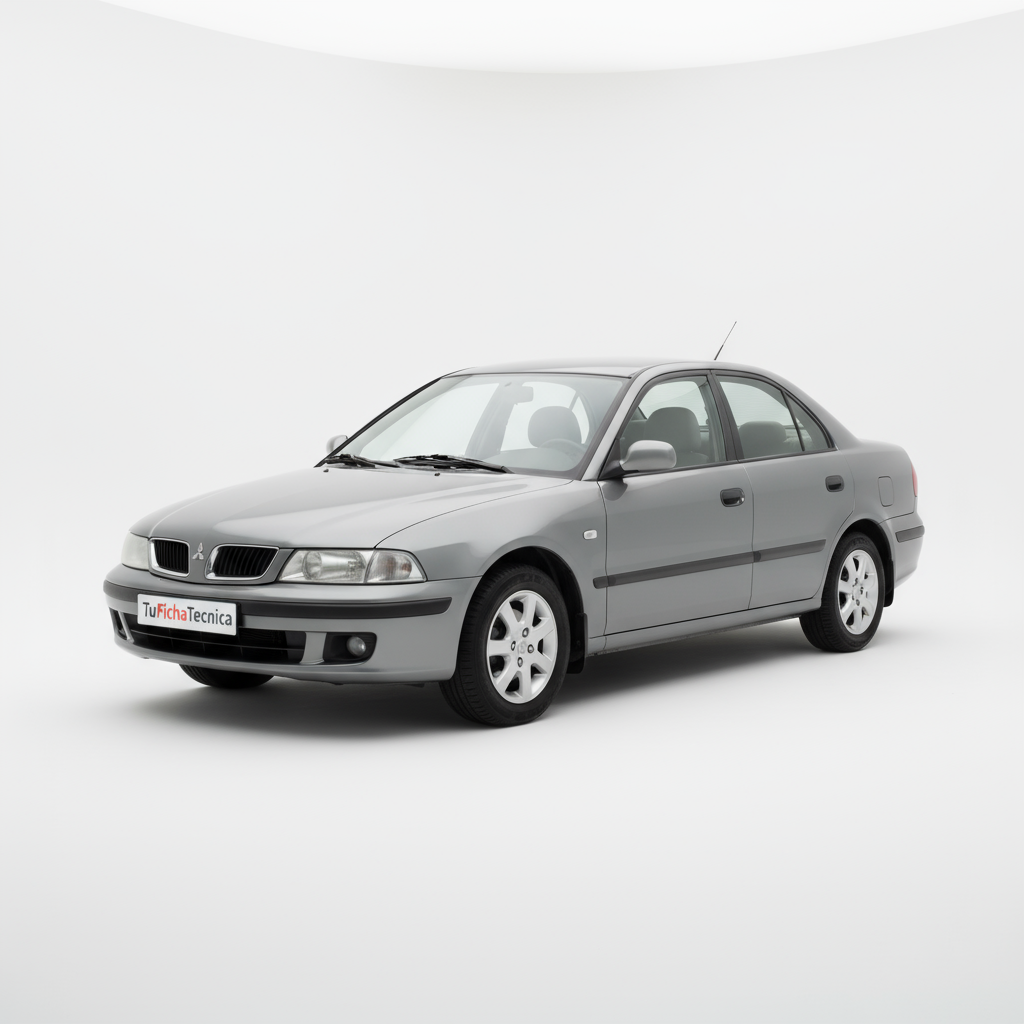
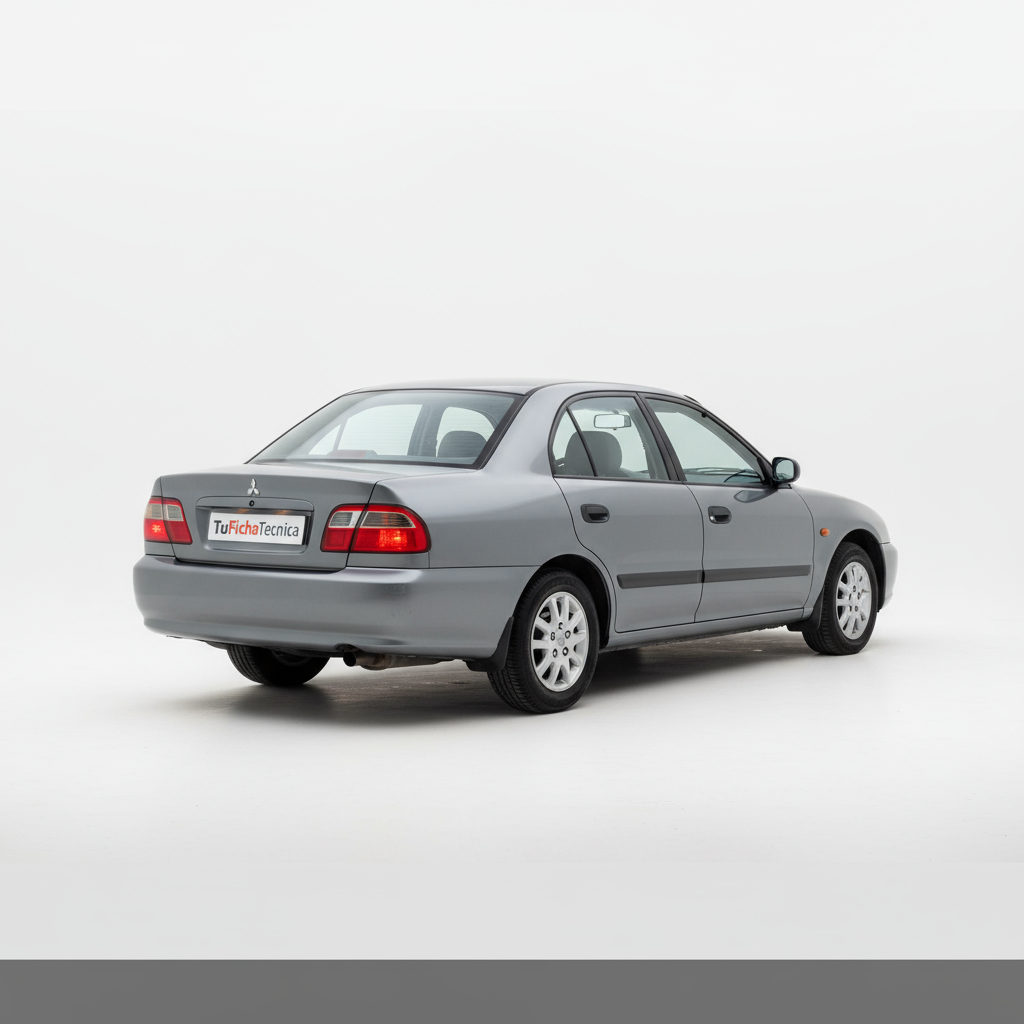
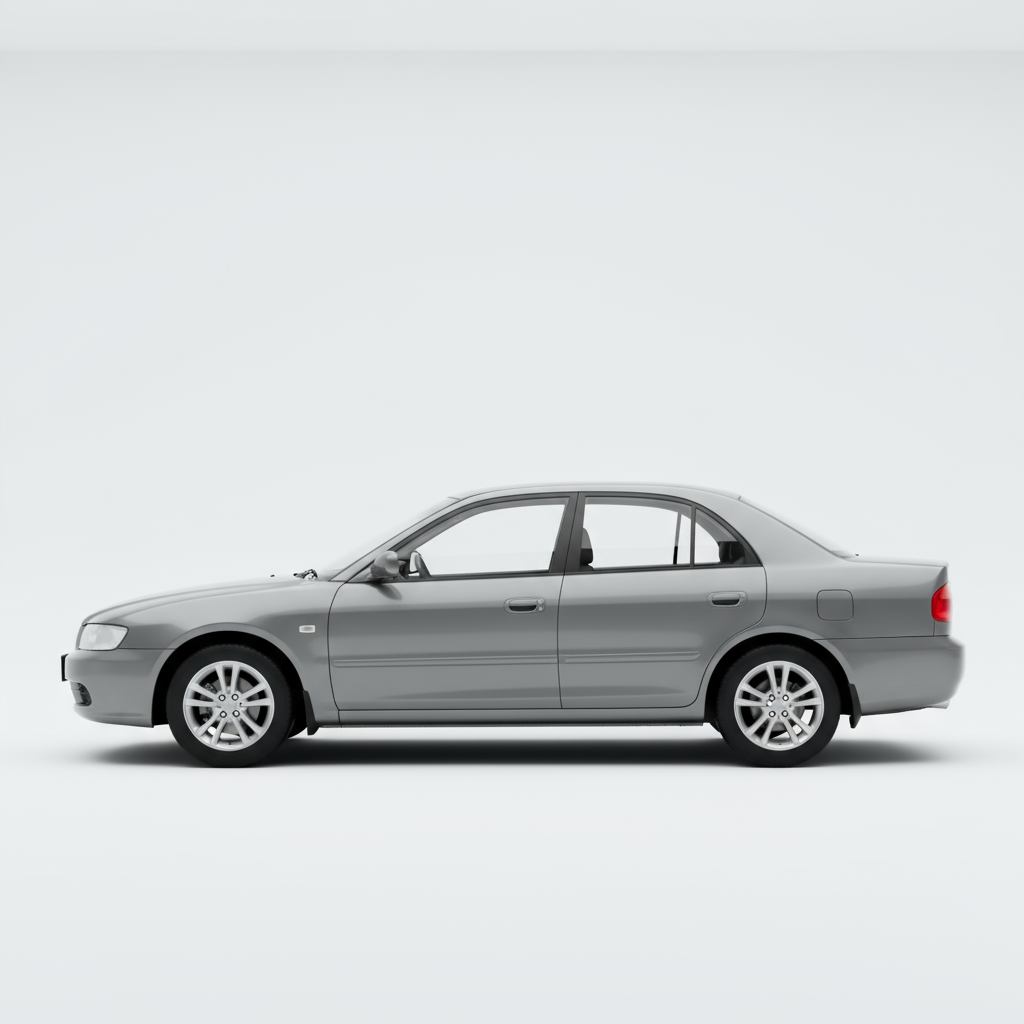
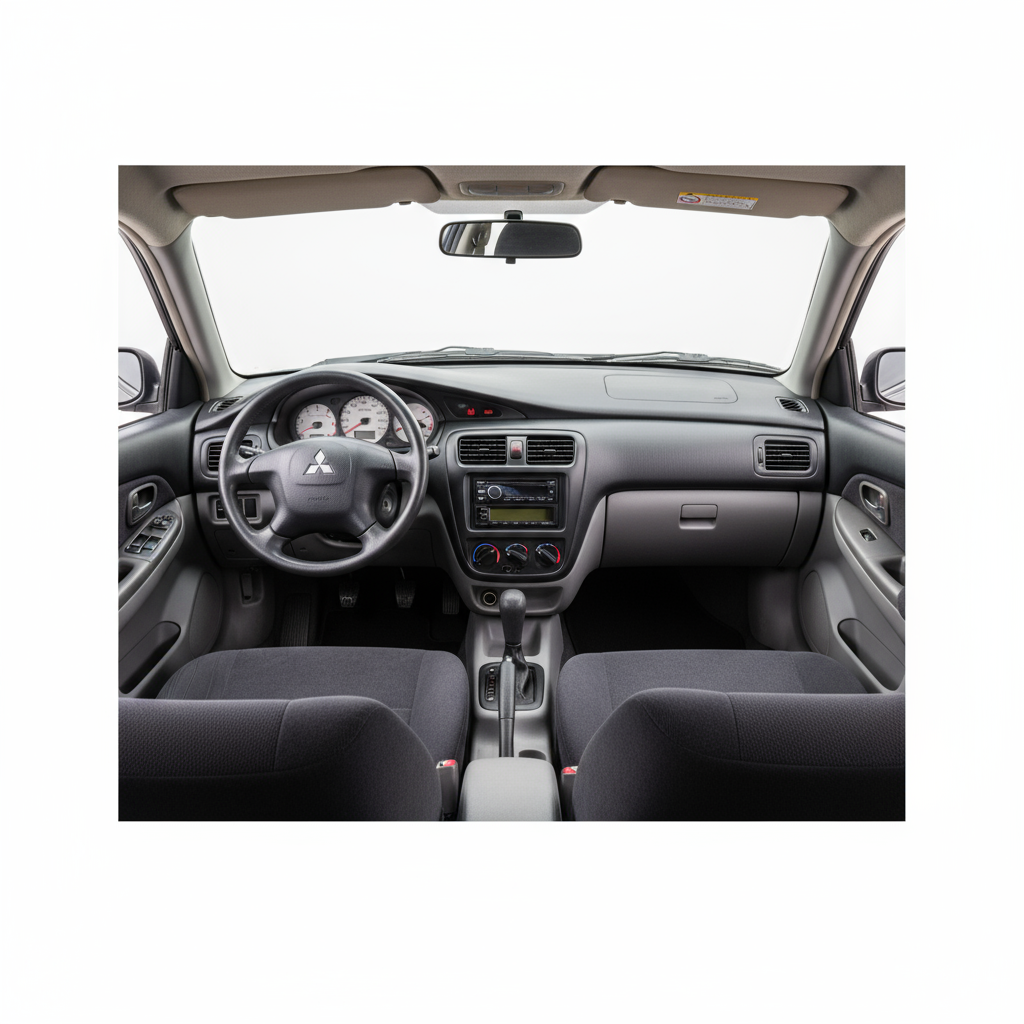
The exterior design of the 2001 Mitsubishi Carisma is a reflection of sobriety and functionality. Its lines are clean and discreet, without elements that seek to attract excessive attention. The 4-door body, with dimensions of 4475 mm long, 1710 mm wide and 1405 mm high, gives it a balanced presence on the road. The 15-inch wheels with 195/60 R15 H tires complement its aesthetics without fanfare. Inside, the Comfort version focused on offering a pleasant and functional environment, with a 460-liter trunk that stood out for its capacity, ideal for family trips or luggage transport.
Technology and features
In the technological section, the 2001 Carisma 1.8 GDI incorporated gasoline direct injection (GDI), an advanced feature for its time that sought to optimize consumption and emissions. The 4-cylinder, 1834 cc engine, with 4 valves per cylinder and a compression ratio of 11.6, demonstrated a good level of engineering. The 5-speed manual transmission was the standard option, offering direct control over engine power. In terms of safety, it had ventilated disc brakes on the front axle and solid discs on the rear, ensuring effective braking. The suspension and steering were designed to offer a balance between comfort and control.
Competition
In its segment, the Mitsubishi Carisma competed with models such as the Opel Vectra, the Ford Mondeo, the Renault Laguna or the Volkswagen Passat. Compared to them, the Carisma offered an alternative with a focus on reliability and efficiency, especially with its GDI technology. Although it perhaps did not stand out for such an emotional design or such luxurious equipment as some of its European rivals, its value proposition focused on durability and contained maintenance costs, which made it attractive to an audience looking for a practical and uncomplicated car.
Conclusion
The 2001 Mitsubishi Carisma 1.8 GDI Comfort is a car that, without being an icon, more than fulfilled its purpose. It offered a combination of mechanical reliability, reasonable consumption and generous interior space, all wrapped in a discreet but functional design. It was a sensible option for those looking for a competent sedan for everyday use, with the peace of mind offered by Japanese engineering. Its legacy is that of an honest car, which prioritized functionality and durability over fleeting fashions, leaving a mark of satisfaction on its owners.