
Especificaciones y análisis del Mitsubishi Carisma
Power
116HP
Torque
265Nm
Consumption
5.5l/100
Emissions
-g/km
0-100 km/h
10.4s
Top Speed
195km/h
Weight
1310kg
Price
21,466€
Technical summary
Gasóleo
Manual 5v
FWD
5 / 4 doors
460 L
60 L
85 kW
Current
Technical specifications
Engine
Capacities
Detailed analysis of the Mitsubishi Carisma 4p 1.9 DI-D Avance · 116 CV (2001-2004)
General description
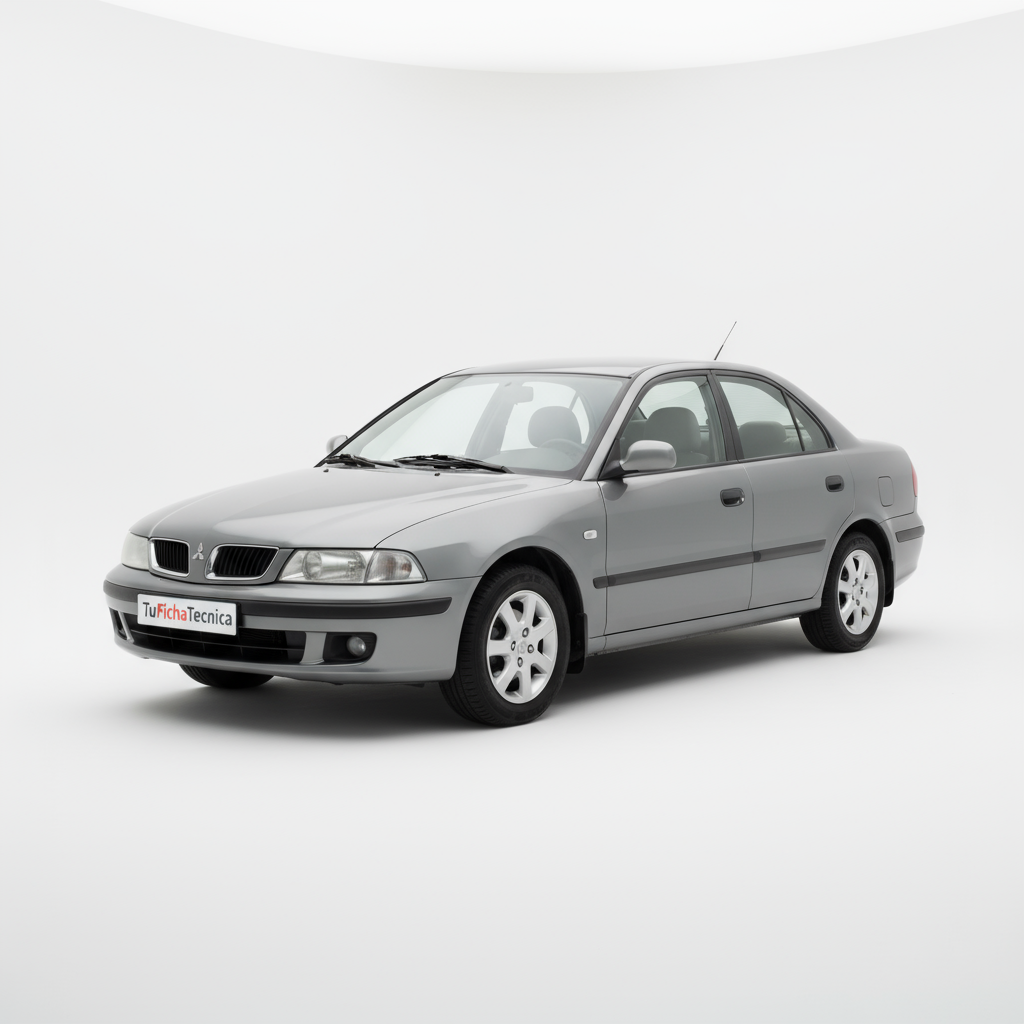
The 2001 Mitsubishi Carisma 4-door 1.9 DI-D Avance is a sedan that, despite its name, sought to win the hearts of European drivers with a balanced and functional proposition. This model, manufactured at the NedCar plant in the Netherlands, shared a platform with the Volvo S40/V40, giving it a solid and reliable base. With its 116 hp diesel engine, it presented itself as a sensible option for those looking for a family car with moderate consumption and adequate performance for everyday use.
Driving experience
Behind the wheel of the Carisma 1.9 DI-D, the predominant feeling is that of an honest and predictable car. The diesel engine, although not an outpouring of power, delivers its 116 hp linearly and with a torque of 265 Nm available from low revolutions (1800 rpm), which facilitates overtaking and highway driving. Acceleration from 0 to 100 km/h in 10.4 seconds and a top speed of 195 km/h are respectable figures for its time and segment. The McPherson-type front suspension offers a good compromise between comfort and stability, absorbing road irregularities without sacrificing confidence in curves. The rack-and-pinion steering is precise and transmits enough information to the driver. In general, the Carisma feels poised and safe, without great sporting pretensions, but more than fulfilling its role in daily driving and long journeys.
Design and aesthetics
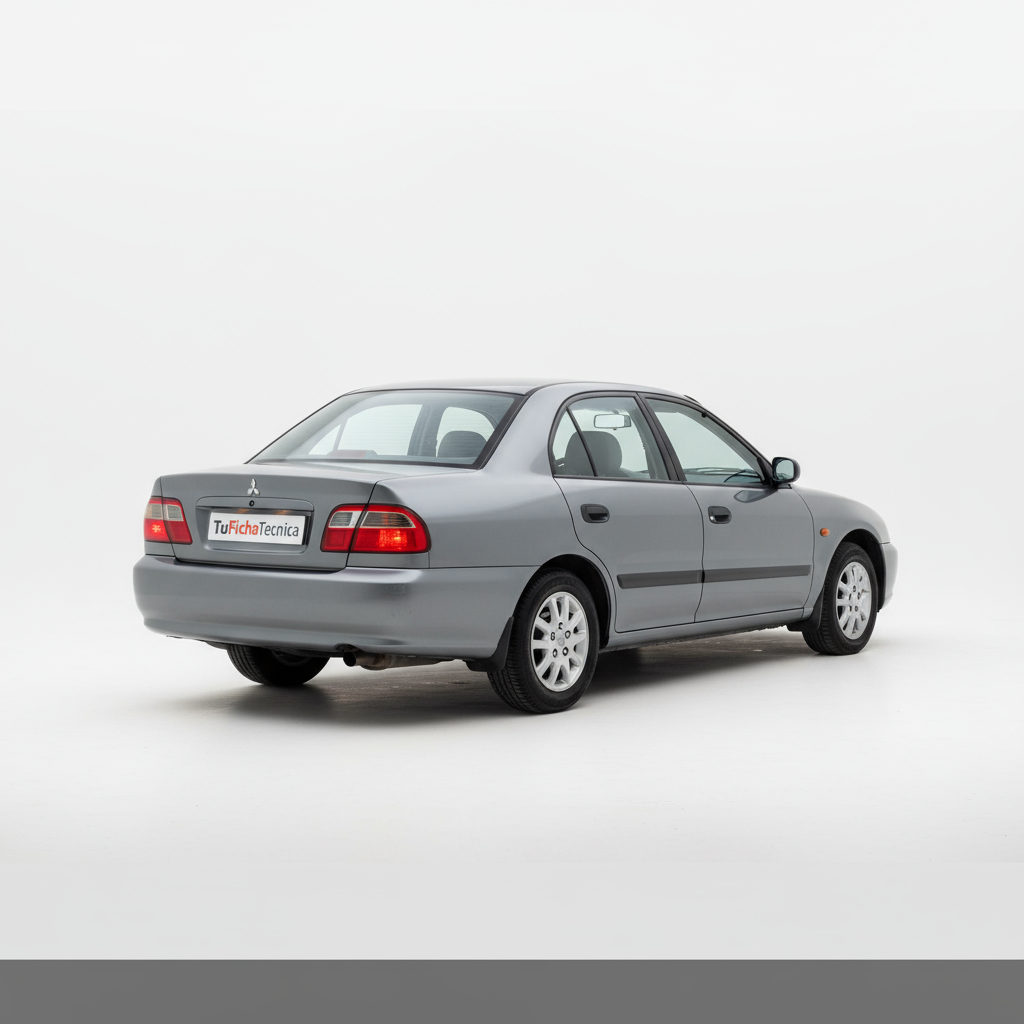
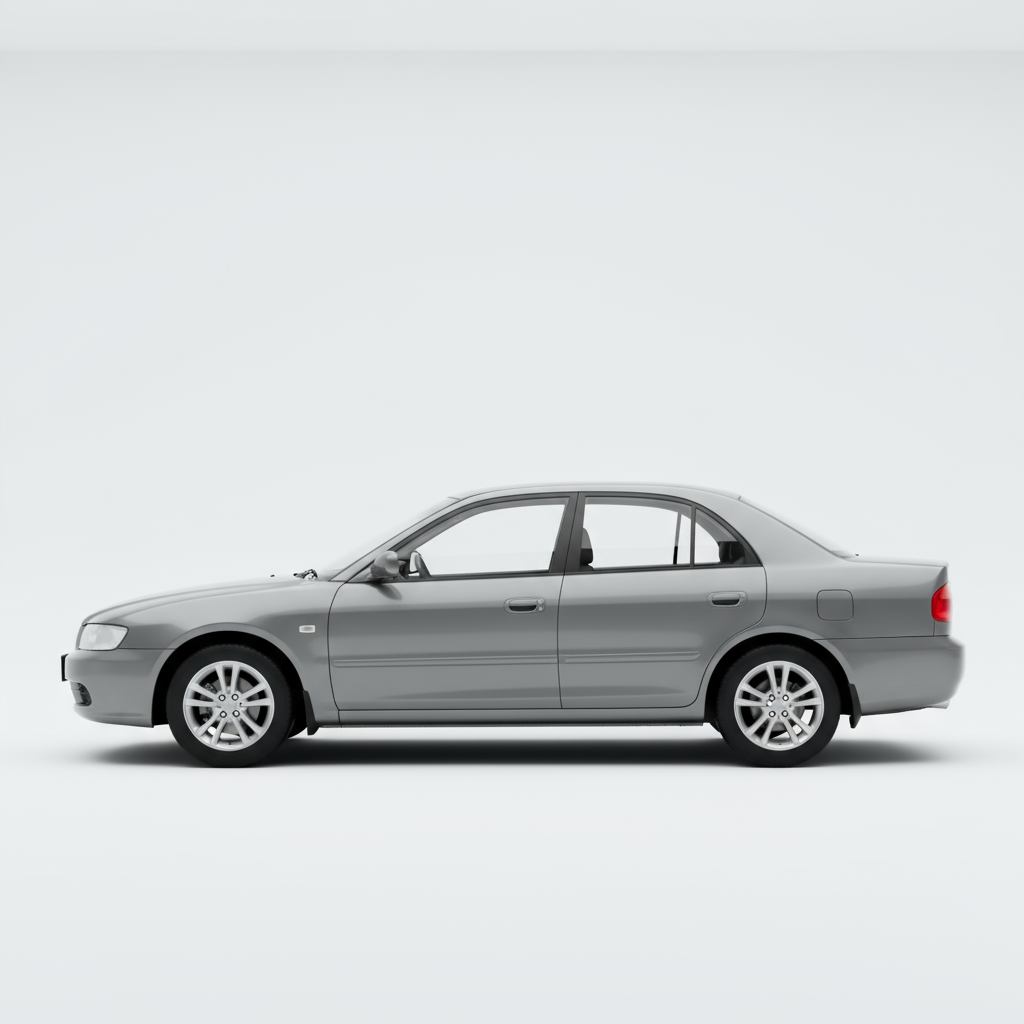
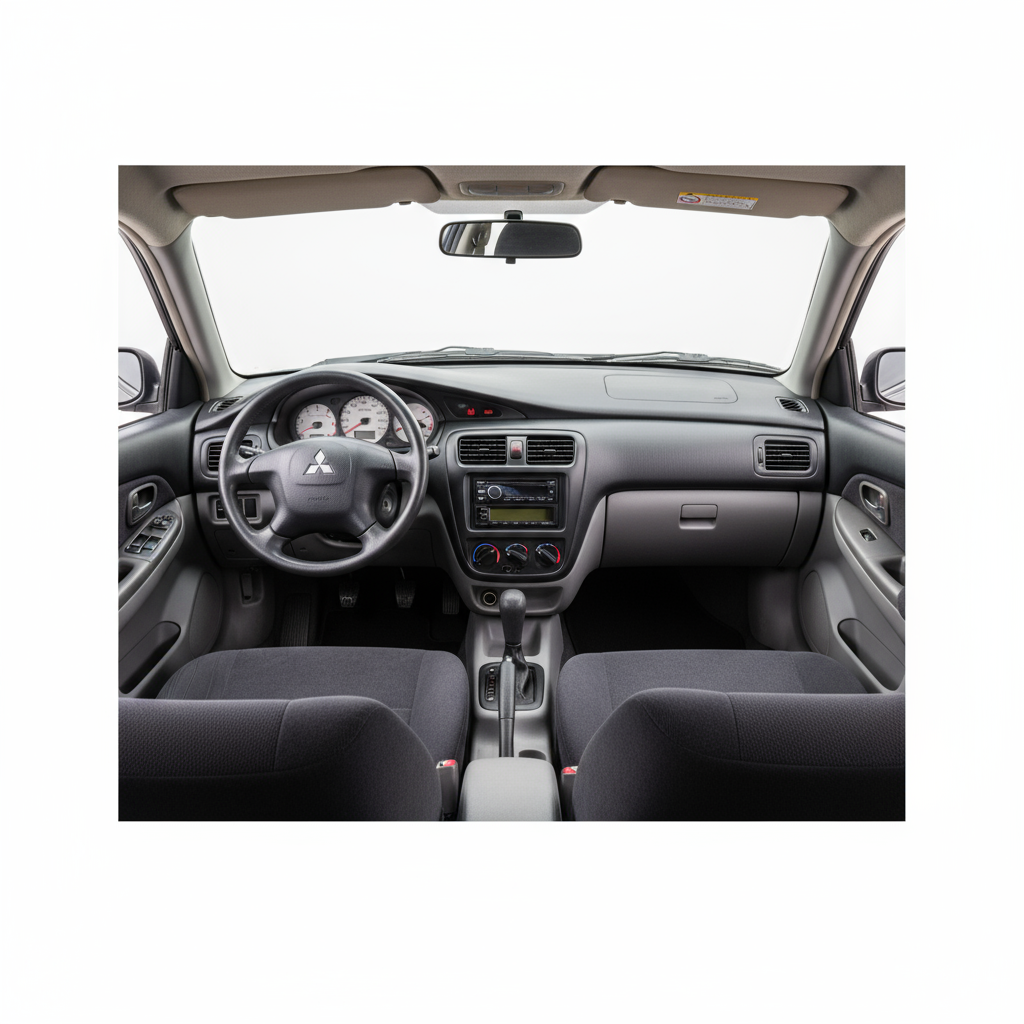
The design of the 2001 Mitsubishi Carisma is sober and functional, without great aesthetic flourishes. Its lines are clean and timeless, prioritizing practicality over extravagance. The 4-door body offers a classic sedan silhouette, with a front that discreetly integrates the headlights and a simple grille. Its dimensions (4475 mm long, 1710 mm wide, and 1405 mm high) place it in the mid-size sedan segment, offering a good balance between habitability and maneuverability. The interior, although not notable for luxurious materials, is ergonomic and well-organized, with controls within reach of the driver. The trunk, with a capacity of 460 liters, is spacious and very useful for a family's needs.
Technology and features
In terms of technology, the 2001 Mitsubishi Carisma 1.9 DI-D Avance incorporated what was expected of a car in its segment at that time. Its 1870 cc diesel engine with common rail direct injection, variable geometry turbo, and intercooler was a testament to the engineering of the era to optimize performance and consumption. The 5-speed manual transmission was the standard option, offering direct control over power delivery. In terms of safety, it featured ventilated disc brakes on the front axle and discs on the rear, as well as anti-roll bars on both axles to improve driving dynamics. Although it did not have the advanced driving aids of today, its equipment was sufficient to offer a safe and comfortable driving experience.
Competition
In the competitive mid-size sedan segment of the early 2000s, the Mitsubishi Carisma 1.9 DI-D Avance faced tough rivals. Among them, models such as the Volkswagen Passat, Ford Mondeo, Opel Vectra, Renault Laguna, and Peugeot 406 stood out. Each of them offered its own virtues, whether in design, equipment, or performance. The Carisma positioned itself as a reliable and economical alternative, with a good balance between comfort and efficiency, although perhaps without the charisma (no pun intended) or prestige of some of its European competitors. Its value for money and its efficient diesel engine were its main assets to attract buyers.
Conclusion
The 2001 Mitsubishi Carisma 4-door 1.9 DI-D Avance is a car that, without being an icon, fulfilled its mission of offering reliable, economical, and spacious transportation. Its discreet design, efficient diesel engine, and predictable behavior made it a very sensible option for families or for those looking for a vehicle for long journeys. Although it did not stand out for its excitement or luxury, its practicality and proven reliability made it a worthy travel companion. It is a car that represents Japanese engineering of the time, focused on durability and efficiency, and which even today can be an interesting option in the used car market for those who value functionality above all else.