

Especificaciones y análisis del Mitsubishi Galant
Power
163HP
Torque
223Nm
Consumption
9.5l/100
Emissions
-g/km
0-100 km/h
9.6s
Top Speed
215km/h
Weight
1310kg
Price
28,236€
Technical summary
Gasolina
Automático 4v
FWD
5 / 4 doors
470 L
64 L
120 kW
Current
Technical specifications
Engine
Capacities
Detailed analysis of the Mitsubishi Galant 2.5 V6-24 A/T Sports Mode · 163 CV (1996-2001)
General description
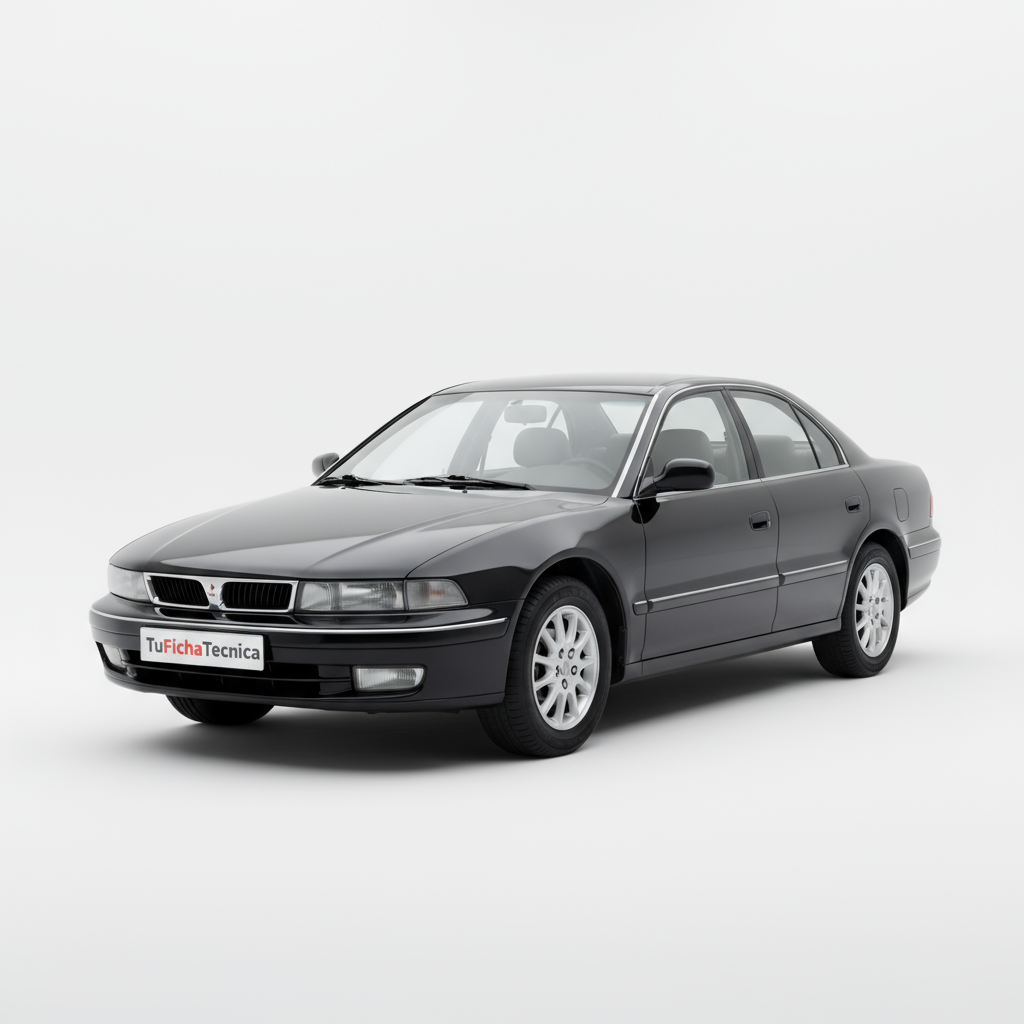
The 1996 Mitsubishi Galant 2.5 V6-24 A/T Sports Mode is a sedan that, at the time, represented the Japanese brand's commitment to sportiness and comfort. With a V6 engine and an automatic transmission, this model sought to offer a refined and powerful driving experience, standing out in a competitive segment for its balance between performance and elegance. Its design, though discreet, hid a vibrant heart and engineering designed for driving enjoyment.
Driving experience
Driving the Galant 2.5 V6-24 A/T Sports Mode is an experience that evokes a sense of smoothness and contained power. The 163 hp V6 engine delivers its force linearly and without harshness, accompanied by the comfort of a four-speed automatic transmission that, although not the fastest, performs its function competently. The suspension, with a deformable parallelogram on both axles, filters road irregularities with nobility, offering a good compromise between comfort and stability. In curves, it feels planted, conveying confidence, though without the agility of a pure sports car. It is a car for enjoying long journeys, where silence and comfort are protagonists, allowing you to devour miles with a pleasant sense of control and well-being.
Design and aesthetics
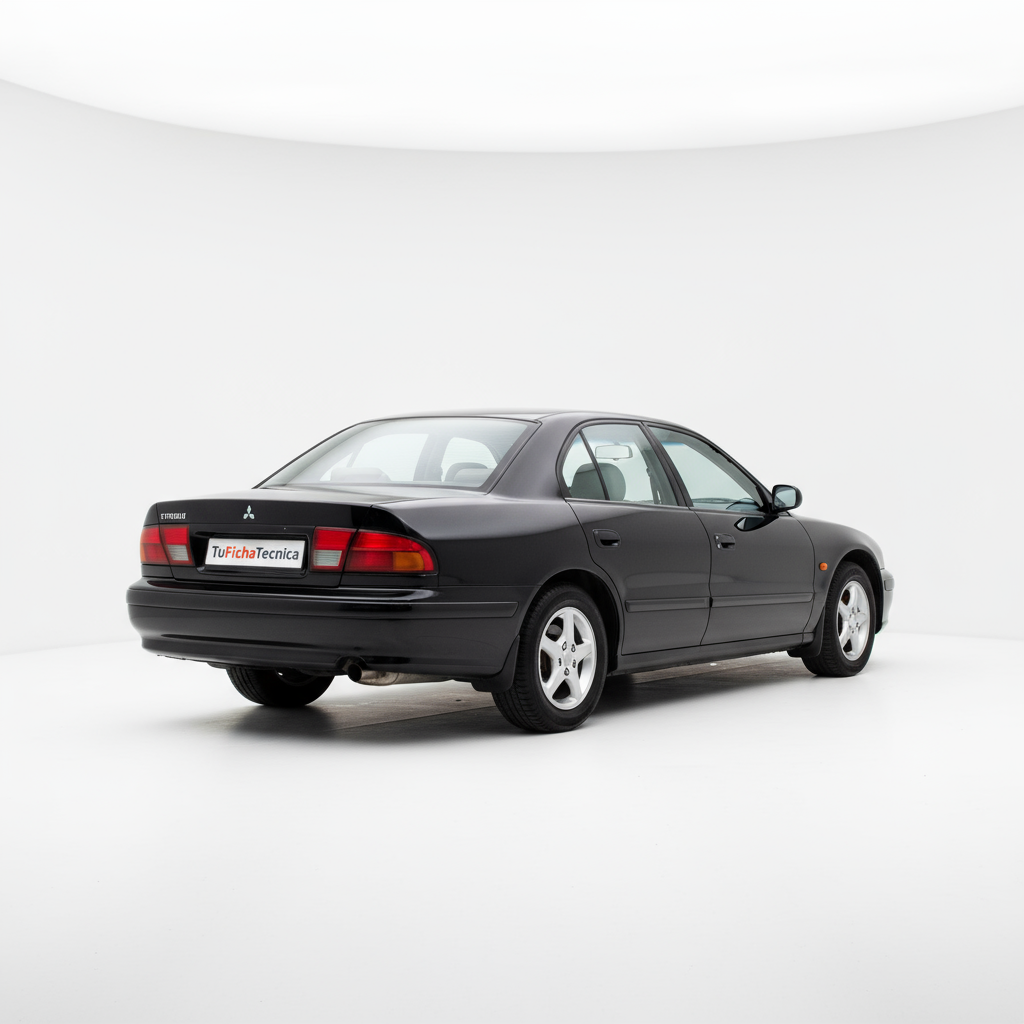
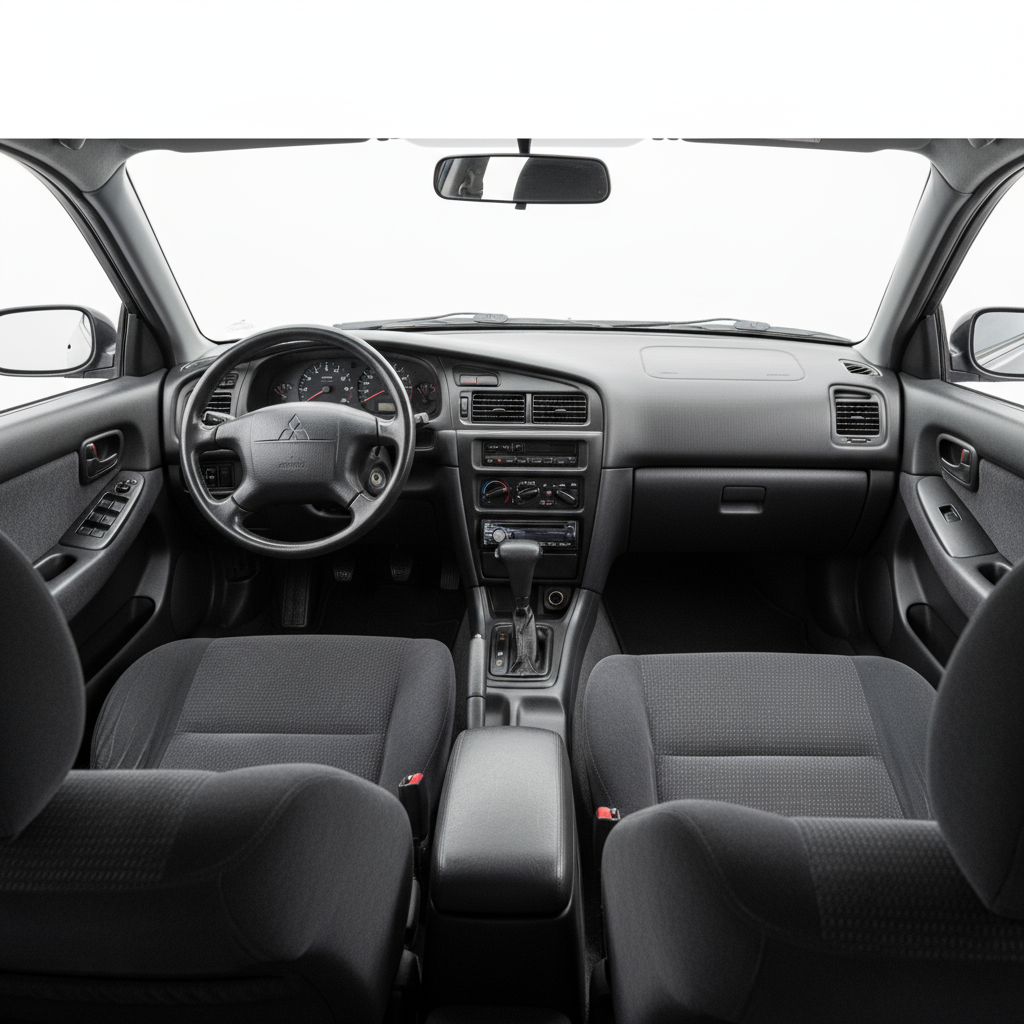
The design of the 1996 Mitsubishi Galant is a reflection of the automotive aesthetic of the era, with lines that seek a balance between elegance and subtle sportiness. Its four-door body features an aerodynamic silhouette, with a front end that integrates elongated headlights and a discreet grille. The proportions are harmonious, with a length of 4630 mm and a width of 1740 mm that give it a solid presence on the road. The 15-inch wheels, with 205/60 R15 tires, complement its image without excess. Inside, functionality takes precedence over ostentation, with a spacious and well-finished cabin, where materials and ergonomics are designed for the comfort of the occupants. It is a design that, without being revolutionary, has aged with dignity, maintaining a classic and timeless appeal.
Technology and features
In 1996, the Mitsubishi Galant 2.5 V6-24 A/T Sports Mode incorporated advanced technology for its segment. Its 2,498 cc V6 engine, with 24 valves and indirect injection, was an example of Japanese engineering, offering 163 hp of power at 5750 rpm and a torque of 223 Nm at 4500 rpm. The four-speed automatic transmission, although it may seem limited today, provided a smooth and relaxed drive. As for the suspension, the use of a deformable parallelogram scheme on both the front and rear axles, along with stabilizer bars, ensured balanced dynamic behavior. Ventilated front disc brakes and rear discs ensured adequate braking capability. Although it lacked modern electronic aids, its mechanical technology met the expectations of the time, offering reliable performance and a gratifying driving experience.
Competition
In its time, the Mitsubishi Galant 2.5 V6-24 A/T Sports Mode faced tough competition in the mid-to-high sedan segment. Its main rivals included models such as the Honda Accord, Toyota Camry, Nissan Primera, and also European options such as the Volkswagen Passat or the Opel Vectra. Each of them offered their own virtues, whether in terms of design, equipment, or driving dynamics. The Galant distinguished itself by its V6 engine, which gave it a more refined and powerful character than many of its four-cylinder competitors, and by its focus on comfort and smooth ride, seeking a customer who valued discretion and ride quality above ostentation.
Conclusion
The 1996 Mitsubishi Galant 2.5 V6-24 A/T Sports Mode is a car that, despite the passage of time, retains a particular charm. It represents an era when Japanese sedans offered a very attractive combination of reliability, comfort, and a touch of sportiness. Its V6 engine is a gem that provides a smooth and powerful driving experience, ideal for those looking for a car for peaceful travel and enjoying the road. Although its combined consumption of 9.5 l/100km may seem high today, it was a reasonable value for a V6 automatic in its category. It is a car that, well maintained, can continue to offer much satisfaction to its owners, a testament to late 20th-century Japanese engineering.