
Especificaciones y análisis del Mitsubishi i-MiEV
Power
67HP
Torque
180Nm
Consumption
-l/100
Emissions
-g/km
0-100 km/h
15.9s
Top Speed
130km/h
Weight
1185kg
Price
23,990€
Technical summary
Eléctrico
Automático 1v
RWD
4 / 5 doors
166 L
- L
49 kW
Current
Technical specifications
Engine
Capacities
Detailed analysis of the Mitsubishi i-MiEV · 67 CV (2012-2014)
General description
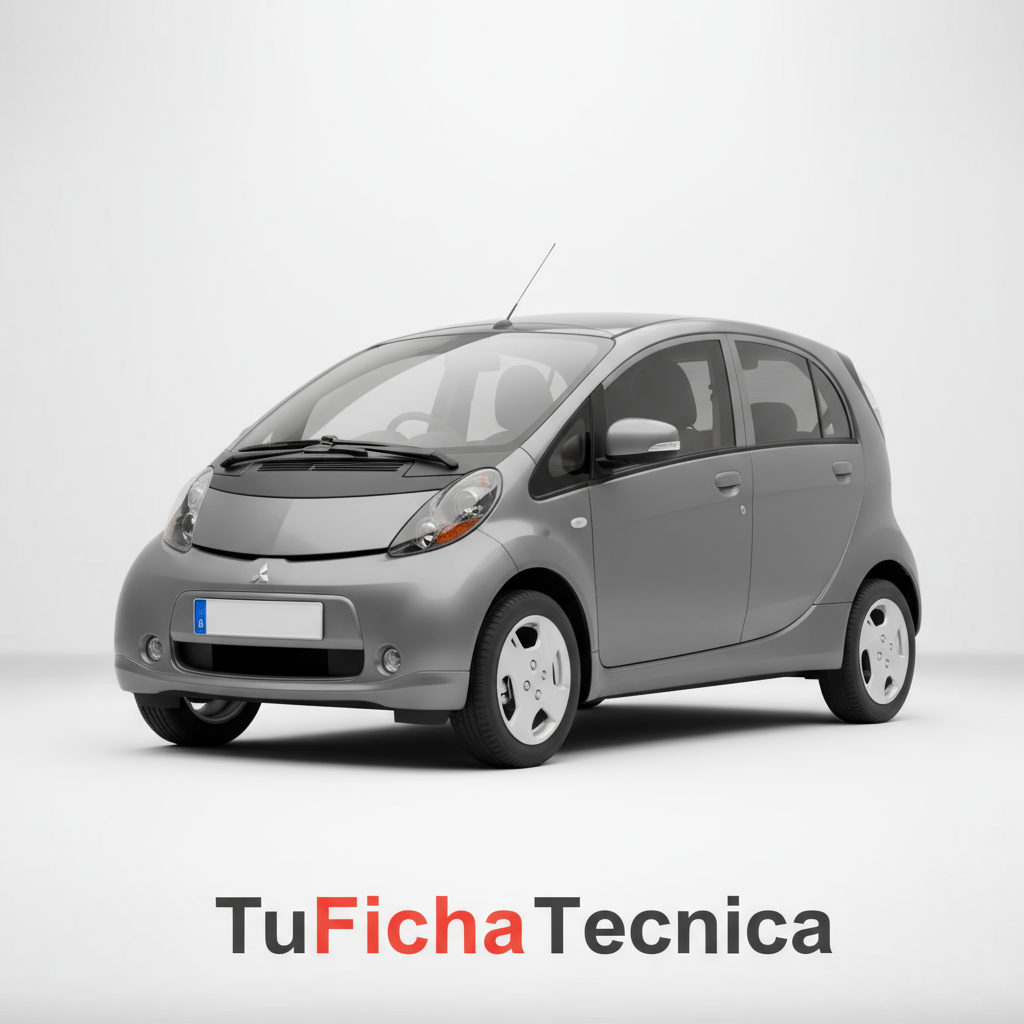
The 2011 Mitsubishi i-MiEV burst onto the market as a bold and pioneering proposition in electric mobility. This small urban car, with its distinctive design and purely electric focus, sought to offer a sustainable alternative for the city. Priced at €23,990 with an official discount of €6,500, it positioned itself as an accessible option for those wishing to enter the world of electric vehicles.
Driving experience
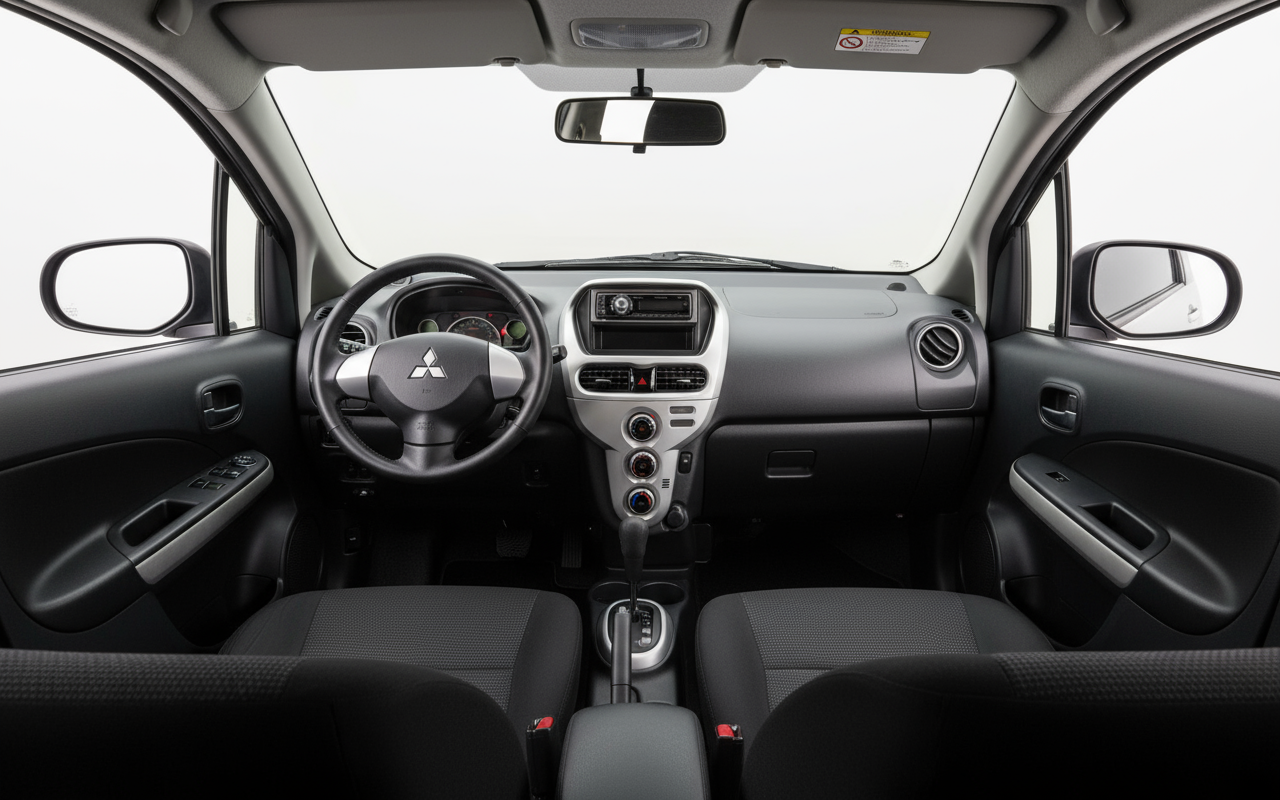
Driving the i-MiEV is a surprisingly agile and quiet experience. Its 67 electric horsepower, delivered instantly, allows for smooth and sufficient acceleration for urban environments, although the 15.9 seconds to reach 100 km/h reminds us that it's not a race car. The top speed of 130 km/h is adequate for short interurban trips. The absence of vibrations and low noise levels contribute to a sense of calm and comfort, ideal for daily city life. Electric power steering and a small turning circle of 9 meters greatly facilitate maneuvers in tight spaces, making parking a breeze.
Design and aesthetics
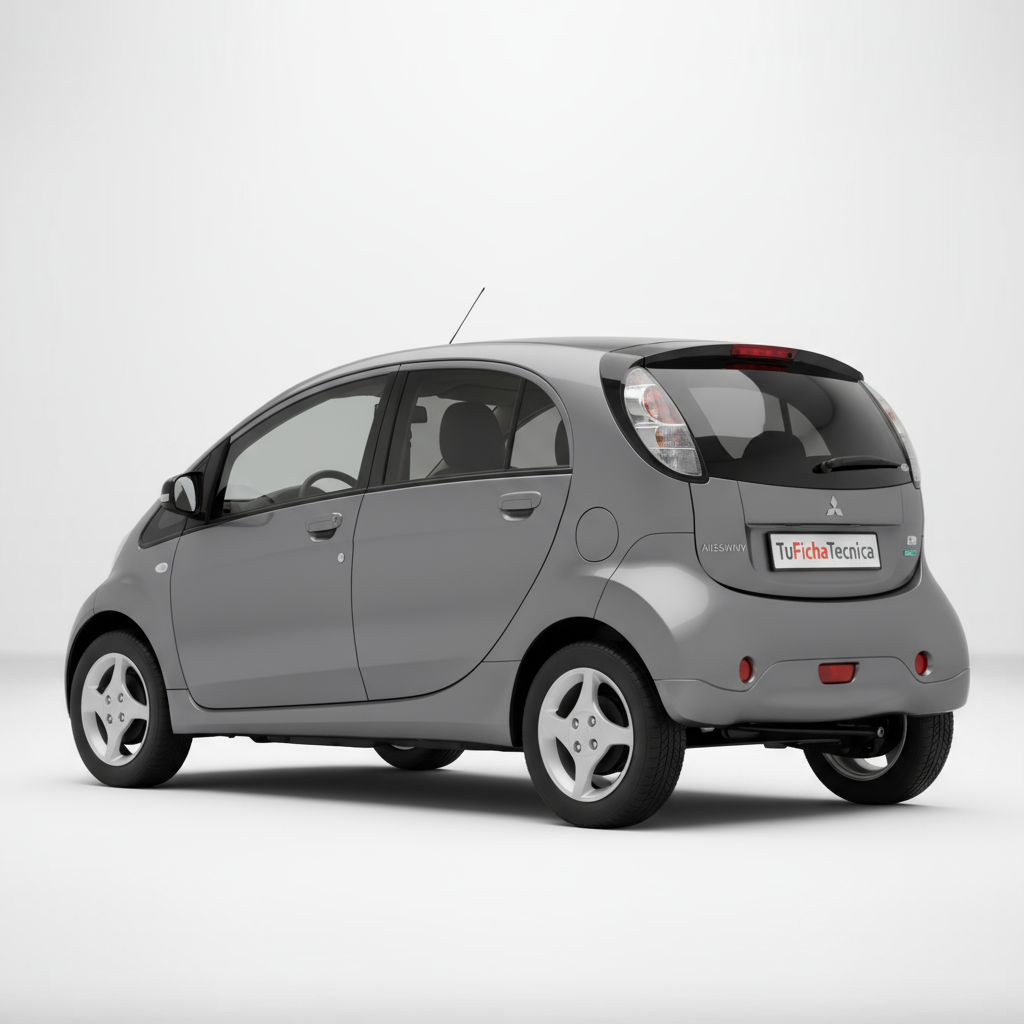
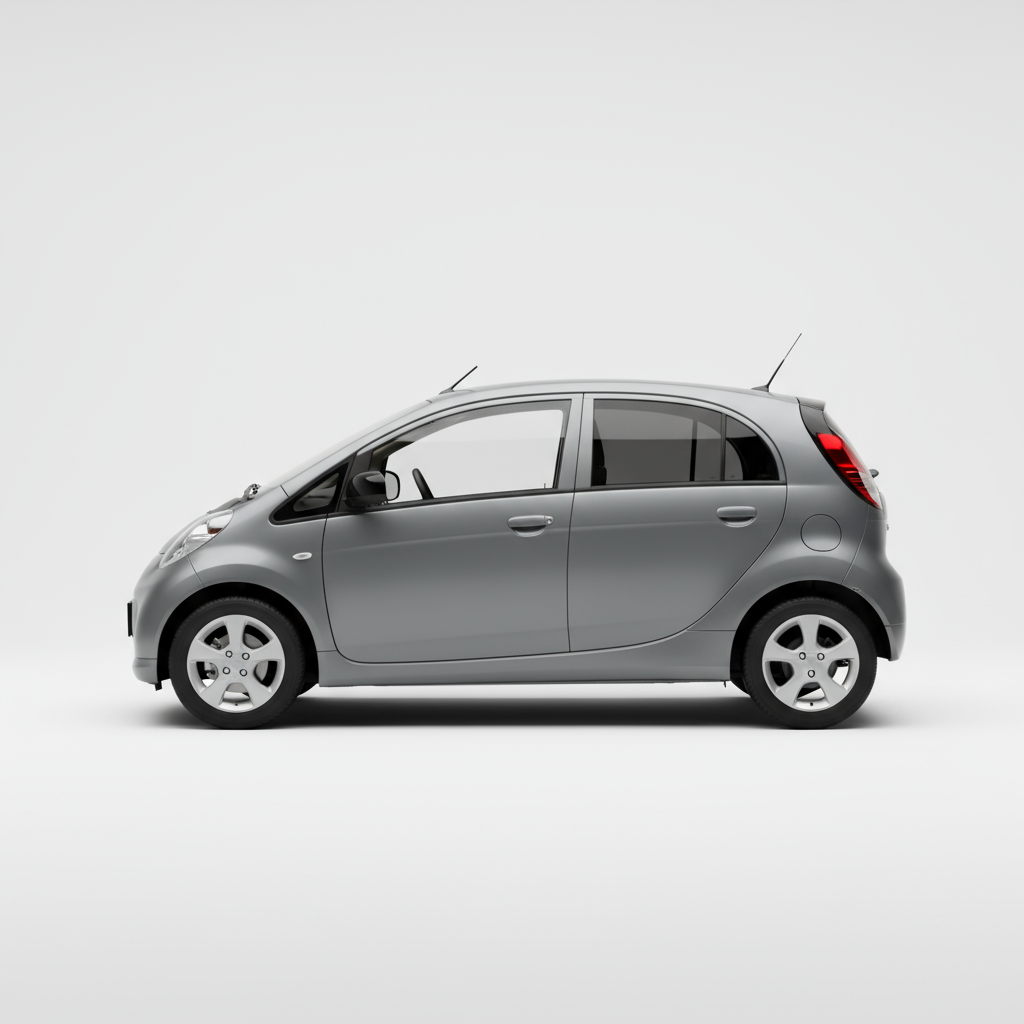
The design of the Mitsubishi i-MiEV is unmistakable and functional. Its compact proportions, with 3475 mm in length, 1475 mm in width, and 1610 mm in height, make it perfect for the urban jungle. The 5-door body and its 4 seats offer reasonable habitability for its size, although the 166-liter trunk is somewhat limited. Aesthetically, its rounded lines and peculiar front give it a unique personality, clearly differentiating it from traditional combustion vehicles. It is a design that prioritizes efficiency and practicality over ostentation.
Technology and features
The technological heart of the i-MiEV is its electric propulsion system. Equipped with a 16 kWh capacity battery (15.2 kWh usable) located in the central part, it offers an NEDC range that, although not specified, is estimated at around 150 km, sufficient for most urban commutes. A full charge with alternating current requires about 11 hours, making it ideal for overnight charging. Its 67 hp electric motor and 180 Nm of torque drive the rear wheels through a single-ratio automatic transmission. The front McPherson suspension and the rear De Dion rigid axle seek a balance between comfort and stability. The front ventilated disc brakes and rear drum brakes perform their function effectively.
Competition
At its launch, the Mitsubishi i-MiEV faced a nascent electric vehicle market. Its main rivals were the Citroën C-Zero and the Peugeot iOn, which were essentially the same car with different badges, a result of a collaboration. It also competed, albeit indirectly, with other low-consumption urban combustion vehicles, offering a more ecological alternative with lower long-term maintenance costs. Its proposal was that of a pioneer, paving the way in a segment that is now booming.
Conclusion
The Mitsubishi i-MiEV was a brave pioneer in the era of electric mobility. Although its performance and range may seem modest today, at the time it represented a significant step forward. It is an ideal car for the city, with pleasant driving and reduced running costs. Its peculiar design and practical approach make it an interesting option for those looking for an efficient and environmentally friendly urban vehicle. It is a car that, despite its limitations, left an important mark on the history of the electric automobile.