
Especificaciones y análisis del Mitsubishi L200
Power
116HP
Torque
240Nm
Consumption
-l/100
Emissions
-g/km
0-100 km/h
-s
Top Speed
152km/h
Weight
1765kg
Price
23,319€
Technical summary
Gasóleo
Manual 5v
AWD
5 / 4 doors
- L
75 L
85 kW
Current
Technical specifications
Engine
Capacities
Detailed analysis of the Mitsubishi L200 Doble Cabina 4X4 MAX · 116 CV (2002-2004)
General description
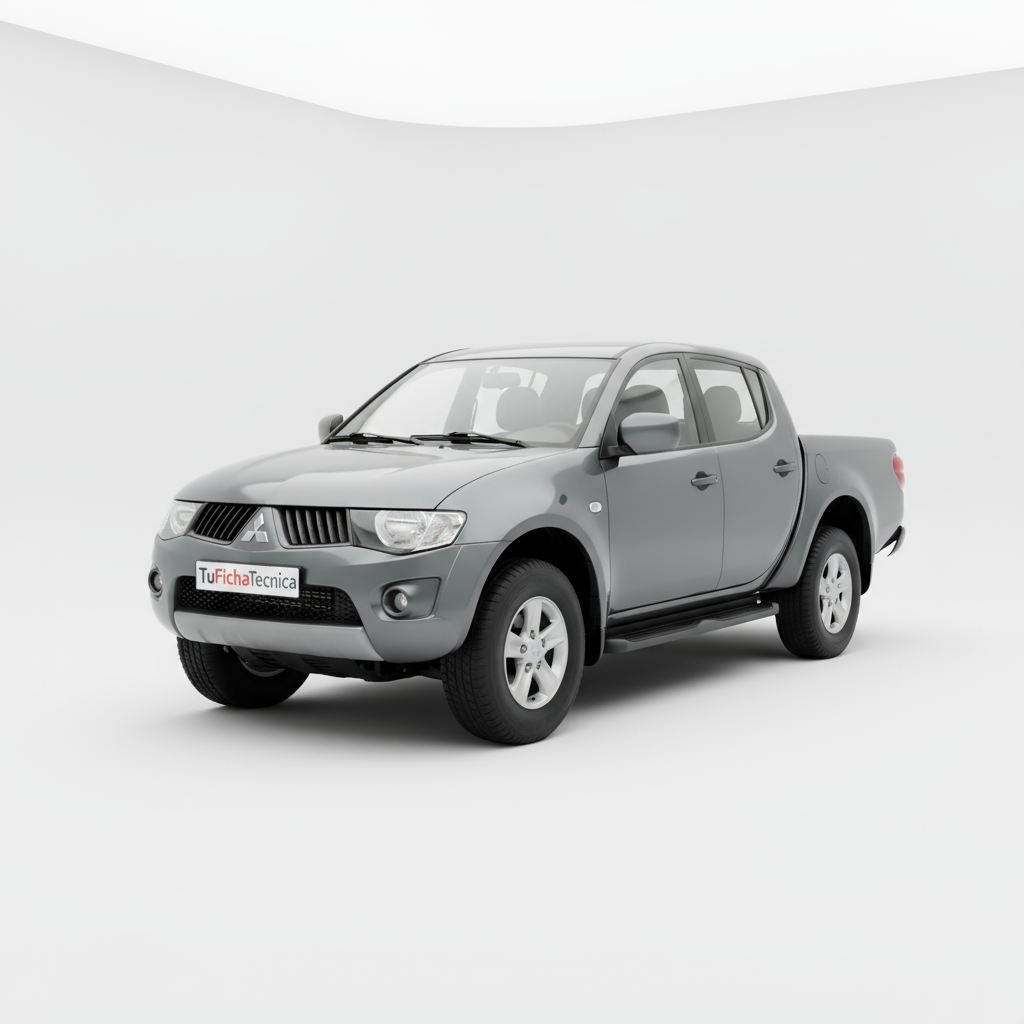
The 2002 Mitsubishi L200 Double Cab 4X4 MAX is a robust and versatile vehicle, designed for those seeking a combination of load capacity, all-wheel drive, and the comfort of a double cab. With its 2.5-liter, 116 hp diesel engine, this pickup positions itself as a reliable option for hard work and off-road adventures, maintaining an aesthetic that, although functional, does not forgo a certain presence on the road.
Driving experience
Behind the wheel of the L200, the predominant sensation is one of solidity and control. Its diesel engine, while not an outpouring of power, delivers 240 Nm of torque at 2000 rpm, allowing it to tackle difficult terrains with confidence. The suspension, with a deformable parallelogram at the front and a rigid axle at the rear, is designed to support loads and absorb road irregularities, resulting in a firm but effective ride. The recirculating ball steering, while not the most precise, fulfills its function in a vehicle of these characteristics, offering an adequate response for its size and purpose. The top speed of 152 km/h is sufficient for its performance, and fuel consumption, although not specified in detail, is expected to be reasonable for a diesel of its era and size.
Design and aesthetics
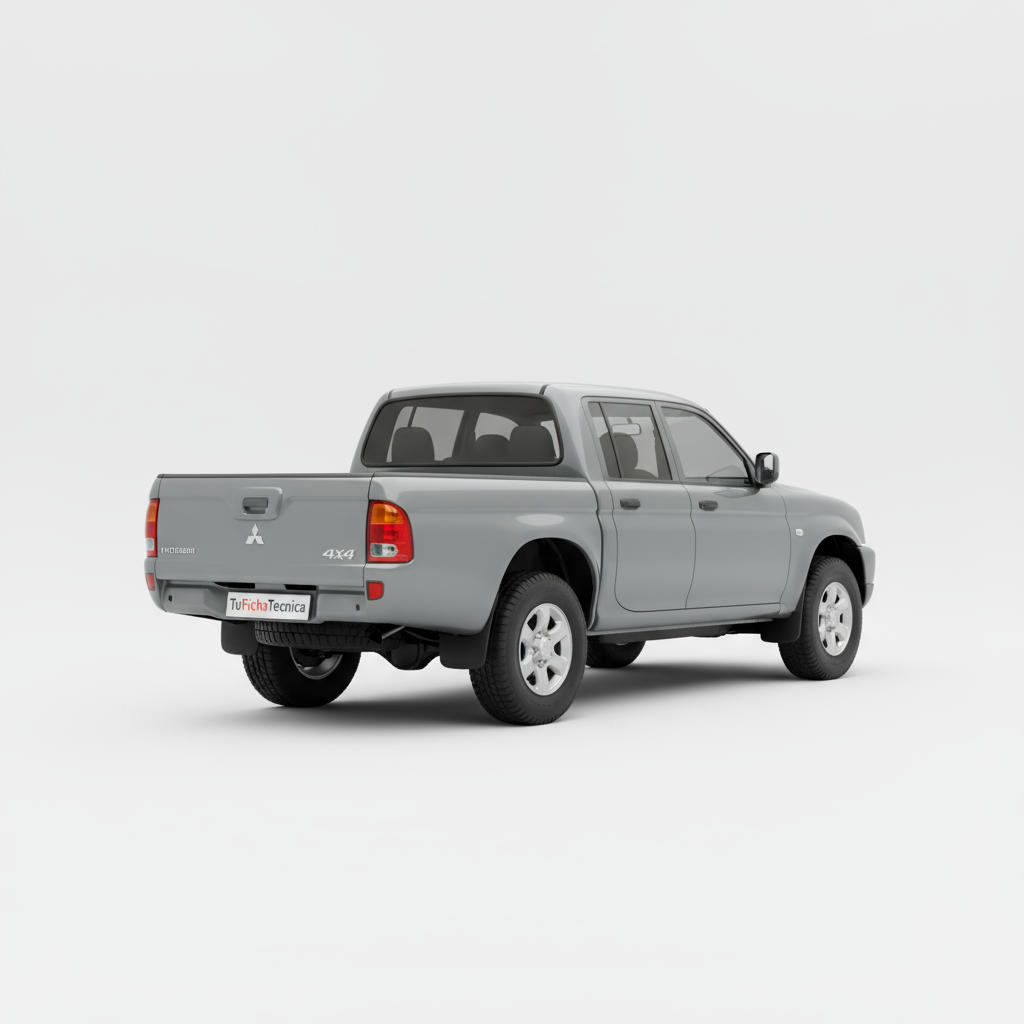
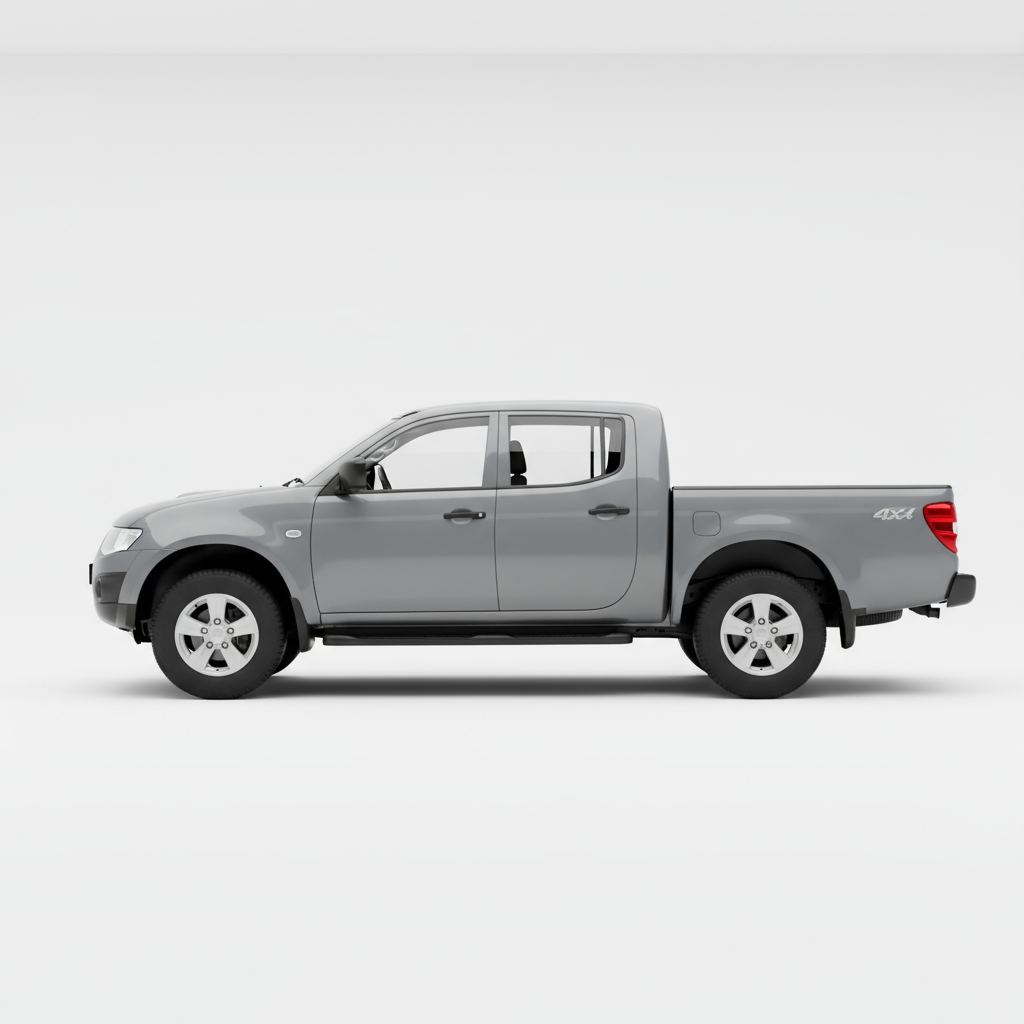
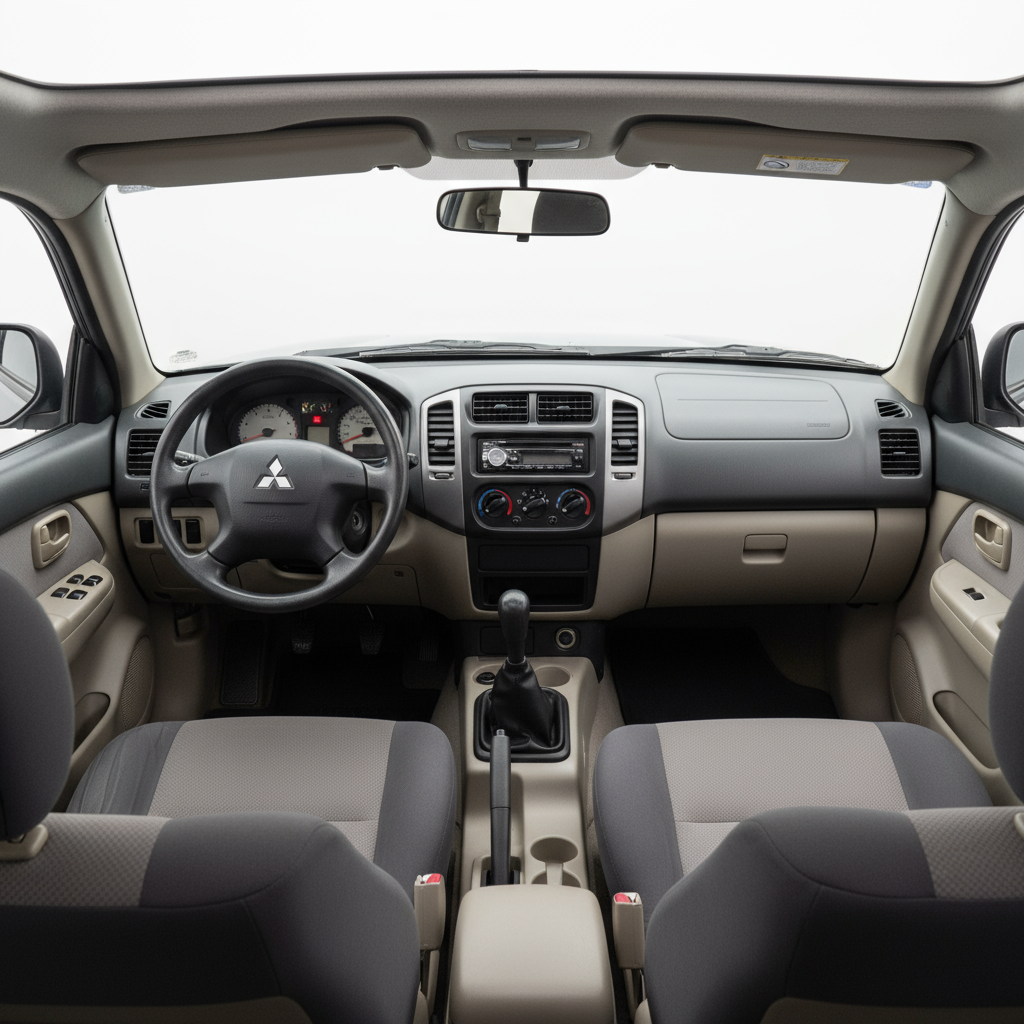
The exterior design of the 2002 Mitsubishi L200 Double Cab is eminently functional and robust. Its lines are muscular, with an imposing presence that denotes its off-road capability. The double cab offers space for five occupants, combining the utility of a work vehicle with the versatility of a family car. The dimensions, with a length of 5010 mm, a width of 1775 mm, and a height of 1800 mm, along with a wheelbase of 2960 mm, give it a solid and stable stance. The wheels, with 265/70 R16 tires, reinforce its adventurous image and its ability to overcome obstacles. Inside, functionality takes precedence over luxury, with a practical design and resistant materials, designed to withstand intensive use.
Technology and features
In terms of technology, the 2002 L200 focuses on mechanical reliability and off-road capability. Its 2.5-liter diesel engine features indirect injection, a variable geometry turbo, and an intercooler, an advanced configuration for its time that optimizes power delivery and efficiency. All-wheel drive (AWD) is a fundamental pillar of its technology, allowing it to perform smoothly on low-grip surfaces. The 5-speed manual transmission is robust and proven, offering direct control over engine power. Although it lacks the electronic sophistications of modern vehicles, its technology focuses on durability and effectiveness in demanding conditions.
Competition
In the early 2000s double cab pickup market, the Mitsubishi L200 competed with models such as the Toyota Hilux, the Nissan Navara (Frontier in some markets), and the Ford Ranger. All of them offered similar configurations of diesel engines, 4x4 traction, and proven robustness, seeking to attract customers who needed a versatile vehicle for work and leisure. The L200 stood out for its balance between off-road capability and a design that, while not avant-garde, was attractive for its segment.
Conclusion
The 2002 Mitsubishi L200 Double Cab 4X4 MAX is a vehicle that embodies the essence of a reliable and capable pickup. Its combination of an efficient diesel engine, all-wheel drive, and robust construction makes it an exceptional work tool and a formidable adventure companion. Although its design and technology respond to the standards of its time, its durability and versatility remain strong points. It is a wise choice for those who value functionality, resistance, and the ability to face any challenge, whether in the field or on the road.