
Especificaciones y análisis del Mitsubishi Lancer
Power
140HP
Torque
310Nm
Consumption
6.5l/100
Emissions
173g/km
0-100 km/h
10s
Top Speed
204km/h
Weight
1565kg
Price
22,700€
Technical summary
Gasóleo
Manual 6v
FWD
5 / 5 doors
330 L
59 L
103 kW
Current
Technical specifications
Engine
Capacities
Detailed analysis of the Mitsubishi Lancer Sportback 2.0 DI-D Instyle · 140 CV (2010-2011)
General description
The 2009 Mitsubishi Lancer Sportback 2.0 DI-D Instyle is a bold and distinctive proposition in the compact segment. With its five-door body, this model sought to combine the practicality of a hatchback with the sporty aesthetic that characterized the Lancer line. Its 140 hp diesel engine promised a balance between performance and efficiency, positioning it as an interesting option for those looking for something different in the market.
Driving experience
Behind the wheel, the Lancer Sportback 2.0 DI-D offered a solid and predictable driving experience. The diesel engine, with its 140 hp and 310 Nm of torque, delivered a strong response from low revolutions, which translated into good acceleration and recovery capabilities. The six-speed manual gearbox allowed precise control over power delivery. The suspension, McPherson type at the front and deformable parallelogram at the rear, provided a good compromise between comfort and stability, absorbing road irregularities without sacrificing the feeling of control. The rack-and-pinion steering offered good feedback, making every turn feel connected. Overall, it was a car that invited you to enjoy the road, with a feeling of robustness and safety.
Design and aesthetics
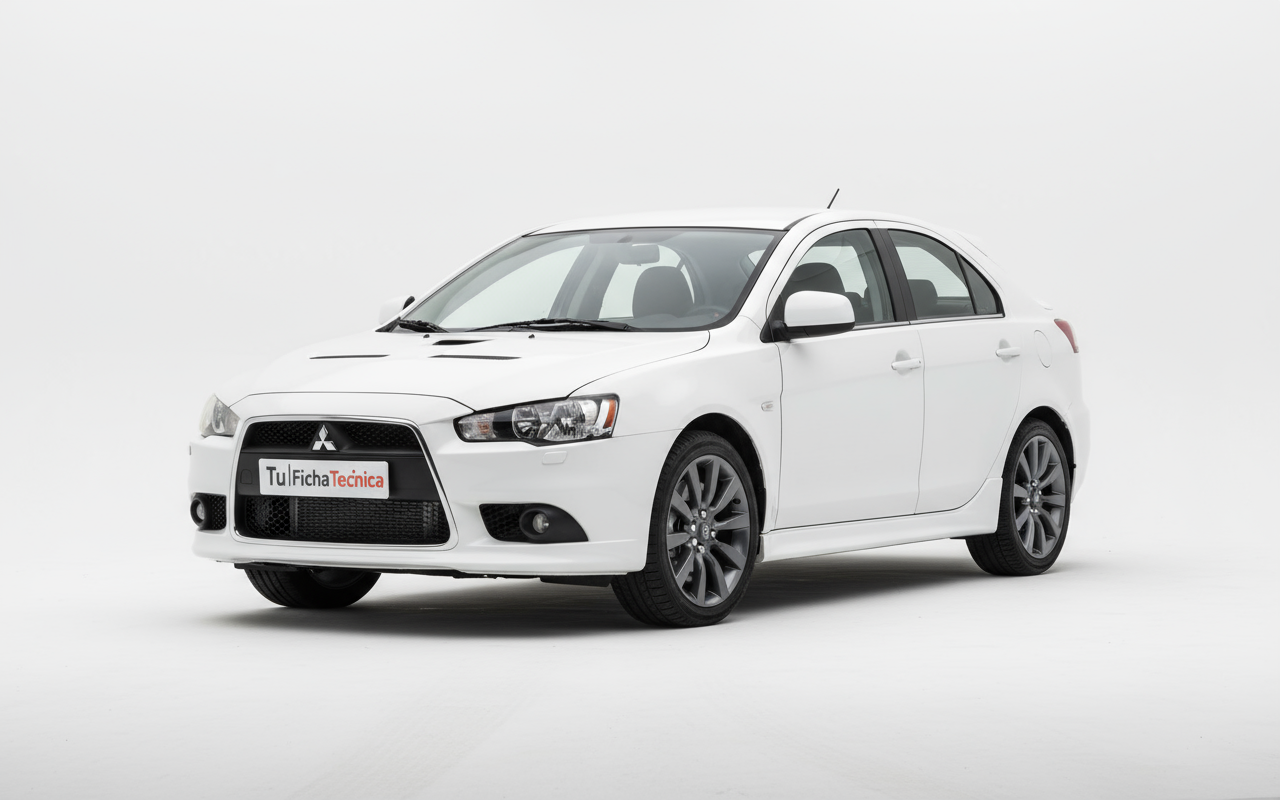
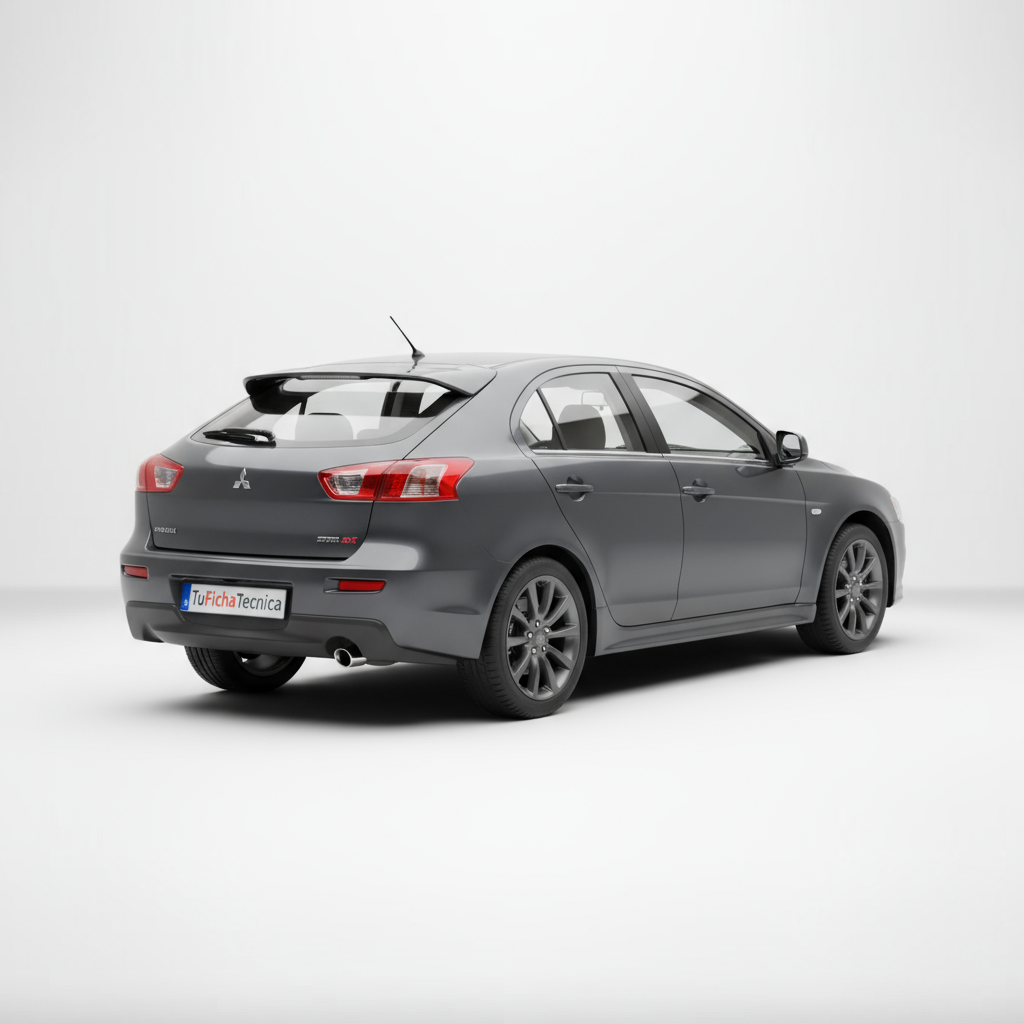
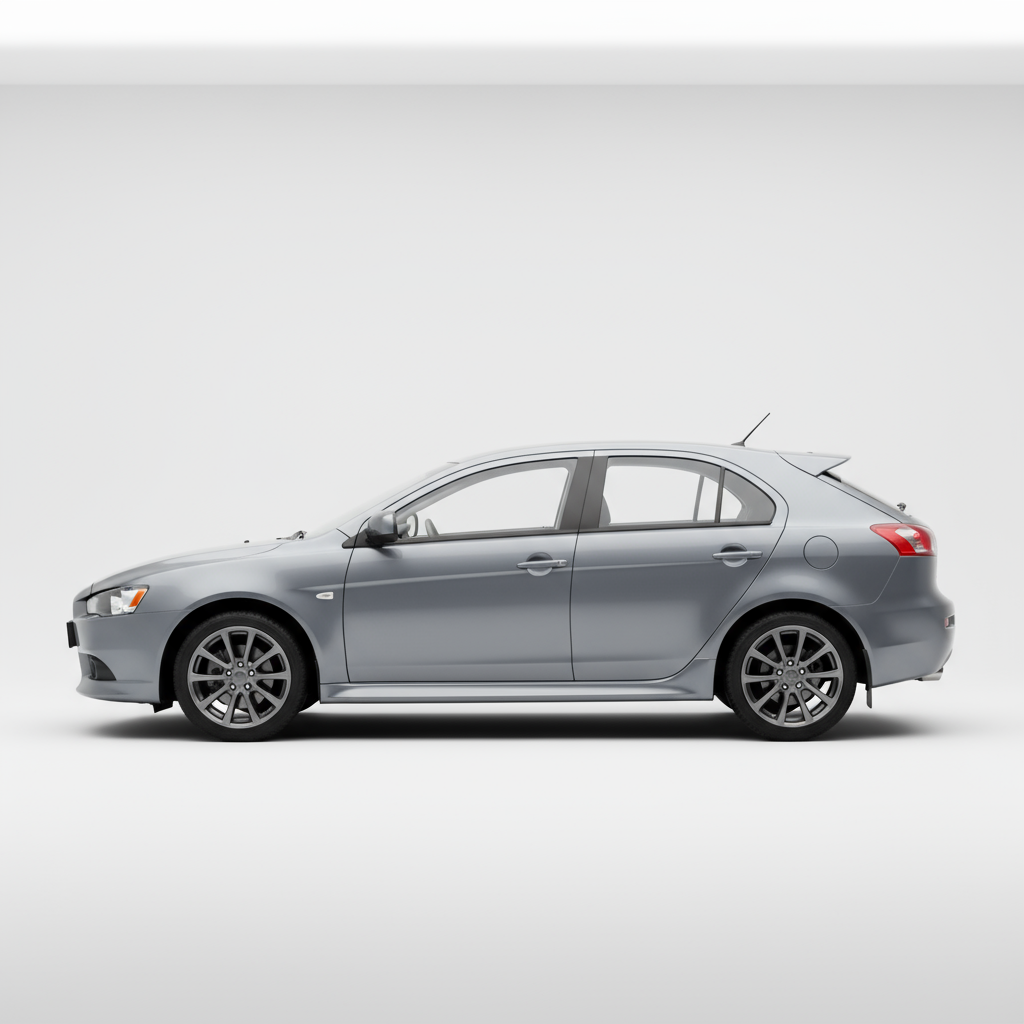
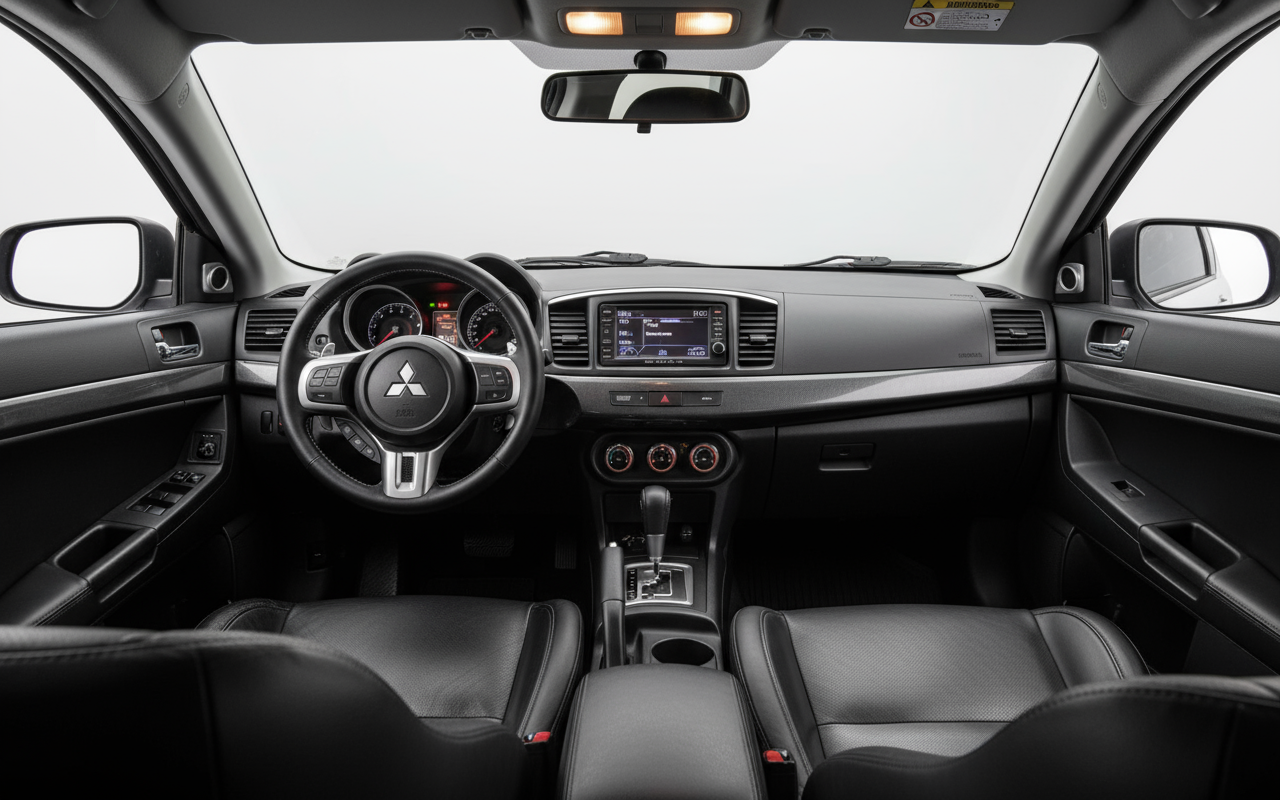
The design of the Lancer Sportback was, without a doubt, one of its strongest and most distinctive points. Inheriting the aggressive aesthetic of its sportier siblings, such as the Lancer Evolution, it featured a sharp front end with a large grille that gave it an imposing presence. The slanted headlights and taut lines along the body contributed to its dynamic image. The rear, with its inclined tailgate and wraparound taillights, gave it a touch of originality and sportiness. Inside, the design was functional and sober, with a clear layout of controls and materials that, although not outstanding for their luxury, conveyed solidity and durability. It was a car that did not go unnoticed and that, despite the years, maintained an attractive and timeless aesthetic.
Technology and features
In terms of technology, the 2009 Lancer Sportback 2.0 DI-D Instyle offered comprehensive equipment for its time. It featured a direct injection diesel engine with unit injectors, variable geometry turbo, and intercooler, which guaranteed optimal performance and good efficiency. The six-speed manual transmission was standard in the segment. In the safety section, it incorporated ventilated front disc brakes and rear discs, as well as a well-resolved chassis with independent suspensions on both axles and anti-roll bars. Although it did not have the latest innovations in connectivity or driving assistants that we see today, it offered what was necessary for a safe and comfortable driving experience.
Competition
At the time, the Mitsubishi Lancer Sportback 2.0 DI-D Instyle faced tough competition in the diesel compact segment. Its main rivals included models such as the Volkswagen Golf, Ford Focus, Opel Astra, Mazda 3, and Honda Civic. Each of them offered their own virtues, whether in terms of refinement, interior space, equipment, or driving dynamics. The Lancer Sportback differentiated itself by its bolder design and its slightly sportier approach, seeking to attract buyers who valued aesthetics and a more involved driving experience.
Conclusion
The 2009 Mitsubishi Lancer Sportback 2.0 DI-D Instyle was a car with its own personality, which managed to combine a distinctive design with a competent diesel engine and a satisfactory driving dynamic. Although it may not have excelled in all aspects compared to its direct rivals, it offered a balanced and attractive package for those looking for a compact with a different touch. Its mechanical robustness and timeless aesthetic make it an interesting option in the used car market for those who appreciate Japanese engineering and a style that stands out from the conventional.