
Especificaciones y análisis del Mitsubishi Lancer
Power
140HP
Torque
310Nm
Consumption
6.3l/100
Emissions
165g/km
0-100 km/h
9.6s
Top Speed
204km/h
Weight
1540kg
Price
22,000€
Technical summary
Gasóleo
Manual 6v
FWD
5 / 5 doors
330 L
59 L
103 kW
Current
Technical specifications
Engine
Capacities
Detailed analysis of the Mitsubishi Lancer Sportback 2.0 DI-D Invite · 140 CV (2008-2010)
General description
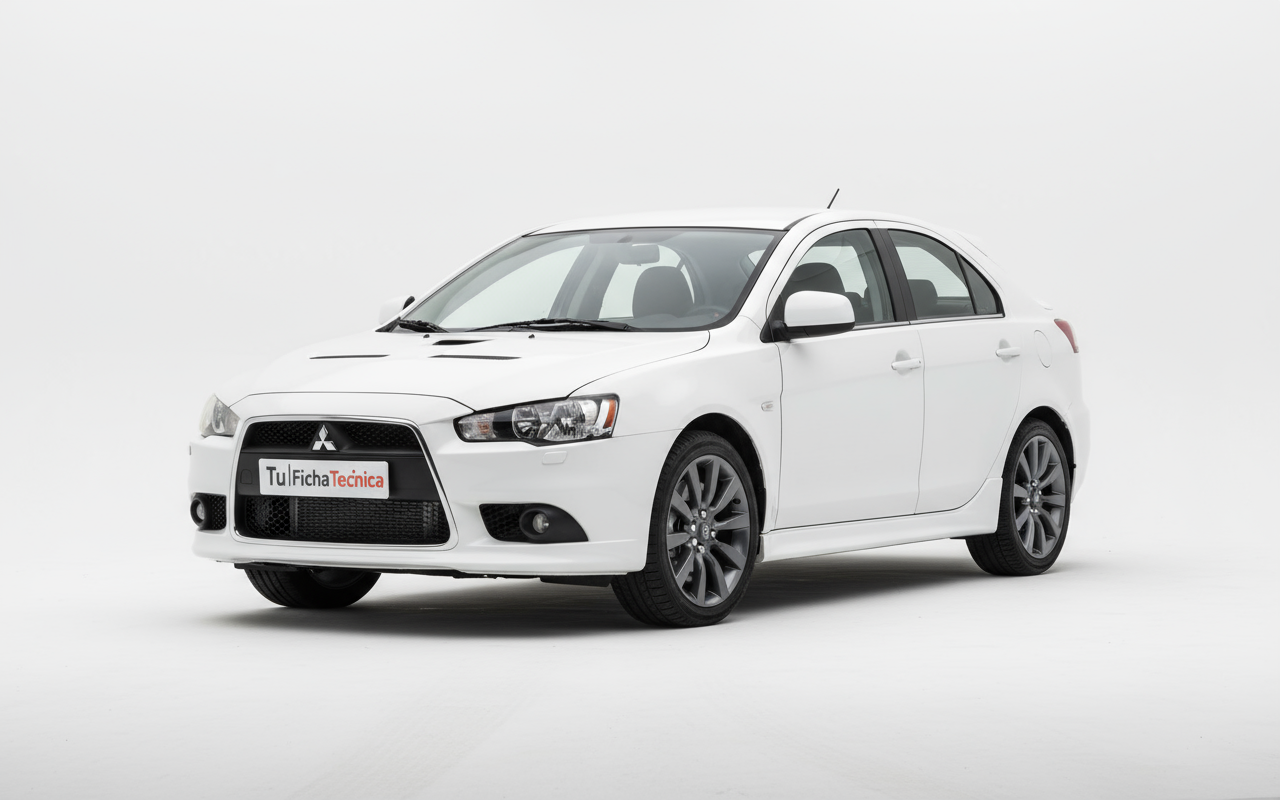
The 2009 Mitsubishi Lancer Sportback 2.0 DI-D Invite is a vehicle that combines the practicality of a station wagon with a sporty touch. Its distinctive design and 140 hp diesel engine make it an interesting option for those seeking a versatile car with character. This model, with its five-door body, offers a balance between interior space and dynamic aesthetics, ideal for daily use and weekend getaways.
Driving experience
Behind the wheel of the Lancer Sportback, the feeling is one of solidity and control. The 140 hp diesel engine, with its 310 Nm of torque, offers an energetic response from low revolutions, translating into 0 to 100 km/h acceleration in 9.6 seconds and a top speed of 204 km/h. The six-speed manual gearbox allows for precise handling and good fuel consumption management. The suspension, McPherson type at the front and deformable parallelogram at the rear, provides a good compromise between comfort and stability, absorbing road irregularities without sacrificing agility in curves. The rack-and-pinion steering contributes to a direct and communicative driving experience, making every journey a rewarding experience.
Design and aesthetics
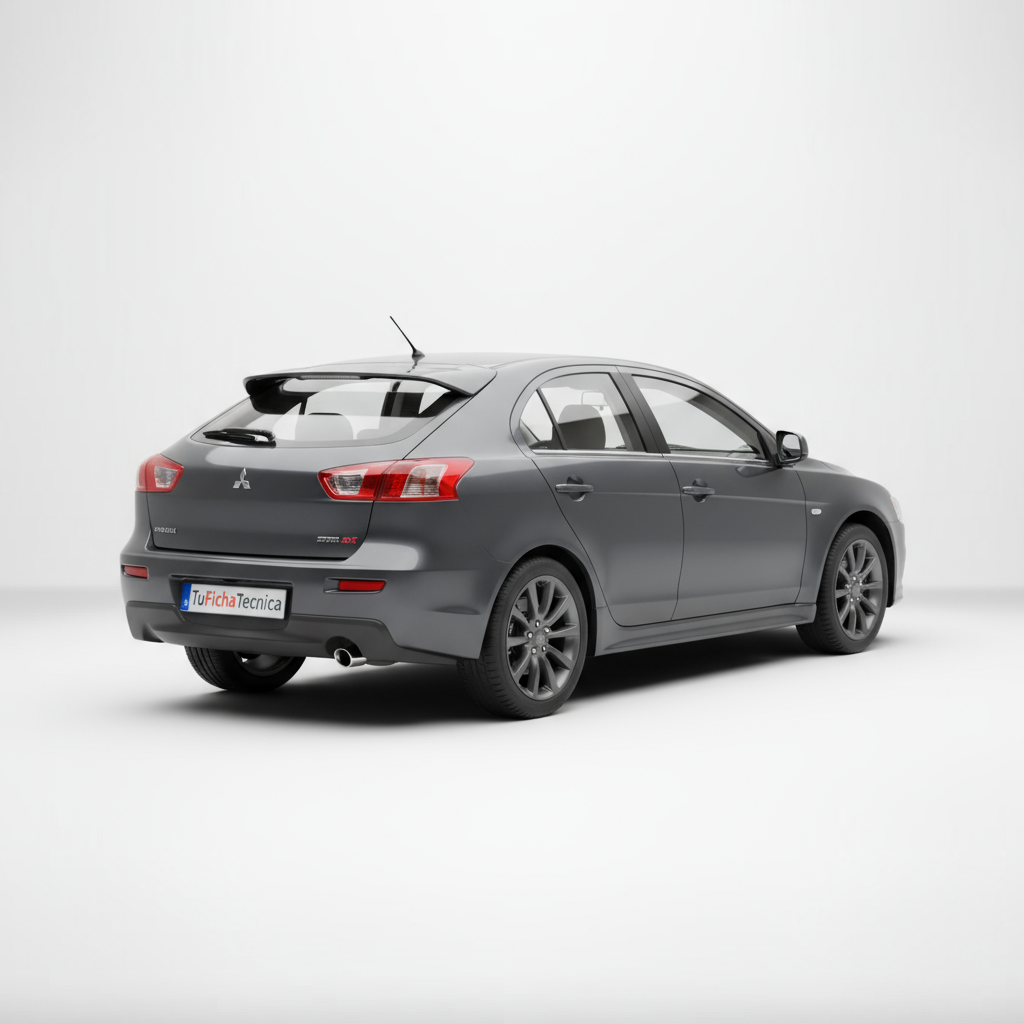
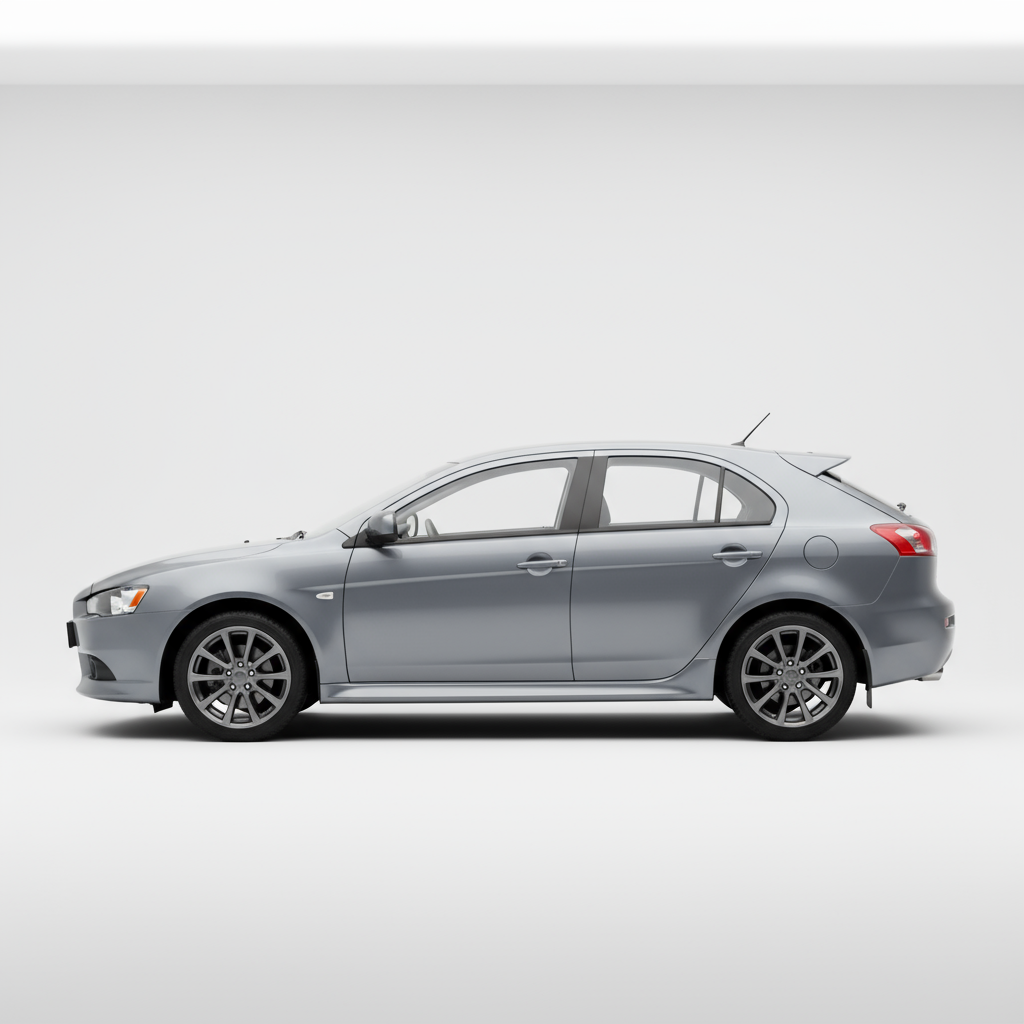
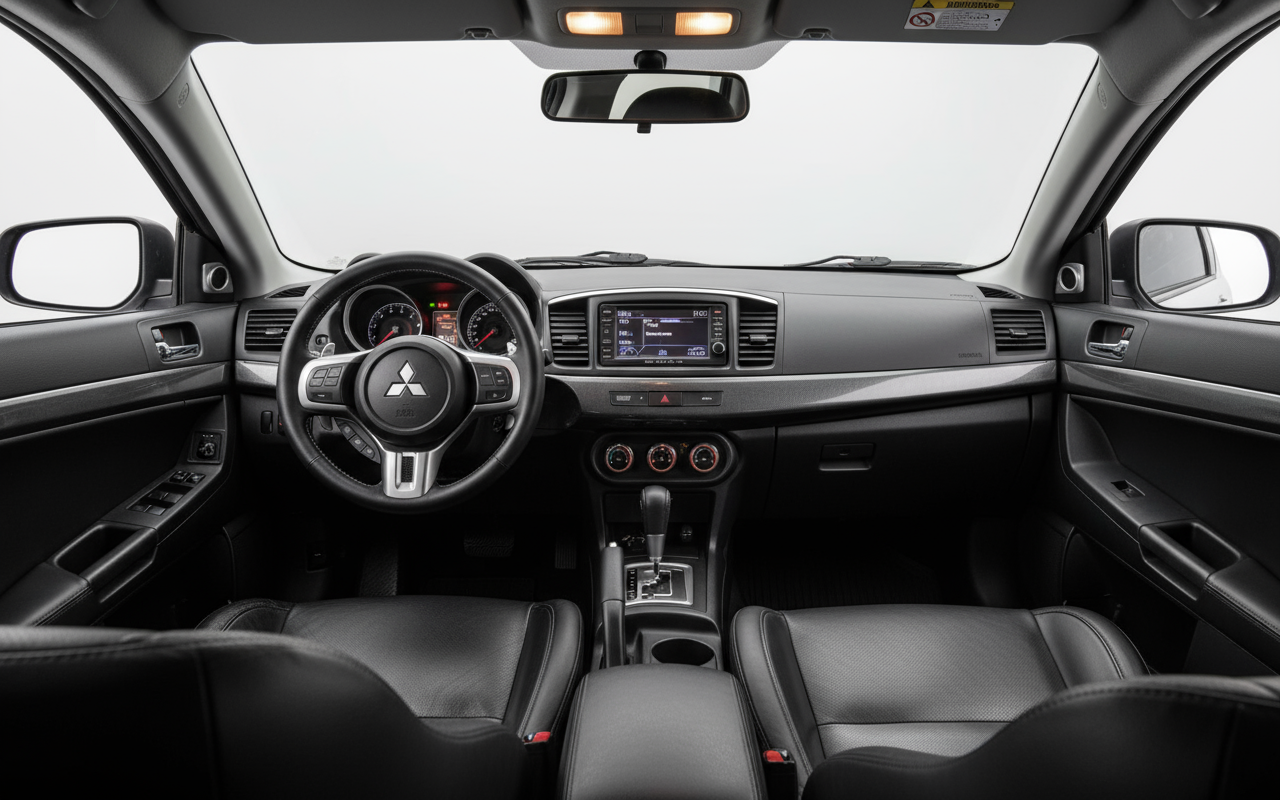
The design of the Mitsubishi Lancer Sportback is unmistakable, with aesthetics that evoke sportiness and modernity. Its aggressive front end, with Mitsubishi's characteristic 'Jet Fighter' grille, gives it an imposing presence. The roofline slopes gently towards the rear, culminating in a tailgate that integrates a spoiler, accentuating its 'Sportback' character. Dimensions of 4585 mm long, 1760 mm wide, and 1515 mm high, along with a wheelbase of 2635 mm, give it a balanced and robust silhouette. The 16-inch wheels with 205/60 R16 tires complement its athletic image. Inside, the design is functional and ergonomic, with materials that, although not luxurious, convey durability and good fit.
Technology and features
In terms of technology, the 2009 Lancer Sportback 2.0 DI-D Invite incorporates elements that, for its time, were quite competent. The 1968 cc diesel engine features direct injection via pump injector, variable geometry turbo, and intercooler, optimizing power delivery and efficiency. Although it lacks modern systems like Start&Stop, its mechanics are robust and proven. In terms of safety, it has 276 mm ventilated disc brakes at the front and 262 mm discs at the rear, ensuring effective braking. Front-wheel drive and a six-speed manual transmission offer direct control over the vehicle. Combined consumption of 6.3 l/100km and CO2 emissions of 165 g/km place it in environmental label B, a reasonable figure for a diesel of its size and power from that era.
Competition
In the segment of compact family cars with sporty aspirations, the Mitsubishi Lancer Sportback faced competitors such as the Ford Focus Sportbreak, the Opel Astra Sports Tourer, or the Volkswagen Golf Variant. Each offered its own virtues, but the Lancer stood out for its bolder aesthetics and its focus on dynamic driving. Other rivals could include the Mazda 3 SportSedan or the Honda Civic 5-door, although the Lancer Sportback offered a proposal more oriented towards cargo versatility without sacrificing a distinctive style. Its 140 hp diesel engine positioned it well against equivalent power options from the competition.
Conclusion
The 2009 Mitsubishi Lancer Sportback 2.0 DI-D Invite is a car that, despite its age, remains an attractive option for those who value the combination of a distinctive design, a powerful and efficient diesel engine, and a good dose of practicality. Its road behavior is rewarding, offering agile and safe driving. Although the interior may not be the most luxurious, its functionality and the robustness of its mechanics make it a reliable companion for daily use and longer trips. It is a vehicle that, without a doubt, leaves an emotional mark due to its character and its ability to adapt to various needs.