
Especificaciones y análisis del Mitsubishi Outlander
Power
140HP
Torque
310Nm
Consumption
6.7l/100
Emissions
177g/km
0-100 km/h
10.8s
Top Speed
187km/h
Weight
1730kg
Price
28,950€
Technical summary
Gasóleo
Manual 6v
AWD
5 / 5 doors
541 L
60 L
103 kW
Current
Technical specifications
Engine
Capacities
Detailed analysis of the Mitsubishi Outlander 2.0 DI-D Invite · 140 CV (2006-2008)
General description
The 2007 Mitsubishi Outlander 2.0 DI-D Invite presents itself as a robust and versatile SUV, designed for those seeking a reliable companion both in the city and for off-road excursions. With its 140 HP diesel engine and all-wheel drive, this model promises a balanced and functional driving experience, without great pretensions of luxury, but with the solidity that characterizes the Japanese brand.
Driving experience
Behind the wheel of the Outlander, the feeling is one of control and safety. Its 140 HP diesel engine, although not an outpouring of power, offers a torque of 310 Nm at 1750 rpm, which translates into a forceful response from low revolutions, ideal for overtakes or for moving its 1730 kg with ease. Acceleration from 0 to 100 km/h in 10.8 seconds and a top speed of 187 km/h place it in an acceptable range for its segment. The suspension, McPherson type at the front and deformable parallelogram at the rear, absorbs road irregularities well, providing a comfortable ride. The AWD traction adds an extra layer of confidence in adverse conditions, while the rack-and-pinion steering, although lacking variable assistance, offers a direct connection to the road. The combined consumption of 6.7 l/100km is a plus for its running economy.
Design and aesthetics
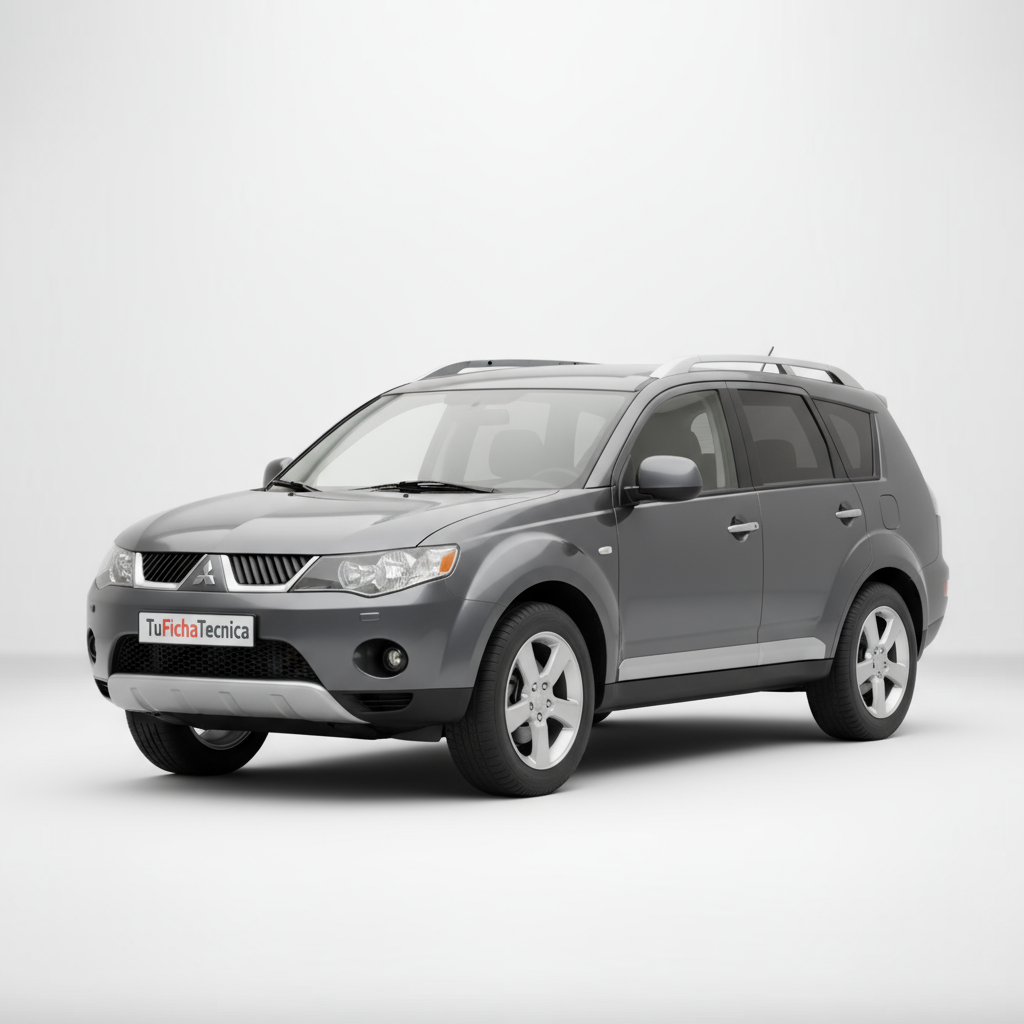
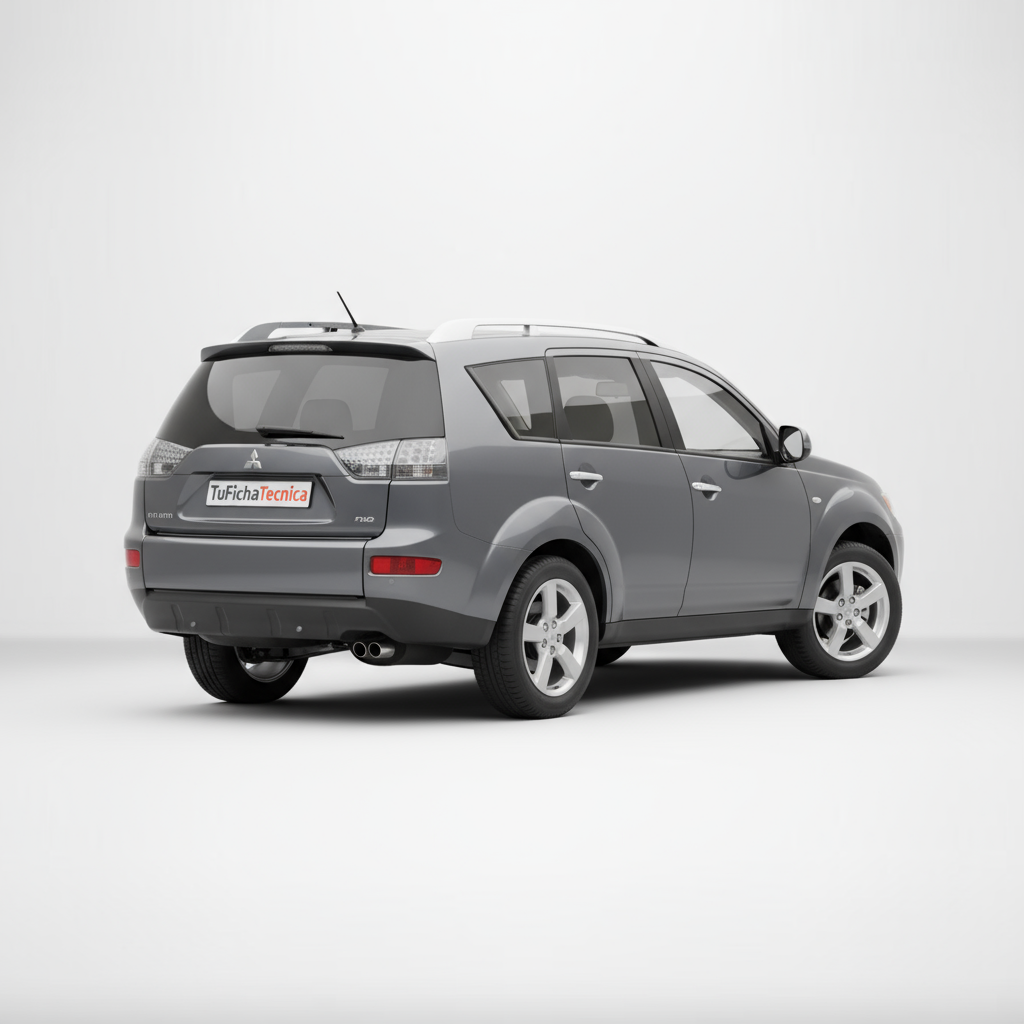
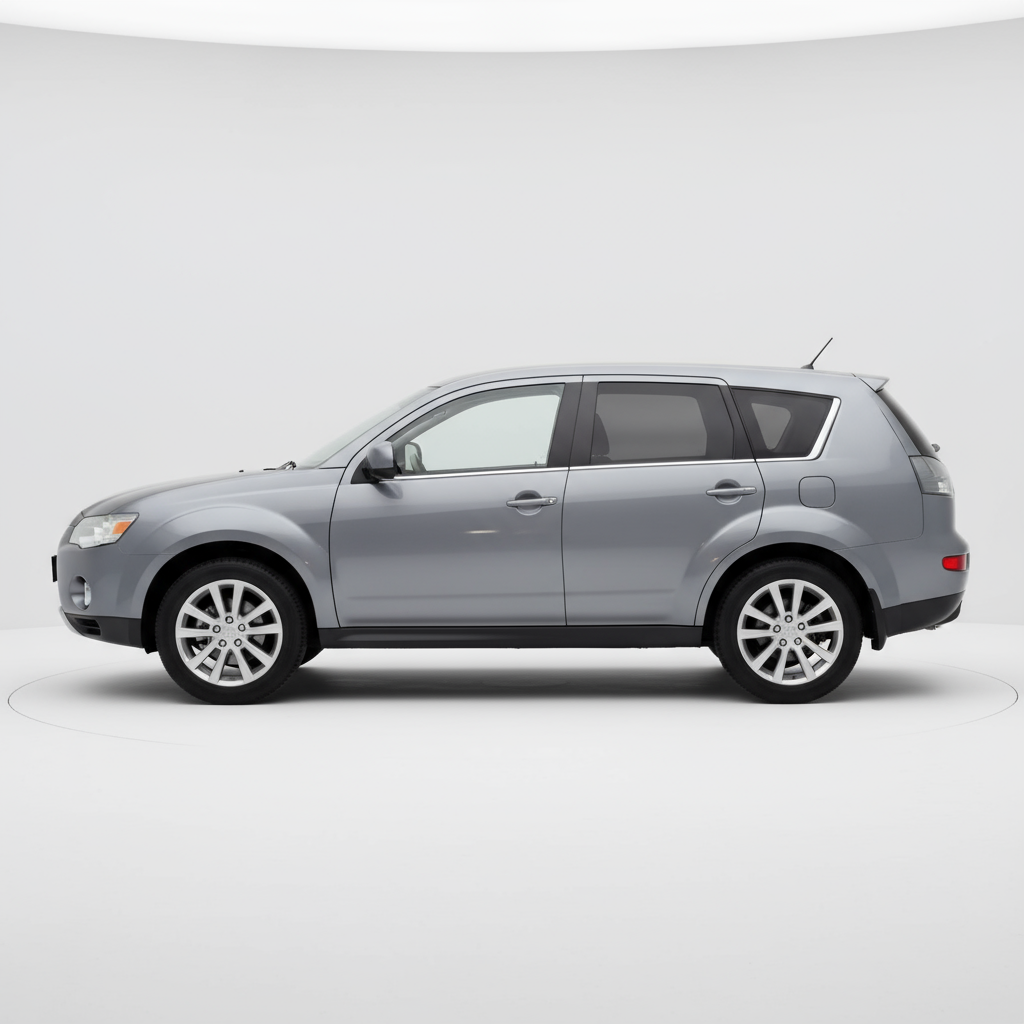
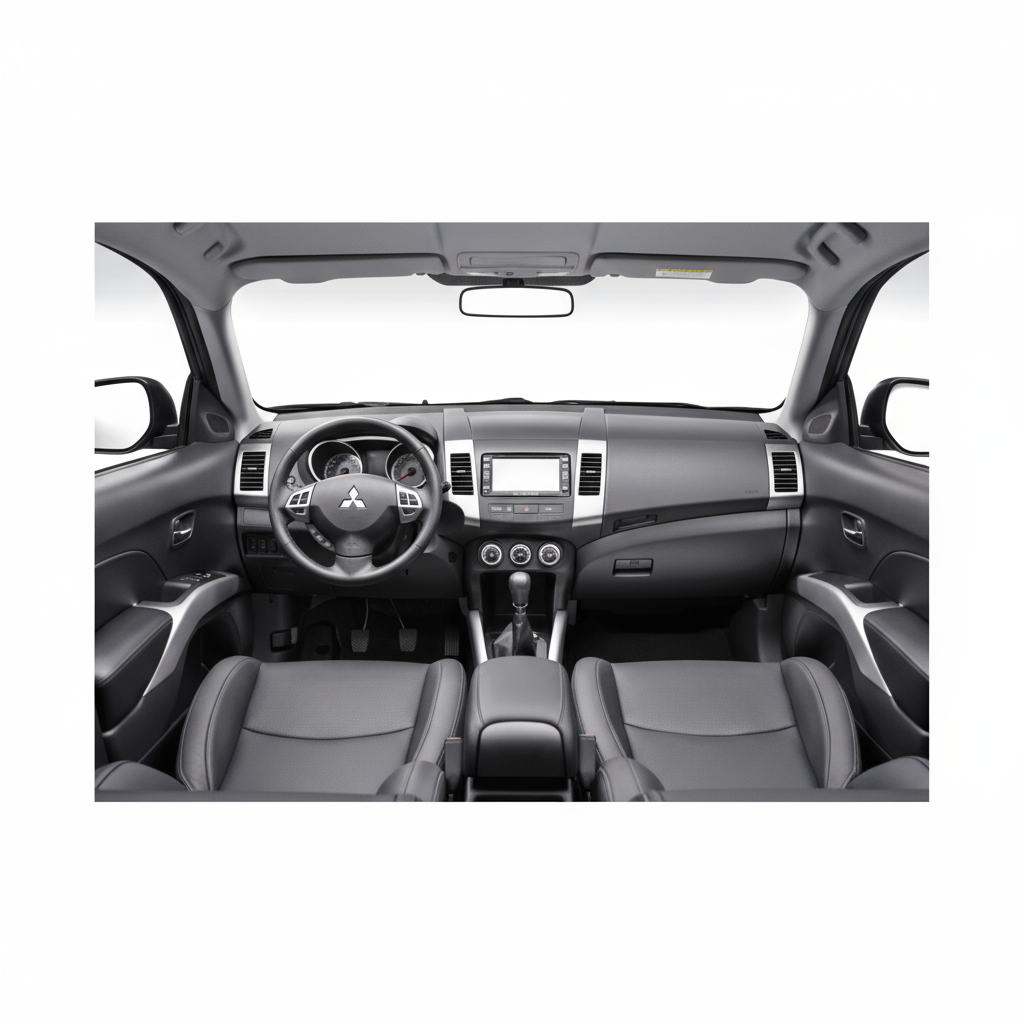
The design of the 2007 Mitsubishi Outlander is functional and understated, with lines that denote robustness and a clear SUV vocation. Its dimensions of 4640 mm long, 1800 mm wide, and 1680 mm high give it an imposing presence on the road. The 16-inch wheels with 215/70 R16 tires, both front and rear, reinforce its image as a vehicle ready for anything. The interior, although sober, is designed to be practical and spacious, with capacity for five occupants and a 541-liter trunk, making it a perfect ally for family trips or for transporting bulky items. The overall aesthetic is timeless, prioritizing functionality over fleeting trends.
Technology and features
In terms of technology, the 2007 Outlander 2.0 DI-D Invite focuses on the essential and proven. Its 1968 cc diesel engine with direct injection via injector pump, variable geometry turbo, and intercooler is an example of efficient engineering for its time. The 6-speed manual transmission, along with the AWD all-wheel drive system, ensures good power management and adaptability to different terrains. The 294 mm ventilated disc brakes at the front and 302 mm discs at the rear ensure effective braking. Although it does not have the latest innovations in connectivity or driving assistants that we see today, its technology is oriented towards durability and mechanical reliability.
Competition
At the time, the Mitsubishi Outlander 2.0 DI-D Invite competed with models such as the Nissan X-Trail, the Honda CR-V, or the Toyota RAV4. Compared to them, the Outlander offered a balanced proposal, standing out for its mechanical robustness and its off-road capability, without sacrificing a good level of comfort on the road. Its diesel engine, of Volkswagen origin, was a strong point in terms of efficiency and performance, which allowed it to differentiate itself in a very competitive segment.
Conclusion
The 2007 Mitsubishi Outlander 2.0 DI-D Invite is an honest and competent SUV. It does not aim to be the fastest or the most luxurious, but rather a reliable and versatile travel companion for everyday life and occasional adventures. Its robust design, efficient diesel engine, and all-wheel drive make it an interesting option for those who value functionality, durability, and adaptability to different environments. It is a car that, despite its age, continues to offer a solid and satisfactory driving experience for those who appreciate Japanese engineering and practicality.