
Especificaciones y análisis del Mitsubishi Space Runner
Power
133HP
Torque
175Nm
Consumption
8.2l/100
Emissions
-g/km
0-100 km/h
11s
Top Speed
185km/h
Weight
1360kg
Price
18,372€
Technical summary
Gasolina
Manual 5v
FWD
5 / 5 doors
450 L
63 L
98 kW
Current
Technical specifications
Engine
Capacities
Detailed analysis of the Mitsubishi Space Runner 2.0 16V · 133 CV (2001-2004)
General description
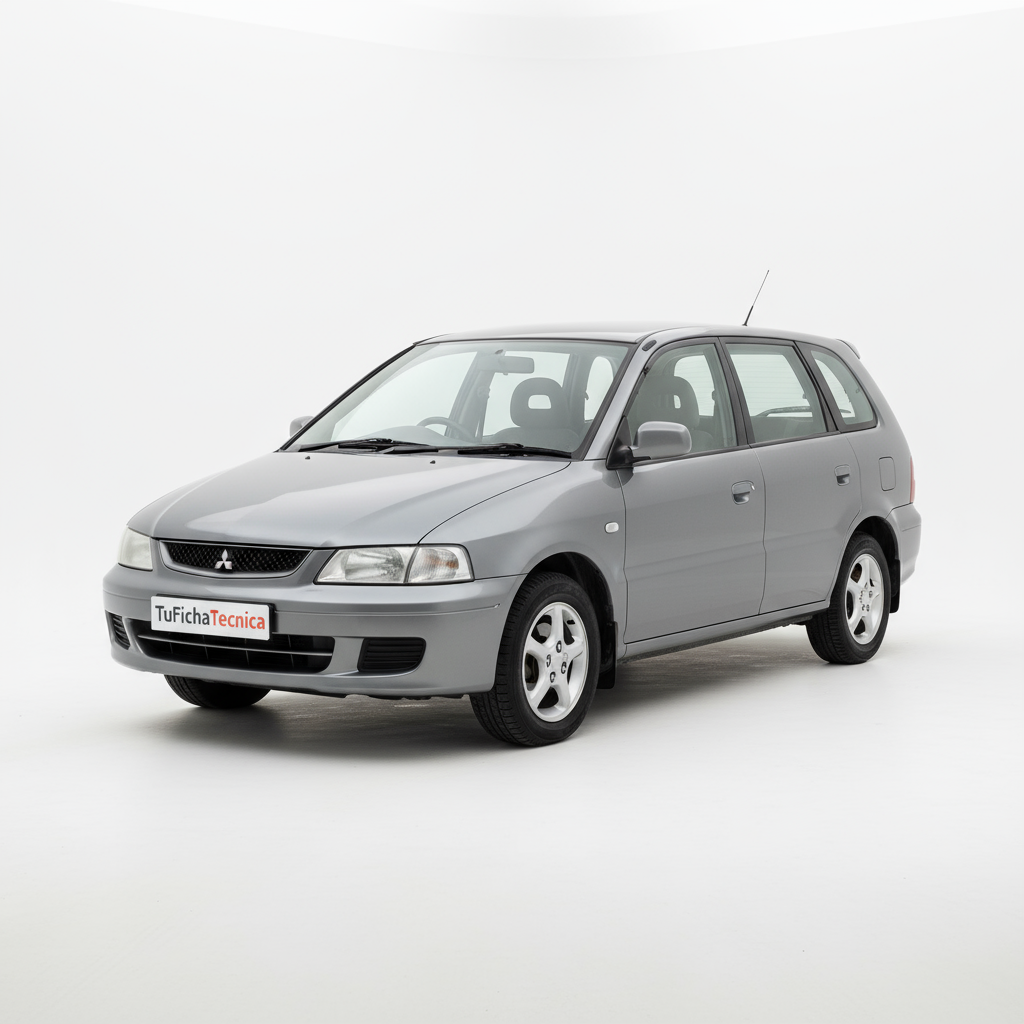
The 2001 Mitsubishi Space Runner 2.0 16V is a compact minivan that aimed to offer versatility and space in a manageable format. With its 133 hp gasoline engine and front-wheel drive, it presented itself as a practical option for families who valued functionality over sporty performance. Its design, although discreet, prioritized habitability and ease of access, key characteristics in its segment.
Driving experience
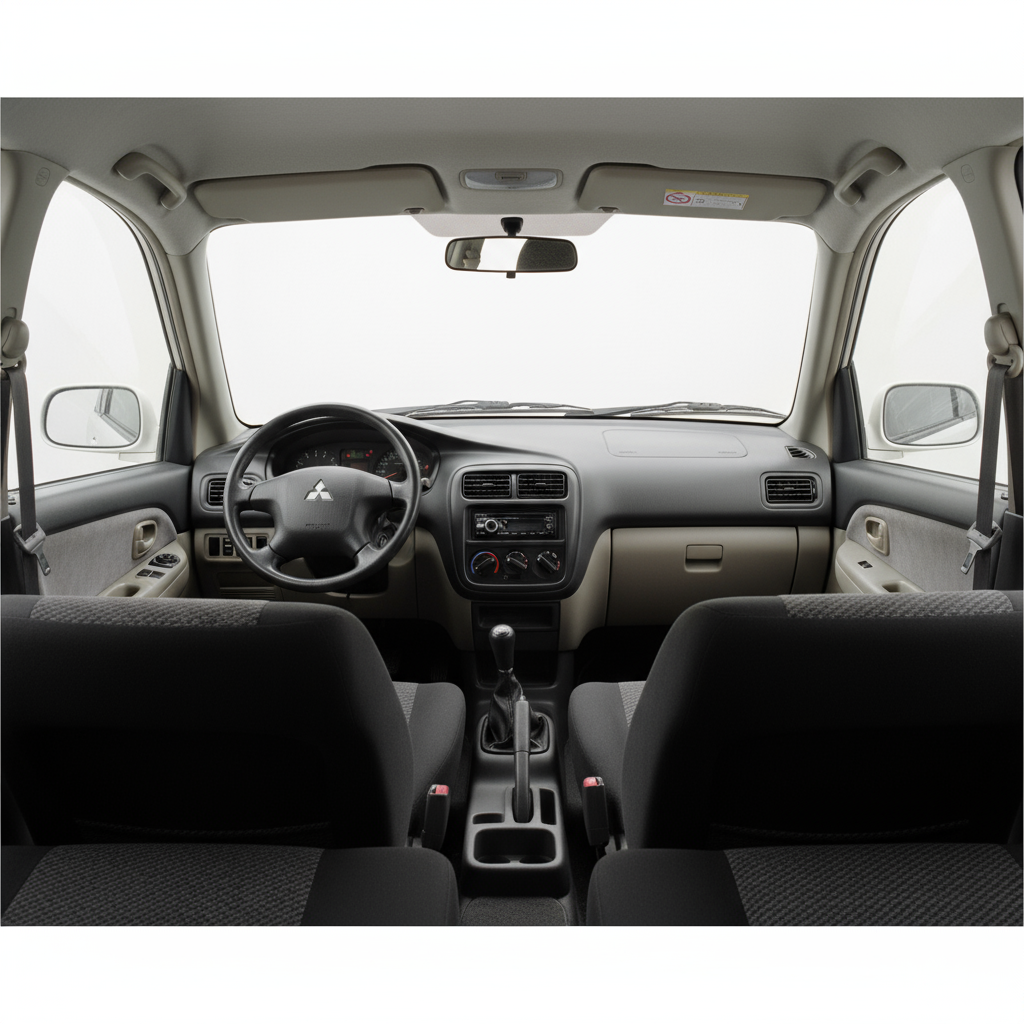
Behind the wheel of the Space Runner, the predominant feeling is one of comfort and ease of driving. The 133 hp of its 2.0-liter engine offer an adequate response for daily use and family trips, without great displays of power, but with sufficient solvency. The McPherson-type suspension on the front axle filters out road irregularities well, contributing to a pleasant journey. The rack-and-pinion steering, although without variable assistance, provides predictable feel. It is not a car for strong emotions, but for enjoying quiet and safe journeys.
Design and aesthetics
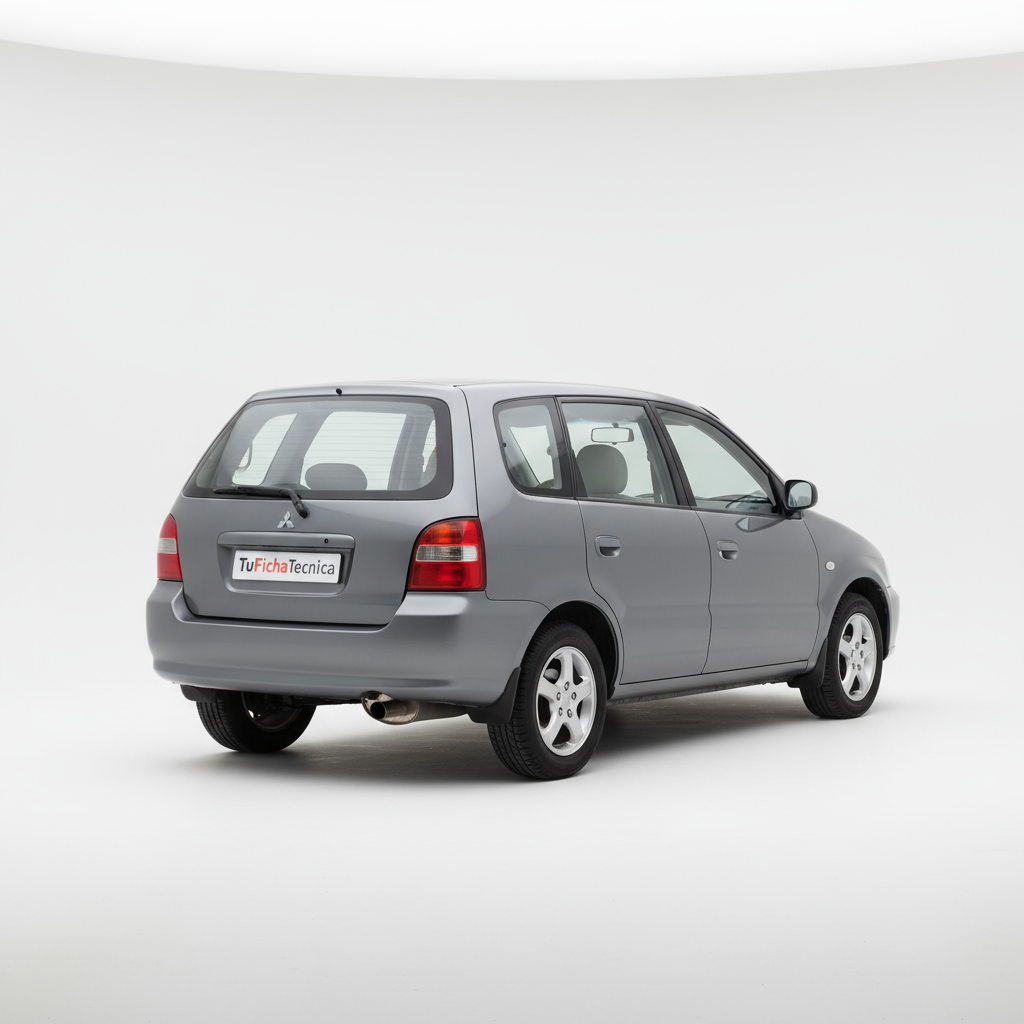
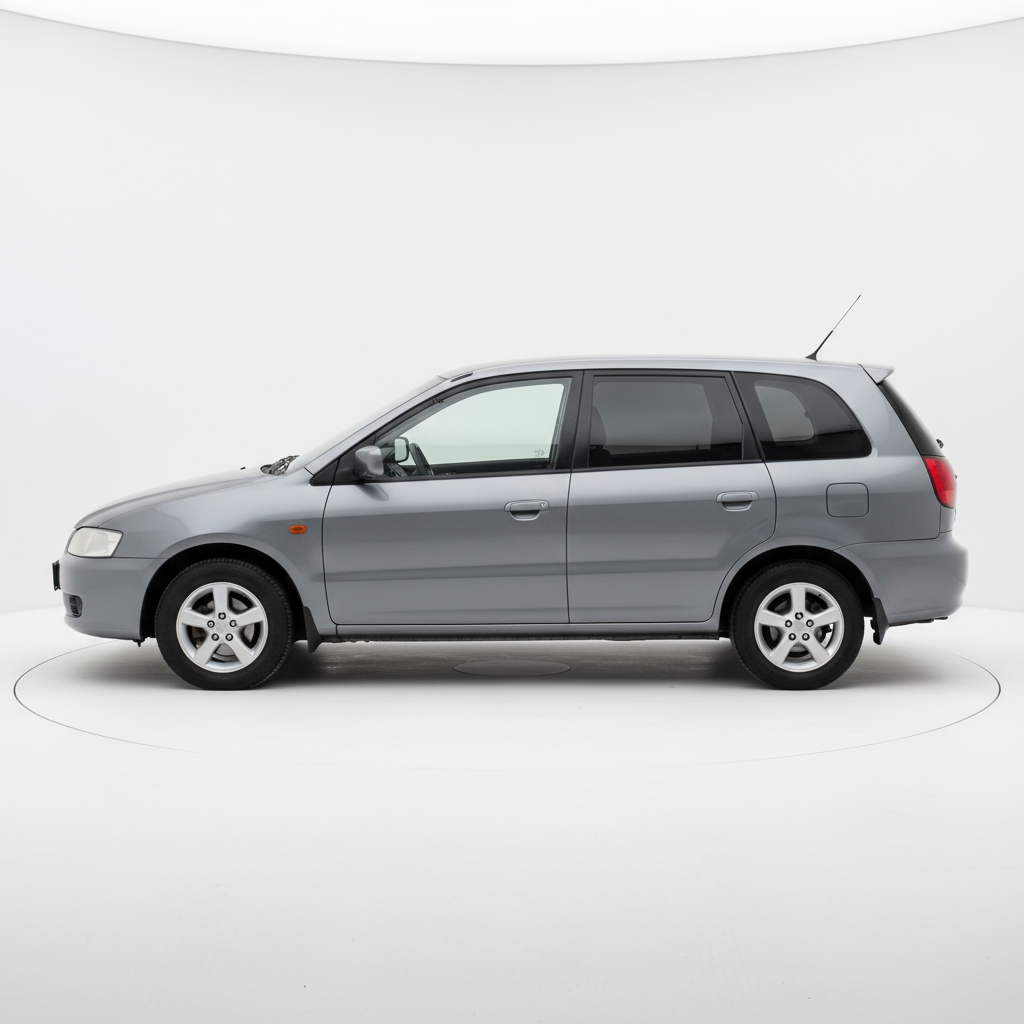
The design of the Mitsubishi Space Runner is eminently functional. Its lines are smooth and rounded, seeking to maximize interior space and visibility. With a length of 4290 mm, a width of 1695 mm, and a height of 1650 mm, its proportions are those of a compact minivan of its time. The five doors facilitate access to all seats and the trunk, which offers a generous 450 liters of capacity. Although it does not stand out for a groundbreaking aesthetic, its appearance is honest and practical, designed for family use.
Technology and features
In 2001, the Space Runner incorporated proven and reliable mechanical technology. Its 2.0-liter, 16-valve gasoline engine, with indirect injection, delivered 133 hp at 6000 rpm and a torque of 175 Nm at 4500 rpm. The five-speed manual transmission efficiently managed power to the front wheels. In terms of safety, it had ventilated disc brakes at the front and discs at the rear, and anti-roll bars on both axles for safe dynamic behavior. Its combined consumption of 8.2 l/100km was reasonable for its size and engine.
Competition
In its segment, the Mitsubishi Space Runner competed with other compact minivans of the time, such as the Renault Scénic, the Opel Zafira, or the Citroën Xsara Picasso. Compared to them, the Space Runner offered a solid proposal in terms of mechanical reliability and interior space, although perhaps with a less daring design than some of its European competitors. Its price of €18,372 placed it in a competitive position within the market.
Conclusion
The 2001 Mitsubishi Space Runner 2.0 16V is a vehicle that more than fulfills its purpose: to be a practical, comfortable, and reliable family minivan. It does not seek sportiness or luxury, but functionality and durability. It is a sensible option for those who need space and versatility in their daily lives, with a capable engine and predictable behavior. An honest car that, despite its age, remains an example of Japanese engineering focused on utility.