
Especificaciones y análisis del Morgan 4/4
Power
114HP
Torque
160Nm
Consumption
8.2l/100
Emissions
-g/km
0-100 km/h
8s
Top Speed
180km/h
Weight
880kg
Price
38,419€
Technical summary
Gasolina
Manual 5v
RWD
2 / 2 doors
- L
55 L
84 kW
Current
Technical specifications
Engine
Capacities
Detailed analysis of the Morgan 4/4 2 asientos 1.8 litros Runabout · 114 CV (2003-2005)
General description
The 1993 Morgan 4/4, in its 2-seater, 1.8-liter Runabout engine version, is a timeless gem that defies modern conventions. Priced at 38,419 euros at its launch, this vehicle is not just a means of transport, but a statement of intent, a direct connection to the essence of pure driving. Its classic aesthetics and simple mechanics make it a car for purists, those who value experience above comfort or cutting-edge technology.
Driving experience
Driving the Morgan 4/4 is a visceral and exciting experience. Its 1.8-liter, 114 hp gasoline engine, coupled with a 5-speed manual transmission, offers acceleration from 0 to 100 km/h in 8 seconds and a top speed of 180 km/h. Rear-wheel drive and McPherson front suspension with a rigid rear axle, without anti-roll bars, guarantee a direct connection to the road, transmitting every imperfection and every curve. It is a car that demands attention and rewards with authentic sensations, a dance between the driver and the machine, where unassisted rack-and-pinion steering makes you feel every turn. The sound of the engine, the breeze on your face, and the absence of modern electronic aids immerse you in a driving experience that few current cars can offer.
Design and aesthetics
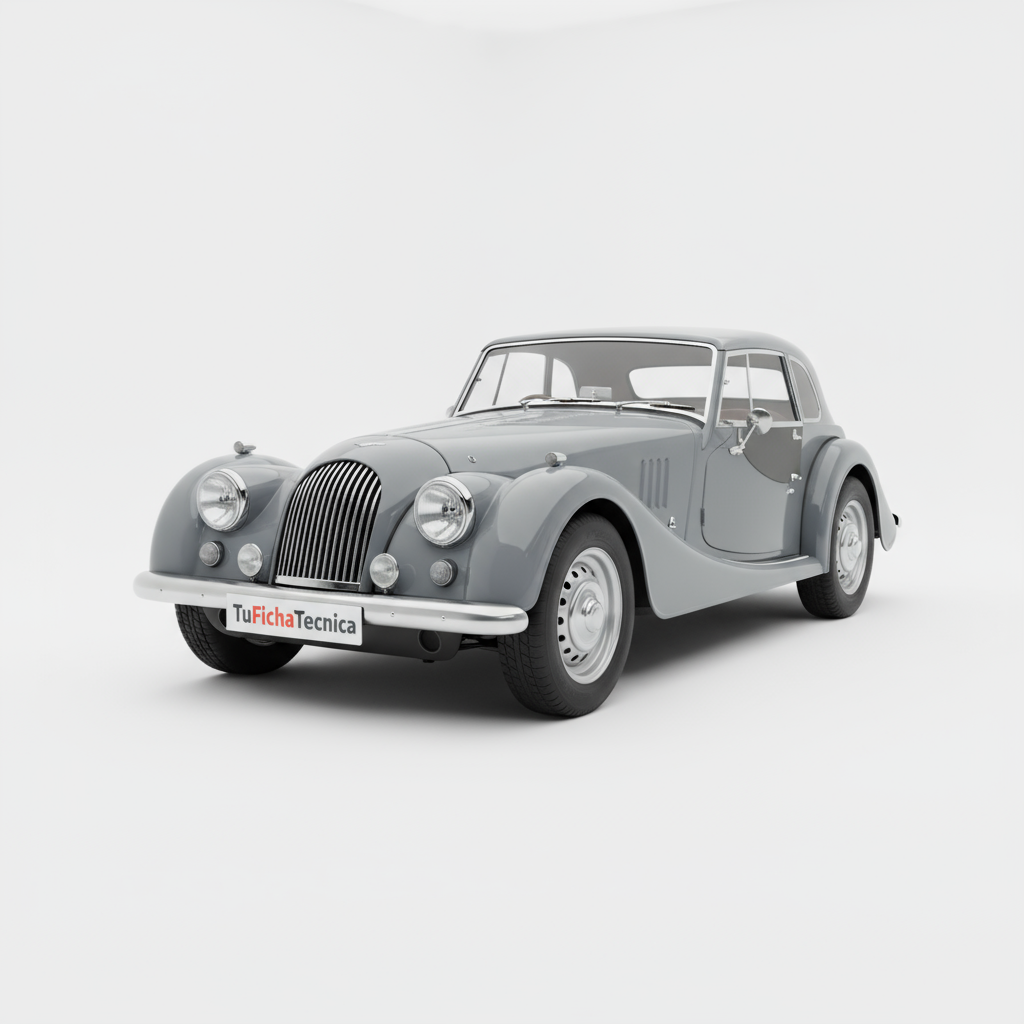
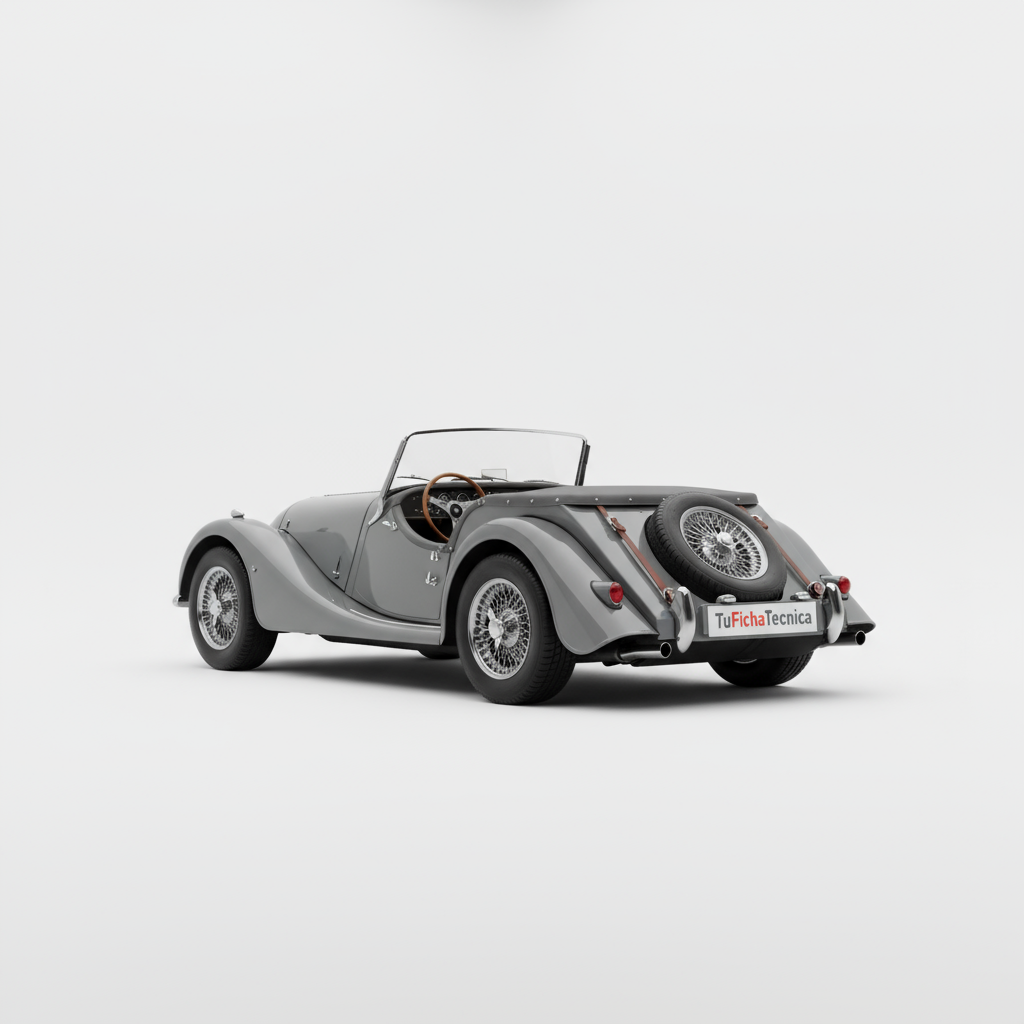
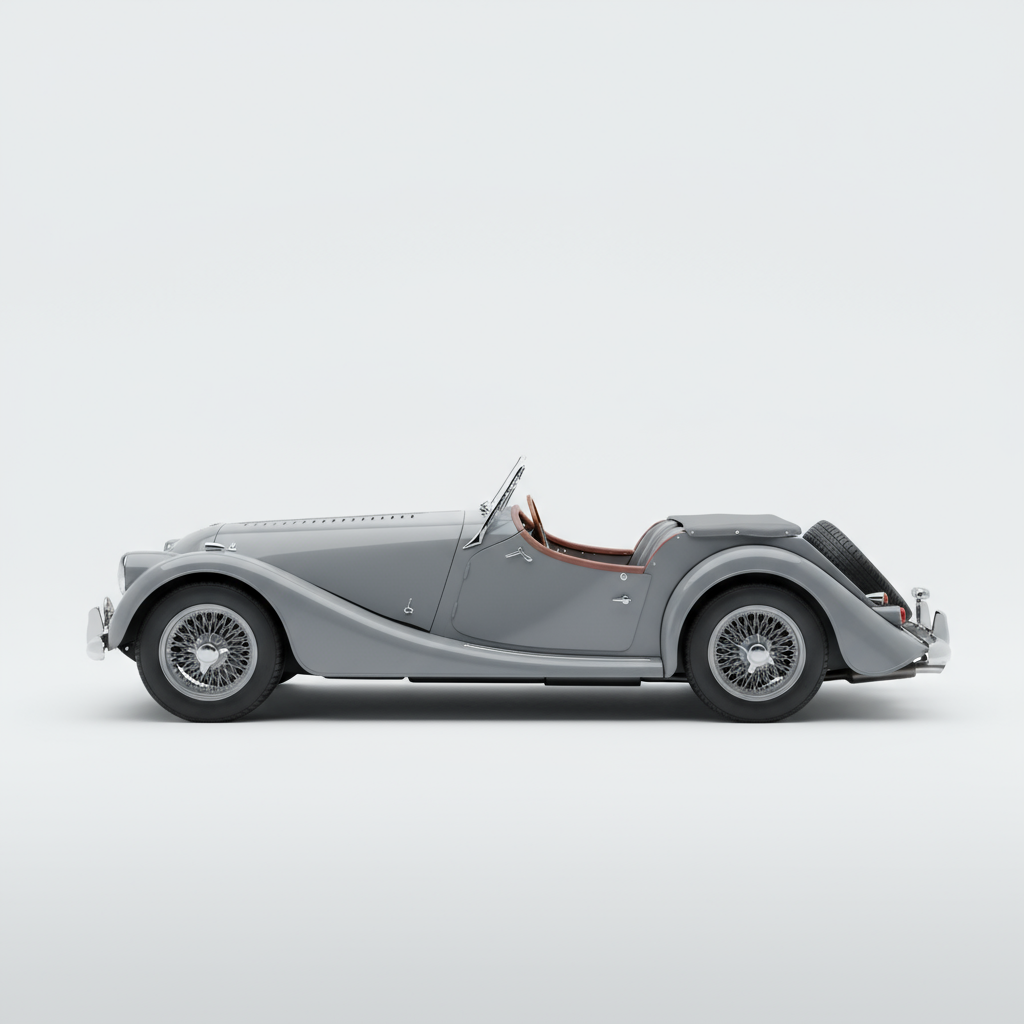
The design of the Morgan 4/4 is unmistakably classic and elegant. With its 3890 mm length, 1500 mm width, and 1290 mm height, its proportions are perfect for a two-seater roadster. The fluid lines, separate fenders, and vertical grille evoke the golden age of motoring. Every detail, from the round headlights to the 15-inch wheels with 165/90 R15 tires, contributes to a timeless aesthetic that never goes out of style. It is a car that attracts glances and arouses admiration, a work of art on wheels that combines artisanal tradition with functional beauty.
Technology and features
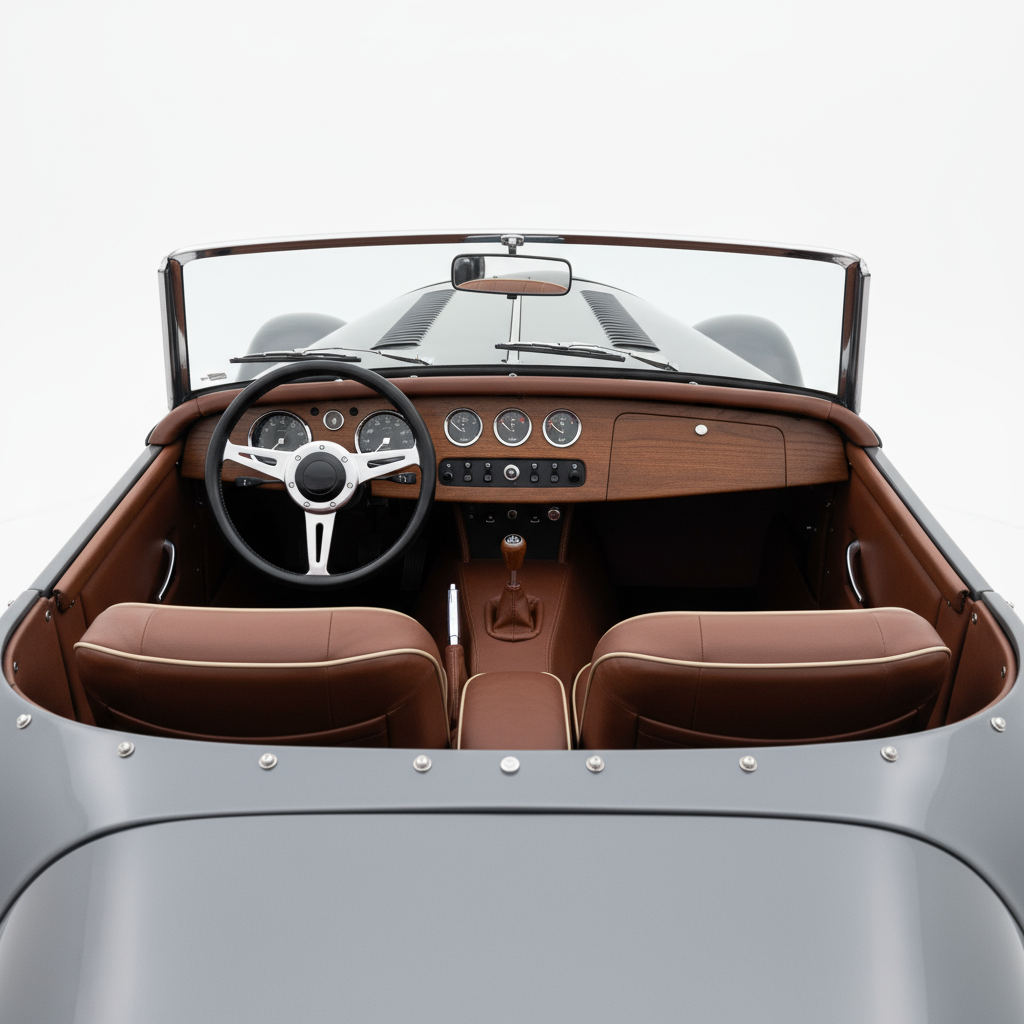
In the Morgan 4/4, technology is reduced to the essentials. Its 1.8-liter gasoline engine with indirect injection and an aluminum cylinder head on an iron block is an example of robust and reliable engineering. The 5-speed manual transmission and dry single-disc clutch are proven components that offer direct mechanical interaction. There are no driving assistance systems, touch screens, or advanced connectivity. The technology here is that of pure mechanics, designed to last and to offer an unfiltered driving experience. The 280 mm front disc brakes and 230 mm rear drums perform their function effectively, while the unassisted rack-and-pinion steering keeps you in total control.
Competition
In its time, the Morgan 4/4 had no direct rivals in the conventional sense. Its proposal was unique, appealing to a niche market that sought the authenticity and charm of classic cars with the reliability of a modern engine. Other roadsters of the era, such as the Mazda MX-5, offered a fun and accessible driving experience, but lacked the pedigree and exclusivity of the Morgan. British sports cars like the Lotus Elise focused more on pure performance and extreme lightness. The Morgan 4/4 was in a category of its own, a car for those who valued tradition, craftsmanship, and an emotional connection with their vehicle above performance or cutting-edge technology.
Conclusion
The 1993 Morgan 4/4 is more than a car; it is a philosophy, a way of understanding driving. It is a vehicle that invites you to disconnect from the modern world and reconnect with the road, with the wind, and with the pure joy of driving. Its timeless design, pure sensations, and simple mechanics make it a collector's item for motoring enthusiasts. It is not for everyone, but for those who appreciate its uniqueness, the Morgan 4/4 offers an unparalleled experience, a journey back in time to an era where driving was an adventure and every journey a story to tell.