
Especificaciones y análisis del Nissan LEAF
Power
109HP
Torque
280Nm
Consumption
-l/100
Emissions
-g/km
0-100 km/h
11.9s
Top Speed
145km/h
Weight
1600kg
Price
29,950€
Technical summary
Eléctrico
Automático 1v
FWD
5 / 5 doors
330 L
- L
80 kW
Current
Technical specifications
Engine
Capacities
Detailed analysis of the Nissan LEAF · 109 CV (2011-2012)
General description
The 2011 Nissan LEAF marked a milestone in automotive history, being one of the first mass-produced electric vehicles to hit the market. Priced at €29,950 at its launch, this pioneer offered a real alternative to combustion cars, promising cleaner and more efficient mobility. Its arrival generated great anticipation and paved the way for the electrification we know today.
Driving experience
Driving the 2011 Nissan LEAF was a different experience. The absence of combustion engine noise and the instant delivery of its 109 electric horsepower provided a feeling of smoothness and agility in the city. Its acceleration from 0 to 100 km/h in 11.9 seconds, while not breathtaking, was sufficient for daily use. The top speed of 145 km/h made it suitable for highways, although its 24 kWh range encouraged careful trip planning. Electric power steering and McPherson front suspension offered comfortable and predictable handling, ideal for urban driving.
Design and aesthetics
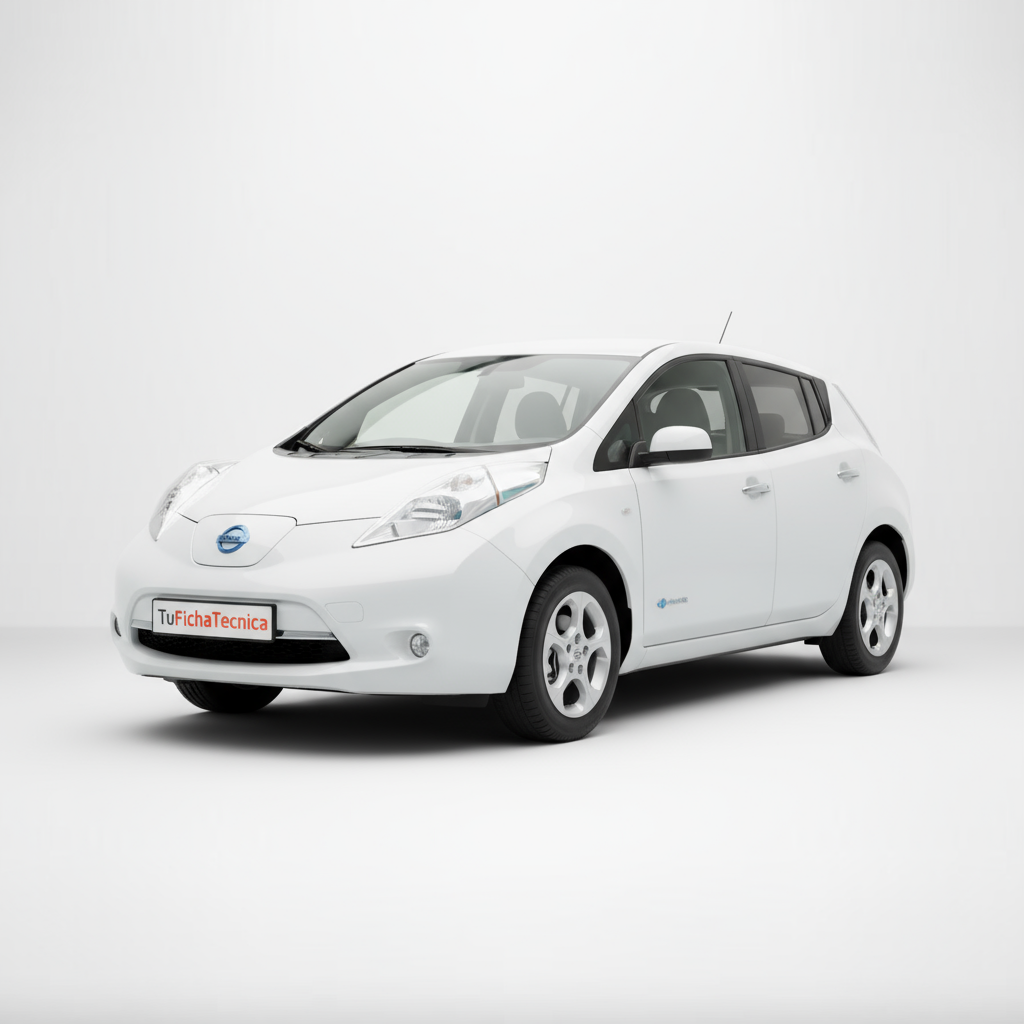
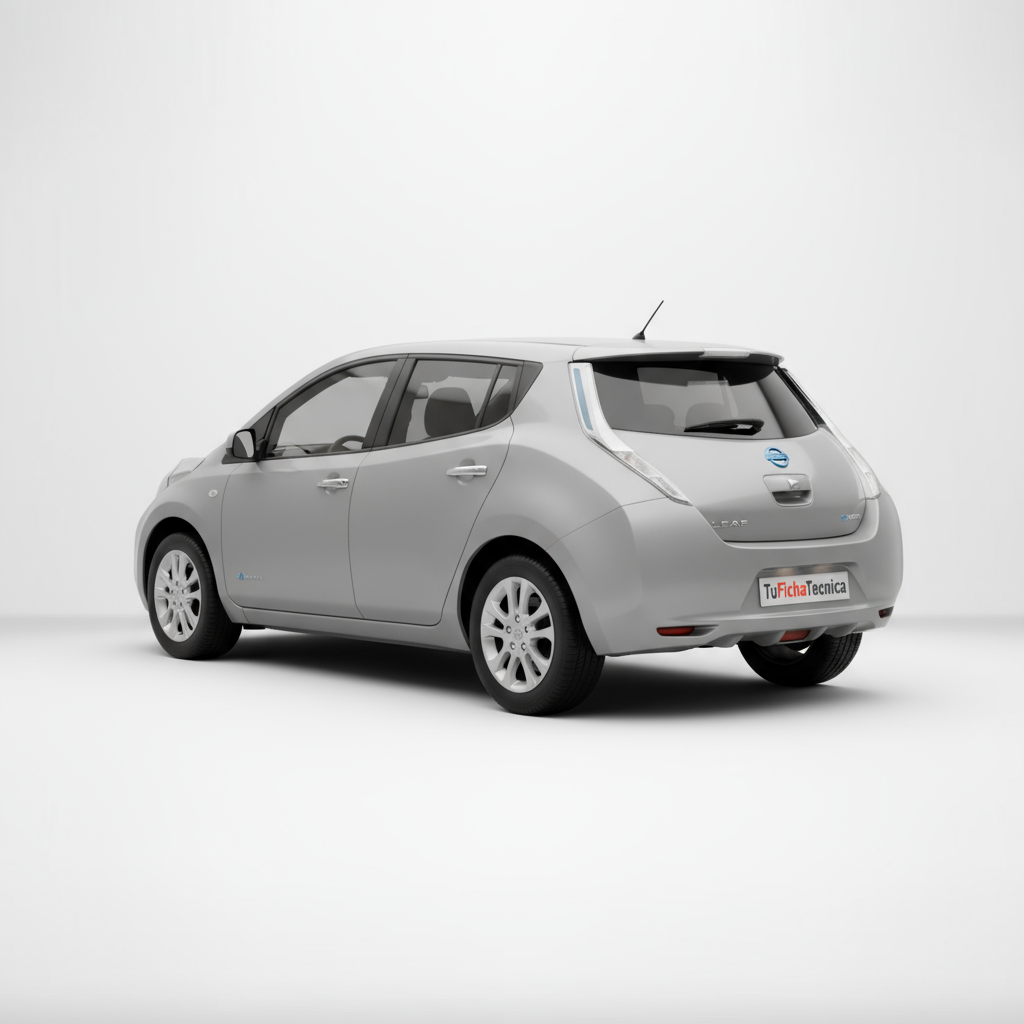
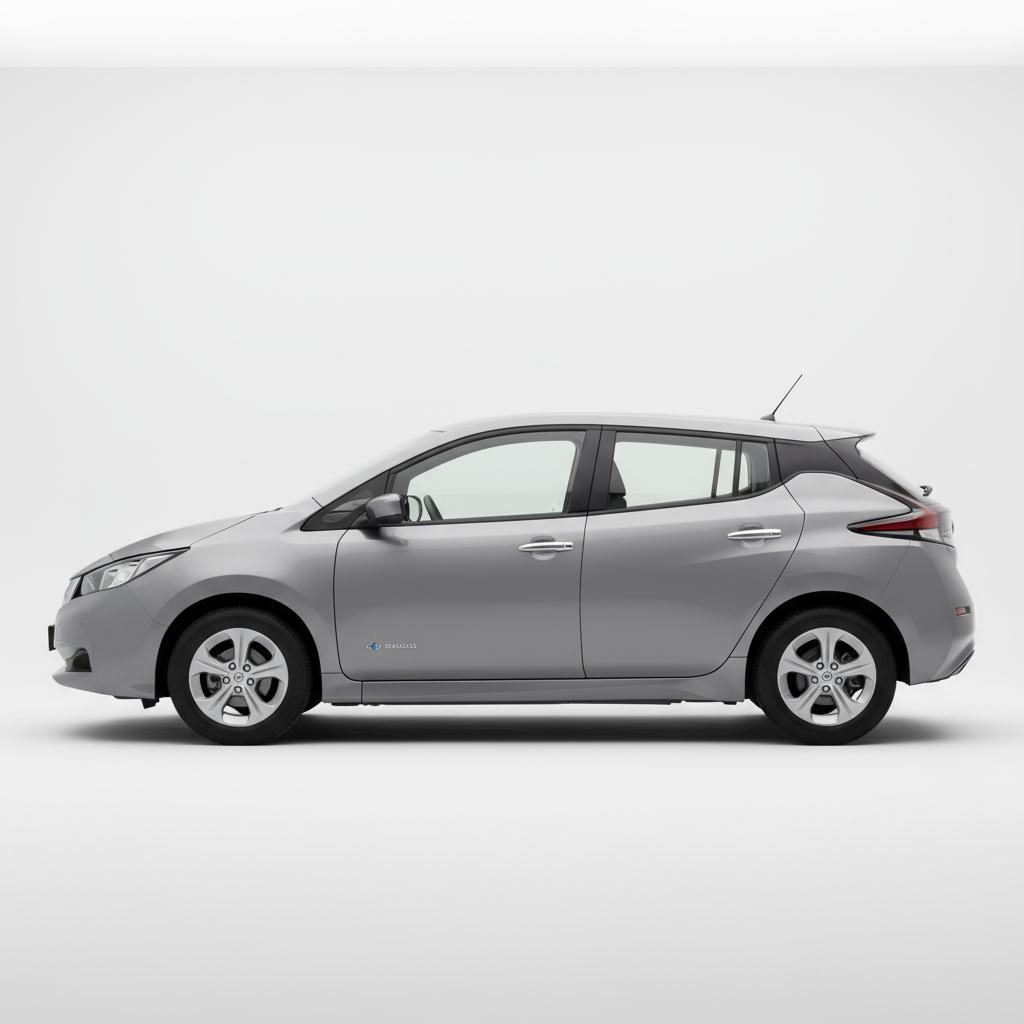
The design of the 2011 Nissan LEAF was unmistakable and, for many, futuristic at the time. Its soft, rounded lines, with a distinctive front end and prominent headlights, aimed to optimize aerodynamics. At 4450 mm long, 1770 mm wide, and 1550 mm high, it offered a spacious cabin for five occupants and a 330-liter trunk, practical for family needs. Its aesthetic, though polarizing for some, reflected its innovative nature and commitment to sustainability.
Technology and features
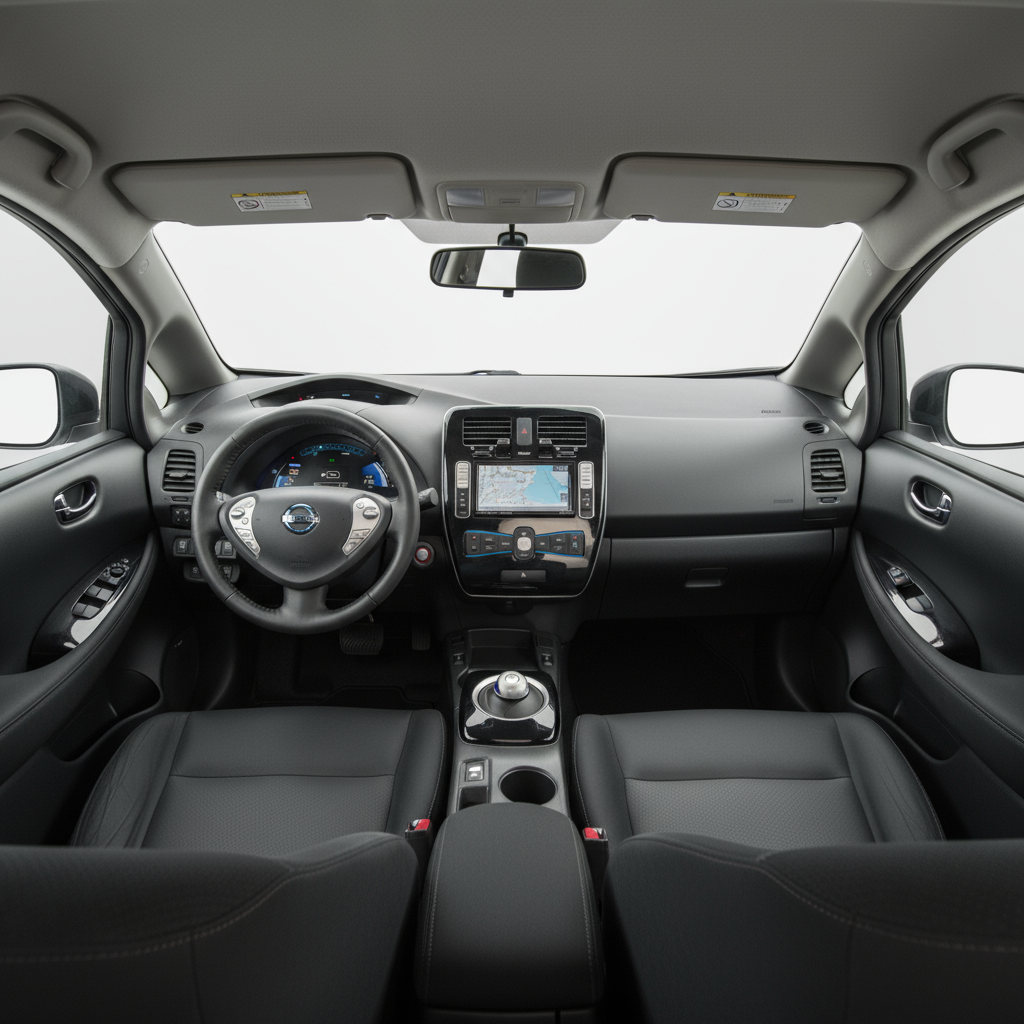
The technological heart of the 2011 Nissan LEAF was its 109 hp electric motor and its 24 kWh lithium-ion battery, located in the central rear part to optimize weight distribution. A full charge with alternating current took about 7 hours, a considerable time by today's standards, but revolutionary in its time. It had front-wheel drive and a single-speed automatic transmission, simplifying the driving experience. Although it lacked today's advanced driving aids, its technology represented a qualitative leap towards electric mobility.
Competition
In 2011, the Nissan LEAF faced a very limited landscape of electric vehicles. Its main rivals were models like the Mitsubishi i-MiEV and its derivatives (Citroën C-Zero and Peugeot iOn), which offered similar ranges and performance, but with a more urban focus. It also competed, indirectly, with plug-in hybrids that were beginning to emerge, although the LEAF positioned itself as a pure electric, marking a clear difference in the market.
Conclusion
The 2011 Nissan LEAF was a brave and visionary car that laid the foundation for the electric revolution. Although its range and charging times may seem modest today, at the time it was a pioneer that demonstrated the viability of the electric car for daily use. Its distinctive design and commitment to sustainability made it an icon, paving the way for a new era of motoring. It was a car that, without a doubt, left an indelible mark on automotive history.