
Especificaciones y análisis del Nissan LEAF
Power
109HP
Torque
254Nm
Consumption
-l/100
Emissions
-g/km
0-100 km/h
11.5s
Top Speed
144km/h
Weight
1587kg
Price
35,370€
Technical summary
Eléctrico
Automático 1v
FWD
5 / 5 doors
355 L
- L
80 kW
Current
Technical specifications
Engine
Capacities
Detailed analysis of the Nissan LEAF 24 kWh Tekna · 109 CV (2015-2016)
General description
The 2016 Nissan LEAF 24 kWh Tekna stands as a pioneering option in the world of electric vehicles, a car that, despite its age, remains a benchmark for sustainable mobility. With its distinctive design and clear value proposition, this LEAF aimed to democratize access to electric technology, offering a real alternative to combustion engines at a time when electrification was still a novelty for many. It is a vehicle that invites reflection on the future of transportation and how Nissan dared to lead that path.
Driving experience
Behind the wheel of the Nissan LEAF 24 kWh Tekna, the experience is surprisingly smooth and quiet. The absence of combustion engine noise and vibrations translates into a relaxed and pleasant drive, ideal for daily city use. The instant acceleration of its 109 HP, thanks to its 254 Nm of torque available from the very first moment, offers unexpected agility in urban traffic and satisfactory response on the open road. The electric power steering and front McPherson suspension contribute to a sense of control and comfort, although it is not a car designed for sportiness, but for efficiency and tranquility. The range, while limited by the technology of the time, is sufficient for most daily commutes, encouraging conscious trip planning.
Design and aesthetics
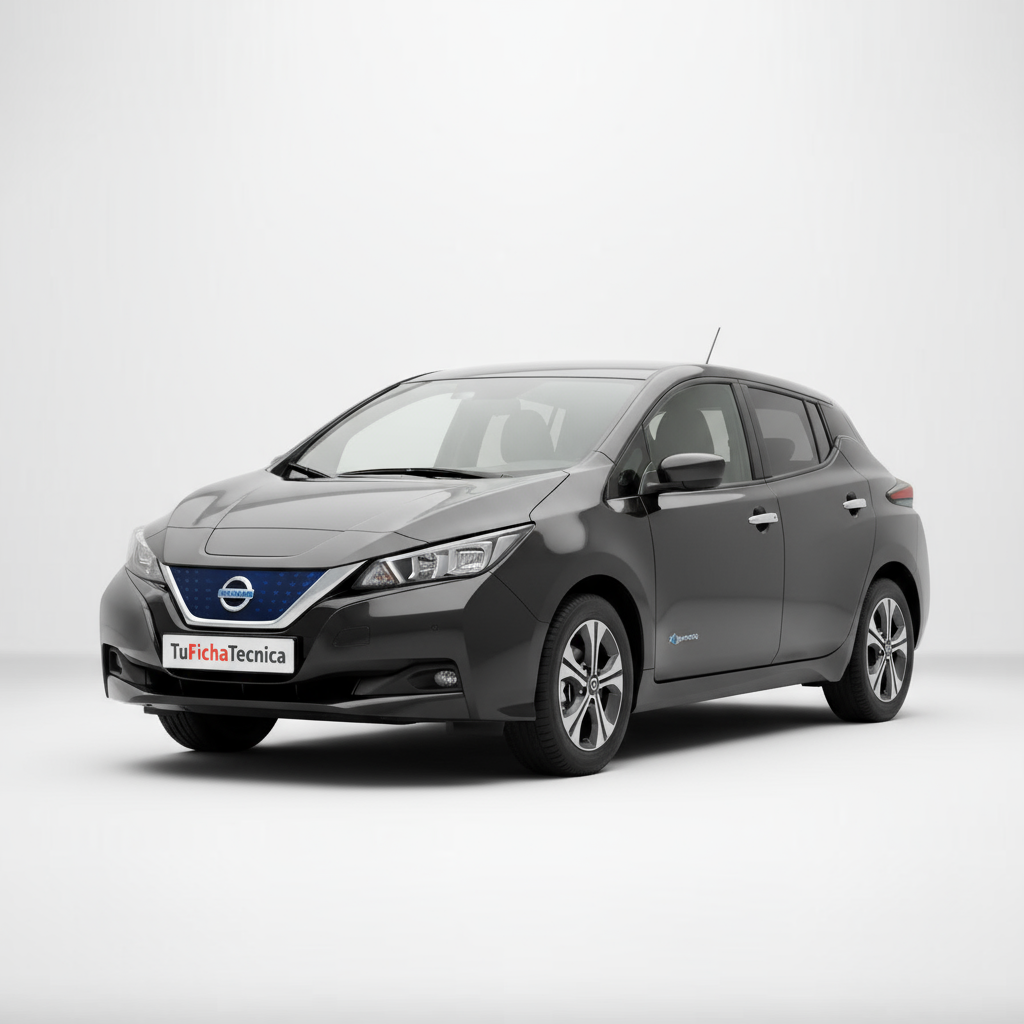
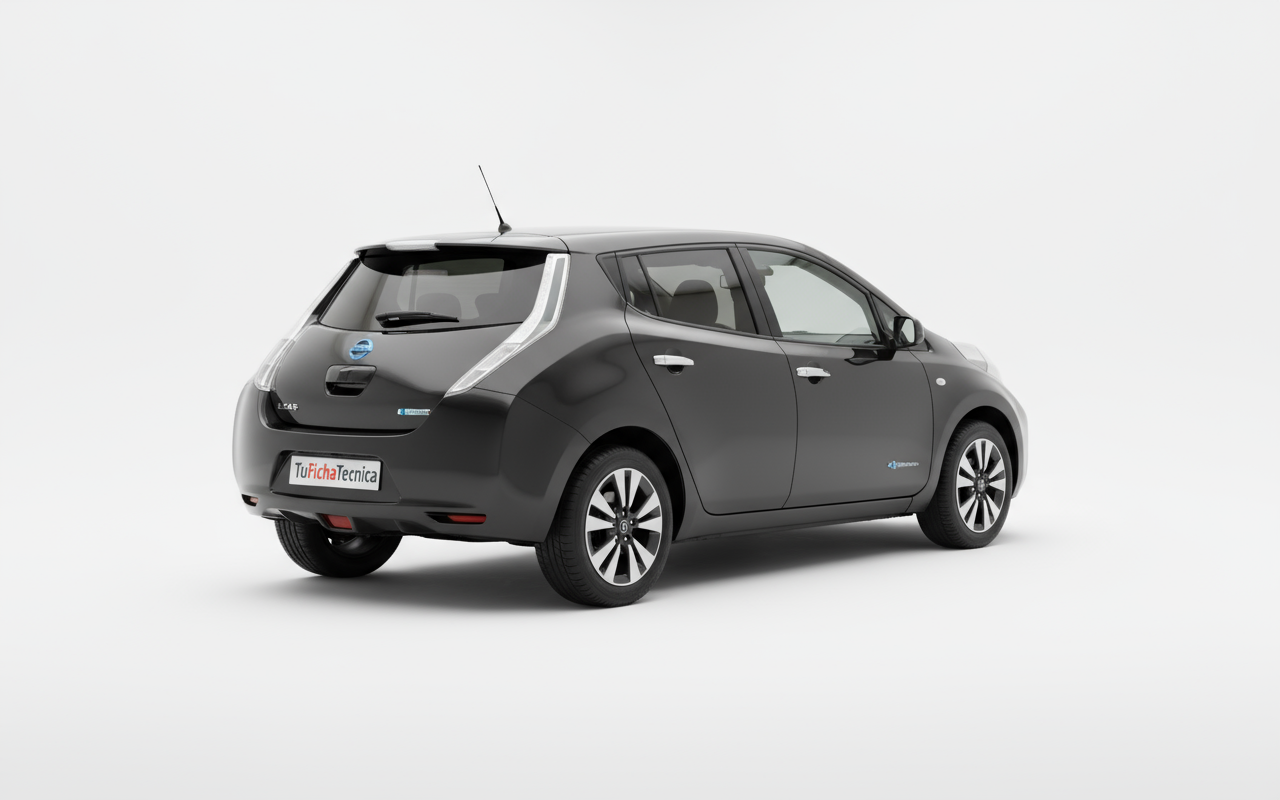
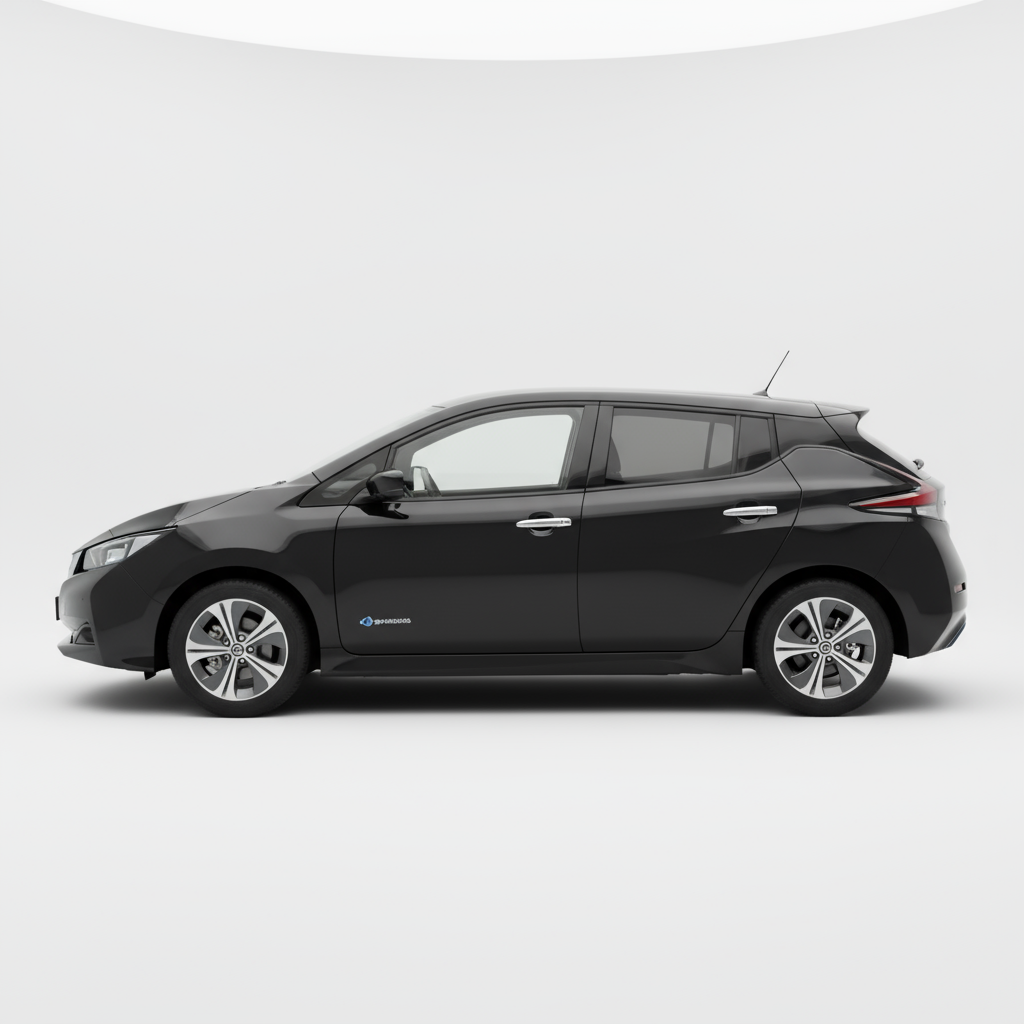
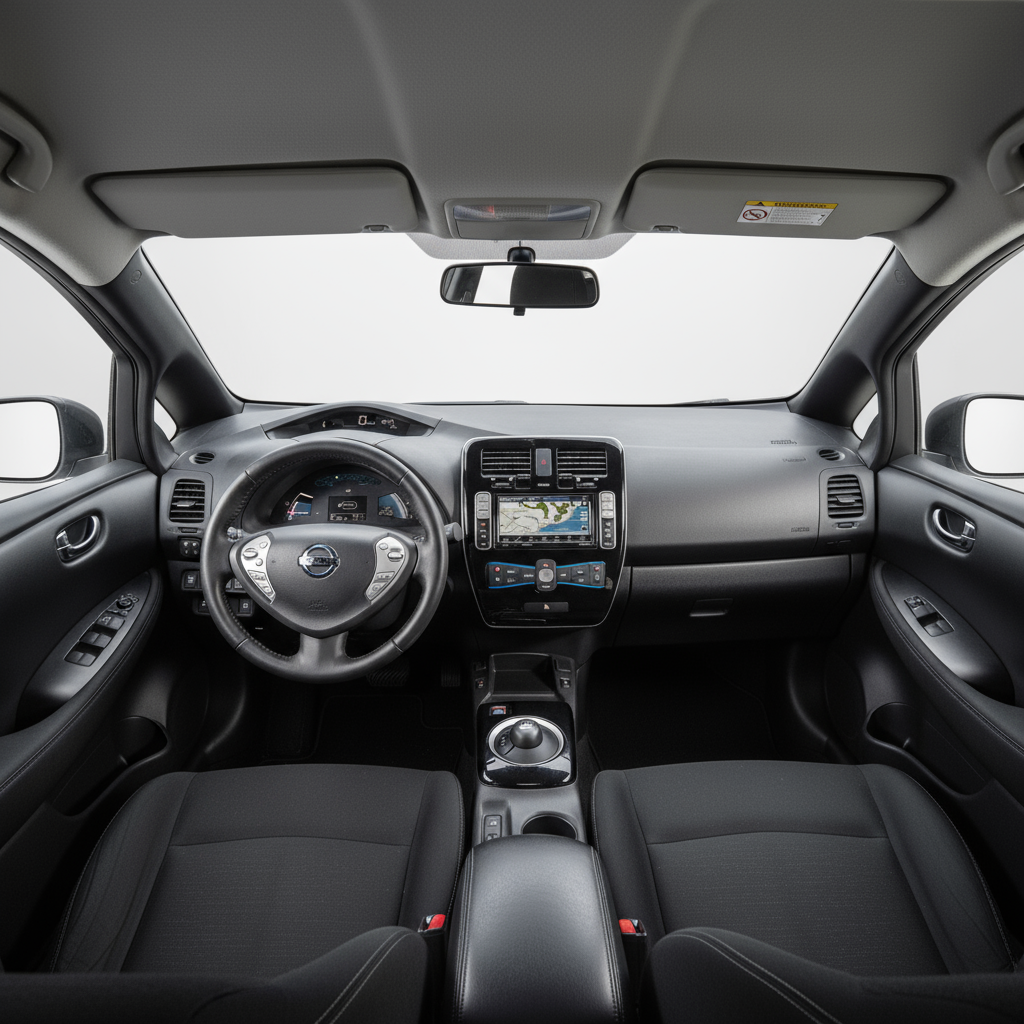
The design of the 2016 Nissan LEAF is unmistakable and polarizing. Its rounded lines and characteristic front end, with those prominent headlights extending backwards, were conceived not only for aesthetics but also for aerodynamics, seeking to maximize efficiency. The interior, though functional, stands out for its spaciousness and sense of light, with a dashboard that integrates digital instrumentation clearly and accessibly. The materials, while not luxurious, are durable and well-assembled, reflecting the car's practical philosophy. It is a design that prioritizes habitability and visibility, creating a welcoming environment for its five occupants.
Technology and features
The technology of the 2016 Nissan LEAF 24 kWh Tekna focuses on its electric propulsion. Its 24 kWh battery, strategically located in the rear center to optimize weight distribution, powers a 109 HP electric motor. A full charge with alternating current takes approximately 8 hours, making it ideal for overnight charging at home. Although it lacks the range and charging speeds of more modern models, at the time it represented a significant advance. It incorporates elements such as a single-speed automatic transmission, which simplifies driving, and a regenerative braking system that helps recover energy. The DGT's '0 emissions' label is a clear indicator of its commitment to the environment.
Competition
In 2016, the Nissan LEAF faced a still nascent electric vehicle landscape. Its main rivals were models such as the Renault ZOE, which offered a similar proposition in size and concept, or the BMW i3, which opted for a more avant-garde design and lightweight materials. It also competed indirectly with plug-in hybrid versions from other brands that offered greater total range, albeit with the complexity of two propulsion systems. The LEAF positioned itself as a more accessible option with a more traditional approach to its design and habitability, seeking to attract a broad public looking to make the leap to electric mobility without great eccentricities.
Conclusion
The 2016 Nissan LEAF 24 kWh Tekna is more than a car; it is a milestone in the history of electric automotive. It offers a serene and efficient driving experience, a functional design, and technology that, although surpassed by current advancements, was pioneering in its time. It is an ideal vehicle for those seeking sustainable urban and peri-urban mobility, with reduced running costs and the satisfaction of contributing to a cleaner future. Its reliability and value proposition make it an interesting option in the second-hand market for those wishing to enter the electric world.