
Especificaciones y análisis del Nissan LEAF
Power
109HP
Torque
254Nm
Consumption
-l/100
Emissions
-g/km
0-100 km/h
11.5s
Top Speed
144km/h
Weight
1549kg
Price
29,460€
Technical summary
Eléctrico
Automático 1v
FWD
5 / 5 doors
370 L
- L
80 kW
Current
Technical specifications
Engine
Capacities
Detailed analysis of the Nissan LEAF 24 kWh Visia · 109 CV (2015-2017)
General description
The 2016 Nissan LEAF, in its 24 kWh Visia version, stands as a pioneer in electric mobility, offering an interesting value proposition for those looking to enter the world of zero-emission vehicles. With a price of 29,460 euros, this model is positioned as an accessible and functional option for daily use, standing out for its commitment to the environment and its energy efficiency.
Driving experience
Behind the wheel of the Nissan LEAF, the experience is surprisingly smooth and quiet. The absence of combustion engine noise and vibrations translates into superior ride comfort, ideal for urban and suburban journeys. The instant acceleration, thanks to its 109 hp and 254 Nm of torque, allows for agile response in traffic, although its top speed of 144 km/h and 0 to 100 km/h acceleration in 11.5 seconds orient it more towards calm use than sporty. The electric power steering contributes to relaxed driving, while the suspension, McPherson type at the front and trailing arm with torsional element at the rear, effectively filters out road irregularities.
Design and aesthetics
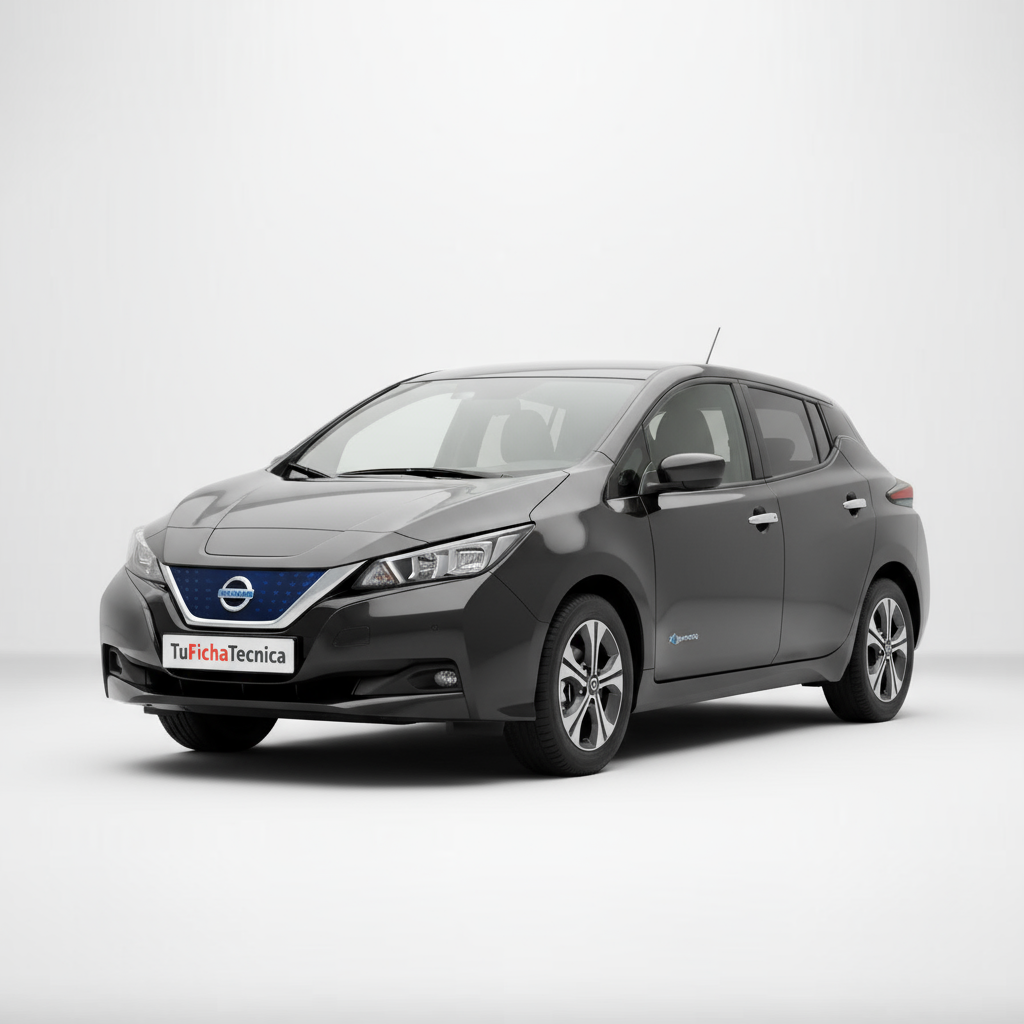
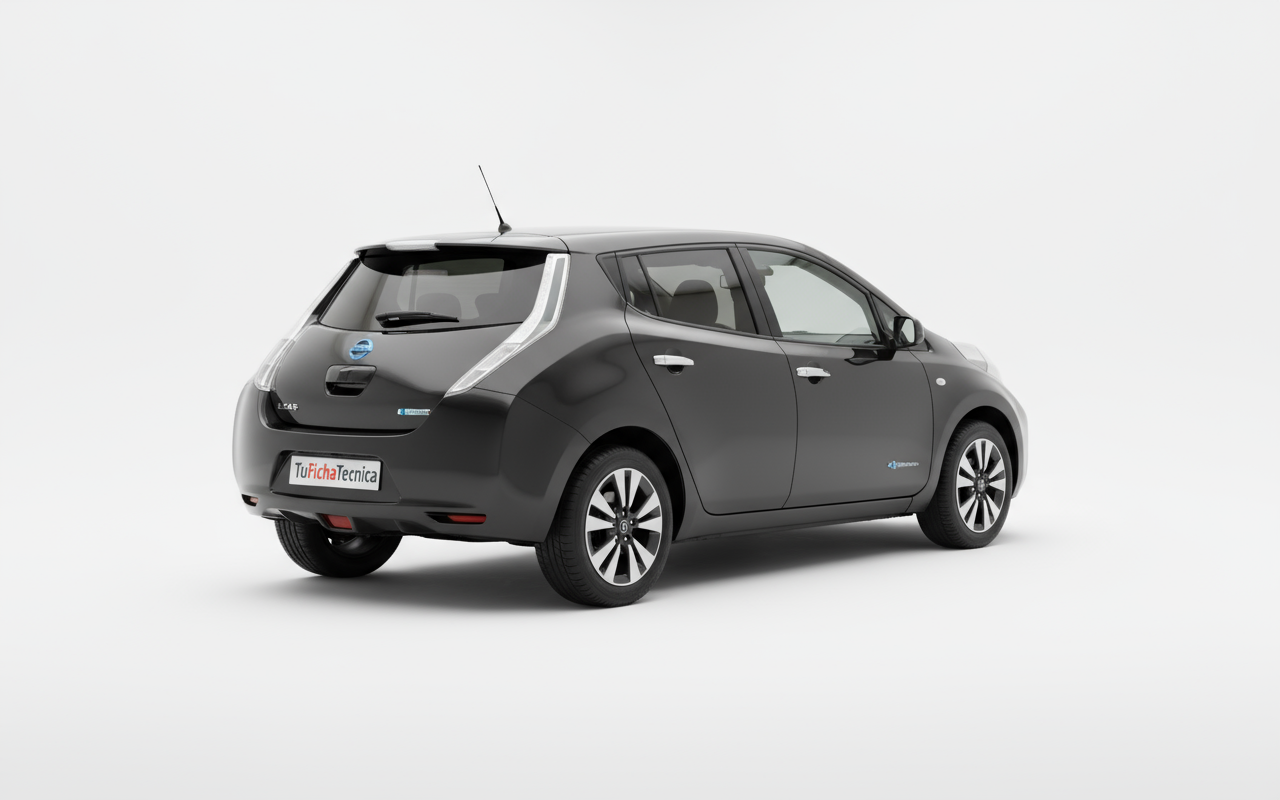
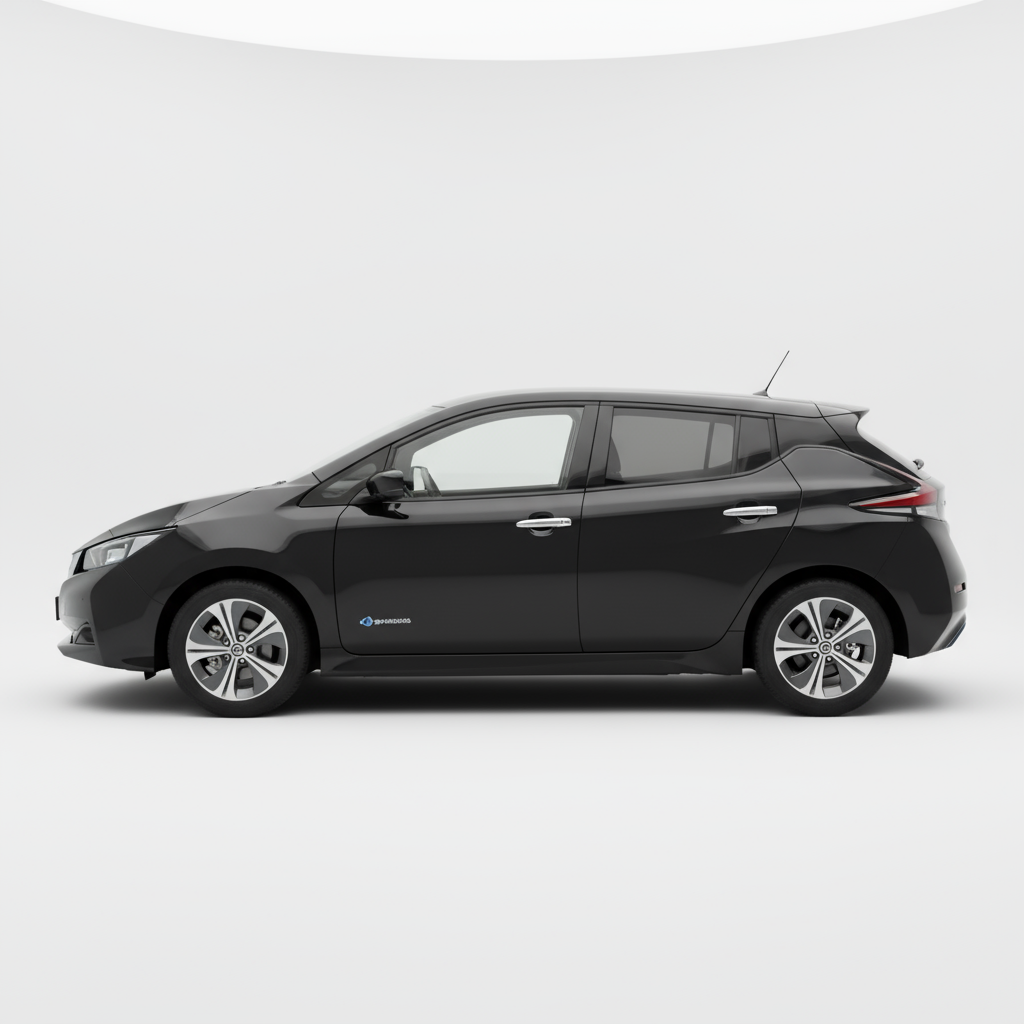
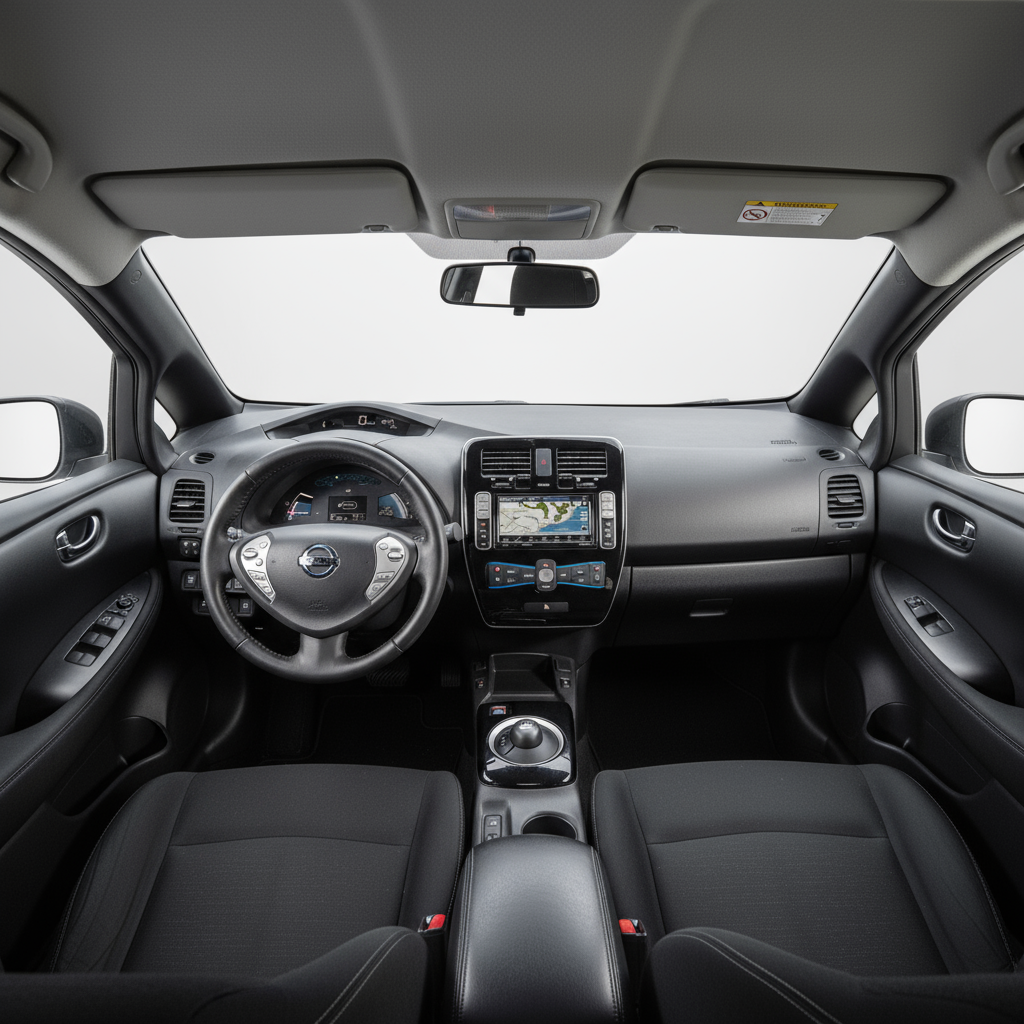
The design of the 2016 Nissan LEAF is distinctive and functional, though perhaps not as avant-garde as other more recent electric models. Its soft, rounded lines aim to optimize aerodynamics, a crucial factor in electric vehicles. With 4445 mm long, 1770 mm wide, and 1550 mm high, it offers a spacious cabin for five occupants and a 370-liter trunk, sufficient for daily needs. The 16-inch wheels with 205/55 R16 tires complement its aesthetic, providing a balance between efficiency and grip.
Technology and features
The technology of the 2016 Nissan LEAF focuses on its electric propulsion. Equipped with a 24 kWh capacity battery, it offers adequate range for daily use, although limited for long trips. A full charge with alternating current (AC) takes approximately 8 hours, making it ideal for overnight charging at home. Its 109 hp electric motor and single-speed automatic transmission ensure linear and efficient power delivery. Additionally, it has the DGT's '0 emissions' label, which grants it advantages in terms of access to restricted areas and tax exemptions.
Competition
In the 2016 market, the Nissan LEAF faced a growing number of competitors in the electric vehicle segment. Among its main rivals were models such as the Renault ZOE, with similar range and a more urban focus, and the BMW i3, which offered a more premium design and superior performance, albeit at a considerably higher price. Other contenders included the Volkswagen e-Golf and the Kia Soul EV, which also sought their share in the nascent electric car market.
Conclusion
The 2016 Nissan LEAF is a vehicle that, despite its age, remains an interesting option for those looking for a reliable and economical electric car for daily use. Its ride comfort, interior space, and commitment to sustainability make it an attractive alternative for urban and suburban mobility. While its range may be a limiting factor for some, its price and environmental benefits position it as a car with great emotional and practical value.