
Especificaciones y análisis del Opel Astra
Power
75HP
Torque
165Nm
Consumption
4.4l/100
Emissions
-g/km
0-100 km/h
15s
Top Speed
175km/h
Weight
1280kg
Price
15,180€
Technical summary
Gasóleo
Manual 5v
FWD
5 / 5 doors
370 L
52 L
55 kW
Current
Technical specifications
Engine
Capacities
Detailed analysis of the Opel Astra 5p Eco 4 1.7 Dti 16V · 75 CV (2001-2003)
General description
The Opel Astra 5p Eco 4 1.7 Dti 16V, manufactured between 2001 and 2003, is presented as a sensible and economical option within the compact segment. Priced at 15,180 euros at the time, this model aimed to offer efficient and reliable everyday mobility, without great sporting pretensions but with the solidity expected from the Opel brand.
Driving experience
Behind the wheel, the 75 hp Astra 1.7 DTi offers a calm and predictable driving experience. Its diesel engine, although not a powerhouse, more than suffices for urban driving and interurban journeys. Acceleration from 0 to 100 km/h in 15 seconds and a top speed of 175 km/h reflect its focus on efficiency rather than pure performance. The suspension, McPherson type at the front axle and trailing arm with torsional element at the rear, provides a good balance between comfort and stability, absorbing road irregularities without transmitting excessive vibrations to the cabin. The rack-and-pinion steering, although lacking the variable assistance of more modern models, offers adequate response for daily use. In general, it is a car that conveys safety and ease of handling, ideal for those looking for a reliable and uncomplicated travel companion.
Design and aesthetics
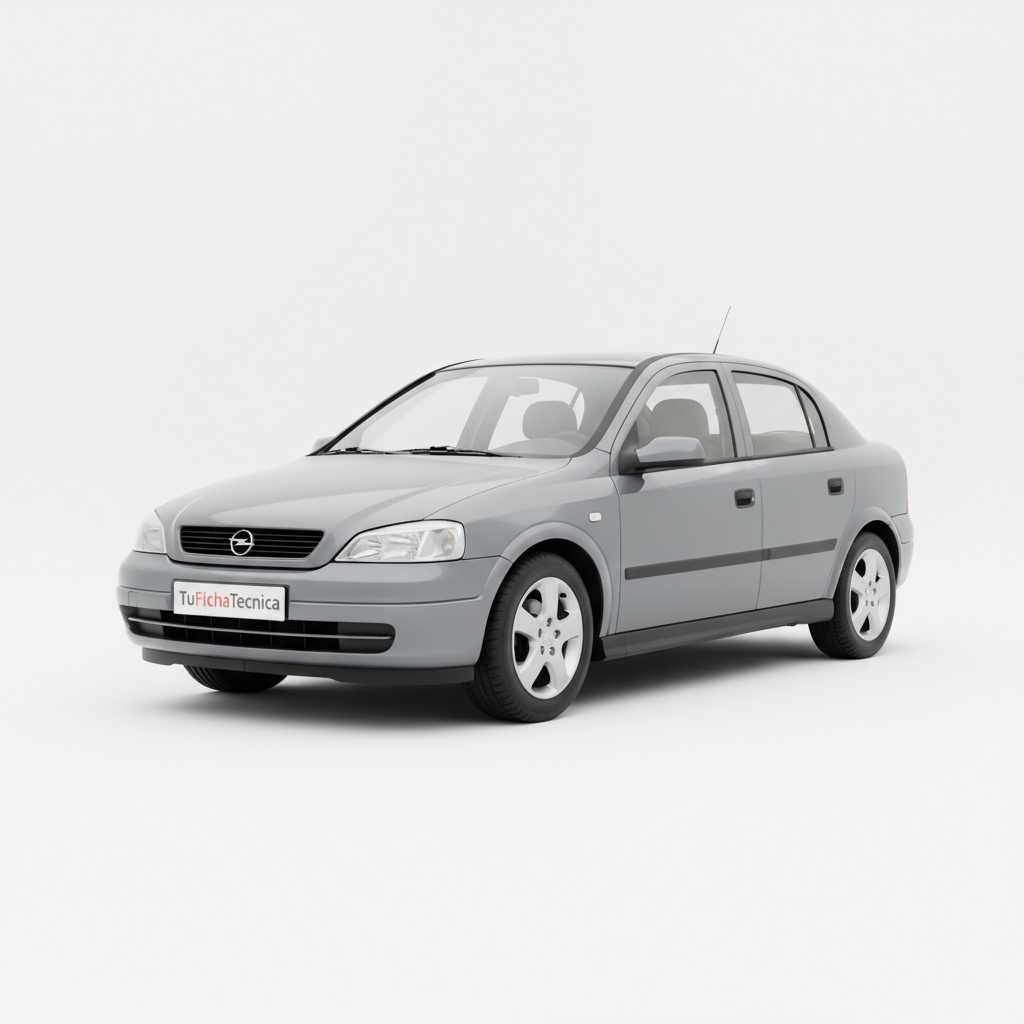
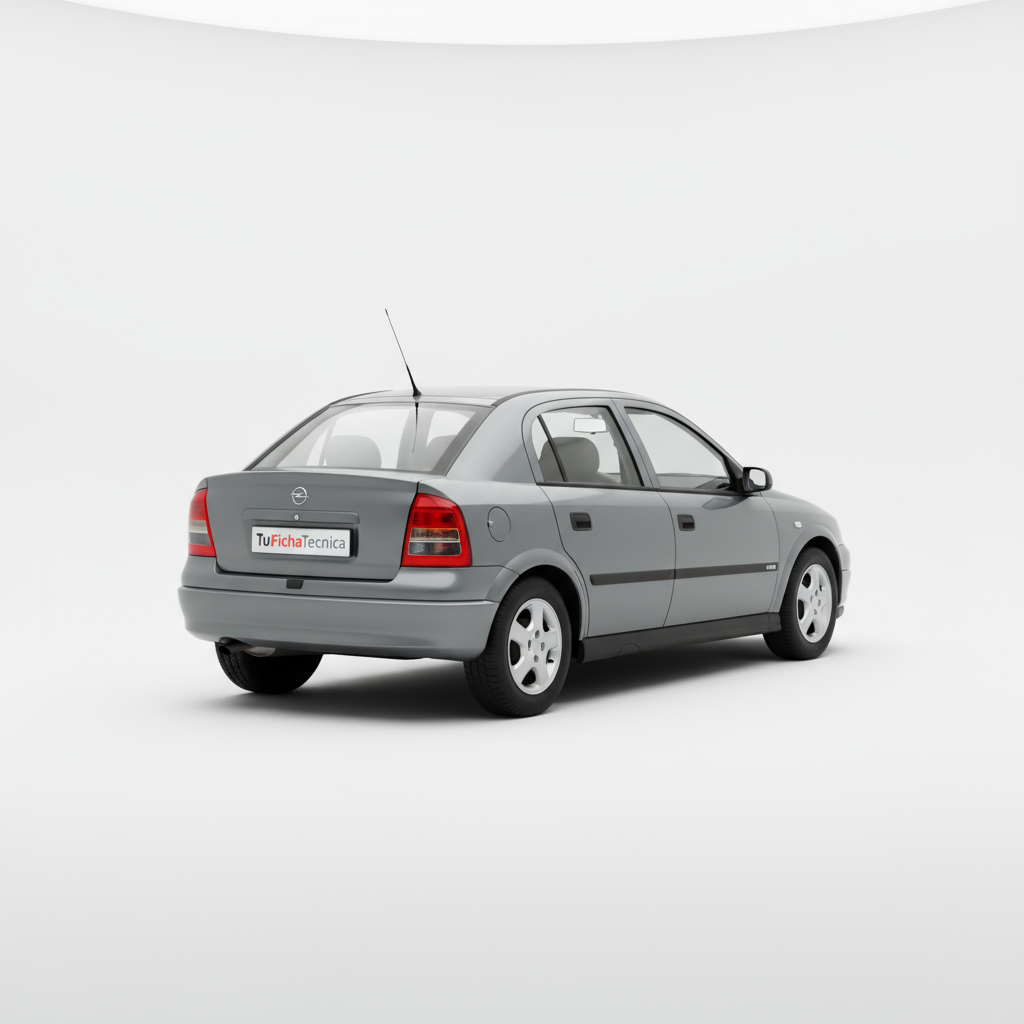
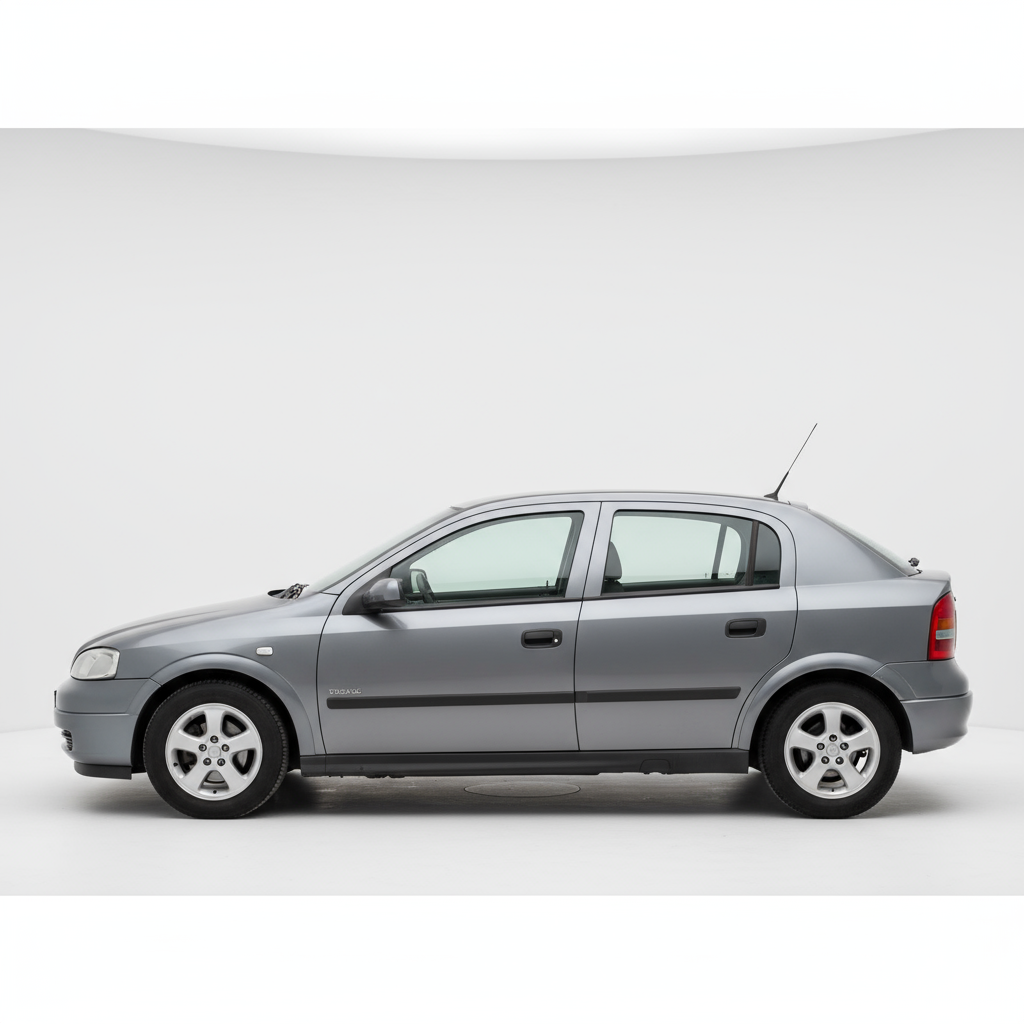
The design of this generation Opel Astra is functional and timeless. Its lines are soft and rounded, without harshness, which gives it an aesthetic that has aged gracefully. The 5-door body offers good versatility and comfortable access to the rear seats. Its compact dimensions, with 4110 mm long, 1709 mm wide and 1425 mm high, make it manageable in urban environments, while its 2606 mm wheelbase contributes to reasonable habitability for five occupants. The trunk, with 370 liters of capacity, is sufficient for a small family's luggage or for weekly shopping. In short, a design that prioritizes practicality and discretion.
Technology and features
In the technology section, the early 2000s Opel Astra 1.7 DTi focuses on the essentials. Its 1,686 cc diesel engine, with direct injection, turbo and intercooler, is an example of the diesel technology of the time, seeking maximum fuel efficiency. With a combined NEDC consumption of 4.4 l/100km, this engine was remarkably frugal. The 5-speed manual transmission is robust and reliable, offering direct and precise handling. In terms of safety, it has 256 mm ventilated disc brakes on the front axle and 240 mm discs on the rear, ensuring effective braking. Although it lacks the advanced driving aids of current vehicles, its basic equipment meets the expectations of its segment and era.
Competition
At the time, the Opel Astra 1.7 DTi 16V competed in a very tough segment with models such as the Volkswagen Golf, the Ford Focus, the Renault Mégane and the Peugeot 307. Compared to them, the Astra positioned itself as a balanced alternative, standing out for its mechanical reliability, its low fuel consumption and its sober design. While other rivals could offer a sportier driving feel or a more avant-garde interior, the Astra won over its buyers for its practicality and value for money.
Conclusion
The Opel Astra 5p Eco 4 1.7 Dti 16V is a car that, despite the years, remains an interesting option for those looking for an economical, reliable vehicle with very low consumption. Its timeless design, robust mechanics and ease of maintenance make it an ideal companion for everyday life. It is not a car for strong emotions, but for the peace of mind of knowing that it will take you to your destination efficiently and safely. A modern classic that still has much to offer.