
Especificaciones y análisis del Opel Astra
Power
120HP
Torque
280Nm
Consumption
5.8l/100
Emissions
-g/km
0-100 km/h
10.5s
Top Speed
191km/h
Weight
1393kg
Price
22,585€
Technical summary
Gasóleo
Manual 6v
FWD
5 / 5 doors
380 L
52 L
88 kW
Current
Technical specifications
Engine
Capacities
Detailed analysis of the Opel Astra 5p Cosmo 1.9 CDTi 120 CV (2004-2005)
General description
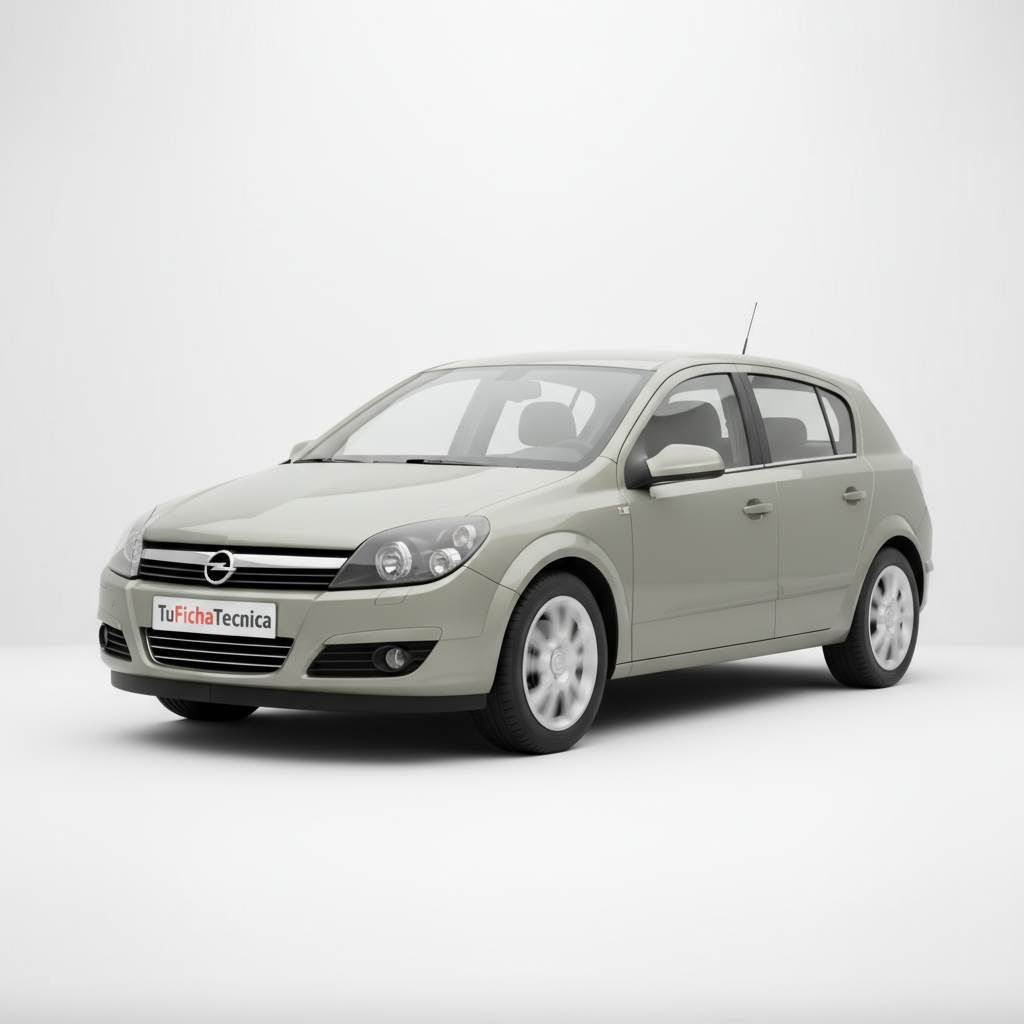
The Opel Astra 5p Cosmo 1.9 CDTi 120 HP, launched in 2004, presents itself as a solid and balanced option within the compact segment. Priced at €22,585, this model offered an attractive combination of an efficient diesel engine and Cosmo trim that promised comfort and style. Its arrival on the market marked a turning point for Opel, seeking to consolidate its position with a vehicle that stood out for its practicality and its focus on everyday use.
Driving experience
Behind the wheel, the Astra 1.9 CDTi 120 HP offered a satisfying driving experience. The diesel engine, with its 280 Nm of torque at 2000 rpm, provided a strong response from low revs, ideal for overtakes and recoveries. Acceleration from 0 to 100 km/h in 10.5 seconds and a top speed of 191 km/h made it agile on the road. The suspension, McPherson type at the front and torsion beam with trailing arm at the rear, sought a balance between comfort and stability, absorbing road irregularities well without sacrificing the feeling of control. The rack-and-pinion steering transmitted a good connection with the road, making every journey predictable and safe. The combined consumption of 5.8 l/100km was a strong point, promising considerable autonomy thanks to its 52-liter tank.
Design and aesthetics
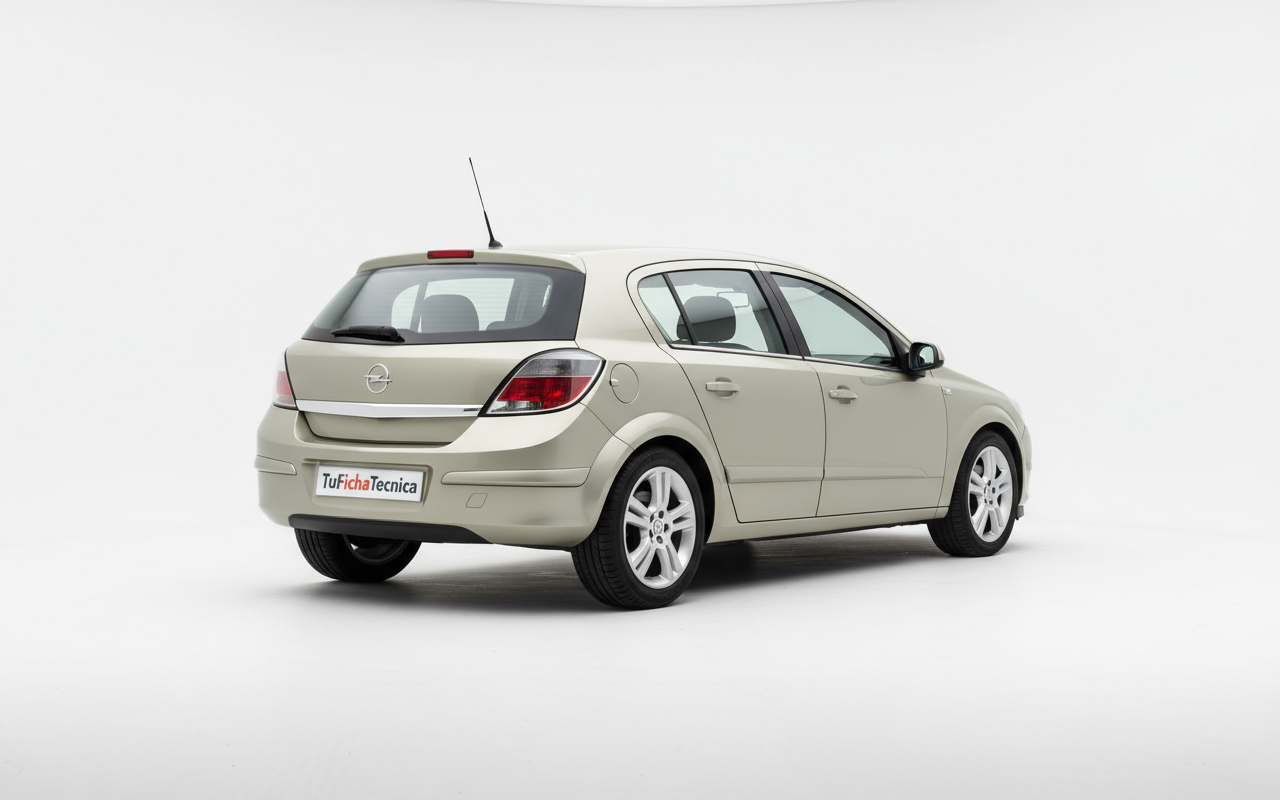
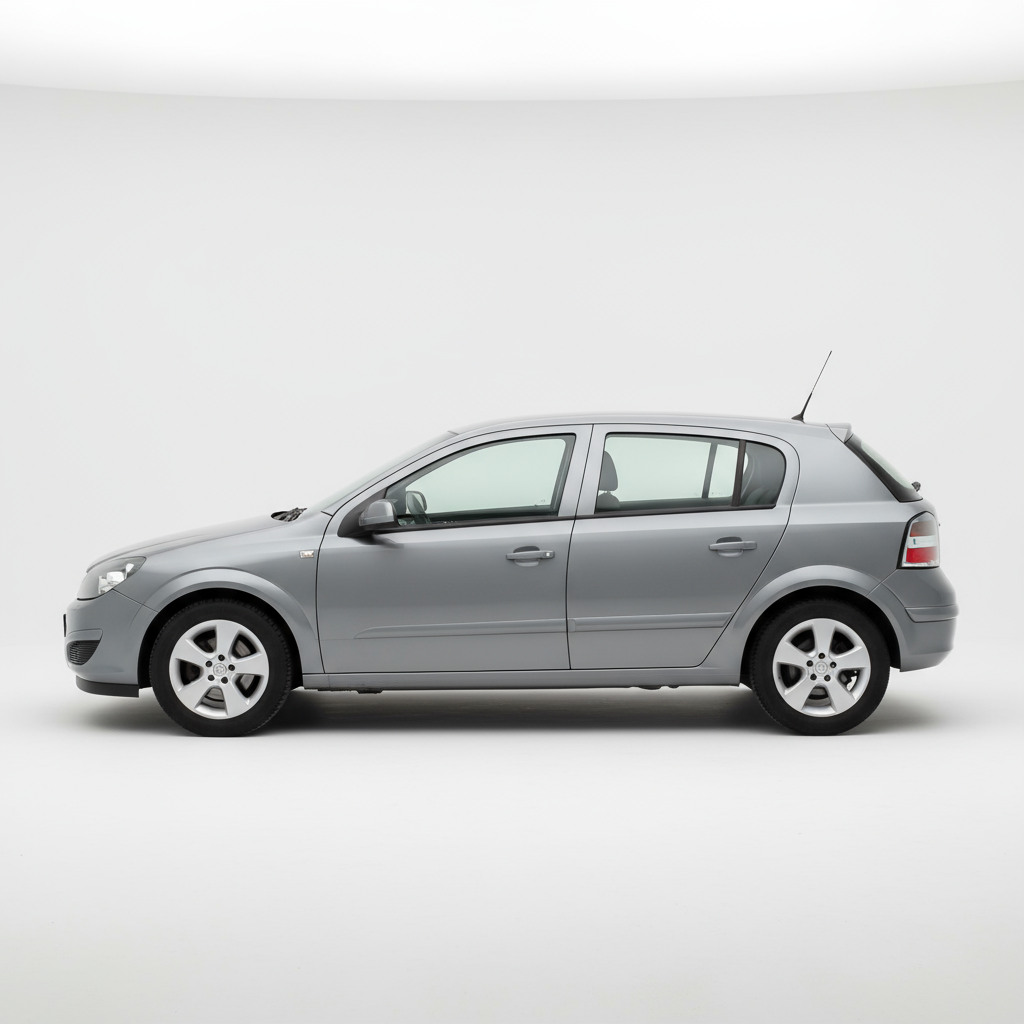
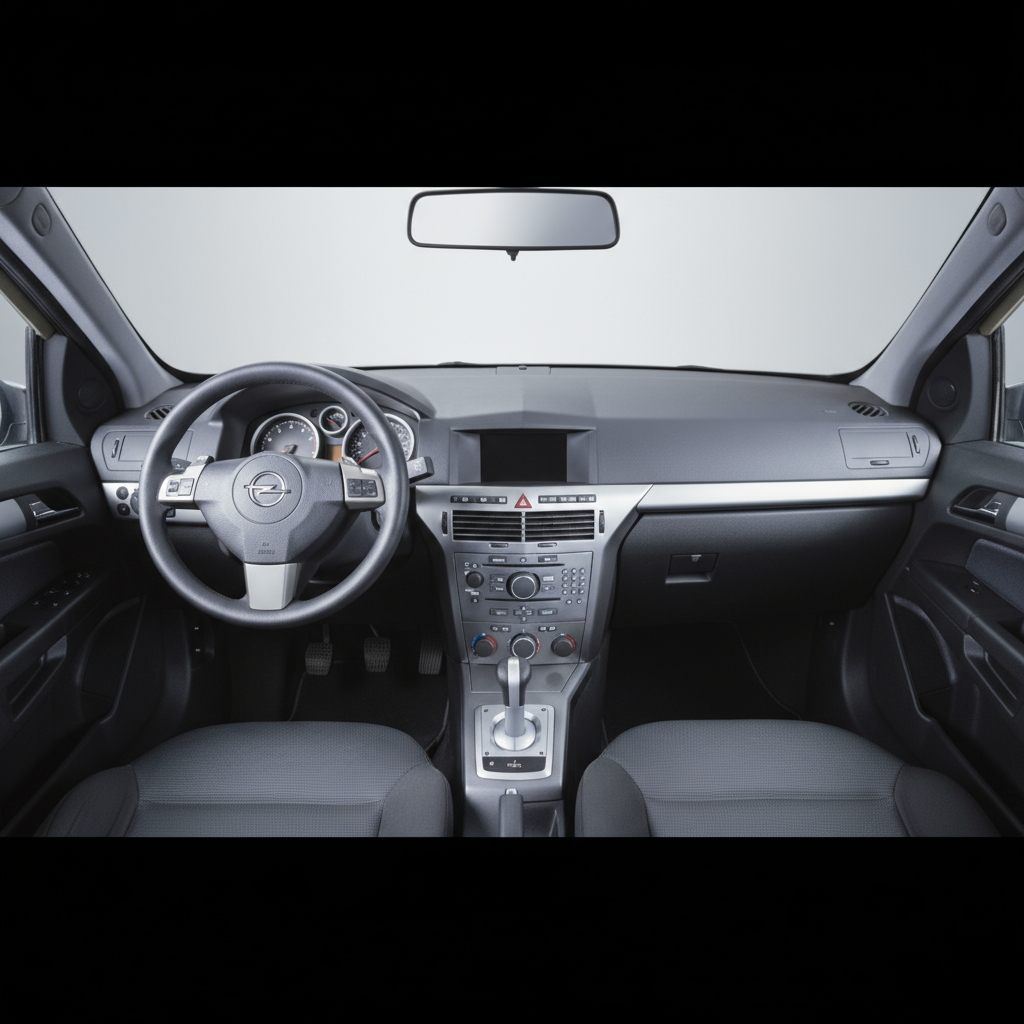
The design of the 2004 Opel Astra, in its 5-door version, was characterized by clean lines and a robust and functional aesthetic. With a length of 4249 mm, a width of 1753 mm, and a height of 1445 mm, it presented balanced proportions that gave it a solid presence on the road. The Cosmo finish added a touch of distinction, with details that enhanced its appeal without being excessive. The interior, although not revolutionary, was ergonomic and well-resolved, with an intuitive dashboard and materials that, while not premium, conveyed a sense of durability. The 380-liter trunk offered adequate capacity for the needs of a family or for daily use.
Technology and features
In terms of technology, the 2004 Opel Astra 1.9 CDTi incorporated proven and efficient mechanical solutions. The 1910 cc diesel engine, with common rail direct injection, variable geometry turbo, and intercooler, was an example of diesel engineering of the time, offering good performance and remarkable efficiency. The 6-speed manual gearbox allowed maximum use of the engine's torque curve. In terms of safety, it featured 308 mm ventilated disc brakes on the front axle and 264 mm discs on the rear, ensuring effective braking. Although advanced driving assistance systems are not detailed, its standard equipment included what was expected for a car of its segment and year.
Competition
In the competitive compact segment, the Opel Astra 1.9 CDTi 120 HP faced tough rivals. Models such as the Volkswagen Golf, Ford Focus, Renault Mégane, or Peugeot 307 were its main contenders. Each offered its own virtues, whether in design, driving dynamics, or equipment. The Astra positioned itself as a balanced alternative, standing out for its powerful and efficient diesel engine, its sober design, and its good compromise between comfort and stability, seeking to attract those who valued reliability and practicality in their vehicle.
Conclusion
The 2004 Opel Astra 5p Cosmo 1.9 CDTi 120 HP was a car that more than met the expectations of its segment. It offered a robust and efficient diesel engine, a timeless design, and a functional interior. Its road behavior was predictable and safe, and its contained consumption made it an economical option for everyday use. Although it did not stand out for revolutionary innovations, its overall balance and reliability made it a popular choice for many drivers looking for a versatile and trustworthy compact. A car that, without great fanfare, did its job well.