
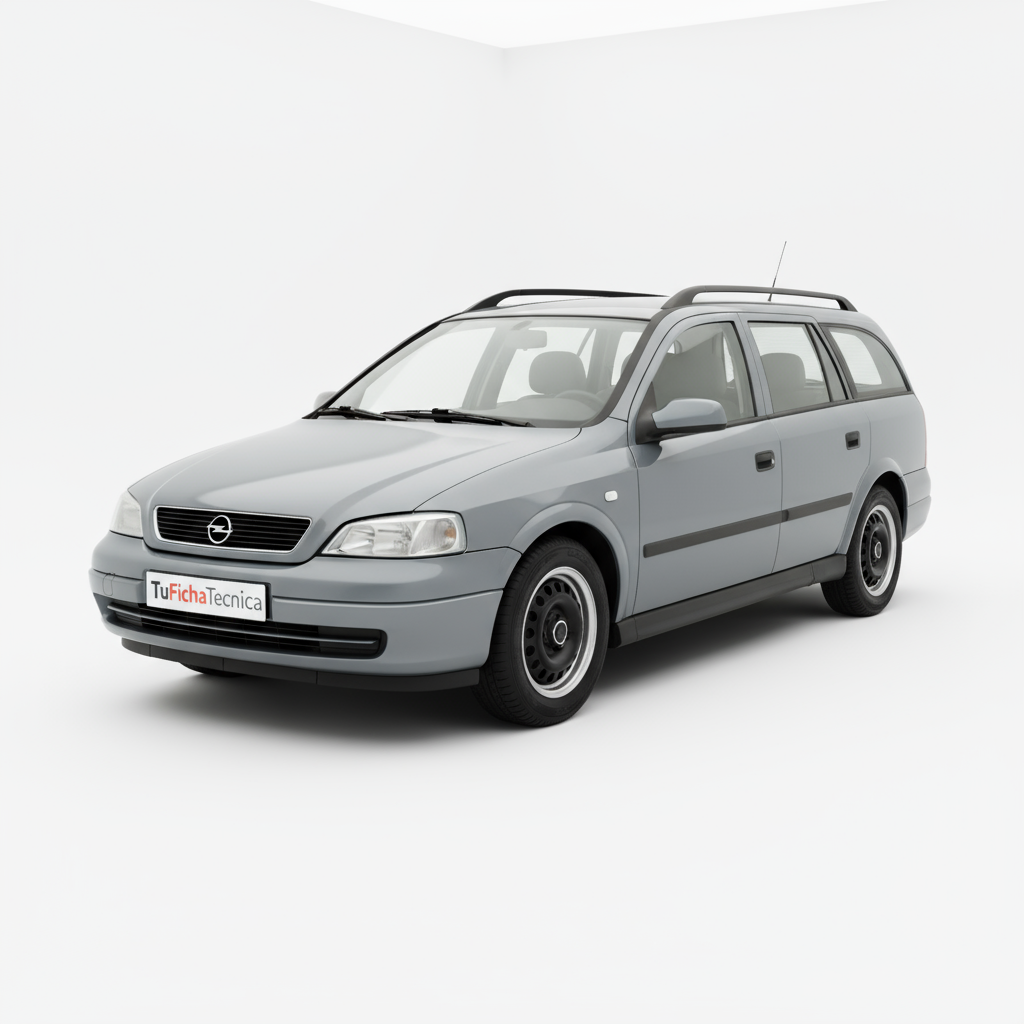
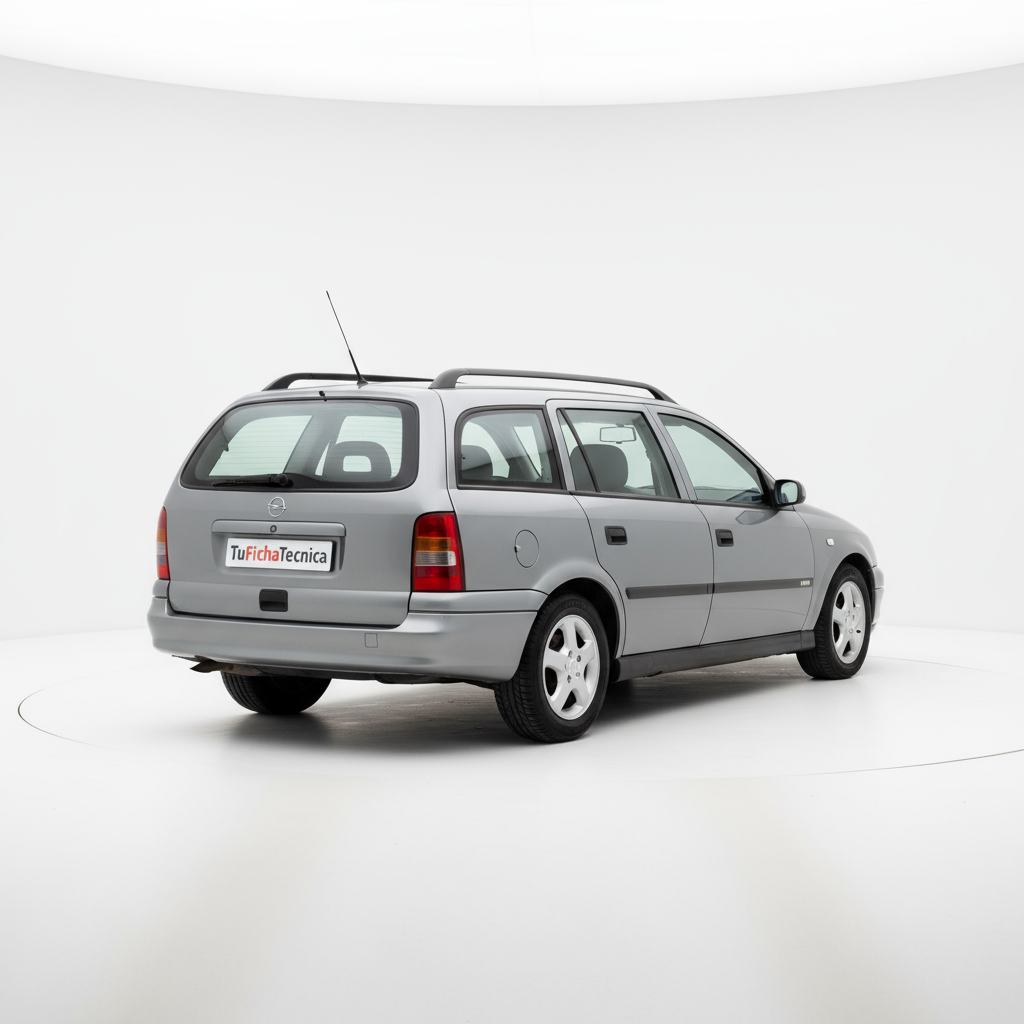

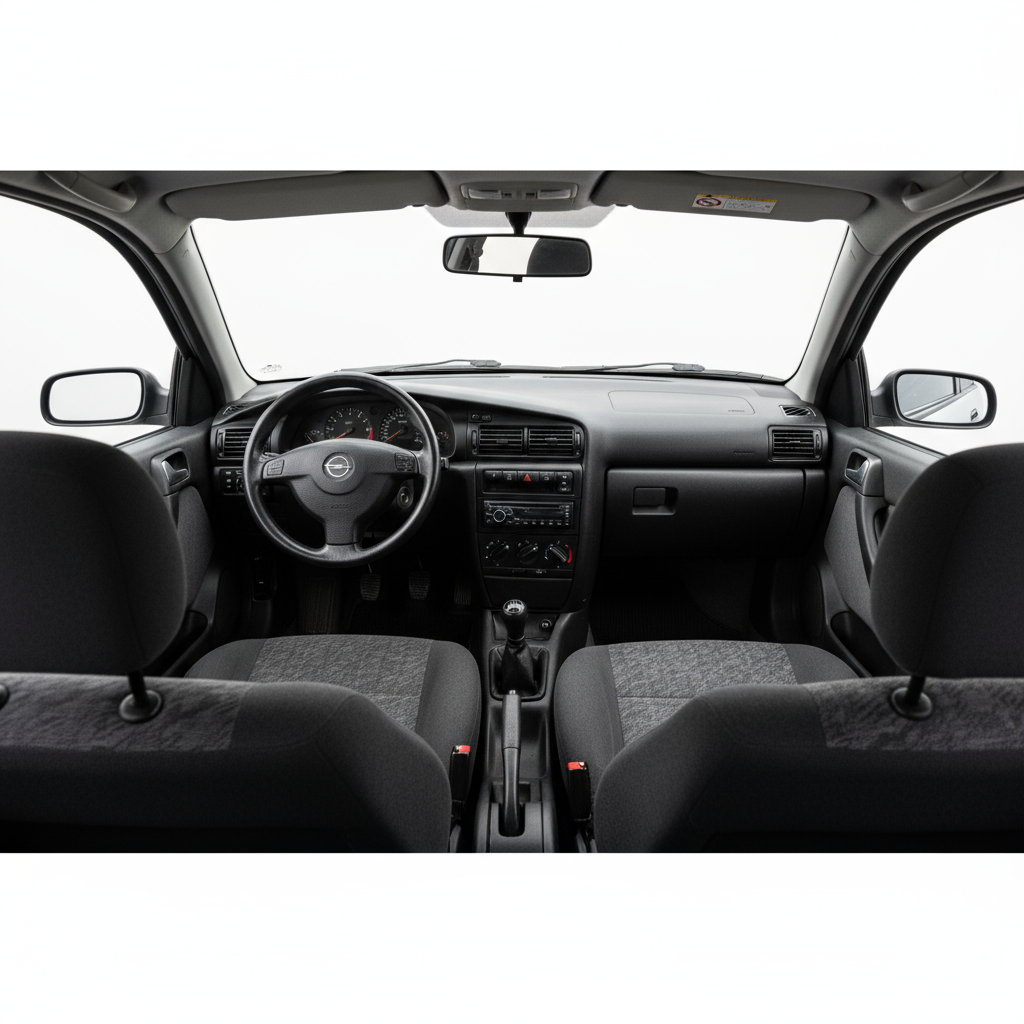
Especificaciones y análisis del Opel Astra
Power
101HP
Torque
230Nm
Consumption
5.9l/100
Emissions
-g/km
0-100 km/h
12.5s
Top Speed
183km/h
Weight
1370kg
Price
19,793€
Technical summary
Gasóleo
Manual 5v
FWD
5 / 5 doors
480 L
52 L
74 kW
Current
Technical specifications
Engine
Capacities
Detailed analysis of the Opel Astra Caravan Edition 2.0 DTi 16V · 101 CV (2002-2004)
General description
The 1998 Opel Astra Caravan Edition 2.0 DTi 16V is a vehicle that, despite its age, still evokes a sense of robustness and practicality. With its 101 hp diesel engine, it presented itself as a sensible option for families looking for space and efficiency at a time when automotive technology was beginning to make great strides. Its price of €19,793 in 2004 positioned it as an accessible alternative in the family car segment.
Driving experience
Behind the wheel of this Astra, the predominant feeling is one of solidity. The 101 hp 2.0 DTi engine, although not a powerhouse, offers 230 Nm of torque at 1950 rpm, allowing for relaxed driving sufficient for daily use, even with a load. Acceleration from 0 to 100 km/h in 12.5 seconds and a top speed of 183 km/h do not make it a sports car, but rather a reliable travel companion. The suspension, McPherson type at the front and trailing arm with torsional element at the rear, seeks a balance between comfort and stability, absorbing road irregularities well. The rack-and-pinion steering, although lacking the precision of more modern systems, performs its function honestly. The combined consumption of 5.9 l/100km was a strong point for its time, making long journeys a more economical experience.
Design and aesthetics
The design of the 1998 Opel Astra Caravan is functional and timeless. Its lines are clean and understated, prioritizing habitability and cargo capacity. With a length of 4288 mm, a width of 1709 mm, and a height of 1465 mm, it offers generous interior space, especially in the trunk, with 480 liters, making it ideal for families or those who needed to transport bulky items. The overall aesthetic, although sober, projects an image of durability and confidence, highly valued characteristics in its segment. The 15-inch wheels with 195/60 R15 H tires complement its practical appearance.
Technology and features
In terms of technology, the 1998 Astra Caravan 2.0 DTi 16V incorporated solutions that were standard or advanced for its time. The direct injection diesel engine with turbo and intercooler was an example of efficiency and performance. The 5-speed manual gearbox, although simple, was robust and reliable. In terms of safety, it featured ventilated disc brakes of 280 mm at the front and 264 mm discs at the rear, offering adequate braking capability. Power steering, although the exact type is not specified, contributed to more comfortable driving. While it did not have modern driving aids, its technology focused on mechanical reliability and functionality.
Competition
At the time, the Opel Astra Caravan 2.0 DTi 16V competed in a very competitive segment with models such as the Ford Focus Wagon, the Volkswagen Golf Variant, the Renault Mégane Grandtour, and the Peugeot 307 SW. Each offered its own advantages in terms of design, equipment, or driving dynamics, but the Astra stood out for its overall balance, robustness, and good value for money, especially for those who valued reliability and interior space.
Conclusion
The 1998 Opel Astra Caravan Edition 2.0 DTi 16V is a testament to Opel's practical and durable engineering. It was a car designed to meet the needs of families, offering generous space, an efficient diesel engine, and proven reliability. Although years have passed and technology has advanced, this model remains an example of how a vehicle can be a loyal and functional companion, capable of tackling everyday life with solvency and without great pretensions. Its legacy endures in the memory of those who sought in it an honest and capable transport.