
Especificaciones y análisis del Opel Combo
Power
75HP
Torque
165Nm
Consumption
5.4l/100
Emissions
-g/km
0-100 km/h
15.5s
Top Speed
155km/h
Weight
1278kg
Price
14,944€
Technical summary
Gasóleo
Manual 5v
FWD
5 / 4 doors
510 L
52 L
55 kW
Current
Technical specifications
Engine
Capacities
Detailed analysis of the Opel Combo Combi 1.7 DTI · 75 CV (2002-2004)
General description
The 2002 Opel Combo Combi 1.7 DTI emerges as a practical and functional proposition, designed for those seeking a versatile vehicle capable of combining cargo transport needs with the comfort of a family car. Priced at 14,944 euros at its launch, this model positioned itself as an accessible option in the segment of light commercial vehicles adapted for passengers. Its 75 hp diesel engine, though modest, promised efficiency and durability, highly valued characteristics in its time.
Driving experience
Behind the wheel of the Opel Combo Combi 1.7 DTI, the predominant sensation is that of an honest and unpretentious vehicle. Acceleration from 0 to 100 km/h in 15.5 seconds and a top speed of 155 km/h reveal adequate performance for daily use, but without great sporting pretensions. The suspension, McPherson type at the front and trailing arm with torsional element at the rear, is configured to offer a balance between comfort and load capacity, absorbing road irregularities competently. The rack-and-pinion steering, although lacking the precision of more modern systems, fulfills its function, conveying a sufficient sense of control for urban and road driving. The combined consumption of 5.4 l/100km is a strong point, reflecting the efficiency of its diesel engine.
Design and aesthetics
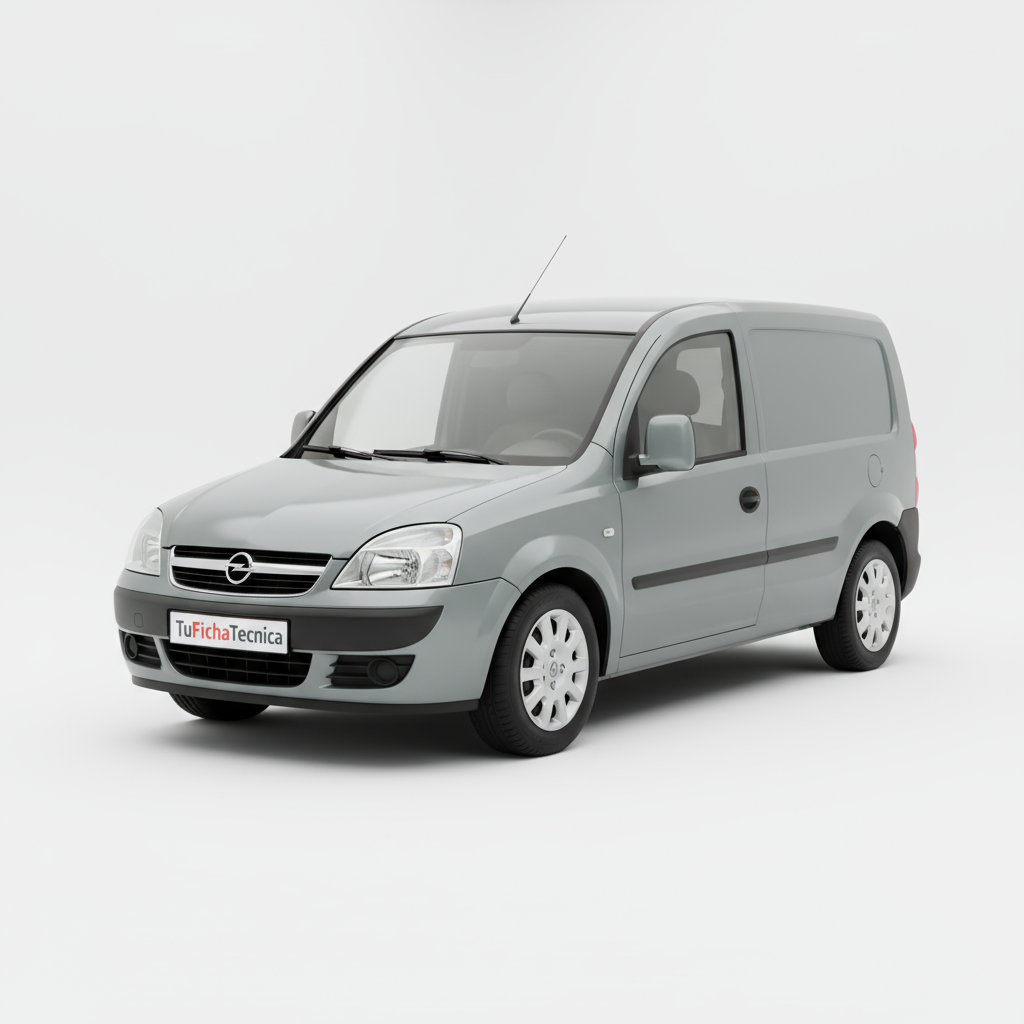
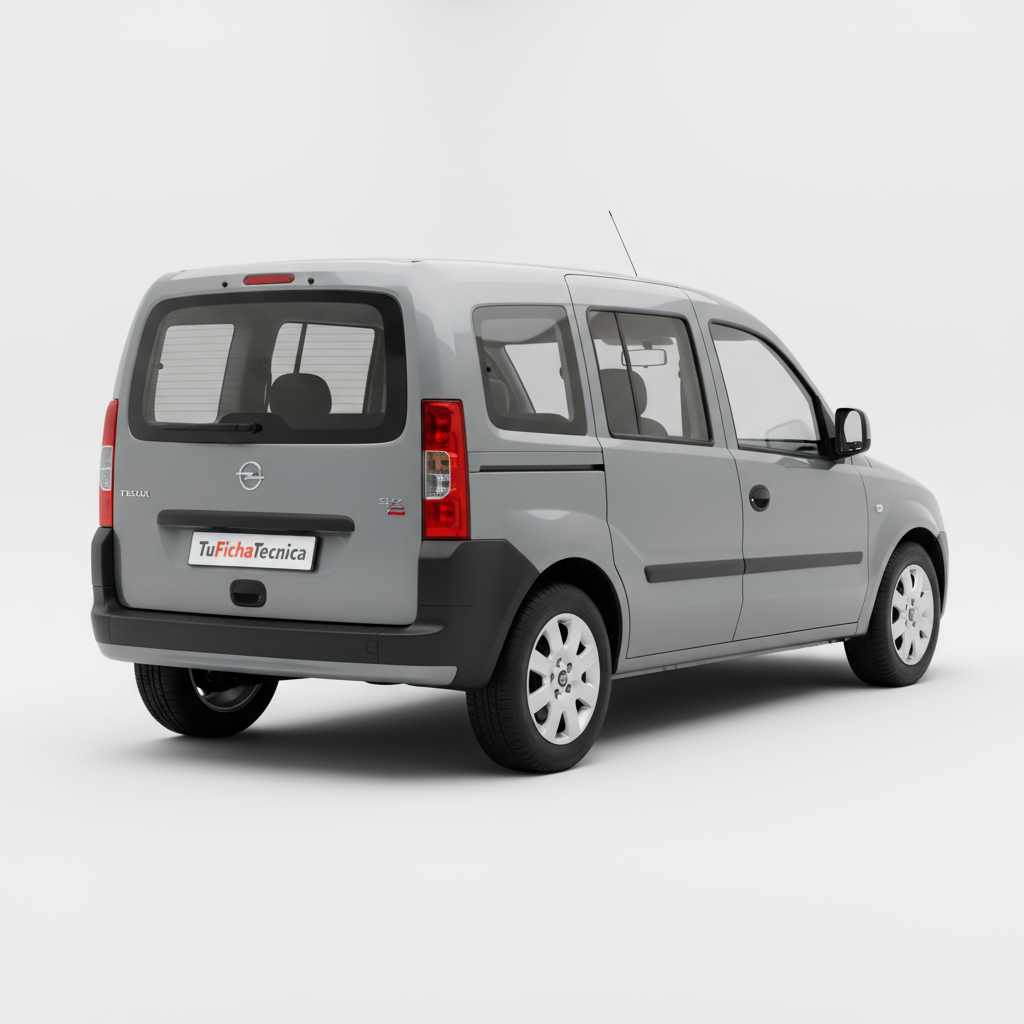
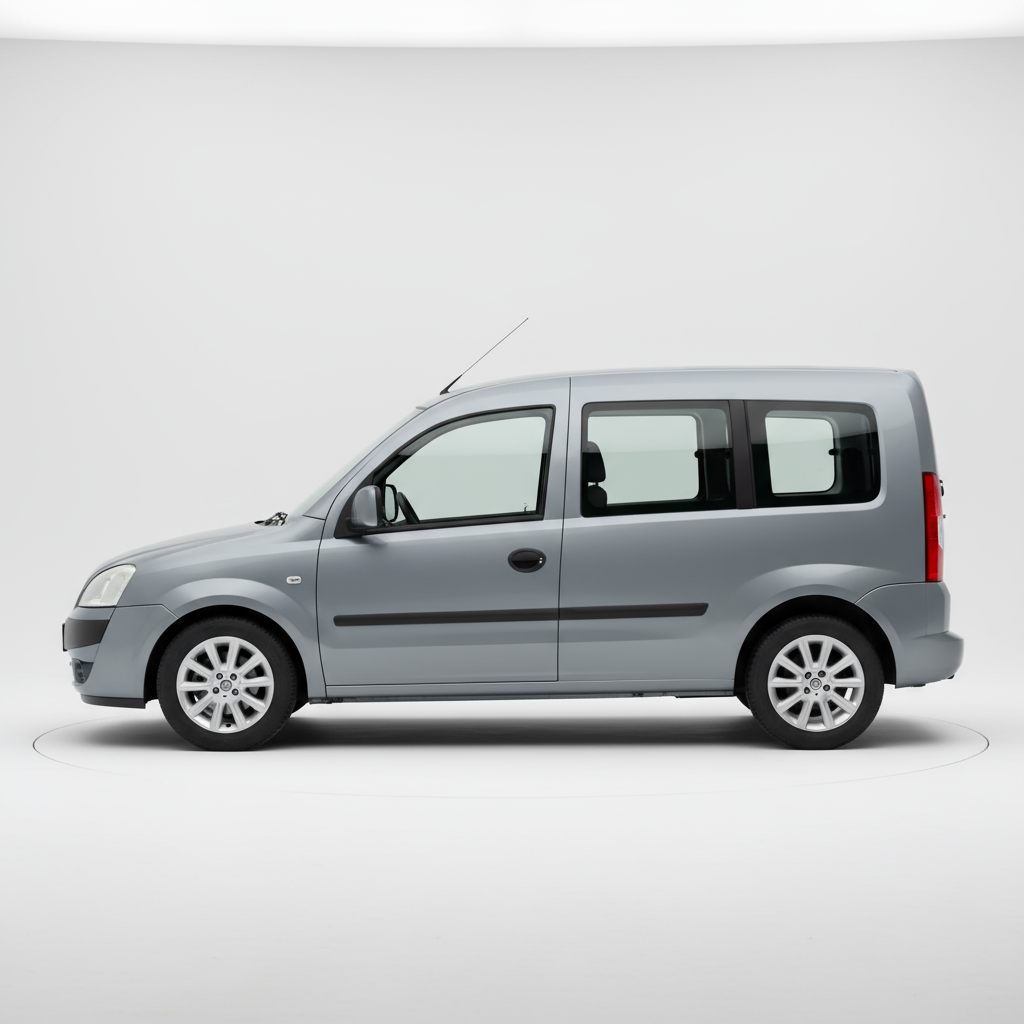
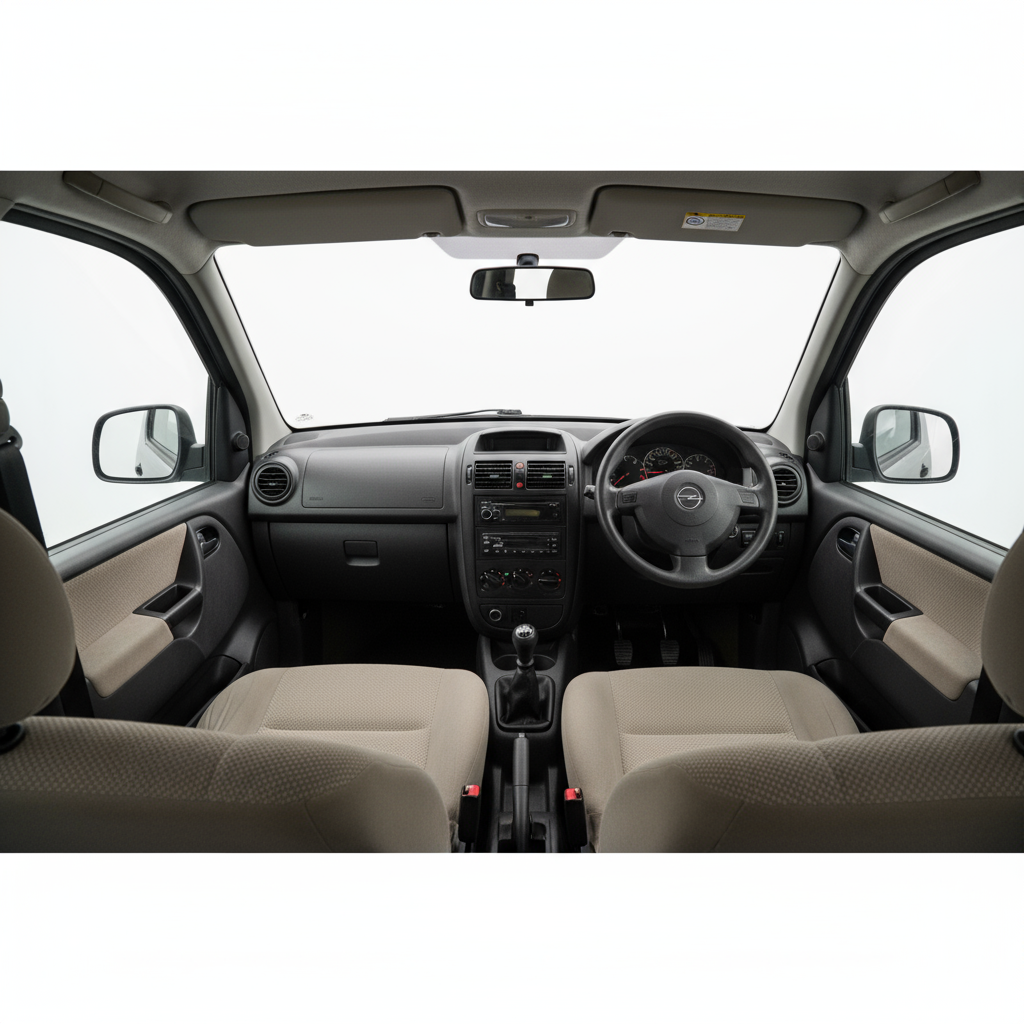
The design of the Opel Combo Combi 1.7 DTI is eminently functional. Its lines are simple and robust, prioritizing interior space and cargo capacity over aesthetics. With a length of 4322 mm, a width of 1684 mm, and a height of 1801 mm, its silhouette is that of a compact van, with a large glazed area that improves visibility. The four doors facilitate access to the five seats, and the 510-liter trunk is generous for its segment. Although it does not aim to be a style icon, its timeless and practical design gives it its own personality, focused on utility.
Technology and features
In terms of technology, the 2002 Opel Combo Combi 1.7 DTI comes with the solutions typical of its time. Its 1.7-liter diesel engine, with direct injection, turbo, and intercooler, is an example of the engineering of the era, seeking to optimize performance and efficiency. The 5-speed manual transmission is simple and reliable. In terms of safety, it features ventilated front disc brakes and rear drum brakes, a standard configuration. It does not incorporate the advanced driving aids we know today, but its equipment focuses on the essentials for safe and functional driving.
Competition
In the 2002 market, the Opel Combo Combi 1.7 DTI faced competitors such as the Citroën Berlingo, the Peugeot Partner, and the Renault Kangoo. All of them offered similar concepts of commercial vehicles adapted for passengers, with a strong emphasis on versatility and interior space. The Combo stood out for its 75 hp diesel engine, which offered a good balance between performance and consumption, and for the reputation of Opel's reliability. Each of its rivals had their own strengths, but the Combo positioned itself as a solid and balanced option in this competitive segment.
Conclusion
The 2002 Opel Combo Combi 1.7 DTI is a vehicle that, despite its age, remains a testament to practical and functional engineering. Its no-frills design, efficient diesel engine, and ample interior space make it an ideal choice for those seeking a work companion or a versatile and economical family vehicle. It is not a car to excite with its performance or luxury, but to more than meet expectations of utility and reliability in everyday life. It is a car that, over time, has proven to be a faithful companion for many.