

Especificaciones y análisis del Opel Mokka
Power
131HP
Torque
300Nm
Consumption
6.1l/100
Emissions
159g/km
0-100 km/h
10.2s
Top Speed
184km/h
Weight
-kg
Price
22,321€
Technical summary
Gasóleo
Automático 6v
FWD
5 / 5 doors
356 L
54 L
96 kW
Current
Technical specifications
Engine
Capacities
Detailed analysis of the Opel Mokka Excellence 1.7 CDTI 130 CV 4x2 Aut. (2012)
General description
The 2012 Opel Mokka, in its Excellence 1.7 CDTI 130 hp version with 4x2 traction and automatic transmission, presents itself as an interesting option within the compact SUV segment. With a price of €22,321, this model sought to win over those who longed for a versatile vehicle, with a robust aesthetic and complete equipment for its time. Its diesel engine, combined with a six-speed automatic gearbox, promised comfortable and efficient driving, ideal for both city and road trips.
Driving experience
Behind the wheel of the Mokka 1.7 CDTI, the general feeling is one of solidity and comfort. The 130 hp diesel engine, although not a powerhouse, offers enough thrust for daily use and for confident overtaking. The six-speed automatic transmission contributes to relaxed driving, with smooth shifts that prioritize comfort. The suspension, McPherson type at the front and torsion beam with trailing arm at the rear, filters out road irregularities well, providing a pleasant ride. The electric power steering, although lacking the sportiest feedback, is precise and facilitates maneuvers in urban environments. In terms of consumption, the combined 6.1 l/100km (NEDC) positions it as a reasonably efficient vehicle for its size and performance.
Design and aesthetics
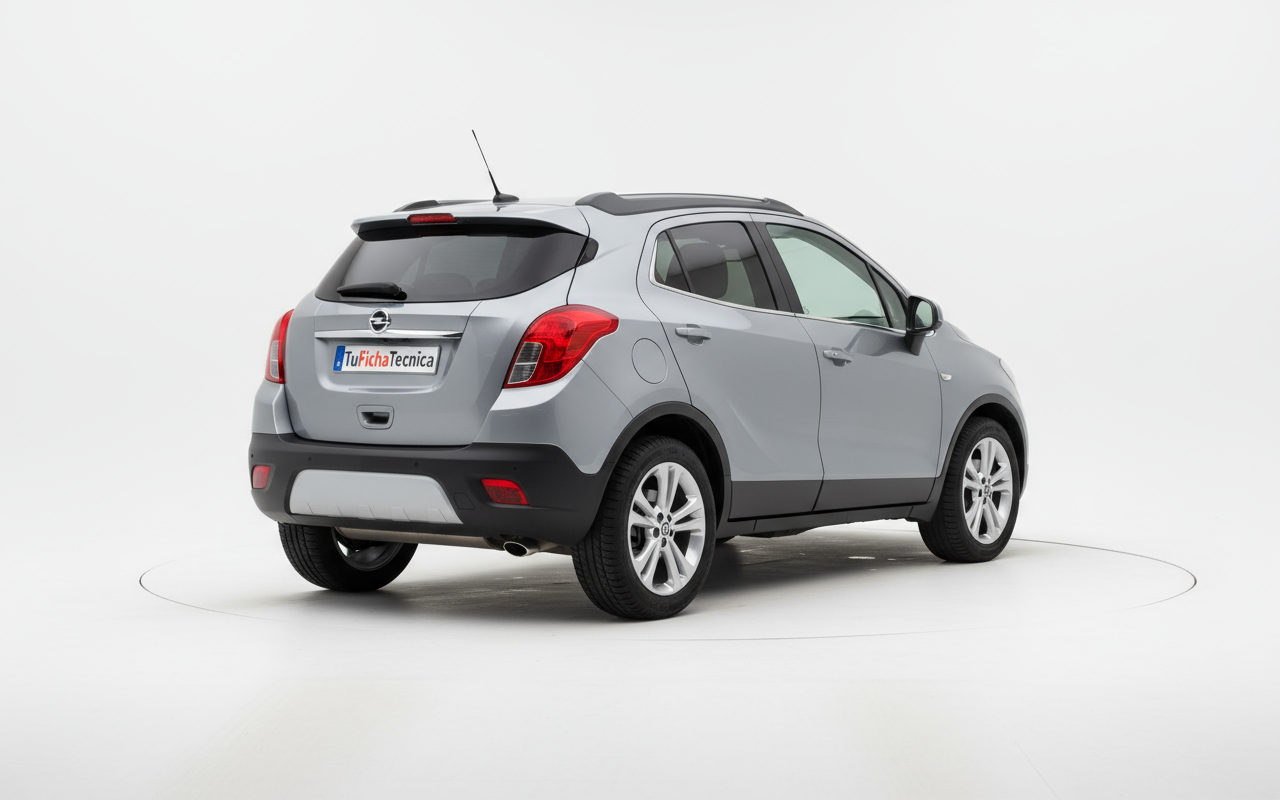
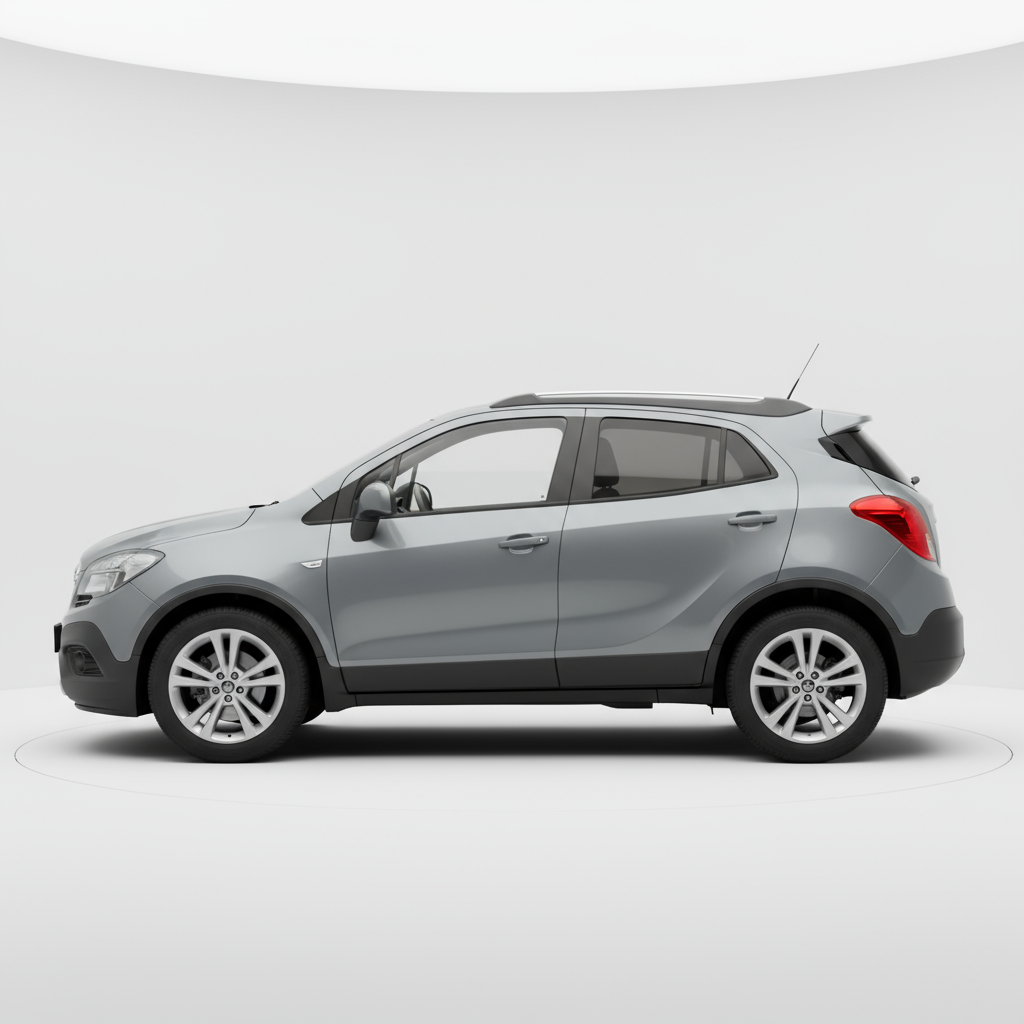
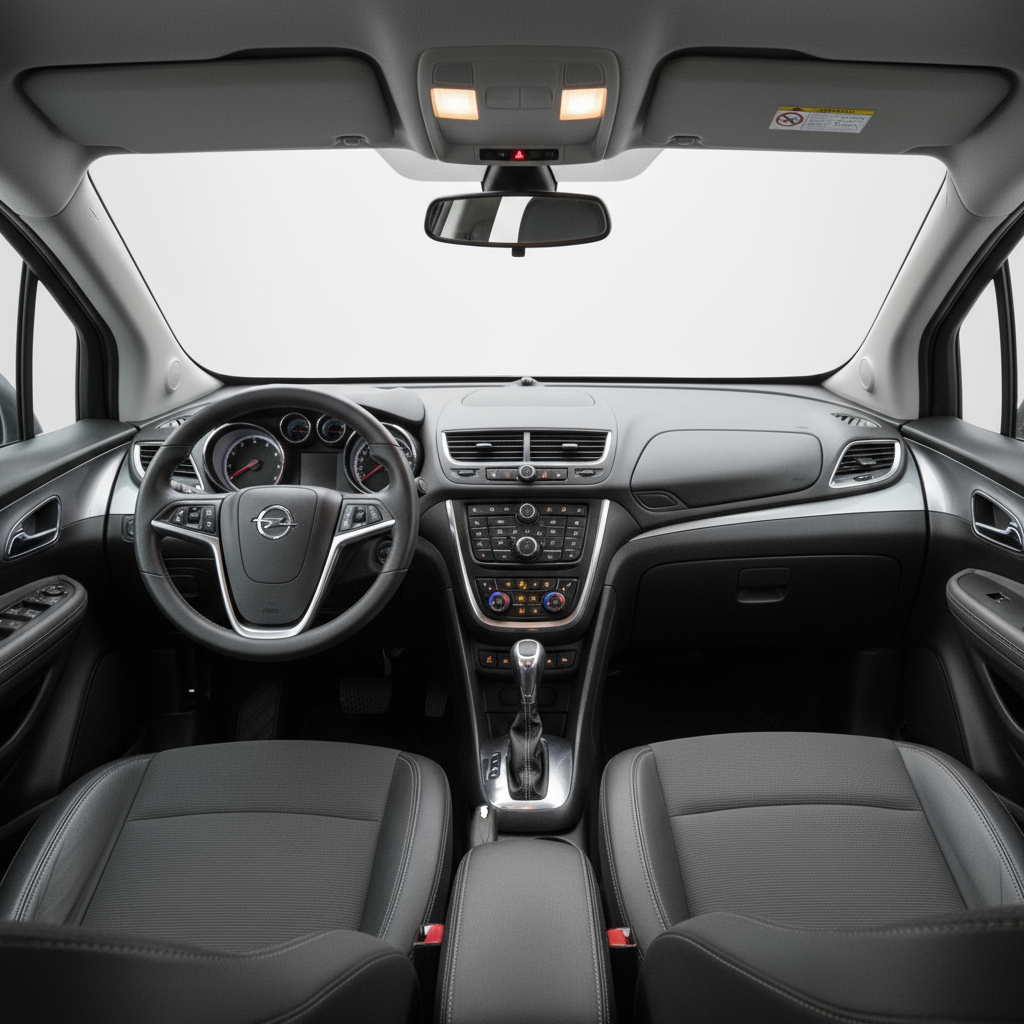
The design of the 2012 Opel Mokka is characterized by its robust and muscular lines, which give it an imposing presence on the road. Its 5-door body and compact dimensions (4278 mm long, 1777 mm wide and 1658 mm high) make it manageable in the city without sacrificing an SUV image. The chrome details and 18-inch wheels (215/55 R18) in this Excellence version enhance its visual appeal. The interior, although functional, has a design that, over time, may feel somewhat less modern than its more recent rivals, but the quality of the materials and adjustments are correct. The trunk, with 356 liters of capacity, offers adequate space for daily luggage.
Technology and features
In terms of technology, the 2012 Opel Mokka, in its Excellence trim, incorporated elements that made it competitive in its segment. Although it did not have the large touch screens or advanced driving assistance systems that we see today, it offered complete equipment. The 1.7 CDTI engine, with common rail direct injection, variable geometry turbo and intercooler, was a sample of the diesel engineering of the time, seeking a balance between performance and efficiency. The 6-speed automatic transmission was a plus for comfort. In terms of safety, it had the usual systems for the time, such as ventilated front disc brakes and rear discs, and electric power steering that improved maneuverability.
Competition
At the time of its launch, the Opel Mokka faced tough competition in the growing compact SUV segment. Its main rivals included models such as the Nissan Juke, Skoda Yeti, Mitsubishi ASX, and Peugeot 2008. Each of them offered their own strengths, whether in design, interior space, equipment, or driving dynamics. The Mokka sought to differentiate itself with its robust aesthetic, its complete equipment in the higher versions, and the reliability of its diesel mechanics.
Conclusion
The 2012 Opel Mokka Excellence 1.7 CDTI 130 hp 4x2 Aut. was a vehicle that managed to capture attention in the compact SUV segment. It offered a balanced combination of attractive design, an efficient diesel engine, and an automatic transmission that prioritized comfort. Although its interior technology may seem somewhat outdated today, at the time it represented a solid and well-equipped option. It is an ideal car for those looking for a compact SUV with a good quality-price ratio in the used car market, offering driving comfort and a robust aesthetic.