
Especificaciones y análisis del Opel Vectra
Power
116HP
Torque
170Nm
Consumption
8.4l/100
Emissions
-g/km
0-100 km/h
12.5s
Top Speed
198km/h
Weight
1378kg
Price
17,043€
Technical summary
Gasolina
Automático 4v
FWD
5 / 4 doors
500 L
60 L
85 kW
Current
Technical specifications
Engine
Capacities
Detailed analysis of the Opel Vectra 4p GL 1.8 16v Aut. · 116 CV (1999-2000)
General description
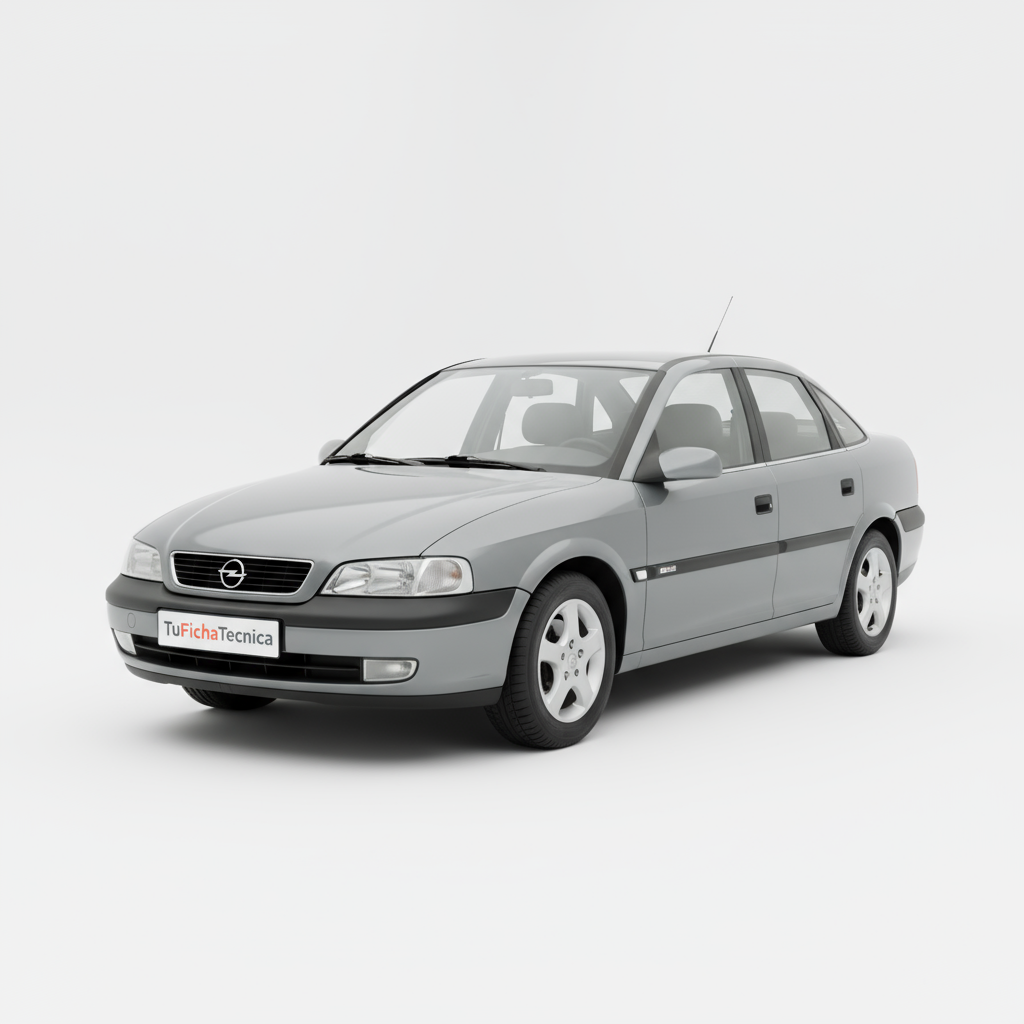
The 1995 Opel Vectra, in its 4-door GL 1.8 16v Automatic version, was presented as a mid-size sedan that sought to win over families and professionals of the time. Priced at 17,043 euros, it offered a balanced proposal between comfort and functionality, although its 116 HP engine and 4-speed automatic transmission promised a more relaxed than sporty driving experience. It was a car designed for everyday use, for comfortable journeys and for those who valued practicality above pure performance.
Driving experience
Behind the wheel of the Vectra, the predominant sensation was one of smoothness and comfort. The rack-and-pinion steering, although without variable assistance, offered a predictable response, ideal for calm driving. The McPherson type suspension on the front axle, together with anti-roll bars on both axles, filtered out road irregularities well, providing a pleasant ride. However, with an acceleration from 0 to 100 km/h in 12.5 seconds and a top speed of 198 km/h, it was not a car that invited strong emotions. Its combined consumption of 8.4 l/100km was reasonable for the time, but in the city, 11.9 l/100km could be a factor to consider. It was a car to enjoy the road without rushing, with a docile and predictable response.
Design and aesthetics
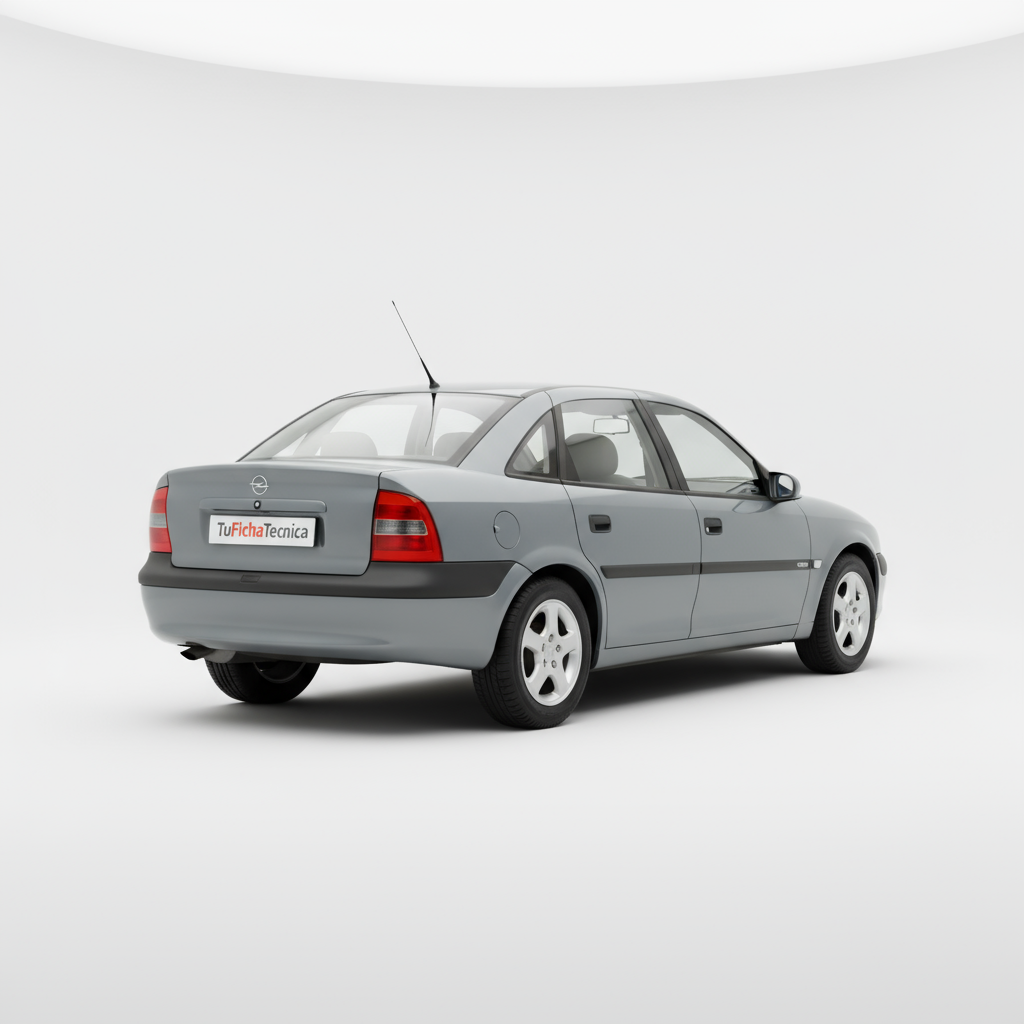
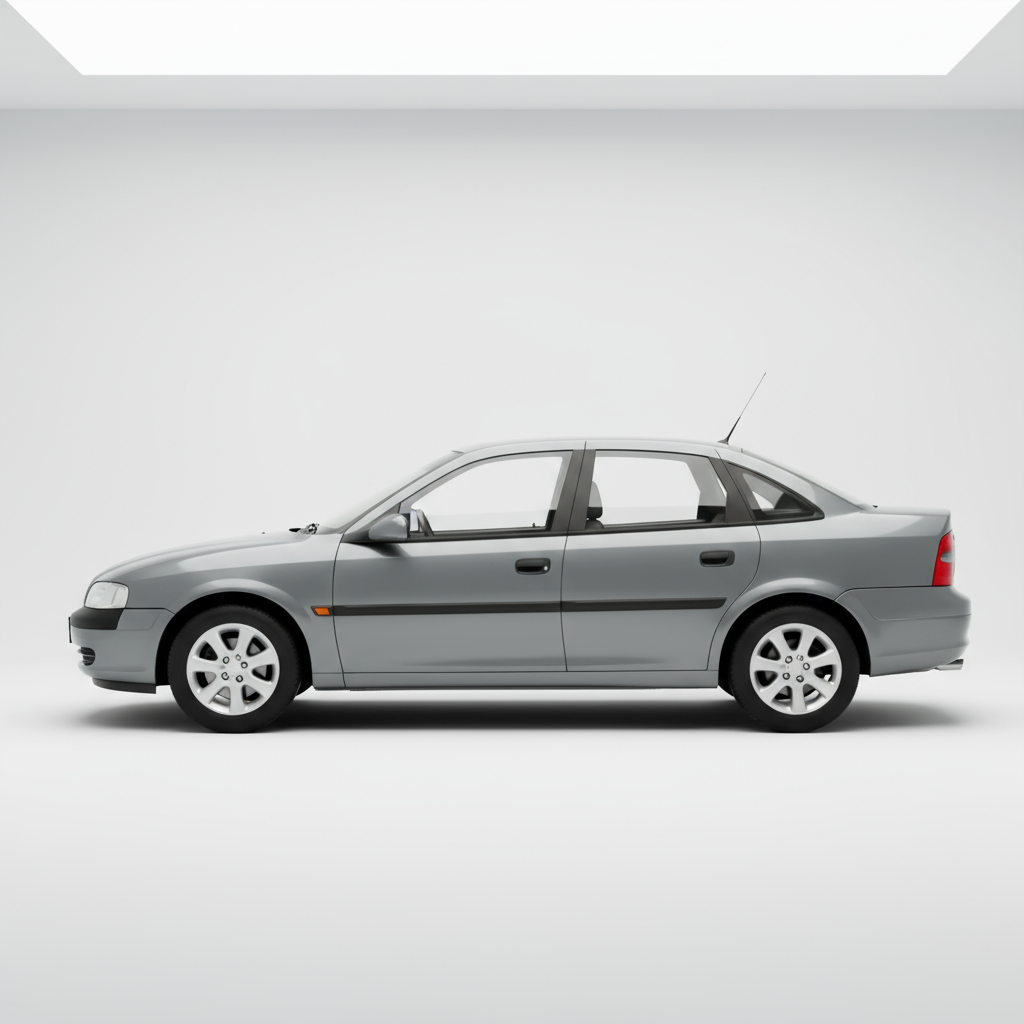
The design of the 1995 Opel Vectra was sober and functional, with lines that sought elegance without ostentation. Its 4,495 mm length, 1,707 mm width and 1,425 mm height gave it a discreet but solid presence on the road. The 4-door body, with a 500-liter trunk, stood out for its practicality and load capacity, ideal for family needs. The 15-inch wheels with 195/65 R15 H tires contributed to a balanced aesthetic and good stability. It was a design that aged with dignity, without great fanfare but with a clear vocation for service.
Technology and features
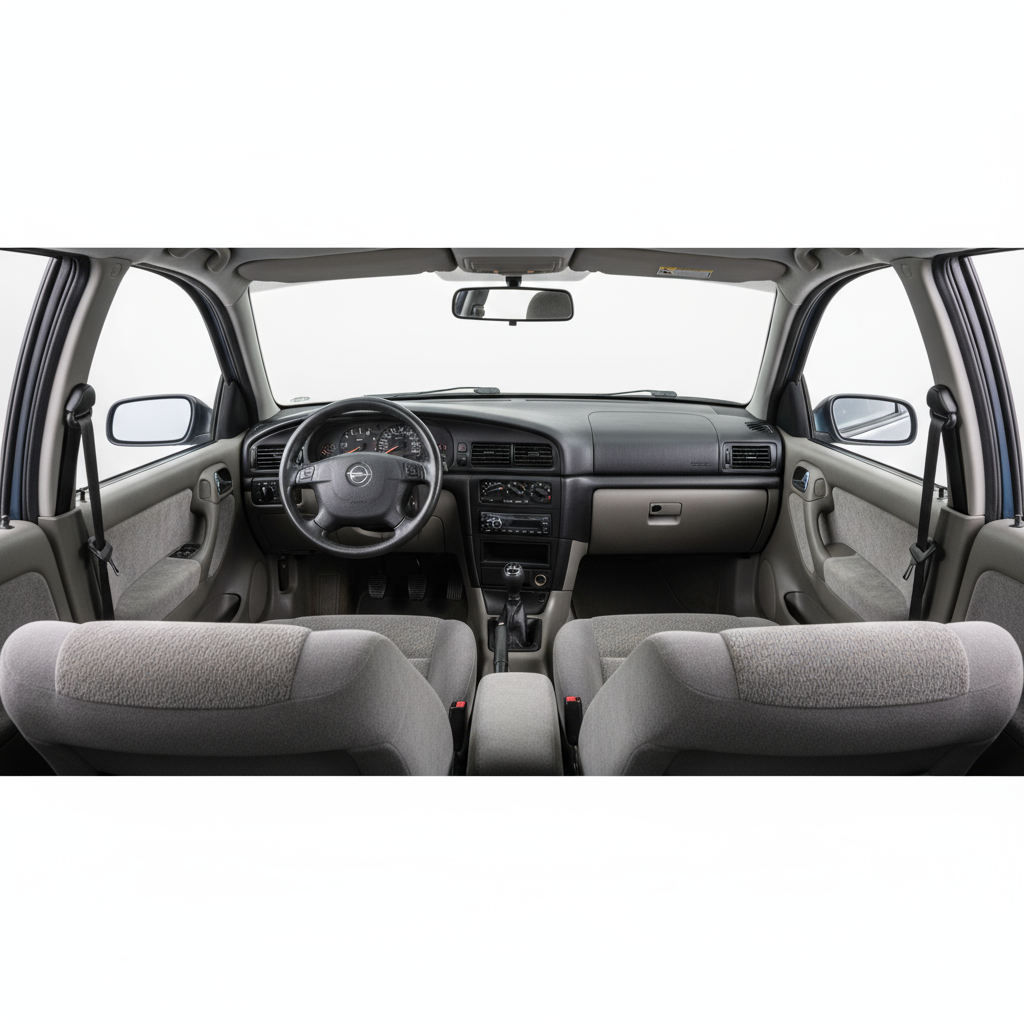
In the technological section, the 1995 Vectra incorporated the essentials for the time. Its 1.8-liter, 16-valve gasoline engine, with indirect injection, offered a power of 116 HP at 5400 rpm and a torque of 170 Nm at 3400 rpm. The 4-speed automatic transmission was a key point for comfort in urban and road driving. In terms of safety, it had ventilated front disc brakes and rear discs, a standard for the segment. Although it did not stand out for revolutionary innovations, its technology was aimed at offering a reliable and uncomplicated driving experience.
Competition
In the 1995 mid-size sedan market, the Opel Vectra faced tough competitors. Models such as the Ford Mondeo, Volkswagen Passat, Renault Laguna or Peugeot 406 offered alternatives with different approaches in terms of design, performance and equipment. The Vectra positioned itself as a sensible and balanced option, perhaps without the dynamism of some of its rivals, but with a reputation for reliability and good interior space that made it attractive to an audience looking for a practical and durable car.
Conclusion
The 1995 Opel Vectra 4-door GL 1.8 16v Automatic was a car that fulfilled its purpose: to offer a comfortable, spacious and reliable mid-size sedan for everyday use. It did not seek to be the fastest or the most luxurious, but an honest and functional travel companion. Its timeless design, driving comfort and practicality made it a popular choice for many families. Although its performance was not breathtaking and its city consumption could be high, its overall balance and reputation for durability made it a smart purchase for those who valued tranquility and efficiency in daily use.