
Especificaciones y análisis del Opel Vectra
Power
116HP
Torque
170Nm
Consumption
7.4l/100
Emissions
-g/km
0-100 km/h
11s
Top Speed
203km/h
Weight
1363kg
Price
17,477€
Technical summary
Gasolina
Manual 5v
FWD
5 / 4 doors
500 L
60 L
85 kW
Current
Technical specifications
Engine
Capacities
Detailed analysis of the Opel Vectra 4p GL 1.8 16v · 116 CV (1999-2000)
General description
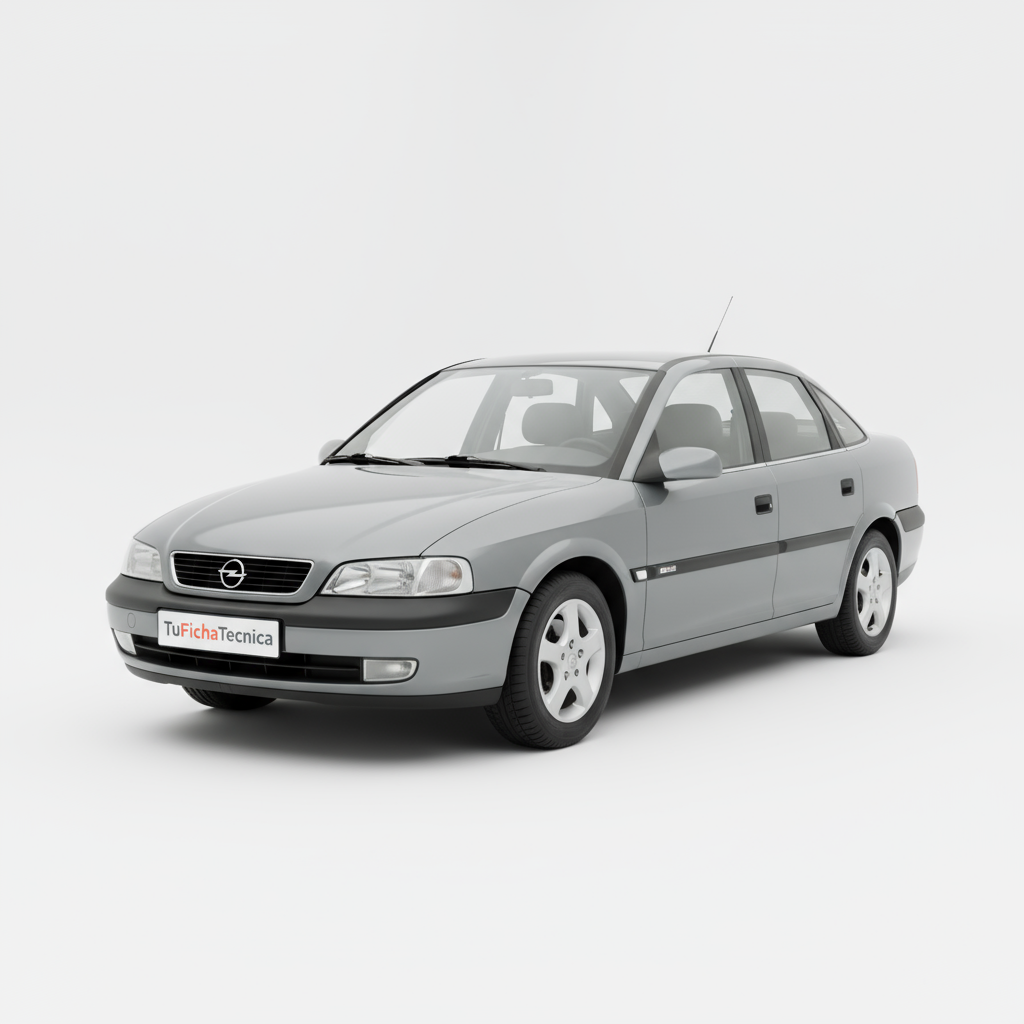
The 1995 Opel Vectra, in its 4-door GL 1.8 16v version, was presented as a mid-size sedan that sought to win over families and professionals of the time. With a price of 17,477 euros, it offered a balanced proposal between comfort, performance, and a sober yet functional design. This model, with its 116 hp gasoline engine, promised a pleasant and efficient driving experience for everyday use.
Driving experience
Behind the wheel of the Vectra, the general feeling was one of solidity and composure. Its 1.8 16v engine, with 116 hp, delivered enough power to move agilely in the city and maintain comfortable cruising speeds on the highway, reaching a top speed of 203 km/h and accelerating from 0 to 100 km/h in 11 seconds. The McPherson front suspension and disc brakes on both axles (ventilated at the front) contributed to safe and predictable driving. The combined consumption of 7.4 l/100km was reasonable for the time, although in the city it rose to 10.4 l/100km. The rack-and-pinion steering, although without variable assistance, offered good feel.
Design and aesthetics
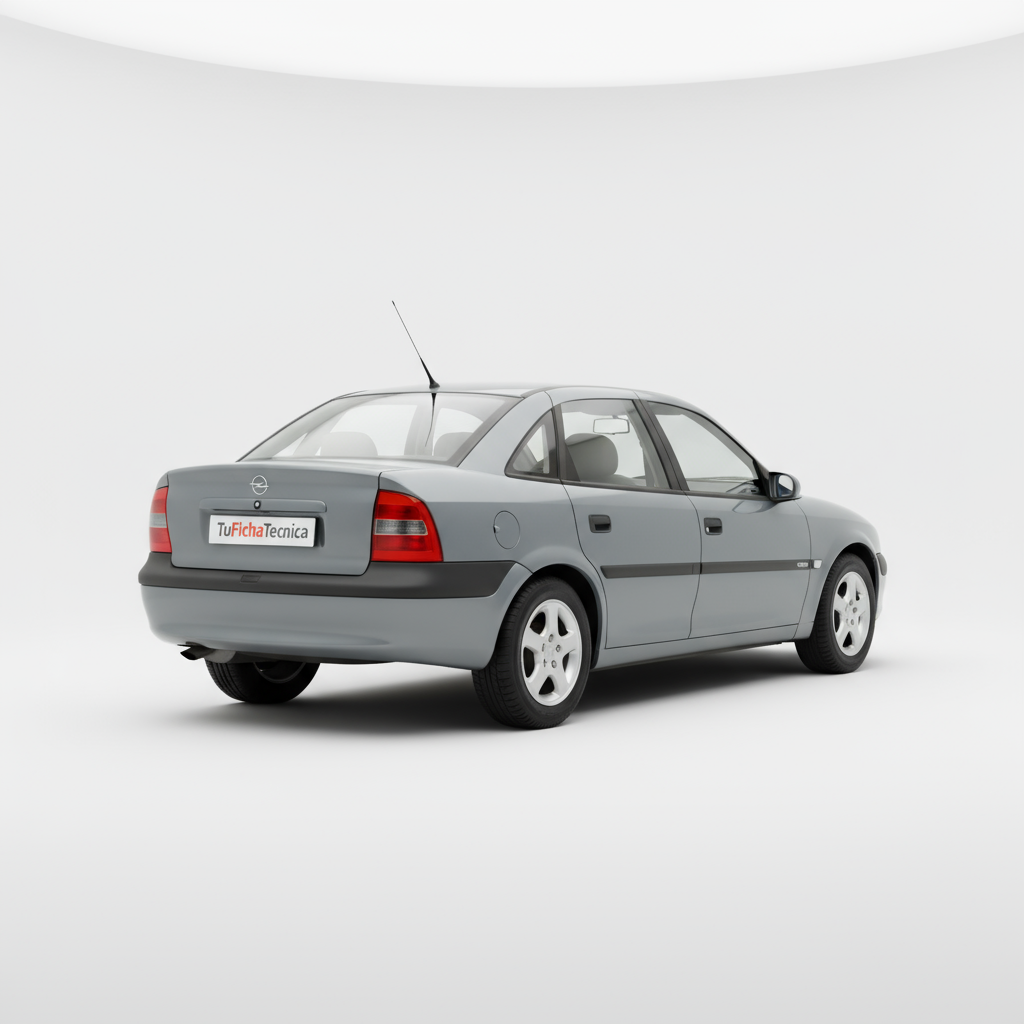
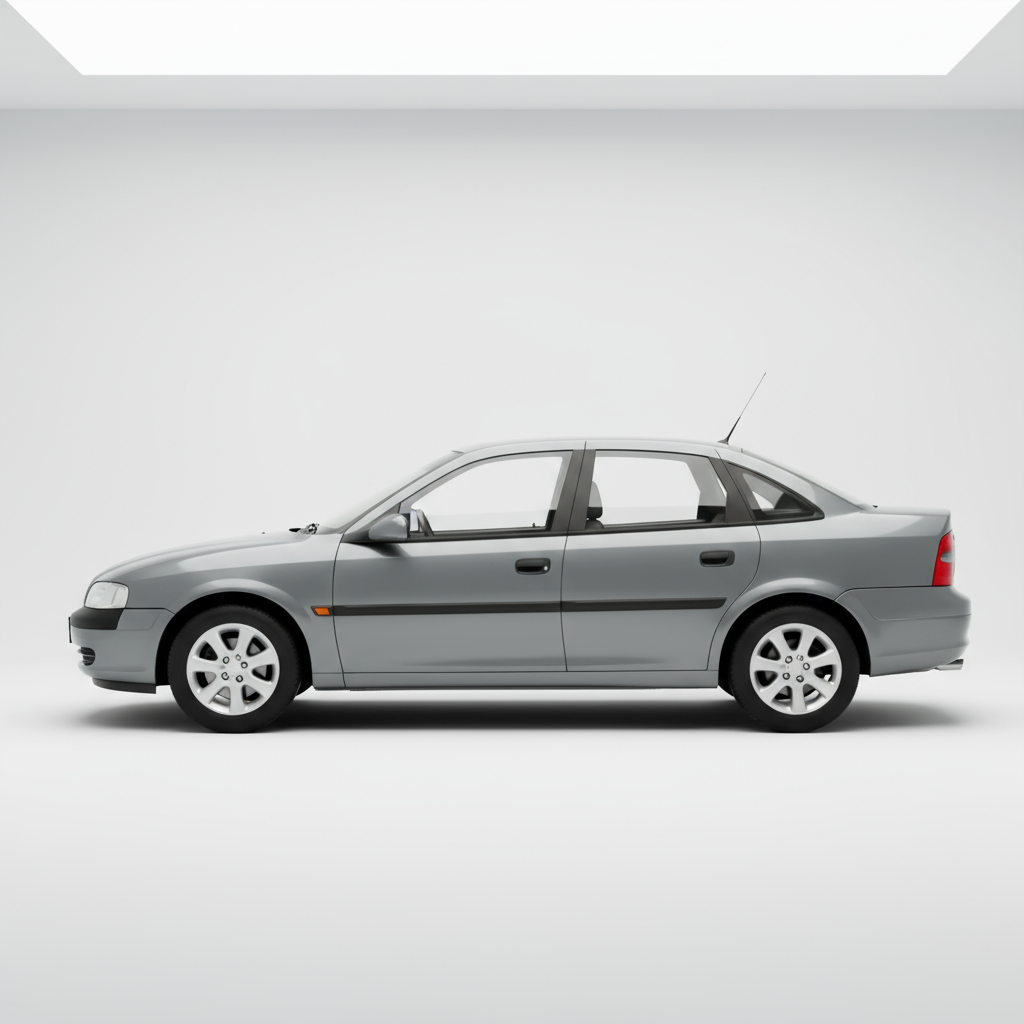
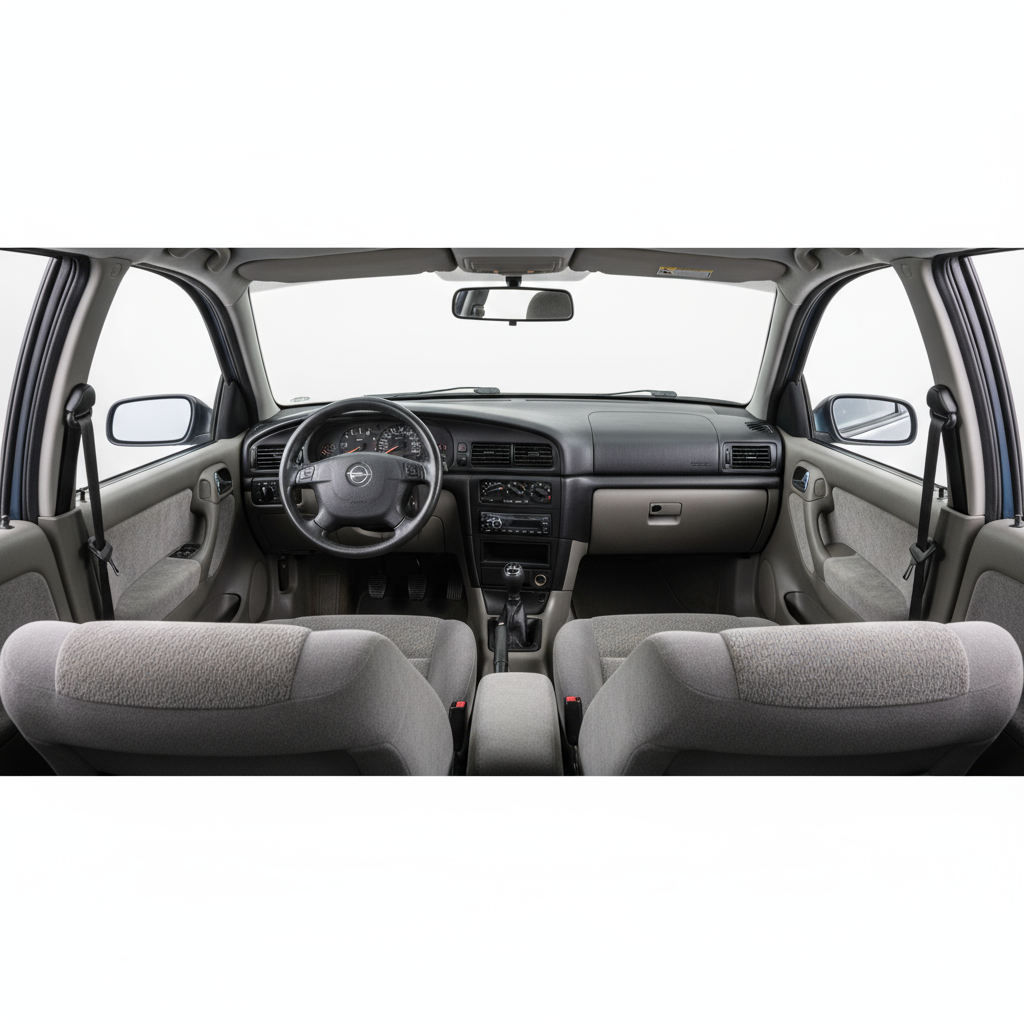
The design of the 1995 Opel Vectra was a reflection of mid-90s automotive aesthetics: clean lines, rounded shapes, and a classic four-door sedan silhouette. With a length of 4495 mm, a width of 1707 mm, and a height of 1425 mm, it offered a discreet yet elegant presence. The interior, although not luxurious, was functional and spacious, with capacity for five occupants and a generous 500-liter trunk, ideal for family trips. The overall aesthetic aimed for timelessness and practicality.
Technology and features
In the technology section, the Vectra 1.8 16v incorporated proven and efficient mechanical solutions. Its 1796 cc gasoline engine, with 4 cylinders and 4 valves per cylinder, used indirect injection to optimize combustion. The 5-speed manual transmission sent power to the front wheels, a common and reliable configuration. Although it lacked the electronic sophistication of more modern vehicles, its technology focused on durability and ease of maintenance. Disc brakes and independent front suspension were key elements for its dynamic behavior.
Competition
In its segment, the Opel Vectra competed with major models such as the Ford Mondeo, Volkswagen Passat, and Renault Laguna. Compared to them, the Vectra offered an alternative with a good balance between price, equipment, and mechanical reliability. Its 1.8 16v engine was positioned as an intermediate option, seeking a compromise between performance and consumption, differentiating itself from more powerful or more basic versions of its competitors.
Conclusion
The 1995 Opel Vectra 4-door GL 1.8 16v was an honest and competent car for its time. It offered reliable and comfortable mobility for families and daily use, with a design that, although not daring, was practical and timeless. Its balance between performance, consumption, and interior space made it a sensible option in the competitive mid-size sedan market. A vehicle that, without great fanfare, more than fulfilled its purpose.