
Especificaciones y análisis del Opel Vectra
Power
101HP
Torque
230Nm
Consumption
6l/100
Emissions
-g/km
0-100 km/h
13s
Top Speed
195km/h
Weight
1425kg
Price
19,341€
Technical summary
Gasóleo
Manual 5v
FWD
5 / 4 doors
500 L
60 L
74 kW
Current
Technical specifications
Engine
Capacities
Detailed analysis of the Opel Vectra 4p GL 2.0 DTI 16v · 101 CV (1999-2000)
General description
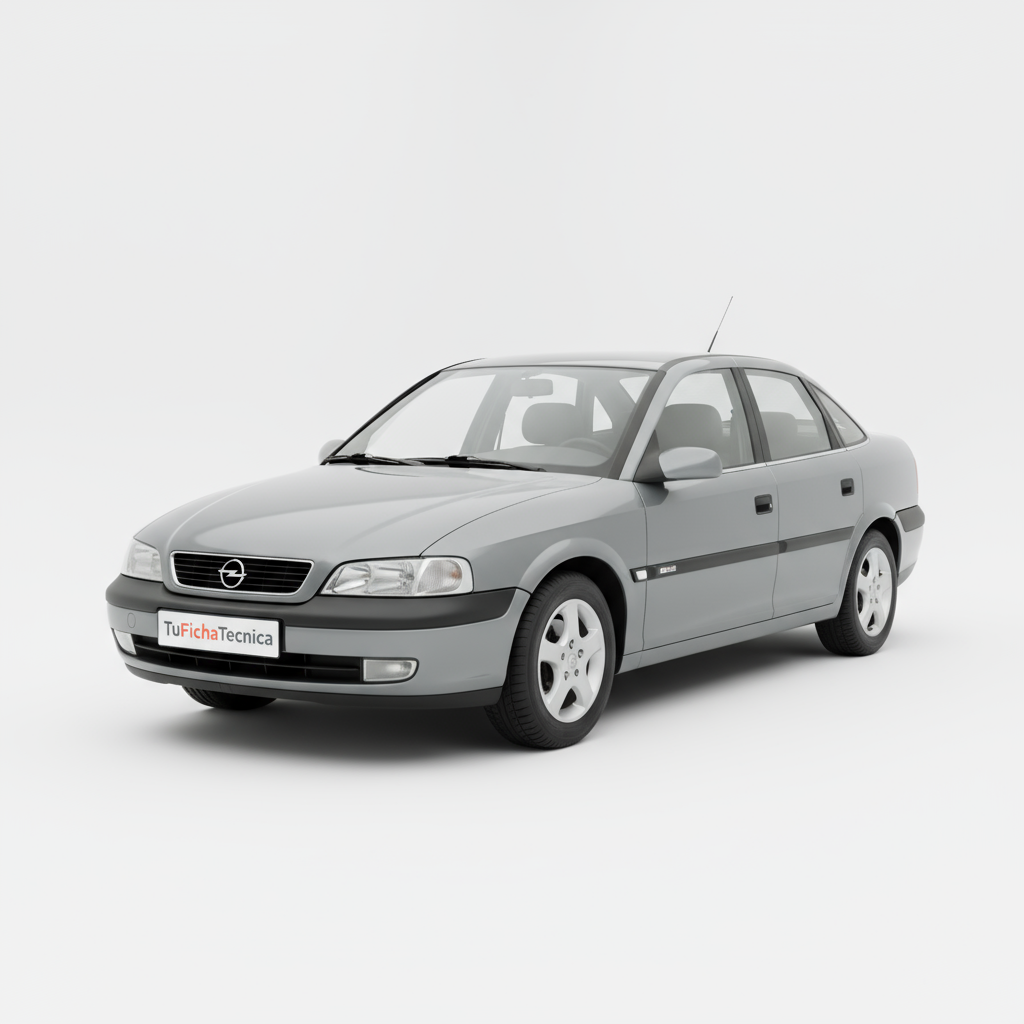
The 1995 Opel Vectra, in its 4-door GL 2.0 DTI 16v version, was presented as a mid-size sedan with aspirations of comfort and efficiency. Launched at a time of transition for the automotive market, this model sought to consolidate Opel's presence in the segment, offering a robust and functional option for families and daily use. Its direct injection diesel engine promised a balance between performance and consumption, a highly valued characteristic at the time.
Driving experience
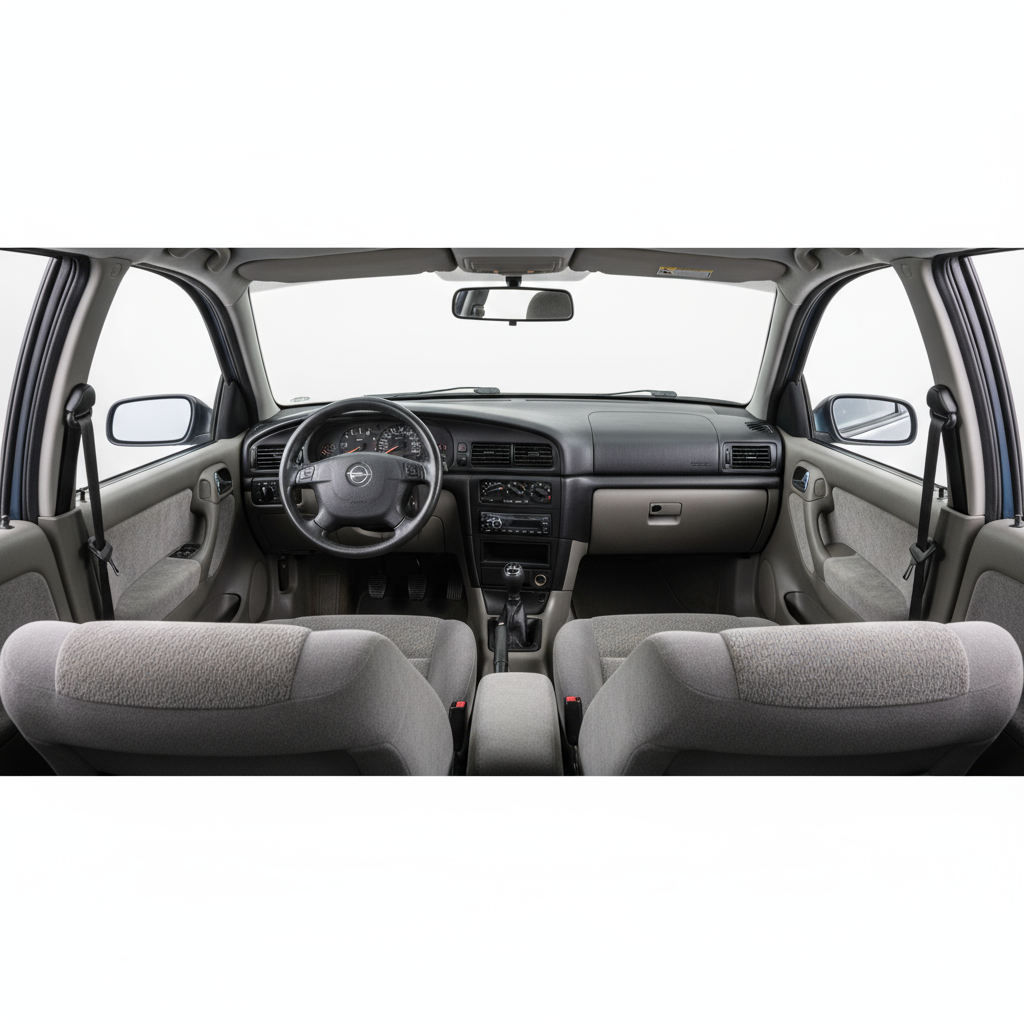
Behind the wheel of the Vectra, the general sensation was one of solidity and poise. The McPherson-type front suspension offered a good compromise between comfort and stability, absorbing road irregularities without transmitting excessive vibrations to the cabin. The 101 hp 2.0 DTI engine, although not outstanding for its blistering acceleration (13 seconds from 0 to 100 km/h), delivered its 230 Nm of torque at low revolutions (1950 rpm), which translated into an energetic response in high gears and relaxed driving on the highway. The rack-and-pinion steering, although lacking the variable assistance of more modern models, offered adequate connection with the road. Overall, the driving experience was predictable and safe, ideal for long journeys and daily use.
Design and aesthetics
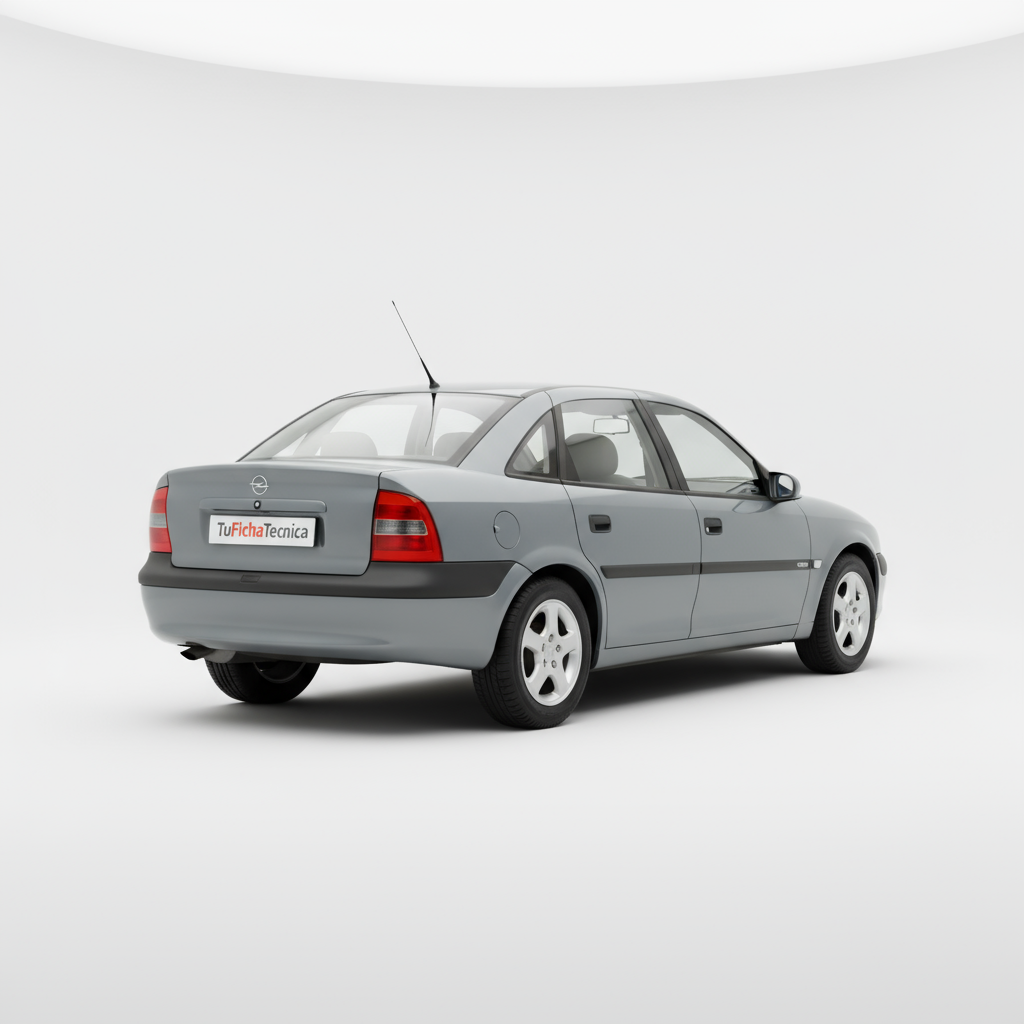
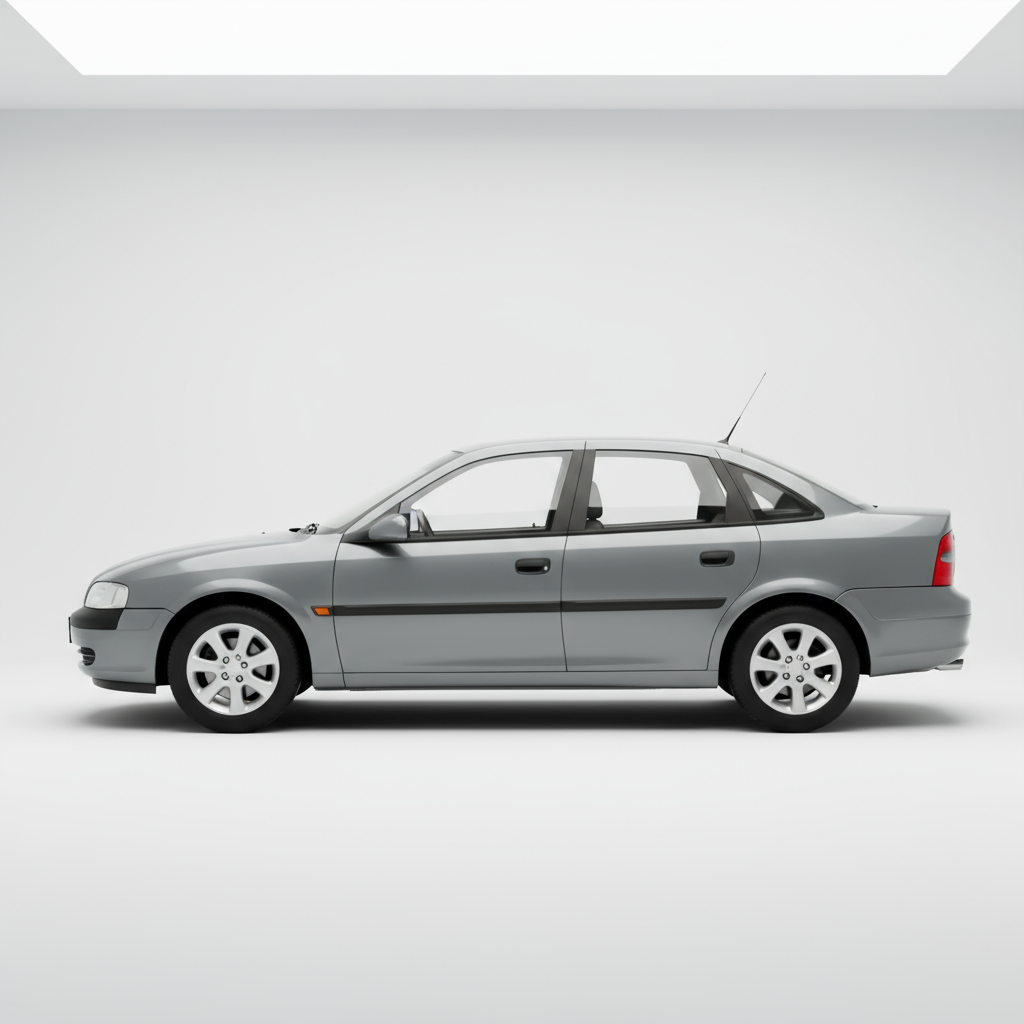
The design of the 1995 Opel Vectra was a reflection of the automotive aesthetic of the mid-90s: sober, functional lines with a clear orientation towards aerodynamics. The 4-door body presented a classic sedan silhouette, with a front end that incorporated the headlights and grille in an integrated way, and a rear that prioritized trunk capacity (500 liters). Although it was not a car that sought extravagance, its timeless design allowed it to age gracefully. Its dimensions (4495 mm long, 1707 mm wide, and 1425 mm high) placed it at the heart of the mid-size sedan segment, offering generous interior space for five occupants.
Technology and features
In terms of technology, the Vectra 2.0 DTI 16v stood out for its direct injection diesel engine with turbo and intercooler, an advanced configuration for the time that optimized combustion and reduced consumption. The aluminum cylinder head and iron block were a robust combination. The 5-speed manual transmission was the standard option, offering direct control over power delivery. In terms of safety, it featured ventilated front disc brakes and rear discs, complemented by anti-roll bars on both axles to improve dynamic behavior. Although it lacked current driving assistance systems, its equipment was competitive for its segment and year of manufacture.
Competition
In the competitive mid-size sedan segment, the Opel Vectra faced tough rivals such as the Volkswagen Passat, the Ford Mondeo, the Renault Laguna, and the Peugeot 406. Each of them offered their own virtues, from the robustness of the Passat to the comfort of the Laguna. The Vectra positioned itself as a balanced option, with a good compromise between price, equipment, and performance, especially in its diesel version, which stood out for its efficiency and mechanical reliability.
Conclusion
The 1995 Opel Vectra 4-door GL 2.0 DTI 16v was an honest and competent car, designed to meet the expectations of a clientele looking for a reliable, spacious, and economical sedan to use. Its diesel engine, functional design, and predictable behavior made it a popular choice for families and professionals. Although it was not a car that thrilled with its sportiness or avant-garde design, its solidity and good performance in everyday use ensured it a prominent place in the market of its time. A vehicle that, despite the years, remains a testament to Opel's practical engineering.