
Especificaciones y análisis del Opel Vectra
Power
101HP
Torque
230Nm
Consumption
5.7l/100
Emissions
-g/km
0-100 km/h
13s
Top Speed
195km/h
Weight
1450kg
Price
21,160€
Technical summary
Gasóleo
Manual 5v
FWD
5 / 4 doors
500 L
60 L
74 kW
Current
Technical specifications
Engine
Capacities
Detailed analysis of the Opel Vectra 4p Elegance 2.0 DTI 16V · 101 CV (1999-2002)
General description
The 1995 Opel Vectra, in its Elegance 2.0 DTI 16V version, was presented as a four-door sedan that sought to conquer the mid-range segment with a balanced proposal. With a 101 hp diesel engine and a focus on efficiency, this model promised to be a reliable daily companion, offering a good compromise between performance and consumption at a time when diesel was beginning to gain ground.
Driving experience
Behind the wheel of the Vectra 2.0 DTI, the general feeling is one of solidity and comfort. The diesel engine, although not a powerhouse, delivers its 101 hp progressively, with a torque of 230 Nm available from 1950 rpm, which facilitates overtaking and highway driving. Acceleration from 0 to 100 km/h in 13 seconds and a top speed of 195 km/h place it in an acceptable range for its category. The McPherson-type front suspension filters road irregularities well, offering a comfortable ride for all occupants. The rack-and-pinion steering provides adequate response, though without the agility of sportier models. In general, it is a car that invites relaxed driving and long journeys, where its low combined consumption of 5.7 l/100km becomes a great ally.
Design and aesthetics
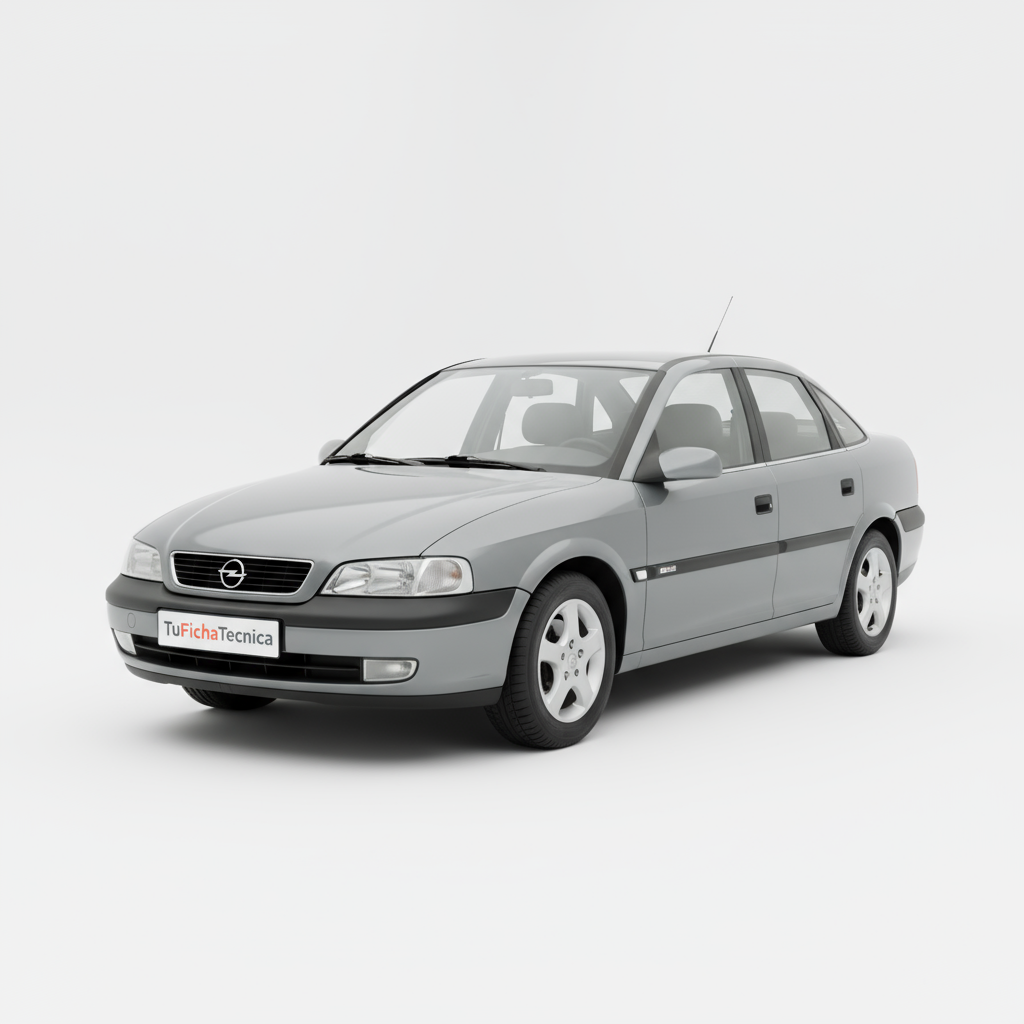
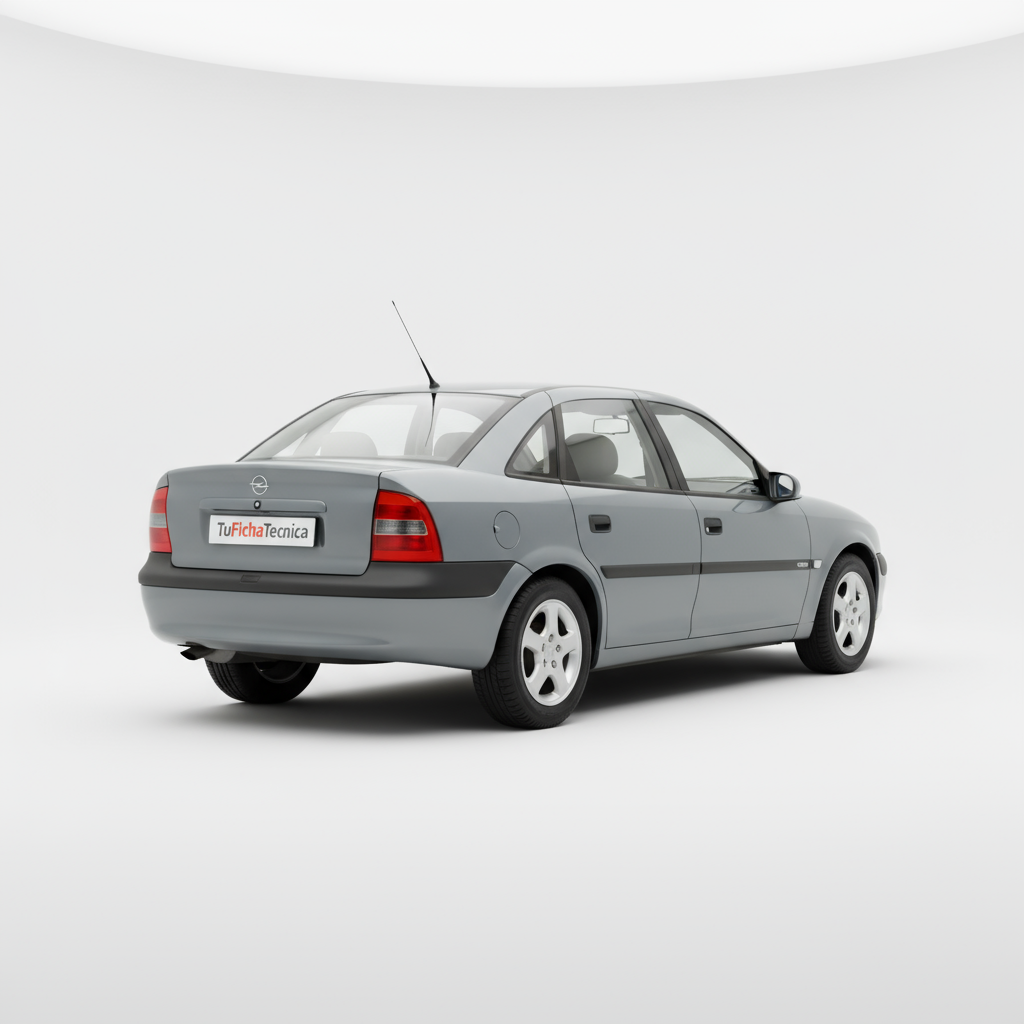
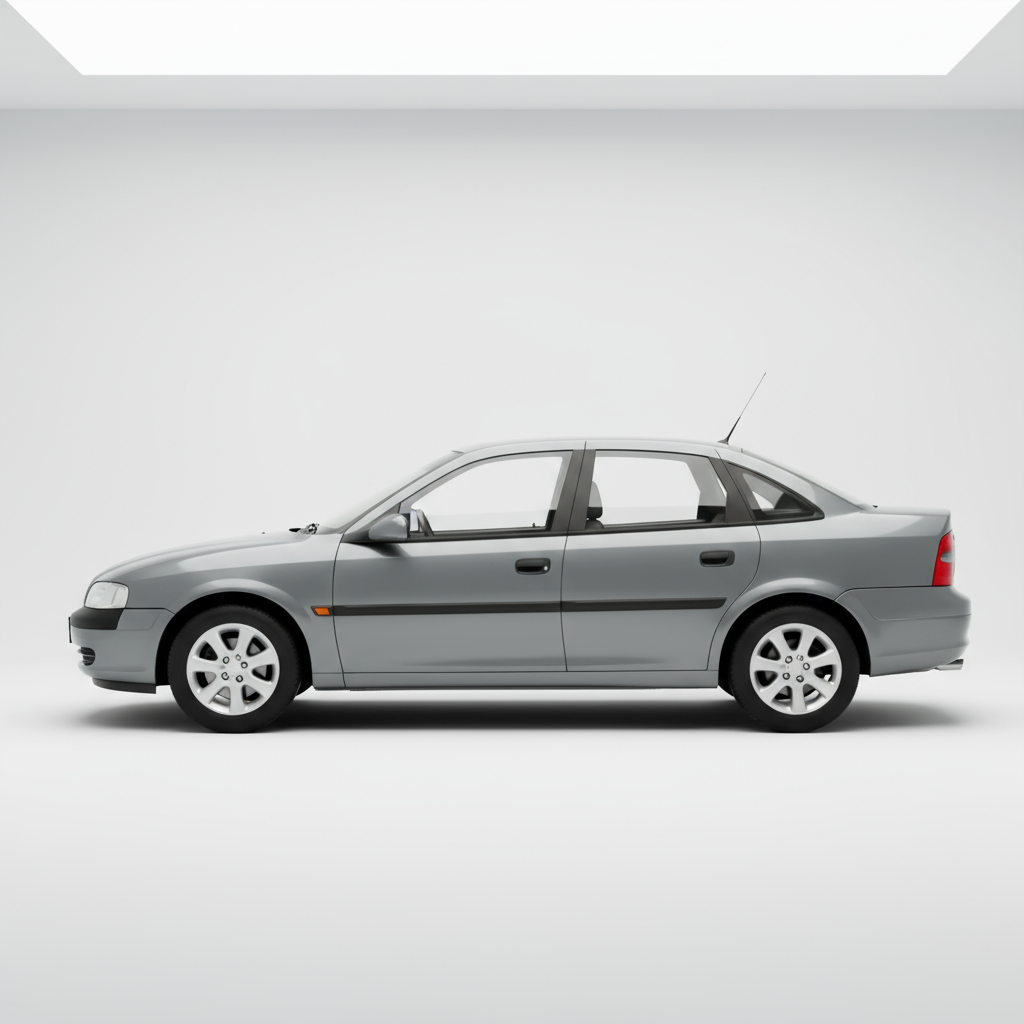
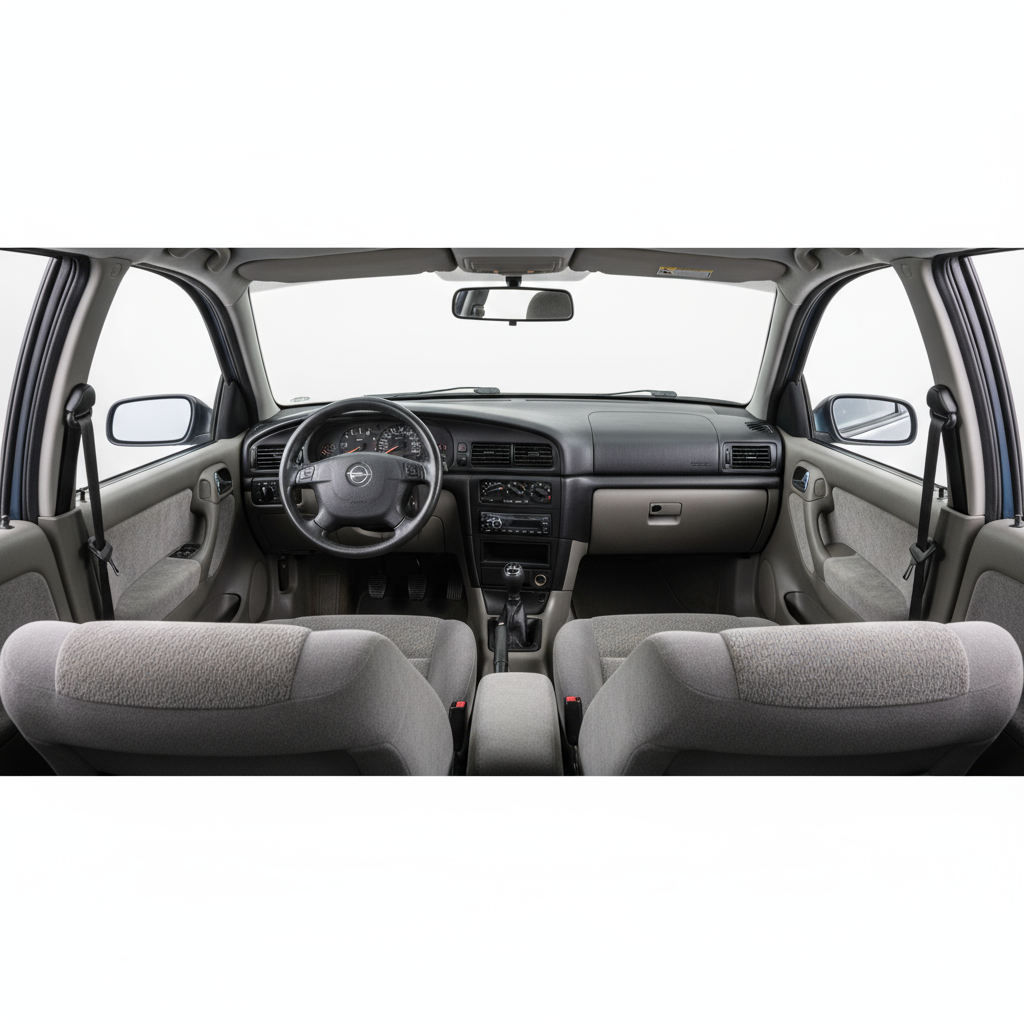
The design of the 1995 Opel Vectra reflects the automotive aesthetic of the era: sober, functional lines without great extravagance. The four-door body, with a length of 4495 mm and a width of 1707 mm, offers a discreet yet elegant presence. The simple design of the front and rear lights integrates harmoniously into the overall look. The interior, while not luxurious, is spacious and functional, with a 500-liter trunk that makes it a practical car for families. The Elegance version, as its name suggests, adds some details that enhance its appeal, without deviating from the philosophy of a car designed for daily use.
Technology and features
In terms of technology, the Opel Vectra 2.0 DTI 16V incorporated advanced solutions for its time, especially in its engine. The 1995 cc diesel engine, with direct injection, turbo, and intercooler, was an example of efficiency and performance. The aluminum cylinder head and iron block ensured durability. As for the transmission, it had a 5-speed manual gearbox that effectively managed power to the front wheels. In the chassis, the McPherson-type front suspension and ventilated disc brakes on the front axle and discs on the rear ensured good dynamic behavior and safe braking. Although it did not have the electronic driving aids that are common today, its technology was aimed at offering a reliable and efficient driving experience.
Competition
In the competitive mid-size sedan segment of the 90s, the Opel Vectra 2.0 DTI 16V faced tough rivals. Models such as the Volkswagen Passat, Ford Mondeo, Renault Laguna, or Peugeot 406 were its main competitors. Each offered its own virtues, from the robustness of the Passat to the comfort of the Laguna. The Vectra positioned itself as a balanced option, with a good diesel engine, a discreet design, and proven reliability, seeking to attract buyers who valued practicality and economy of use above extravagances.
Conclusion
The 1995 Opel Vectra 4p Elegance 2.0 DTI 16V was a car that more than fulfilled its purpose. It offered a combination of comfort, efficiency, and reliability that made it a very attractive option for families and professionals of the time. Its diesel engine, although not the most powerful, stood out for its low consumption and good torque. Its sober and functional design, along with a spacious interior, made it a practical and versatile car. Although years have passed, this generation's Vectra remains a testament to German engineering, a car that, without great fanfare, offered everything necessary to enjoy the road with peace of mind.