
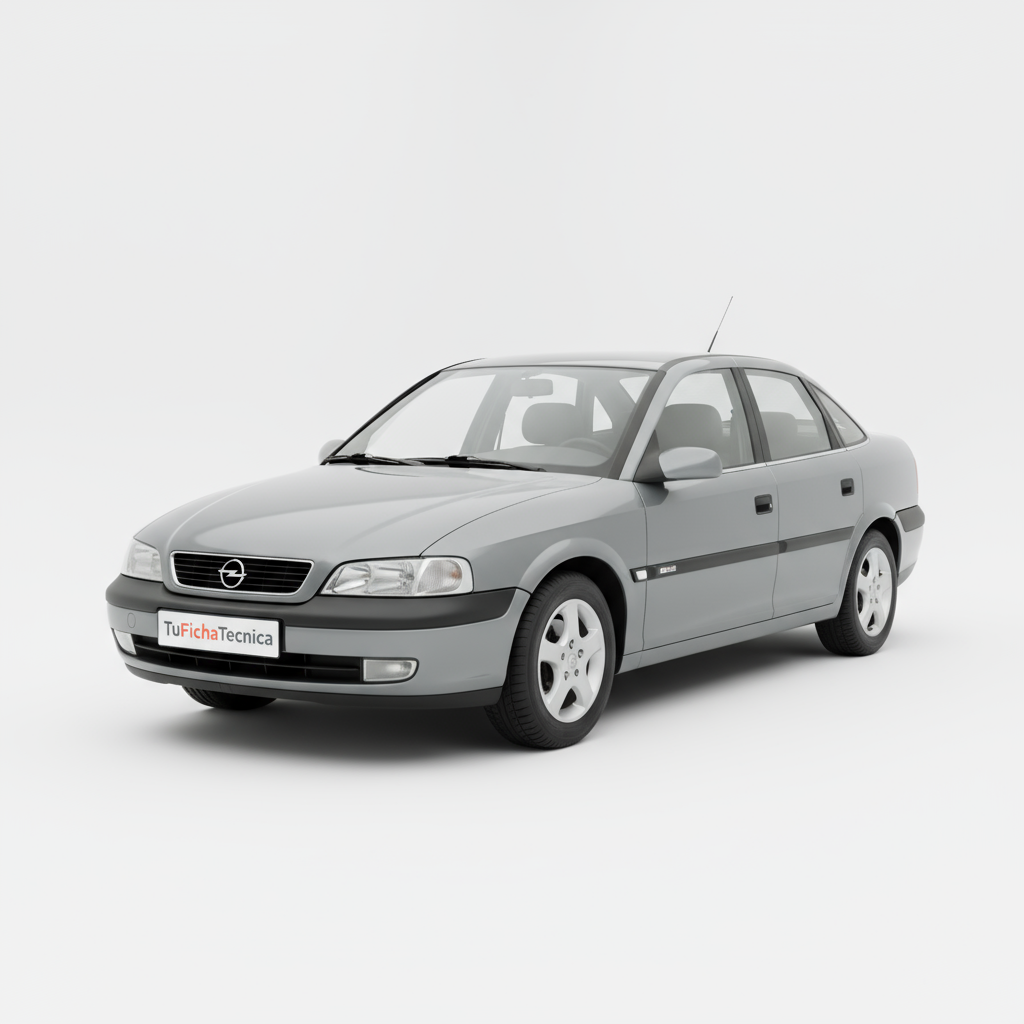
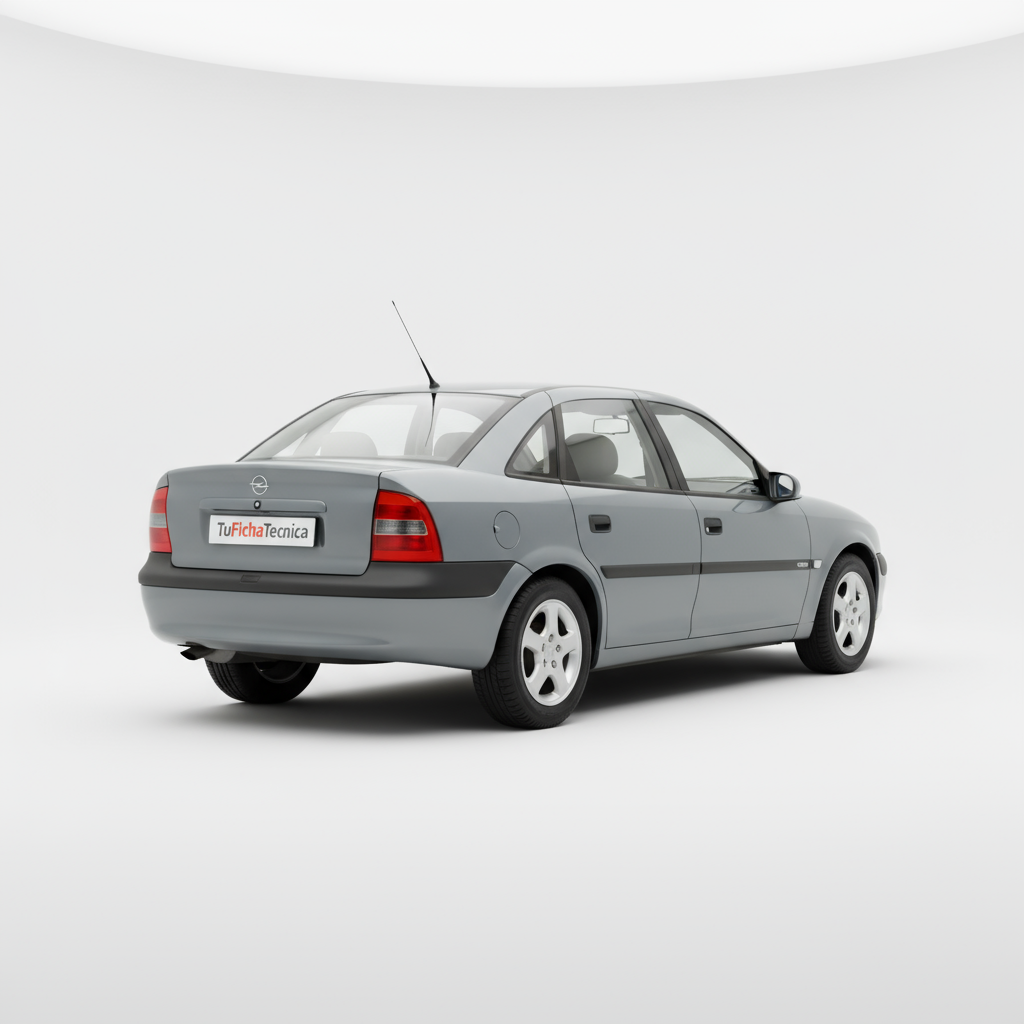
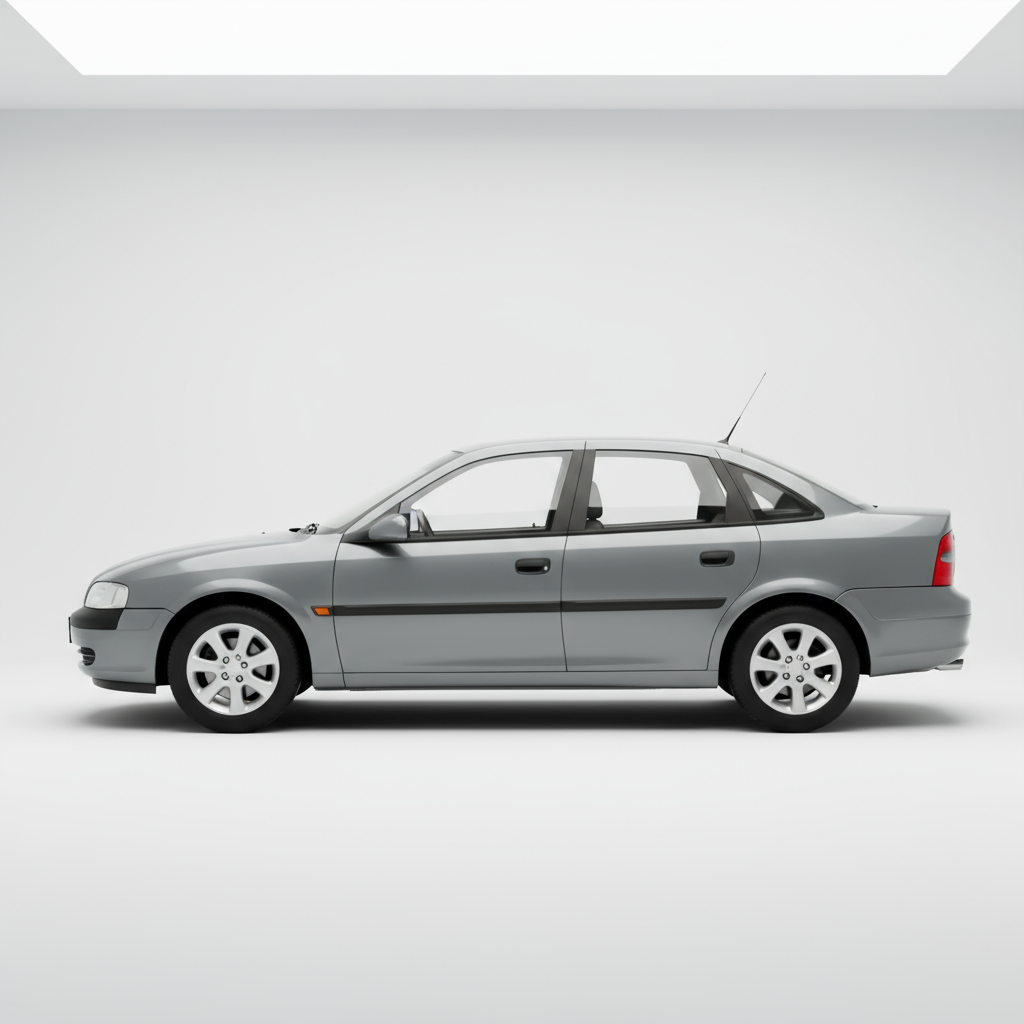
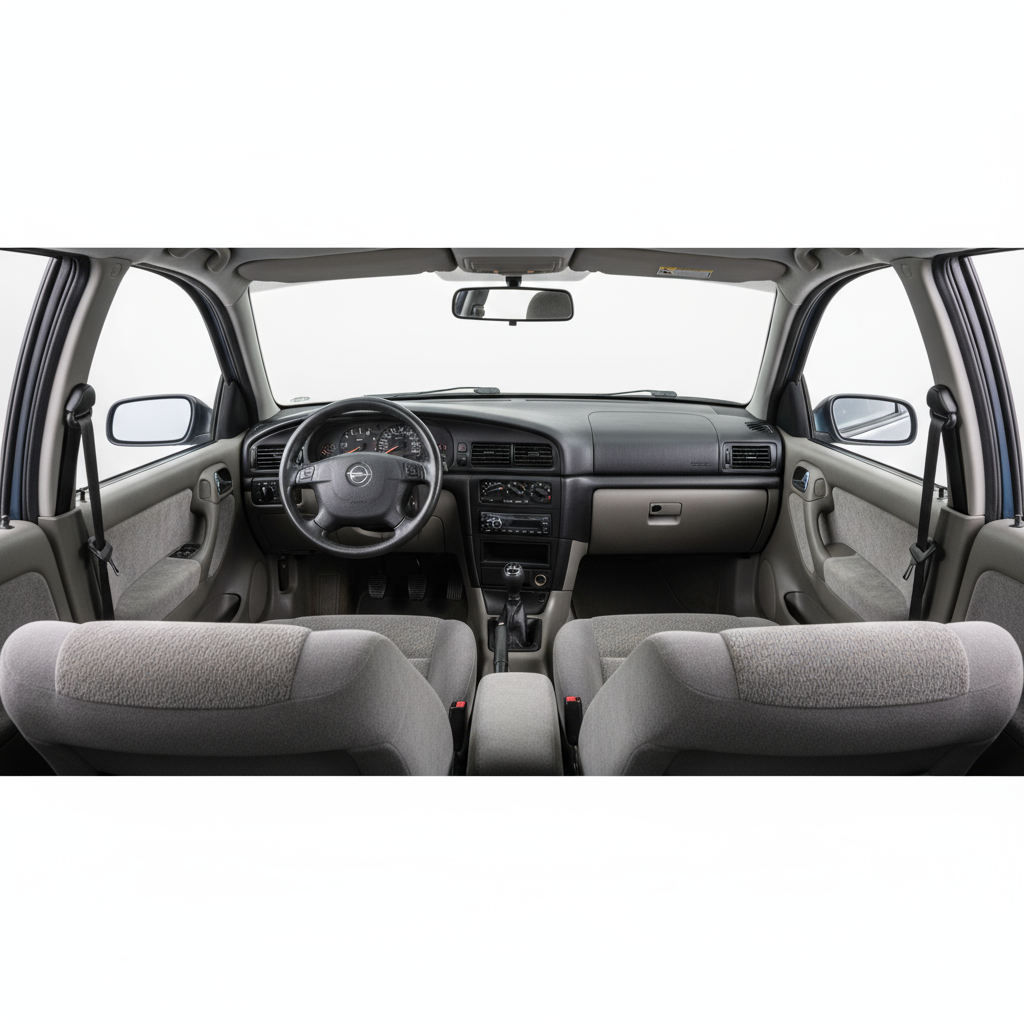
Especificaciones y análisis del Opel Vectra
Power
101HP
Torque
230Nm
Consumption
6l/100
Emissions
-g/km
0-100 km/h
13s
Top Speed
195km/h
Weight
1425kg
Price
20,861€
Technical summary
Gasóleo
Manual 5v
FWD
5 / 4 doors
500 L
60 L
74 kW
Current
Technical specifications
Engine
Capacities
Detailed analysis of the Opel Vectra 4p Edition 2000 2.0 DTI 16v · 101 CV (1999-2001)
General description
The 1995 Opel Vectra 4-door 2.0 DTI 16v, in its Edition 2000 version, is presented as a sedan that sought to combine functionality with a touch of distinction. With a 101 hp diesel engine, this model promised efficiency and adequate performance for everyday use, positioning itself as a sensible option in the market at the time.
Driving experience
Behind the wheel of the Vectra, the feeling is one of solidity and comfort. Its diesel engine, although not a powerhouse, offers 230 Nm of torque at low revolutions (1950 rpm), which translates into an energetic response for overtaking and recovery. A top speed of 195 km/h and acceleration from 0 to 100 km/h in 13 seconds place it in an honest performance range for its segment and year. The McPherson front suspension and disc brakes on both axles (ventilated at the front) contribute to stable and safe driving, instilling confidence in the driver. The combined consumption of 6 l/100km was a strong point, making long journeys a more economical experience.
Design and aesthetics
The design of the 1995 Opel Vectra reflects the automotive aesthetic of the late 20th century: sober, functional, and timeless lines. The 4-door body, with its 4495 mm length, 1707 mm width, and 1425 mm height, offered a discreet yet elegant presence. The interior, although not luxurious, was designed for ergonomics and habitability, with 5 comfortable seats and a generous 500-liter trunk, ideal for family or travel needs. The choice of 195/65 R15 H tires on 6 x 15-inch wheels complemented its balanced image.
Technology and features
In terms of technology, the Opel Vectra 2.0 DTI 16v incorporated advanced solutions for its time. The direct injection diesel engine with turbo and intercooler was an example of efficiency and performance. The rack-and-pinion steering, although without variable assistance, offered a direct response. The engine's construction, with an iron block and aluminum cylinder head, sought a balance between durability and lightness. Although it lacked modern systems such as Stop&Start or current environmental labels, its technology was aimed at offering a reliable and economical driving experience.
Competition
In its time, the Opel Vectra competed in a very competitive segment with models such as the Ford Mondeo, Volkswagen Passat, Renault Laguna, and Peugeot 406. Each of them offered its own virtues, but the Vectra stood out for its overall balance, mechanical reliability, and good value for money, especially in diesel versions like this one, which offered contained running costs.
Conclusion
The Opel Vectra 4-door 2.0 DTI 16v Edition 2000 was a car that more than met the expectations of its public. It offered a complete package of comfort, efficiency, and reliability, wrapped in a discreet but functional design. Although years have passed, its essence as a practical and robust sedan remains a testament to Opel's engineering of the time. It was a smart choice for those looking for a durable and economical vehicle for everyday use and family trips.