

Especificaciones y análisis del Opel Vectra
Power
125HP
Torque
270Nm
Consumption
6.5l/100
Emissions
-g/km
0-100 km/h
10.5s
Top Speed
207km/h
Weight
1450kg
Price
22,592€
Technical summary
Gasóleo
Manual 5v
FWD
5 / 4 doors
500 L
60 L
92 kW
Current
Technical specifications
Engine
Capacities
Detailed analysis of the Opel Vectra 4p Sport 2.2 DTI 16V · 125 CV (1999-2001)
General description
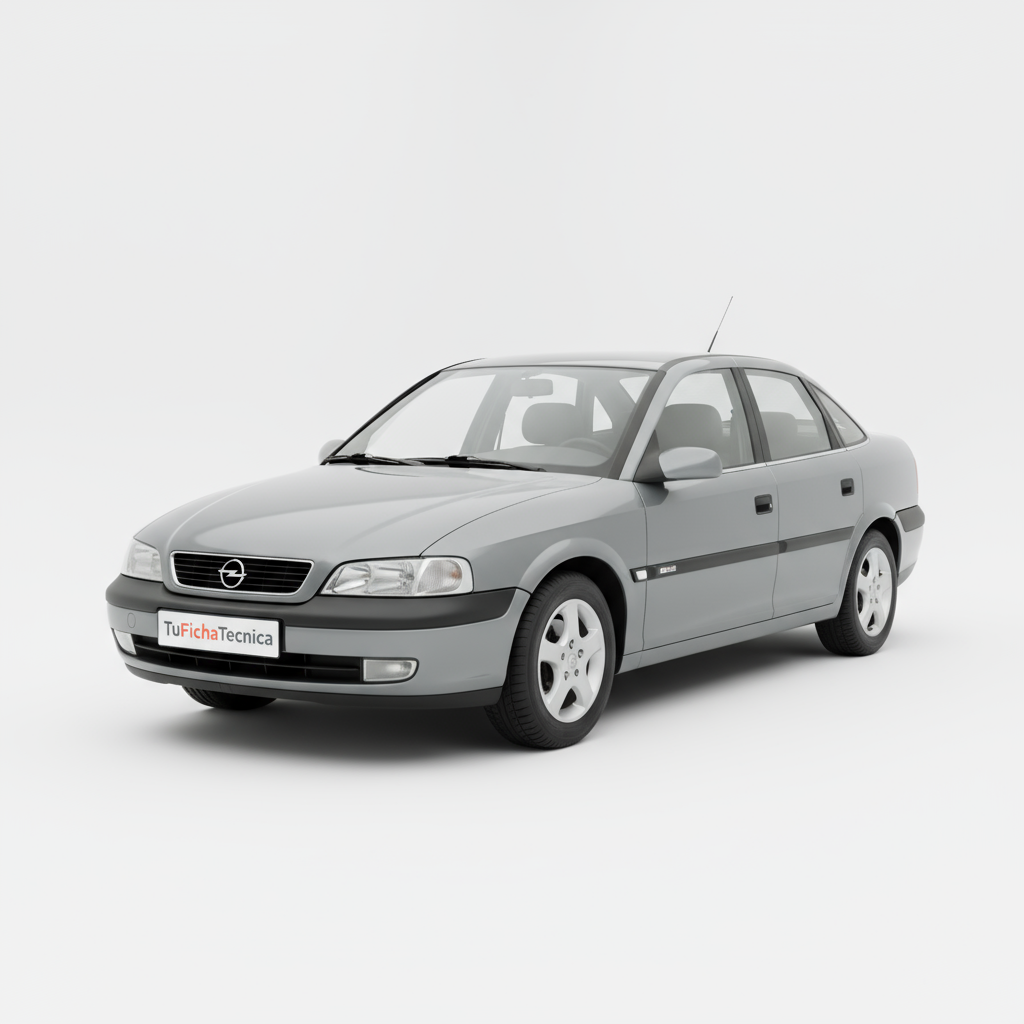
The Opel Vectra 4p Sport 2.2 DTI 16V, a model that saw the light between 1999 and 2001, was presented as a four-door sedan with a clear sporty focus. With its 125 hp diesel engine, it promised a combination of efficiency and dynamism that sought to conquer a demanding public. This Vectra was not just a means of transport, but a statement of intent on the road, a car that invited you to enjoy every journey with a sense of control and power.
Driving experience
Behind the wheel of the Vectra 2.2 DTI 16V, the feeling of solidity and poise was immediate. The diesel engine, with its 125 hp and a torque of 270 Nm available from 1500 rpm, offered a forceful response and an acceleration from 0 to 100 km/h in 10.5 seconds, which for the time was quite respectable. The top speed of 207 km/h allowed long journeys with total solvency. The McPherson type suspension on the front axle, together with the stabilizer bars, contributed to dynamic and safe behavior, transmitting confidence in every curve. The rack and pinion steering, although without variable assistance, offered a good connection with the road, making every maneuver feel precise and controlled. The combined consumption of 6.5 l/100km was a plus for those looking for a balance between performance and economy.
Design and aesthetics
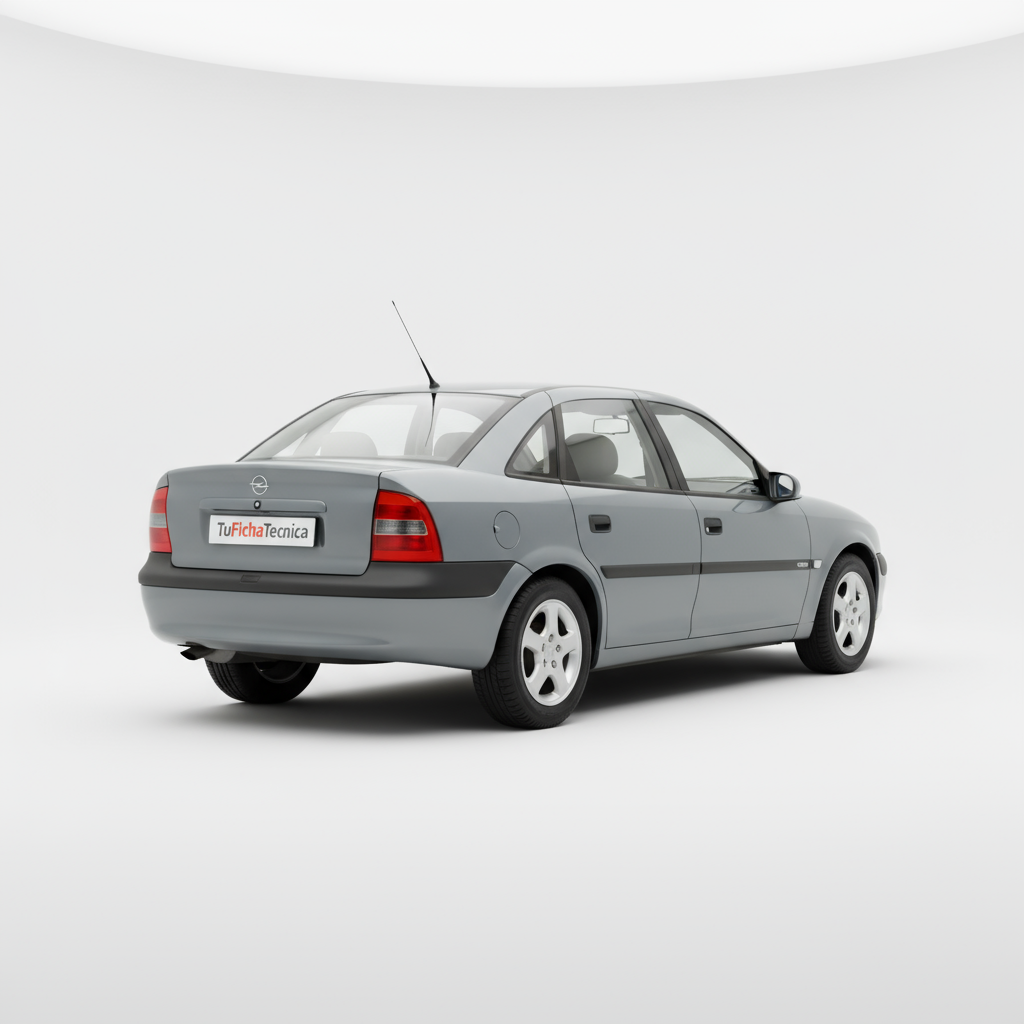
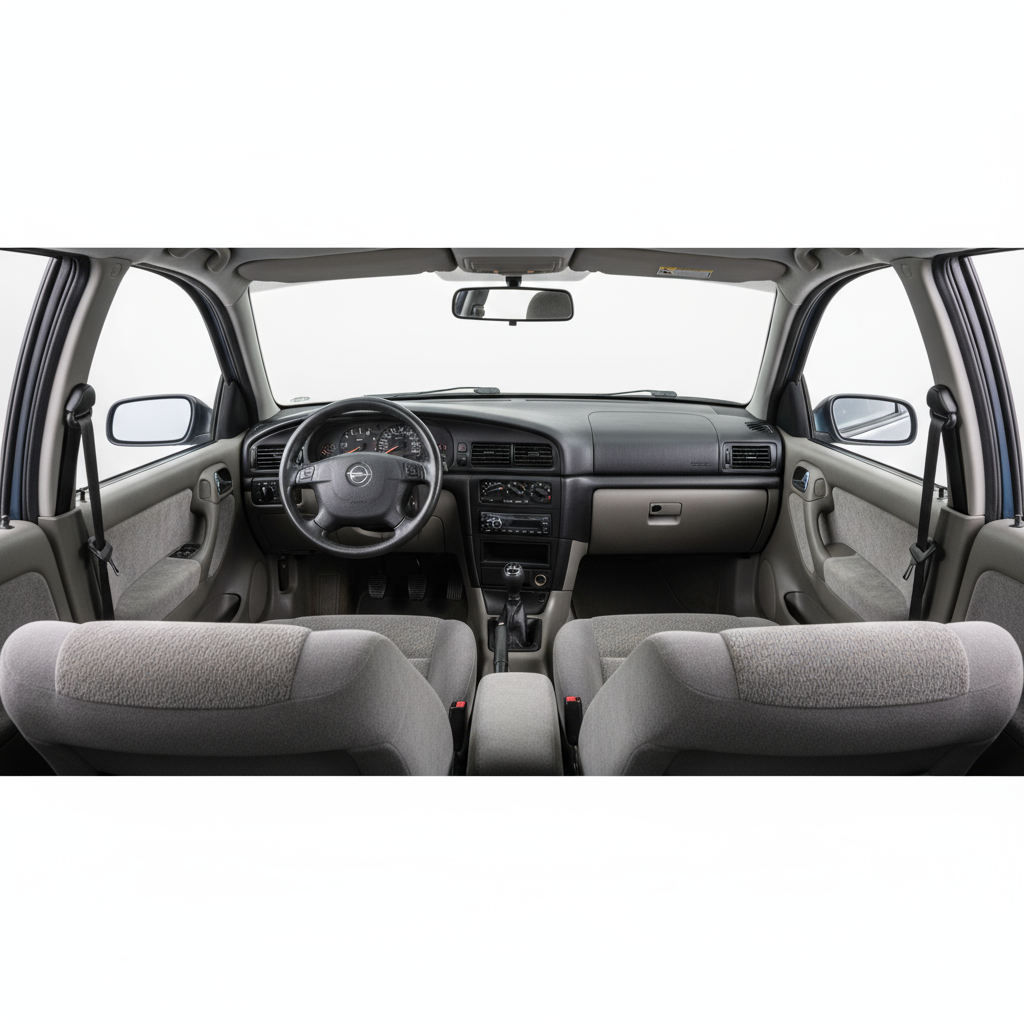
The design of the 1995 Opel Vectra, in its Sport version, stood out for its sober but elegant lines, with a touch of sportiness that differentiated it from other sedans of the time. Its 4495 mm length, 1707 mm width and 1425 mm height gave it an imposing presence on the road. The 16-inch wheels with 205/55 R16 V tires not only improved aesthetics, but also contributed to better grip and stability. The interior design, although functional, was designed to offer comfort and good ergonomics, with a 500-liter trunk that guaranteed a large load capacity for trips or daily use.
Technology and features
In the technological section, the Opel Vectra 2.2 DTI 16V incorporated advanced solutions for its time. The direct injection diesel engine with variable geometry turbo and intercooler was an example of efficiency and performance. The aluminum cylinder head and iron block combined lightness and robustness. Although it did not have Start/Stop, its diesel engine technology was at the forefront. In terms of safety, the ventilated front disc brakes and rear discs ensured effective braking. The rack and pinion steering, although not electronically assisted, offered a direct and reliable response. In summary, the Vectra Sport integrated the necessary technology to offer a safe and pleasant driving experience.
Competition
In its segment, the Opel Vectra 4p Sport 2.2 DTI 16V faced tough competitors such as the Volkswagen Passat, the Ford Mondeo or the Peugeot 406. Each of them offered their own virtues, but the Vectra stood out for its balance between sportiness, comfort and a powerful and efficient diesel engine. Its price of 22,592 euros in 2000 positioned it as an attractive option within mid-size sedans, offering a solid and well-equipped alternative to its direct rivals.
Conclusion
The Opel Vectra 4p Sport 2.2 DTI 16V was a car that knew how to combine the elegance of a sedan with the sporty spirit of a powerful diesel engine. Its timeless design, balanced performance and reliable technology made it a very interesting option for those looking for a versatile car, capable of facing both daily commutes and long journeys with comfort and safety. A vehicle that, without a doubt, left its mark on the history of Opel and in the hearts of its owners.