
Especificaciones y análisis del Opel Vectra
Power
170HP
Torque
250Nm
Consumption
10.4l/100
Emissions
-g/km
0-100 km/h
9s
Top Speed
227km/h
Weight
1408kg
Price
27,220€
Technical summary
Gasolina
Automático 4v
FWD
5 / 4 doors
500 L
60 L
125 kW
Current
Technical specifications
Engine
Capacities
Detailed analysis of the Opel Vectra 4p CDX 2.6 V6 Aut. · 170 CV (1999-2001)
General description
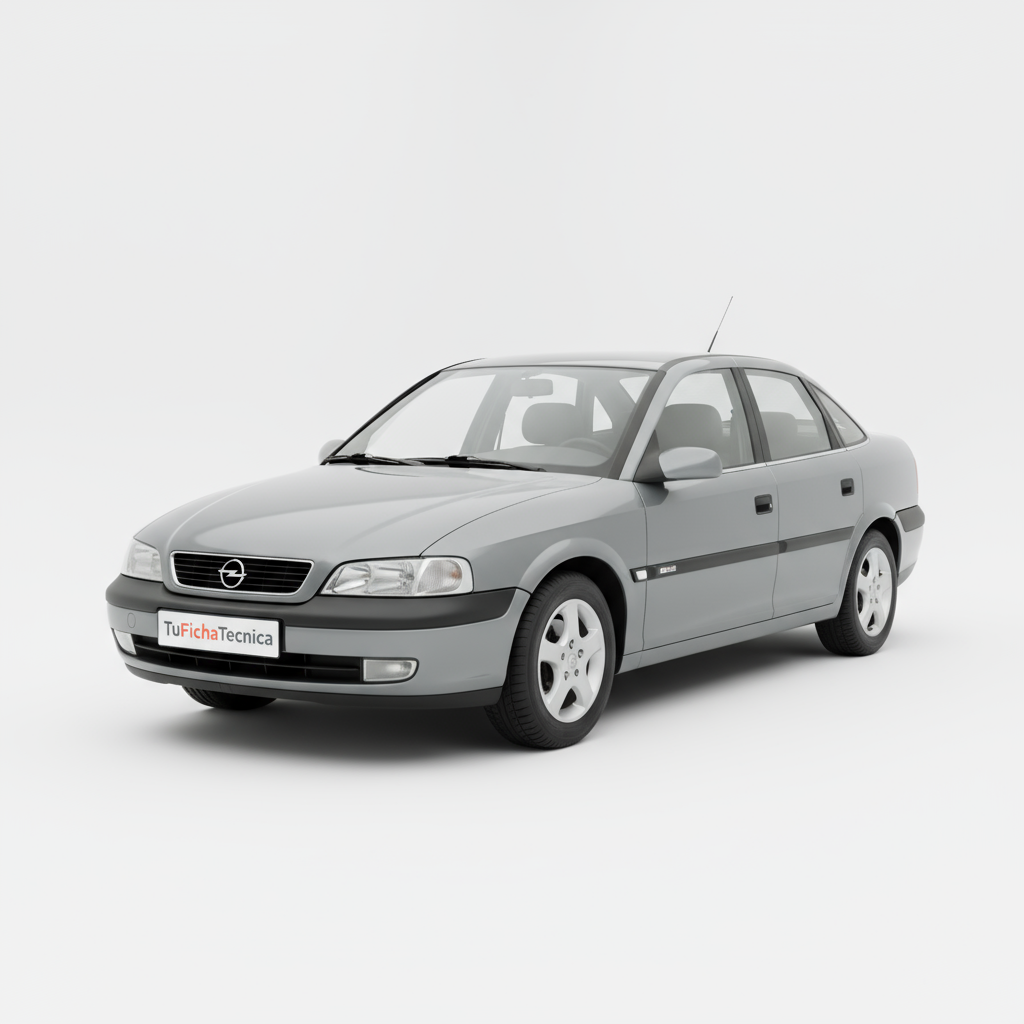
The 1995 Opel Vectra, in its 4-door CDX 2.6 V6 Automatic version, was presented as a mid-to-high-range sedan that sought to conquer those who valued comfort and a powerful engine. With a price of 27,220 euros in 2000, this model offered an interesting proposal for its time, combining a sober design with adequate performance for long journeys and equipment that promised comfort.
Driving experience
Behind the wheel of the Vectra 2.6 V6, the predominant sensation was one of smoothness and poise. The 170 hp V6 engine, associated with a 4-speed automatic transmission, delivered power linearly and without harshness, ideal for relaxed driving. Acceleration from 0 to 100 km/h in 9 seconds and a top speed of 227 km/h, although not making it a sports car, did give it the ability to handle overtakes with solvency. The combined consumption of 10.4 l/100km was reasonable for an engine of this displacement and era. The McPherson type suspension on the front axle contributed to a good balance between comfort and stability, absorbing road irregularities effectively.
Design and aesthetics
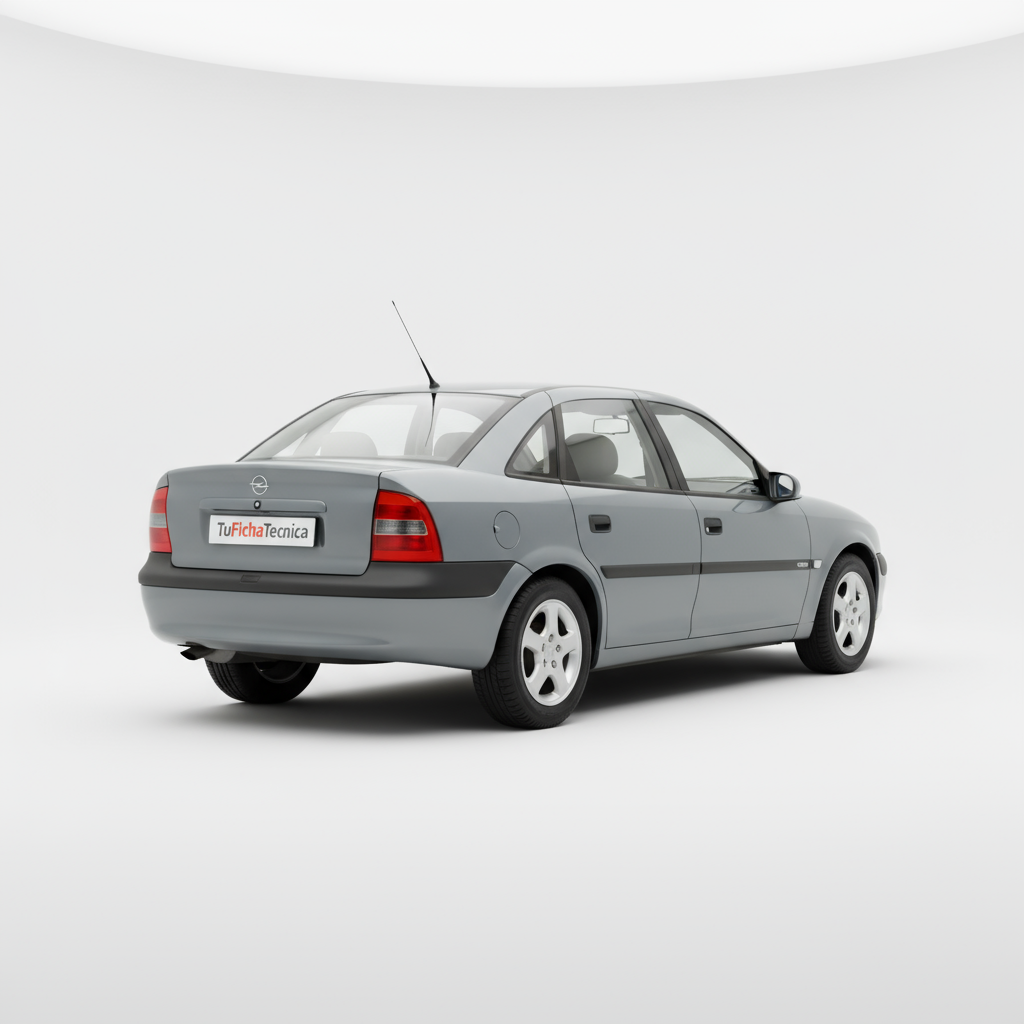
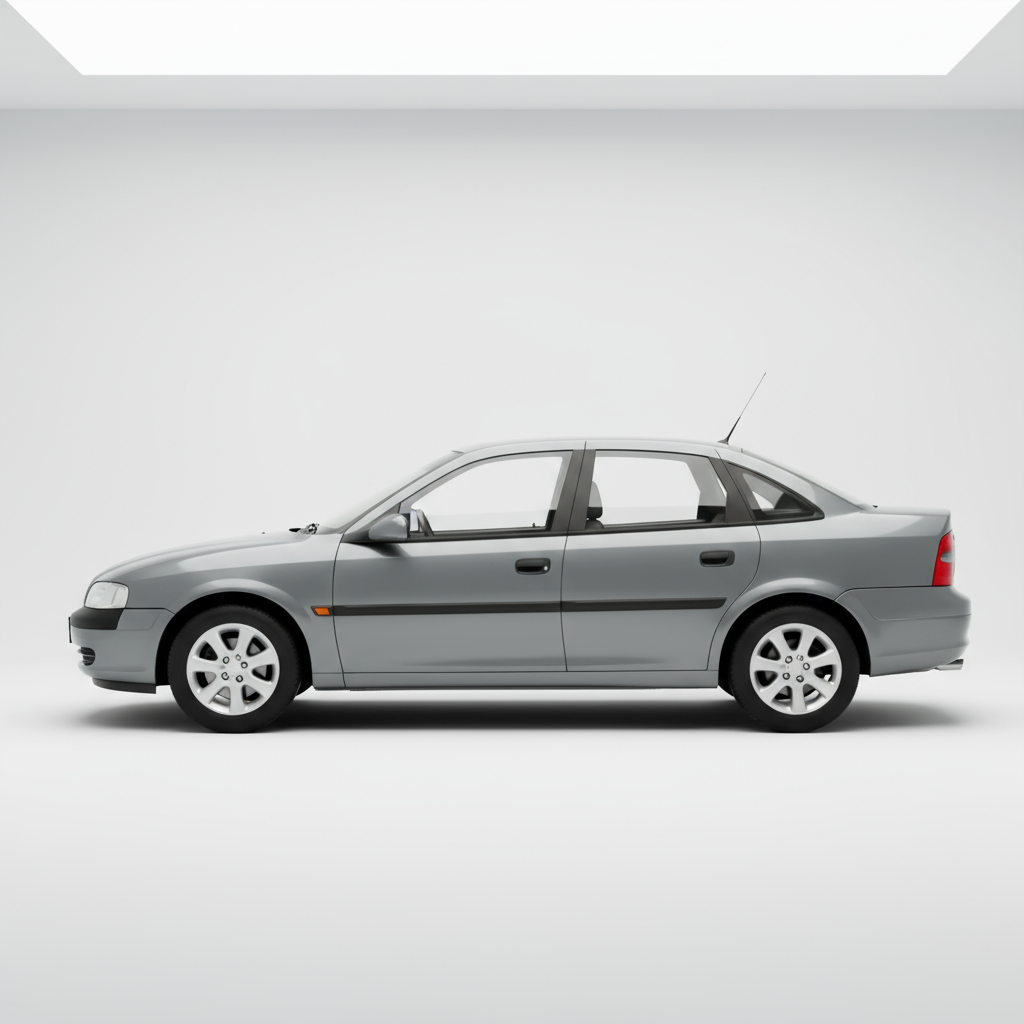
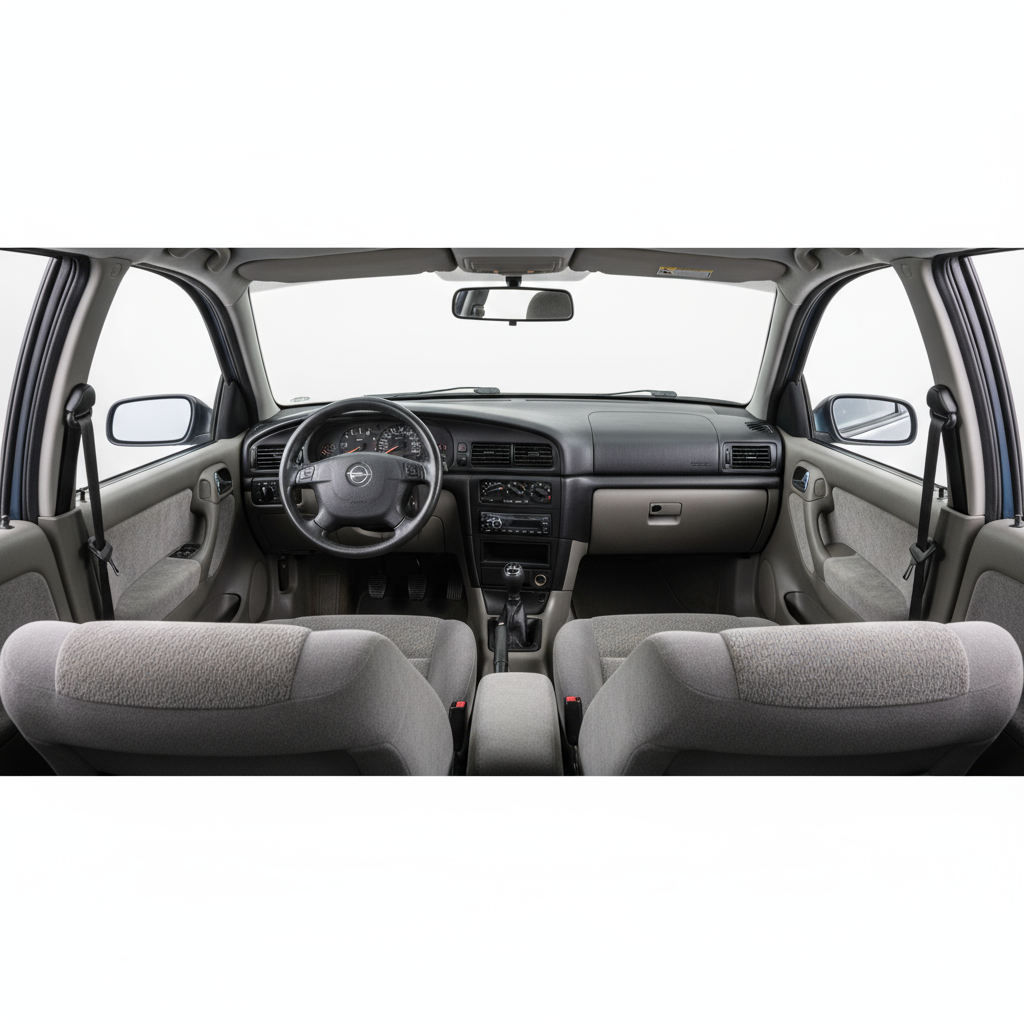
The design of the 1995 Opel Vectra was a reflection of the automotive aesthetic of the decade, with clean and functional lines. Its 4-door body, with a length of 4495 mm and a width of 1707 mm, offered a discreet but elegant presence. The front, with its elongated headlights and a simple grille, conveyed an image of solidity. Inside, the arrangement of the elements was ergonomic, seeking maximum comfort for the occupants. The trunk, with a capacity of 500 liters, was one of its strong points, offering generous space for luggage.
Technology and features
In the technological section, the Vectra 2.6 V6 incorporated elements that, for its time, were considered advanced. The 2597 cc V6 engine with 4 valves per cylinder and a compression ratio of 10:1, together with indirect injection, ensured efficient combustion. The 4-speed automatic transmission facilitated driving in urban traffic and on the road. In terms of safety, it had ventilated disc brakes on the front axle and discs on the rear, as well as stabilizer bars on both axles to improve driving dynamics. The wheels, with 205/55 R16 V tires, provided good grip.
Competition
In its segment, the Opel Vectra 2.6 V6 Automatic competed with sedans from generalist brands that also offered versions with powerful engines and a focus on comfort. Models such as the Ford Mondeo, the Volkswagen Passat, or the Renault Laguna were its main adversaries. Each of them presented its own virtues, but the Vectra stood out for its smooth V6 engine and its good overall balance, seeking an audience that valued discretion and reliability.
Conclusion
The 1995 Opel Vectra 4-door CDX 2.6 V6 Automatic was a car that more than fulfilled its purpose: to offer a comfortable, powerful, and well-equipped sedan for its time. Its V6 engine provided a refined driving experience, ideal for long journeys, and its timeless design allowed it to age gracefully. Although it was not a car that sought pure excitement, its reliability and practicality made it a very sensible option for those looking for a faithful and comfortable travel companion.