
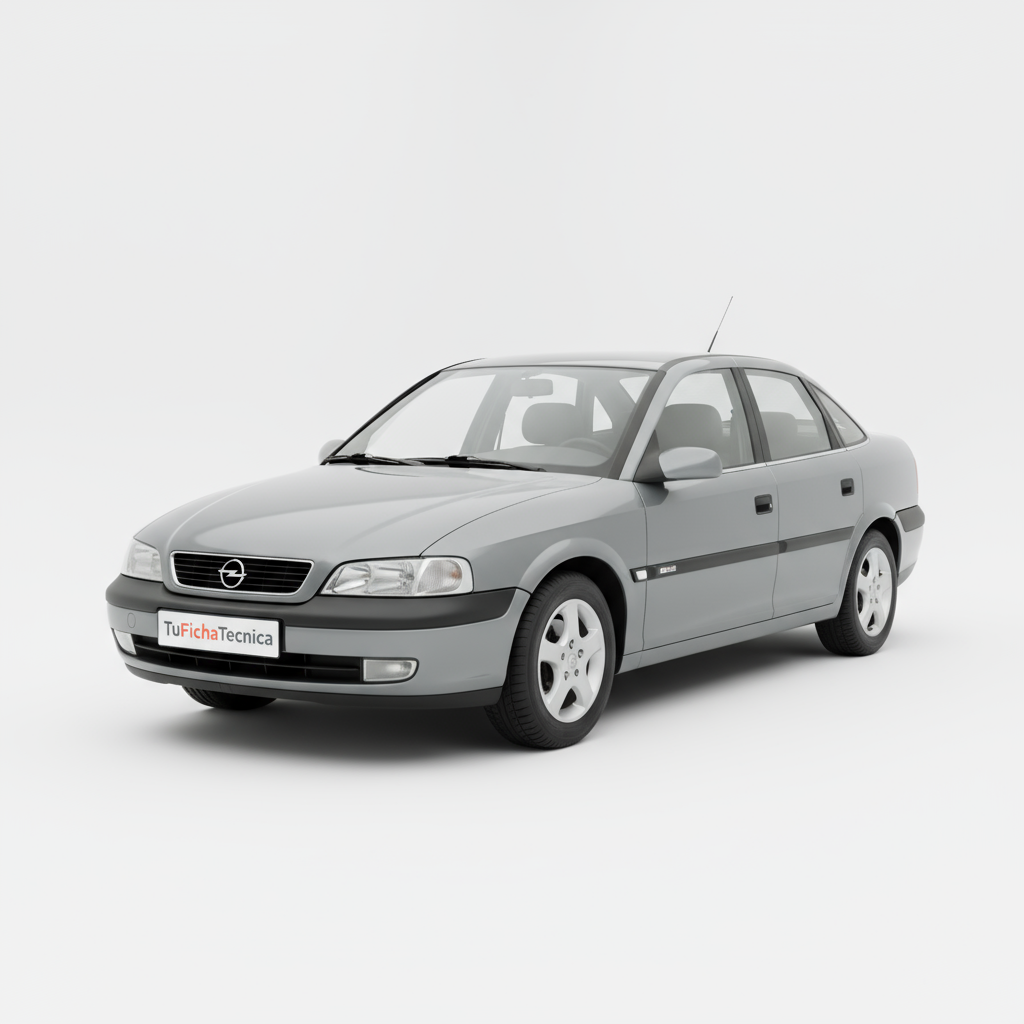
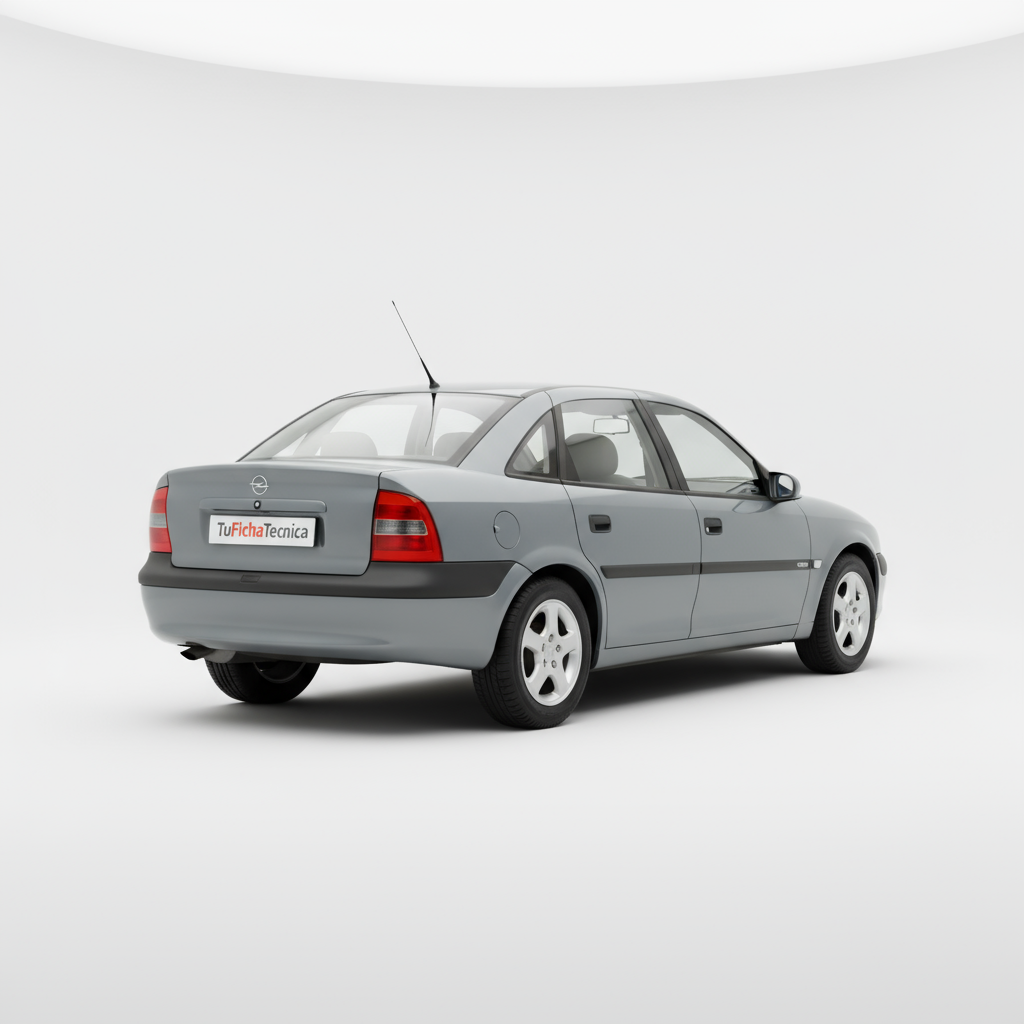
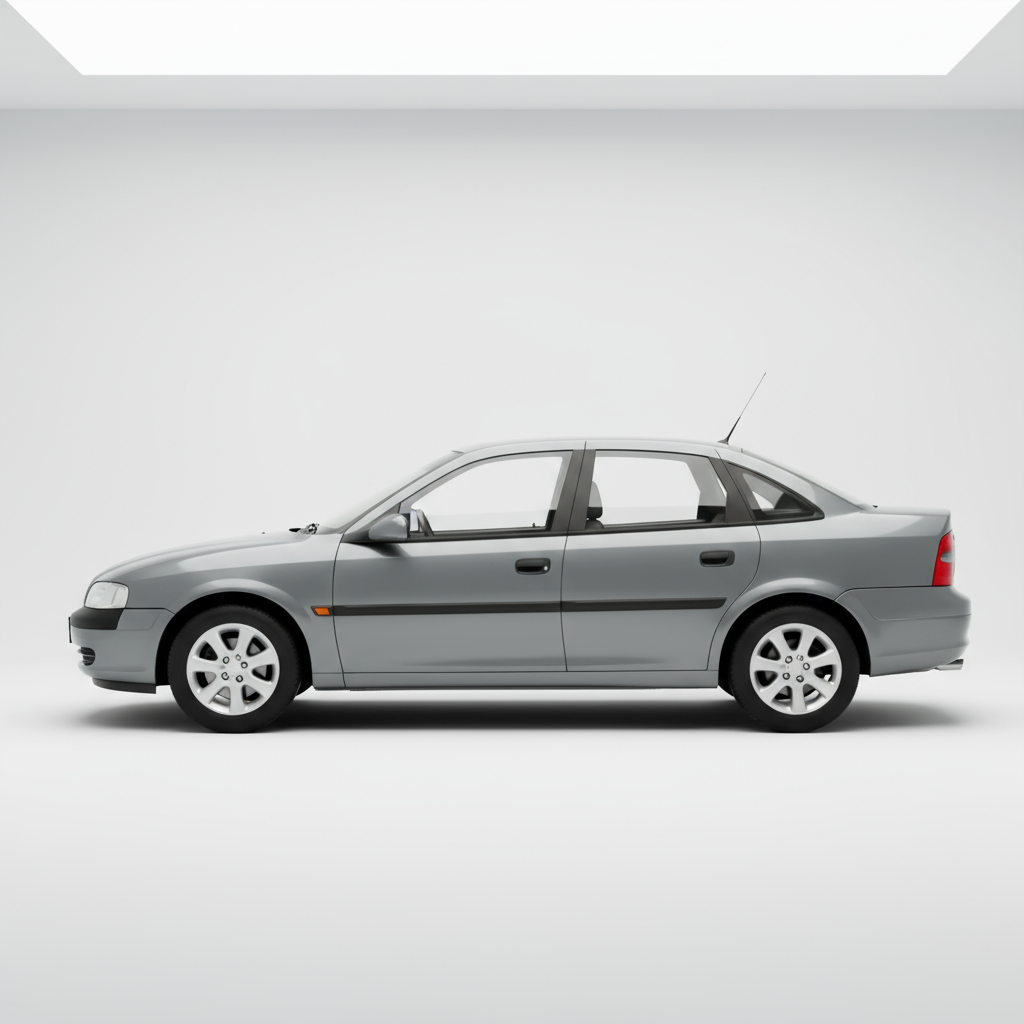
Especificaciones y análisis del Opel Vectra
Power
170HP
Torque
250Nm
Consumption
9.8l/100
Emissions
-g/km
0-100 km/h
8.5s
Top Speed
230km/h
Weight
1393kg
Price
25,892€
Technical summary
Gasolina
Manual 5v
FWD
5 / 4 doors
500 L
60 L
125 kW
Current
Technical specifications
Engine
Capacities
Detailed analysis of the Opel Vectra 4p CDX 2.6 V6 · 170 CV (1999-2001)
General description
The 1995 Opel Vectra, in its 4-door CDX 2.6 V6 version, emerges as a sedan that, in the late 90s, sought to offer a balance between performance and comfort. With a six-cylinder engine and 170 hp, this model positioned itself as an interesting option for those looking for more than just a simple means of transport, promising a more dynamic and refined driving experience within its segment.
Driving experience
Behind the wheel, the Vectra 2.6 V6 offered a driving experience that combined the smoothness of its V6 engine with an adequate response for its time. Its 170 hp and 250 Nm of torque, managed by a 5-speed manual gearbox, allowed for an acceleration from 0 to 100 km/h in 8.5 seconds and a top speed of 230 km/h. The McPherson type front suspension and ventilated disc brakes on the front axle, along with rear discs, contributed to a sense of safety and control. However, its combined consumption of 9.8 l/100km in urban NEDC cycle (14.1 l/100km) reflected the appetite of its V6 engine, an aspect to consider for daily use.
Design and aesthetics
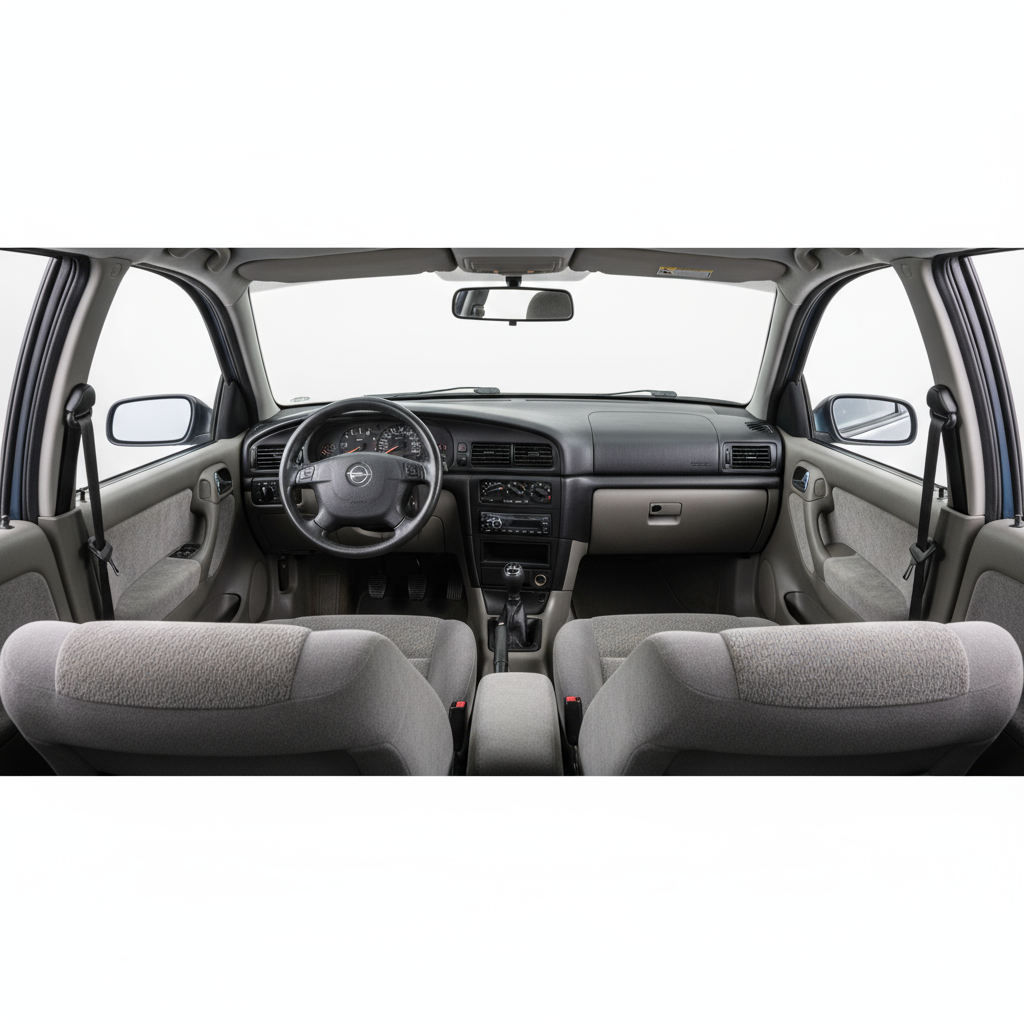
The design of the 1995 Opel Vectra was characterized by its sober and functional lines, typical of sedans of the era. With a length of 4495 mm, a width of 1707 mm, and a height of 1425 mm, it offered a discreet but elegant presence. The interior, with capacity for five occupants and a 500-liter trunk, prioritized habitability and comfort, though without great aesthetic flourishes. It was a car designed for practicality and durability, with a focus on ergonomics and ease of use.
Technology and features
In the technological section, the Vectra 2.6 V6 incorporated standard elements for its segment and era. Its 2597 cc V6 engine with indirect injection and 4 valves per cylinder, along with a compression ratio of 10:1, represented solid engineering. Rack-and-pinion steering and front-wheel drive (FWD) were common configurations. Although it lacked the electronic sophistication of modern vehicles, its equipment focused on the essentials for comfortable and safe driving, such as stabilizers on both axles and disc brakes on all four wheels.
Competition
At the time, the Opel Vectra 2.6 V6 competed with other mid-to-large sedans that offered six-cylinder engines, such as the Ford Mondeo V6, the Volkswagen Passat V6, or the Renault Laguna V6. Each of them presented their own strengths in terms of design, equipment, and driving dynamics, but the Vectra stood out for its overall balance and powerful engine, seeking a niche between sportiness and family comfort.
Conclusion
The 1995 Opel Vectra 4-door CDX 2.6 V6 was a sedan that, with its V6 engine, offered an interesting proposition for those looking for a car with good performance and a certain level of comfort. Although its design was discreet and its technology met the standards of the time, its engine gave it a distinctive character. It was a vehicle designed for daily use and long journeys, with a focus on reliability and functionality, although its fuel consumption was a factor to consider. Today, it represents a piece of automotive history, a testament to an era where large displacement engines still held a prominent place in the sedan market.