
Especificaciones y análisis del Opel Vectra
Power
101HP
Torque
150Nm
Consumption
7.1l/100
Emissions
-g/km
0-100 km/h
12.5s
Top Speed
188km/h
Weight
1345kg
Price
16,640€
Technical summary
Gasolina
Manual 5v
FWD
5 / 5 doors
480 L
60 L
74 kW
Current
Technical specifications
Engine
Capacities
Detailed analysis of the Opel Vectra 5p Comfort 1.6 16V · 101 CV (1999-2002)
General description
The 1995 Opel Vectra, in its Comfort 1.6 16V sedan version, was presented as a balanced and sensible option for families. Priced at 16,640 euros in 2001, it offered an interesting value proposition in the mid-size sedan segment, seeking to win over those who valued functionality and comfort over pure performance.
Driving experience
Behind the wheel of the Vectra, the predominant feeling was one of solidity and comfort. Its 1.6-liter, 101 hp engine, while not an abundance of power, was sufficient for daily use and long journeys at relaxed paces. Acceleration from 0 to 100 km/h in 12.5 seconds and a top speed of 188 km/h indicated a behavior more focused on efficiency and smoothness than on sportiness. The McPherson-type front suspension absorbed road irregularities well, providing a pleasant ride for all occupants. The rack-and-pinion steering, although lacking the precision of more modern models, performed its function correctly, offering a predictable and safe driving experience.
Design and aesthetics
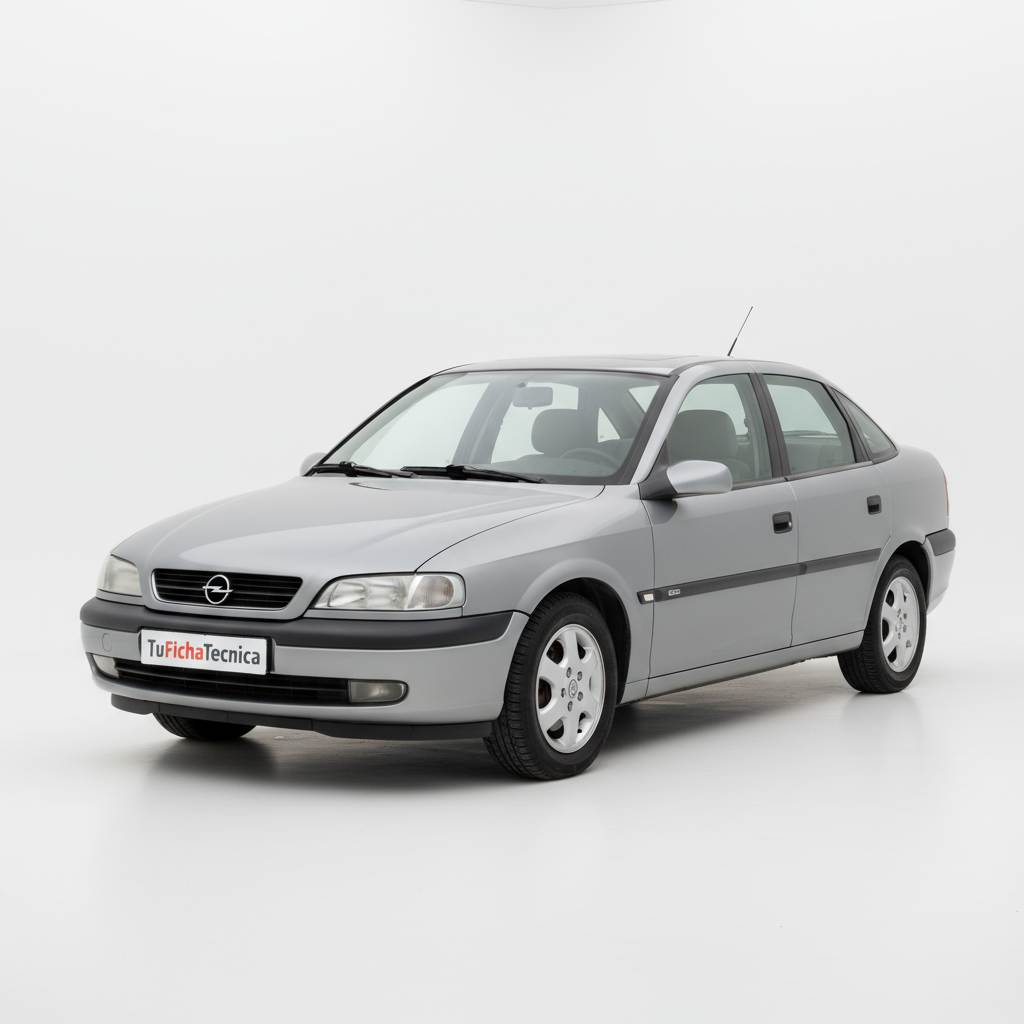
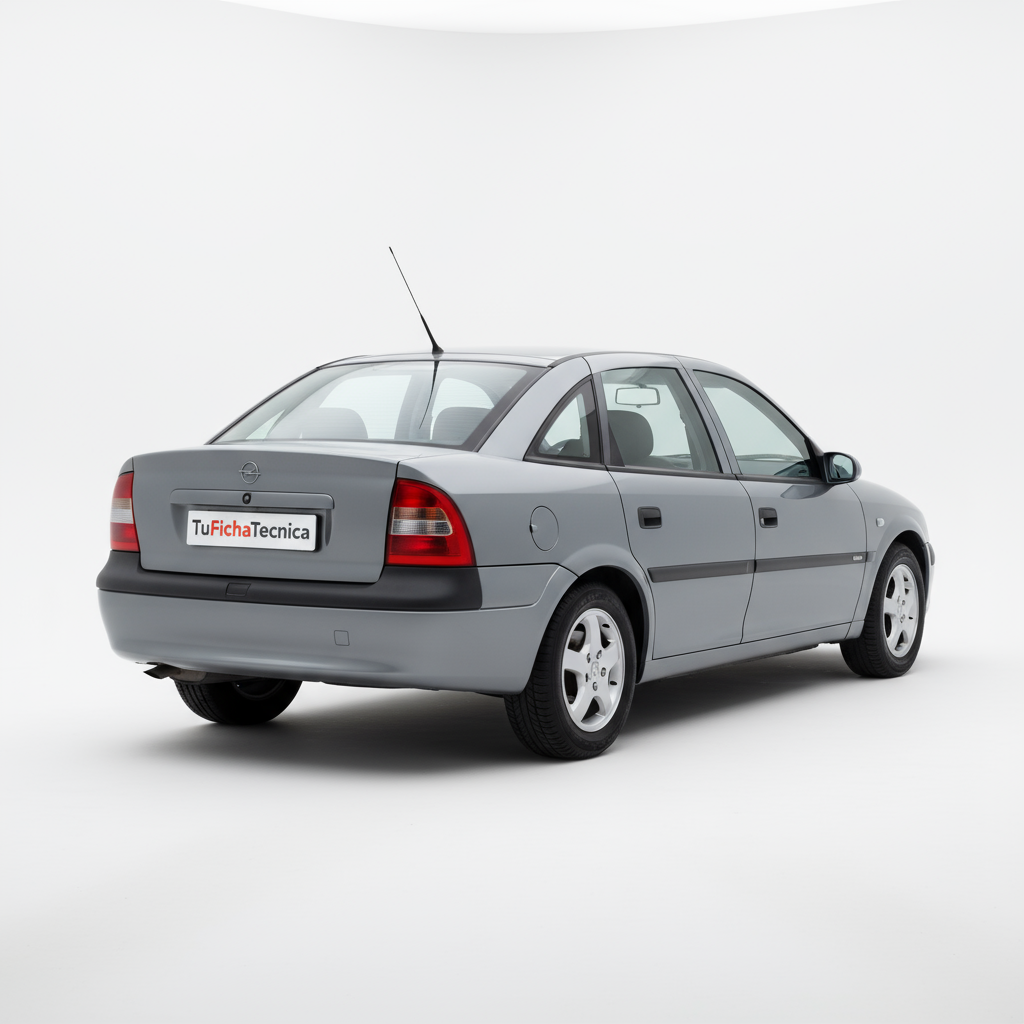
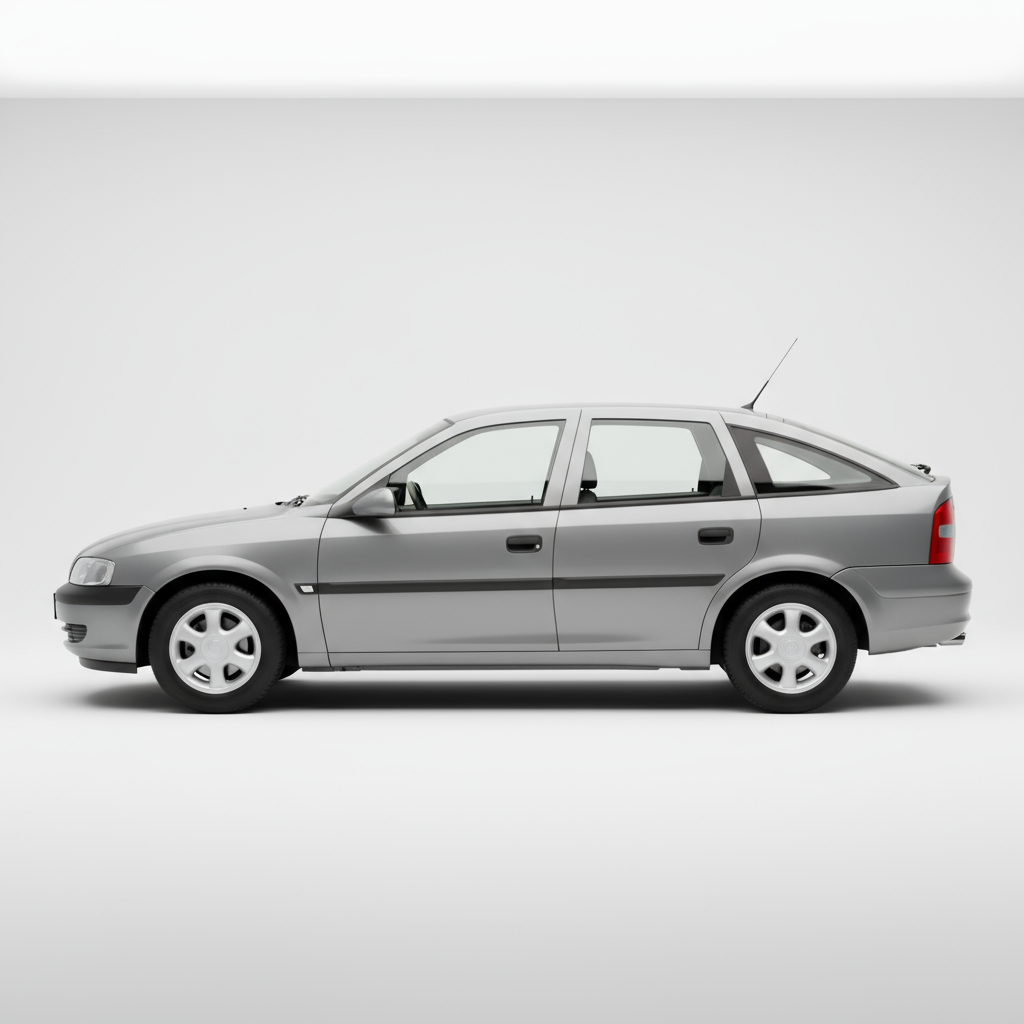
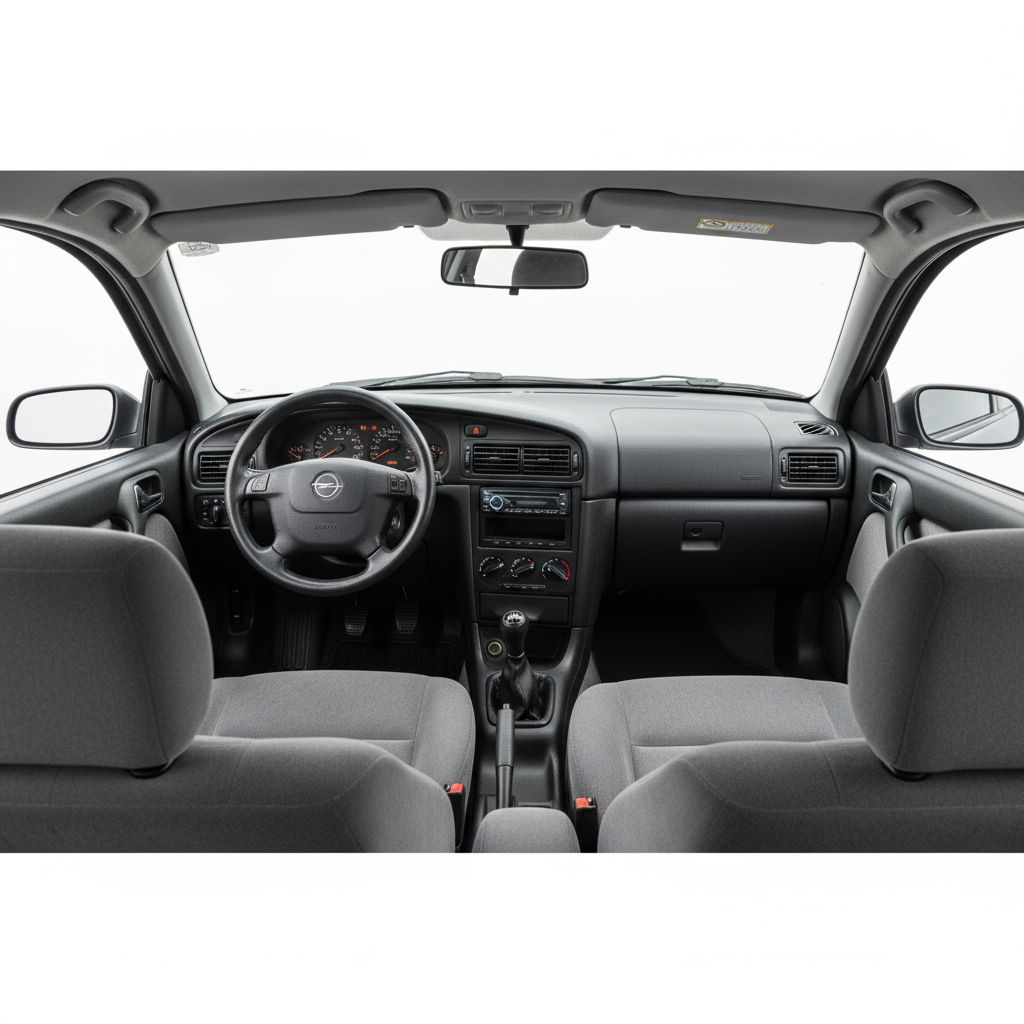
The design of the 1995 Opel Vectra reflected the automotive aesthetics of the era: sober, functional lines without great fanfare. Its five-door sedan body, with a length of 4495 mm, a width of 1707 mm, and a height of 1425 mm, offered a discreet yet elegant presence. The front, with its elongated headlights and a simple grille, conveyed an image of seriousness. The well-integrated rear completed a harmonious and timeless ensemble. Inside, the arrangement of elements was logical and ergonomic, with materials that, while not luxurious, offered a good sense of durability. The trunk, with 480 liters, stood out for its capacity, a strong point for families.
Technology and features
In terms of technology, the 1995 Vectra 1.6 16V incorporated proven and efficient solutions for its time. Its 1598 cc gasoline engine, with 4 cylinders and 4 valves per cylinder, used indirect injection, a reliable technology that sought a balance between performance and consumption. The 5-speed manual transmission, with front-wheel drive, was the standard configuration for this type of vehicle. In terms of safety, it had ventilated disc brakes on the front axle and discs on the rear, an adequate configuration for its weight and performance. Although it did not have the electronic driving aids that we consider basic today, its chassis and suspension were designed to offer safe and predictable handling.
Competition
In its segment, the Opel Vectra faced tough competitors such as the Ford Mondeo, Volkswagen Passat, Renault Laguna, and Peugeot 406. Each of them offered their own virtues, but the Vectra positioned itself as a balanced option, standing out for its habitability, trunk capacity, and generally good mechanical reliability. Its competitive price also made it an attractive alternative to its direct rivals.
Conclusion
The 1995 Opel Vectra 1.6 16V was an honest and functional car, designed to meet the expectations of an average family. It did not seek to thrill with breathtaking performance or dazzle with avant-garde design, but rather to offer reliable, comfortable, and spacious transportation. Its balance between price, equipment, and handling made it a popular choice at the time, leaving a good memory among those who valued practicality and durability in an automobile.