
Especificaciones y análisis del Peugeot 306
Power
110HP
Torque
155Nm
Consumption
8.3l/100
Emissions
-g/km
0-100 km/h
11.5s
Top Speed
192km/h
Weight
1190kg
Price
14,677€
Technical summary
Gasolina
Manual 5v
FWD
5 / 5 doors
340 L
60 L
80.6 kW
Current
Technical specifications
Engine
Capacities
Detailed analysis of the Peugeot 306 5p XT 1.8 16v · 110 CV (2000)
General description
The 2000 Peugeot 306 5p XT 1.8 16v is a compact car that, despite its age, still evokes a golden era for the French brand. With its 110 hp gasoline engine and a 5-speed manual gearbox, it promised a balanced and fun driving experience for everyday use, without sacrificing the practicality of its five doors. Its price of €14,677 at the time positioned it as an attractive option in the segment.
Driving experience
Behind the wheel of the 306, the feeling is one of agility and connection with the road. The McPherson front suspension, along with a setup that prioritized comfort without sacrificing dynamism, offered noble and predictable handling. The 1.8-liter 110 hp engine, although not an outpouring of power, delivered energy linearly, allowing for 0 to 100 km/h acceleration in 11.5 seconds and a top speed of 192 km/h. The steering, although lacking the electric assistance of current models, faithfully transmitted what was happening under the wheels, making every journey a purer experience. The ventilated front disc brakes and rear disc brakes ensured effective and safe stopping.
Design and aesthetics
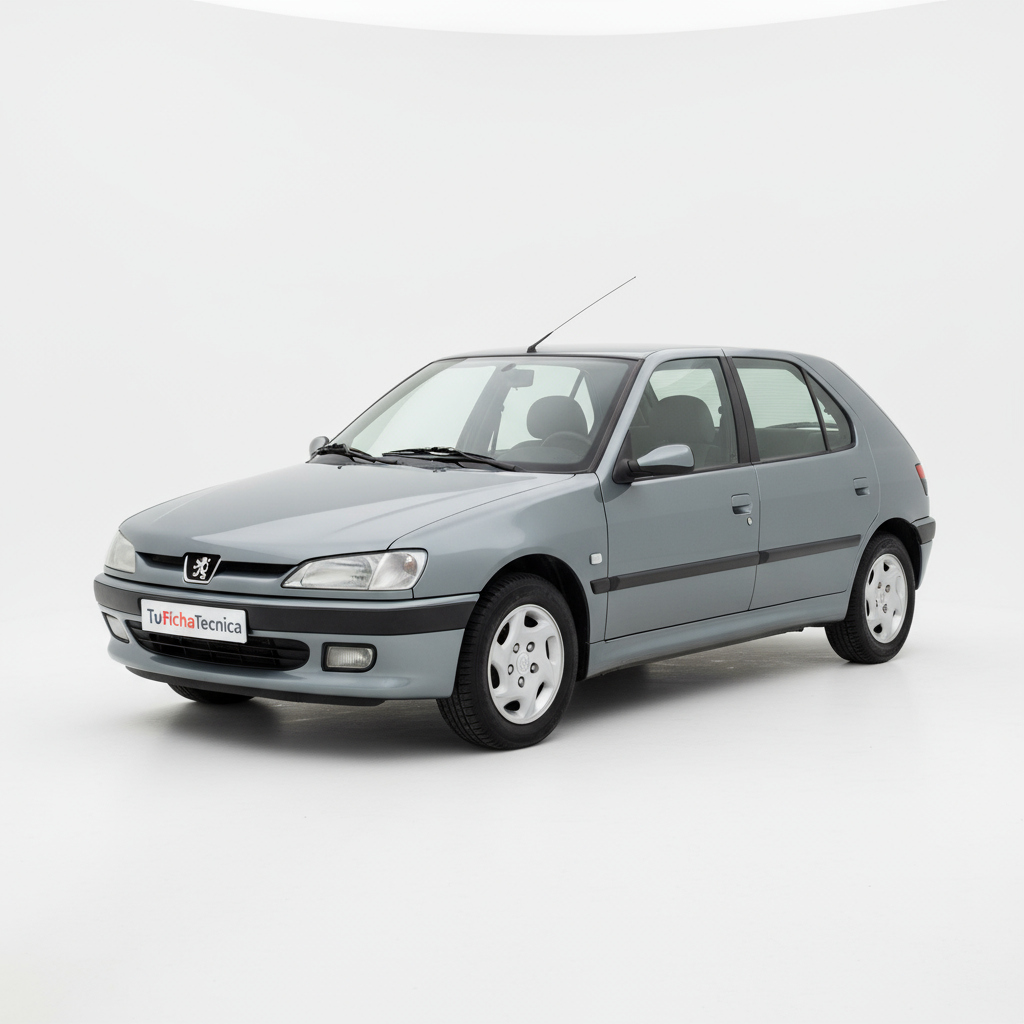
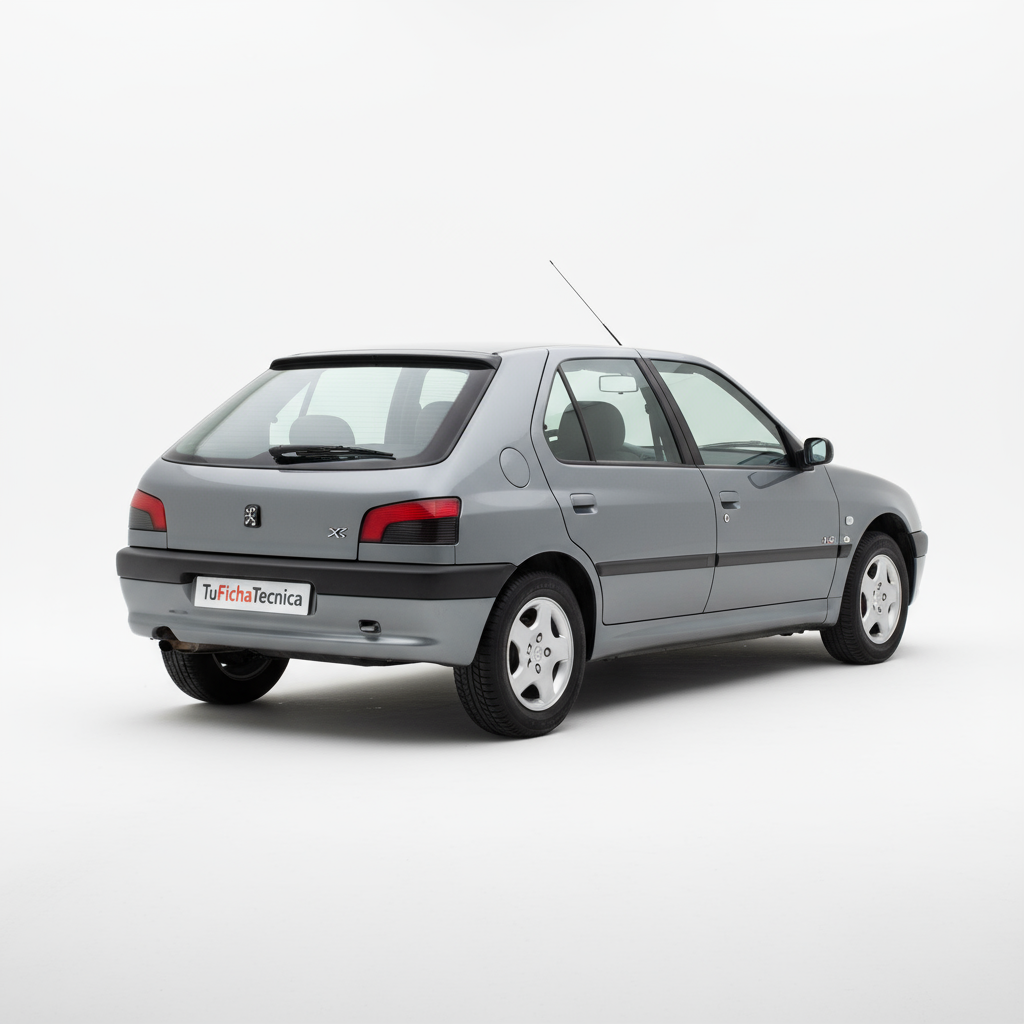
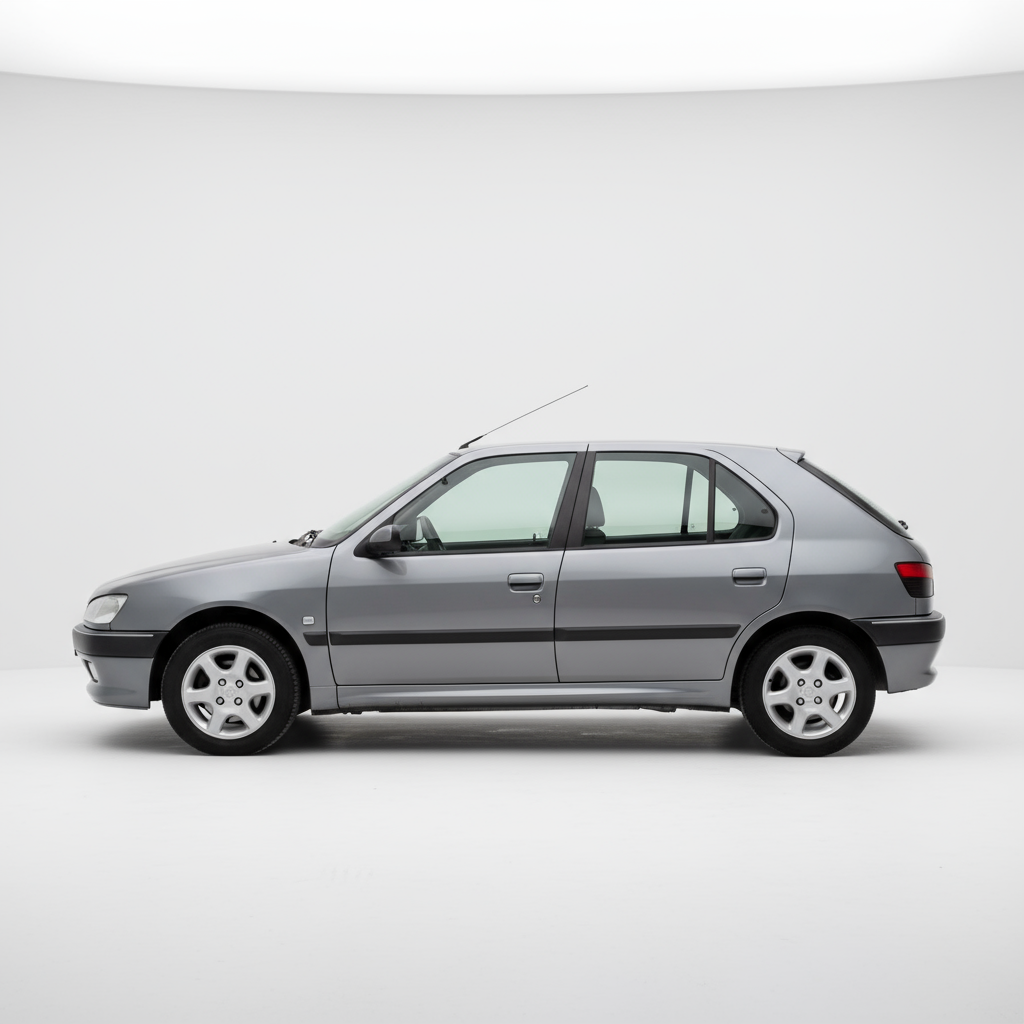
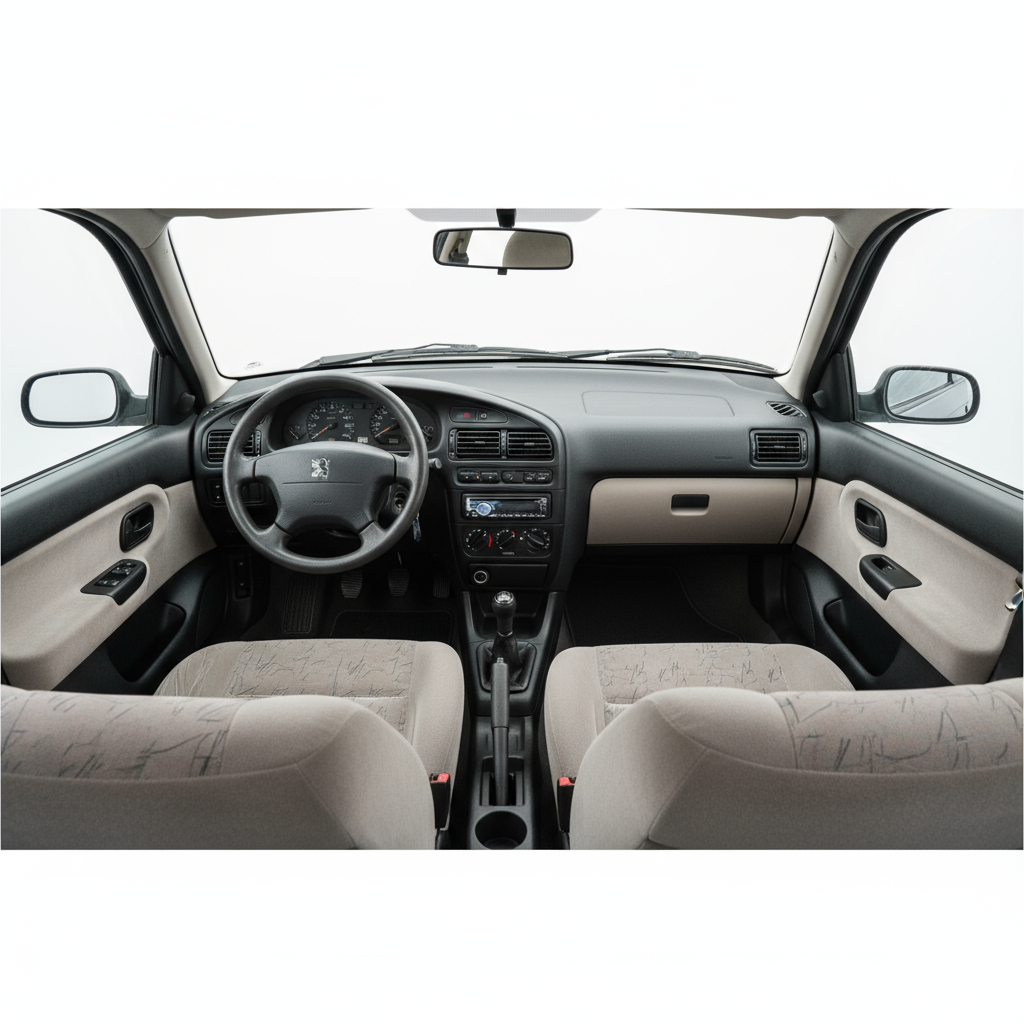
The design of the Peugeot 306 is a clear reflection of late 90s aesthetics, with soft, rounded lines that give it a timeless and elegant appearance. Its 4030 mm length, 1680 mm width, and 1370 mm height, along with a wheelbase of 2580 mm, gave it a compact yet well-proportioned silhouette. The front, with its elongated headlights and characteristic Peugeot grille, gave it a distinctive look. Inside, functionality was paramount, with a well-organized dashboard and materials that, although simple, were pleasant to the touch and sight. The XT version, in particular, usually offered a higher level of equipment that enhanced its appeal.
Technology and features
In 2000, the technology of the Peugeot 306 focused on the essential and functional. Its 1.8-liter gasoline engine with indirect injection and 4 valves per cylinder, with an aluminum block and cylinder head, was an example of robust and efficient engineering for its time. The 5-speed manual transmission was the norm, offering direct control over power. Although it lacked the sophisticated driving aids of today, it featured elements such as power steering (though the type is not specified) and a braking system with discs on both axles. The suspension, with a McPherson front setup, was a proven solution that ensured a good balance between comfort and stability. Its combined consumption of 8.3 l/100km was reasonable for its segment and era.
Competition
At the time, the Peugeot 306 5p XT 1.8 16v faced tough competition in the compact segment. Its main rivals included models such as the Volkswagen Golf, Renault Mégane, Ford Focus, and Opel Astra. Each of them offered their own virtues, but the 306 stood out for its balance of comfort, dynamism, and attractive design. Its 110 hp engine placed it in an intermediate position, offering adequate performance for most drivers looking for a versatile car for daily use and occasional getaways.
Conclusion
The 2000 Peugeot 306 5p XT 1.8 16v is a car that, despite the passage of time, retains a special charm. It represents an era when driving was purer and the connection between driver and machine was more direct. Its timeless design, dynamic behavior, and reliable engine make it a modern classic that can still offer much satisfaction today. It is a testament to good French engineering and a reminder that well-executed simplicity can be as rewarding as the most advanced technology.