
Especificaciones y análisis del Peugeot 306
Power
69HP
Torque
125Nm
Consumption
6.3l/100
Emissions
-g/km
0-100 km/h
17.9s
Top Speed
162km/h
Weight
1215kg
Price
13,520€
Technical summary
Gasóleo
Manual 5v
FWD
5 / 5 doors
440 L
60 L
51 kW
Current
Technical specifications
Engine
Capacities
Detailed analysis of the Peugeot 306 Break Boulevard 1.9 D · 69 CV (2000-2003)
General description
The 2000 Peugeot 306 Break Boulevard 1.9 D is a vehicle that, despite its age, still evokes a sense of practicality and reliability. This model, with its station wagon body, was designed for those looking for a functional and economical car for everyday use, without sacrificing comfort and space. Its 69 HP diesel engine, although modest in power, promised contained consumption and durability that many valued at the time.
Driving experience
Behind the wheel of the Peugeot 306 Break Boulevard 1.9 D, the experience is one of calm, unpretentious driving. The 69 HP diesel engine offers a smooth response, ideal for urban commutes and road trips at moderate speeds. The 0 to 100 km/h acceleration in 17.9 seconds reminds us that it is not a car for thrills, but for enjoying the road calmly. The suspension, McPherson type at the front, contributes to acceptable ride comfort, absorbing asphalt irregularities with dignity. The steering, although lacking the precision of more modern models, fulfills its function, transmitting an adequate sense of control for its segment. In general, it is a car that invites relaxation, to enjoy the scenery and to value the simplicity of a proven and efficient mechanic.
Design and aesthetics
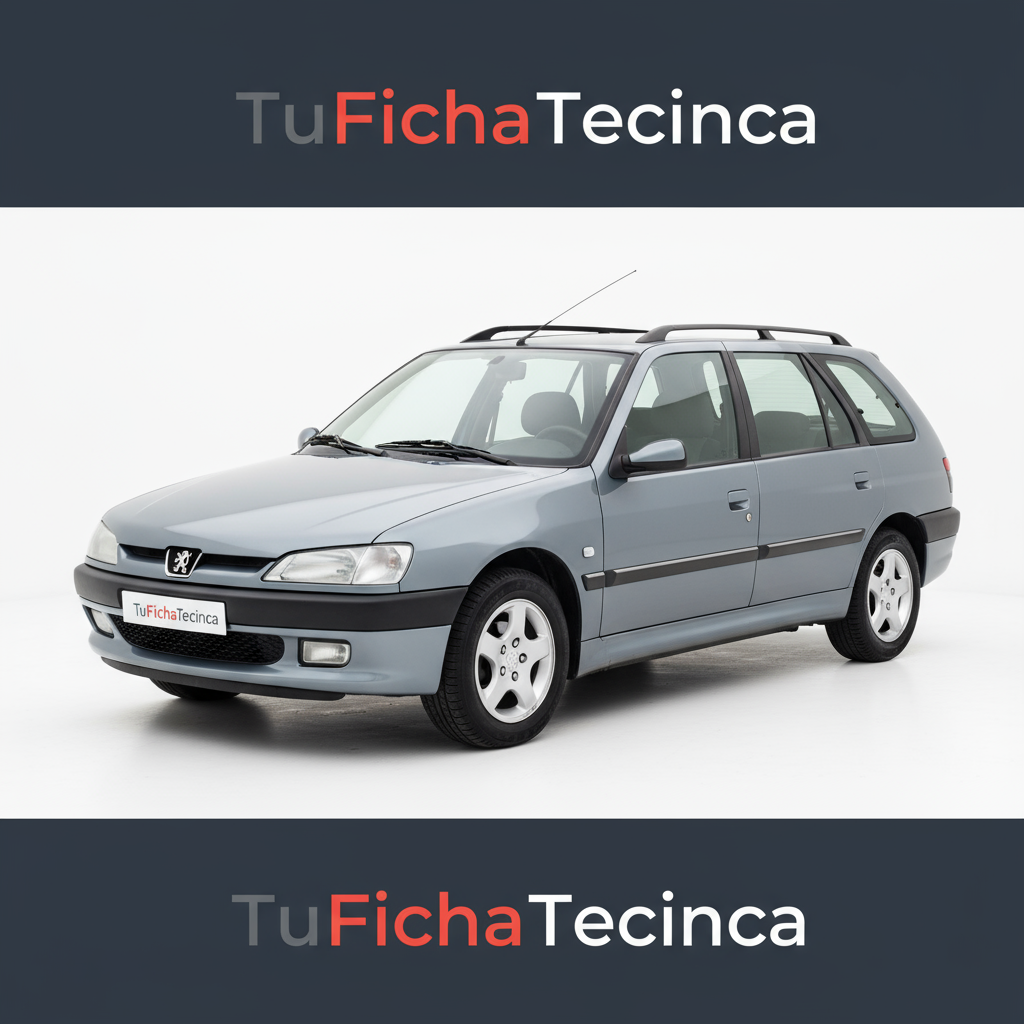
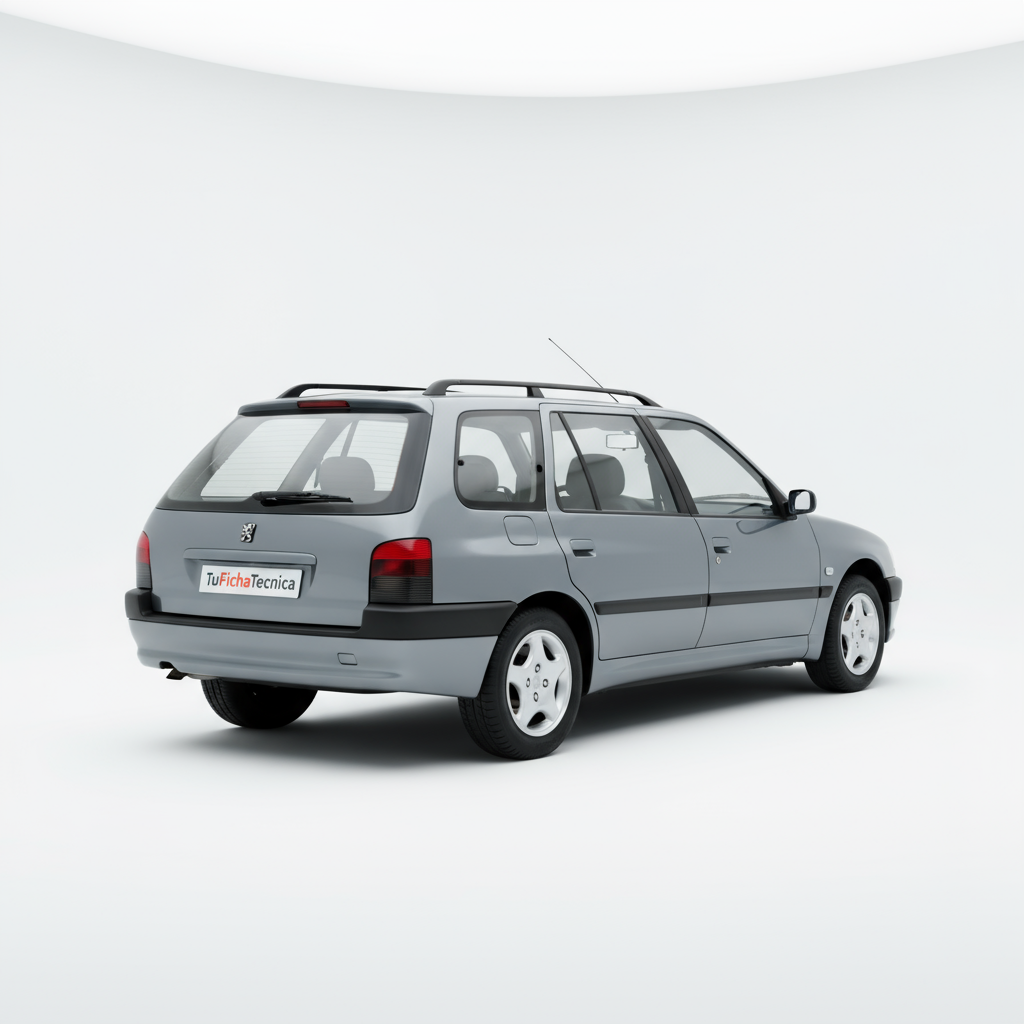
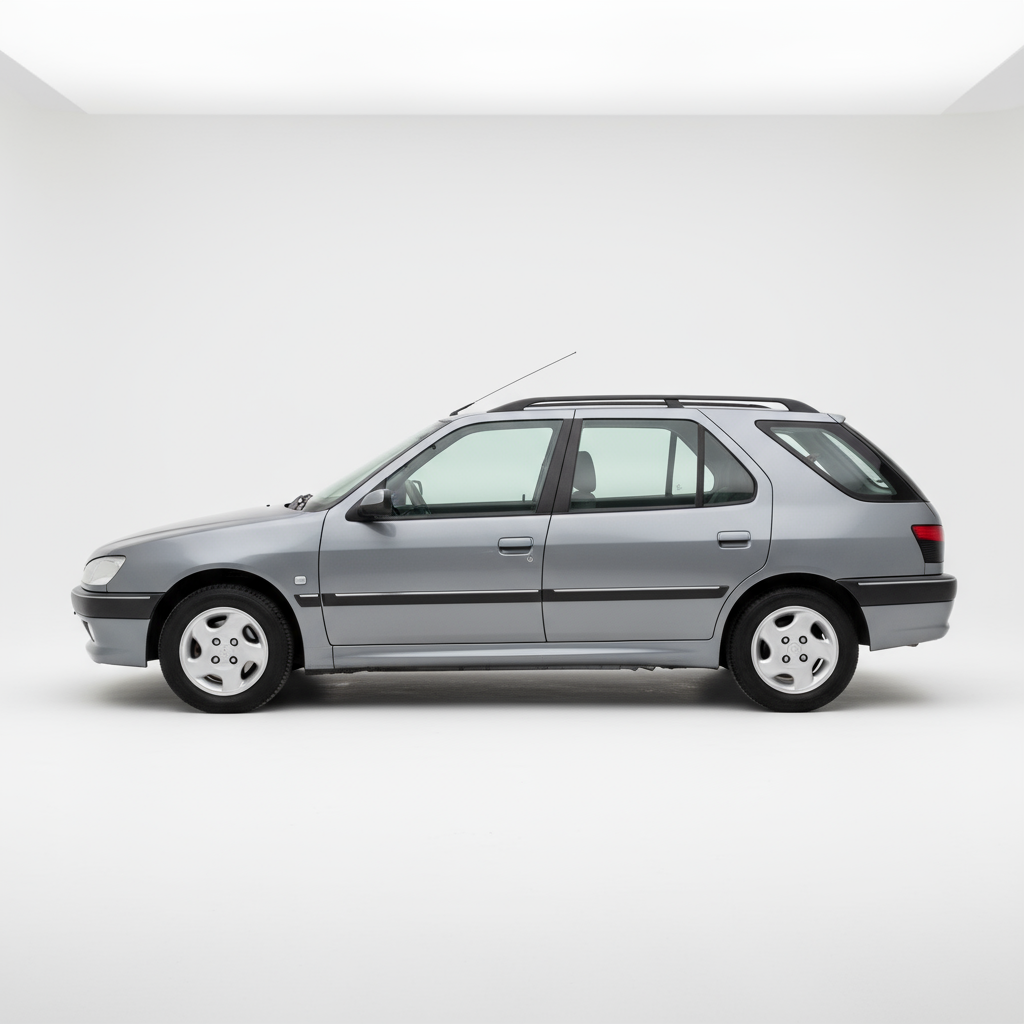
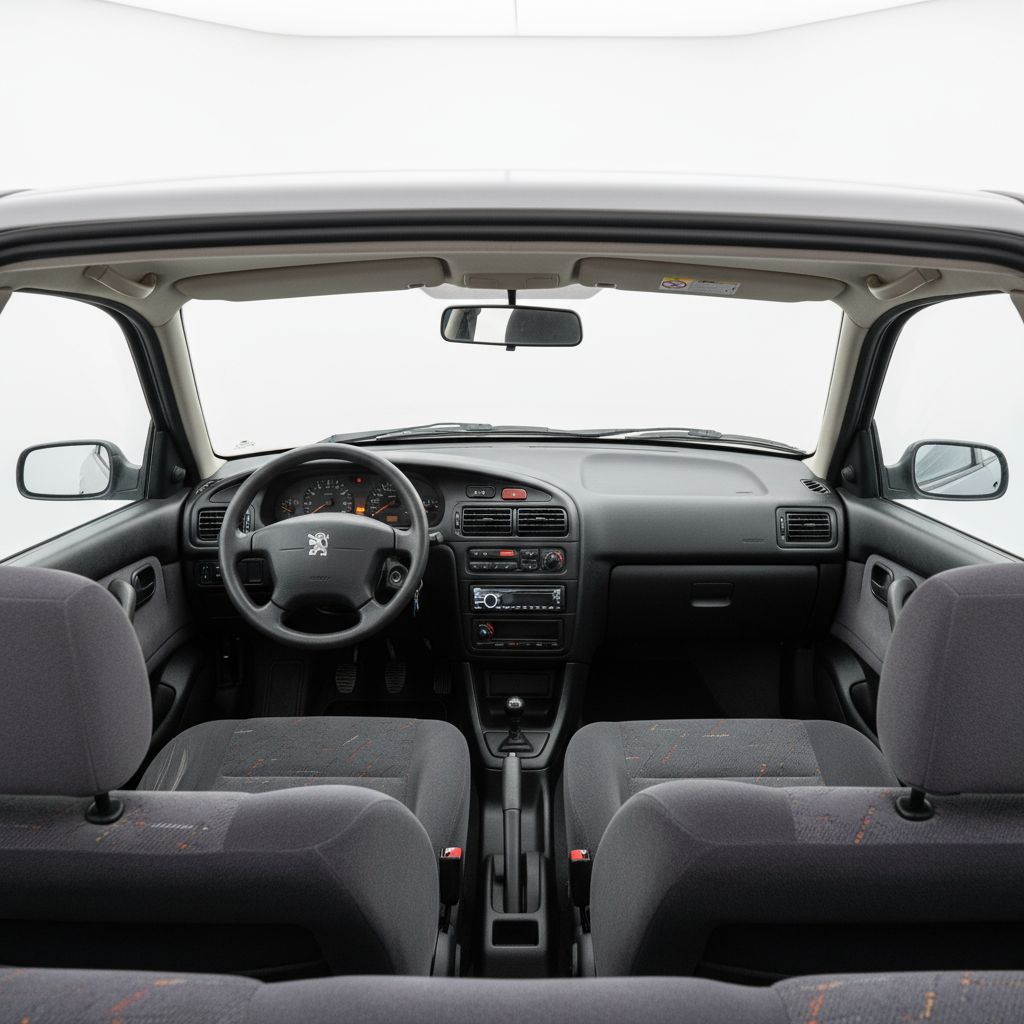
The design of the Peugeot 306 Break Boulevard is a reflection of the automotive aesthetics of the late 90s and early 2000s. Its lines are soft and rounded, without fanfare, prioritizing functionality above all else. The station wagon body, or 'Break', integrates harmoniously with the rest of the set, offering generous cargo volume without sacrificing elegance. The considerably sized headlights give a friendly look to the front, while the rear, with its vertical taillights, emphasizes the cargo capacity. Inside, sobriety is the dominant note, with a functional dashboard and materials that, although not luxurious, convey a sense of durability. It is a design that, over time, has aged with dignity, maintaining a discreet and timeless appeal.
Technology and features
In 2000, the technology of the Peugeot 306 Break Boulevard 1.9 D focused on reliability and efficiency. Its 1.9-liter diesel engine, with indirect injection, was a proven and robust solution, known for its low fuel consumption. The 5-speed manual transmission offered direct control over power, while power steering facilitated maneuvers. In terms of safety, it had ventilated disc brakes at the front and drums at the rear, a standard configuration for the time. Although it lacked the sophisticated driving aids of current vehicles, its technology was effective and met the expectations of drivers then, prioritizing durability and simple maintenance.
Competition
At the time, the Peugeot 306 Break Boulevard 1.9 D faced varied competition in the diesel compact station wagon segment. Among its main rivals were models such as the Renault Mégane Break, the Ford Focus Wagon, or the Opel Astra Caravan. Each of them offered its own virtues, but the 306 stood out for its balance between comfort, space, and a proven reliable diesel engine. Its French design, with a touch of discreet elegance, also differentiated it from its competitors, attracting those looking for a car with its own personality.
Conclusion
The Peugeot 306 Break Boulevard 1.9 D is a car that represents an era, an honest and functional vehicle that more than fulfilled its purpose. Its combination of space, fuel economy, and simple mechanics made it a very attractive option for families and professionals. Although today its performance may seem modest, its charm lies in its authenticity and the feeling that it was built to last. It is a car that, despite the years, remains a faithful companion on the road, a testament to late 20th-century automotive engineering.