
Especificaciones y análisis del Peugeot 307
Power
109HP
Torque
240Nm
Consumption
4.9l/100
Emissions
129g/km
0-100 km/h
11.2s
Top Speed
188km/h
Weight
1336kg
Price
16,420€
Technical summary
Gasóleo
Manual 5v
FWD
5 / 5 doors
341 L
60 L
80 kW
Current
Technical specifications
Engine
Capacities
Detailed analysis of the Peugeot 307 5p D-SIGN 1.6 HDI 110 · 109 CV (2008)
General description
The 2005 Peugeot 307 5p D-SIGN 1.6 HDI 110 is a compact car that, despite its age, still offers an interesting proposition for those looking for a practical and efficient vehicle. With its 109 HP diesel engine, it promises a balance between performance and consumption, ideal for daily use and occasional getaways.
Driving experience
Behind the wheel, the 307 1.6 HDI 110 feels agile in the city thanks to its speed-sensitive power steering and compact size. On the road, the diesel engine offers adequate response, with 240 Nm of torque available from low revolutions (1750 rpm) which facilitates overtaking. The suspension, McPherson type at the front and trailing arm with torsional element at the rear, seeks a compromise between comfort and stability, albeit without sporting pretensions. The 5-speed manual gearbox is precise and contributes to relaxed driving. The combined consumption of 4.9 l/100km is a strong point, making this car an economical option for daily use.
Design and aesthetics
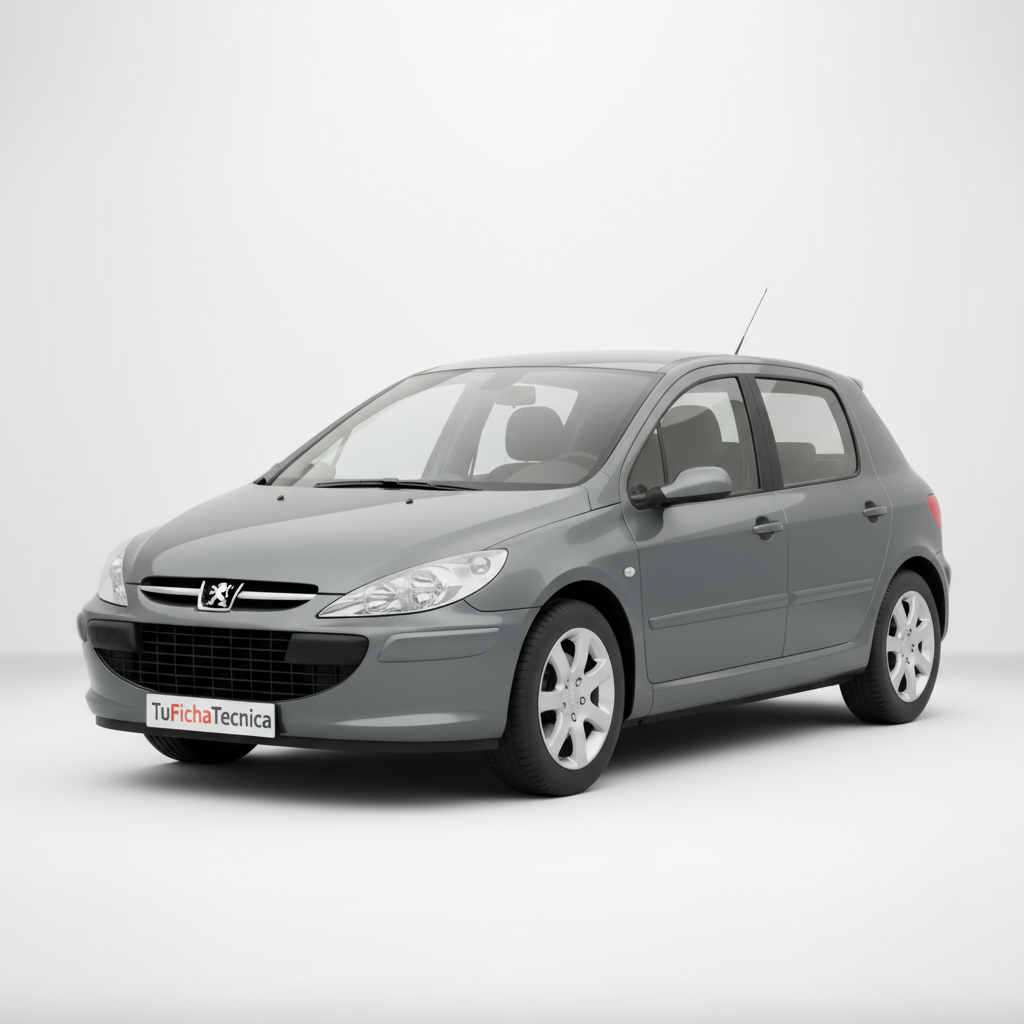
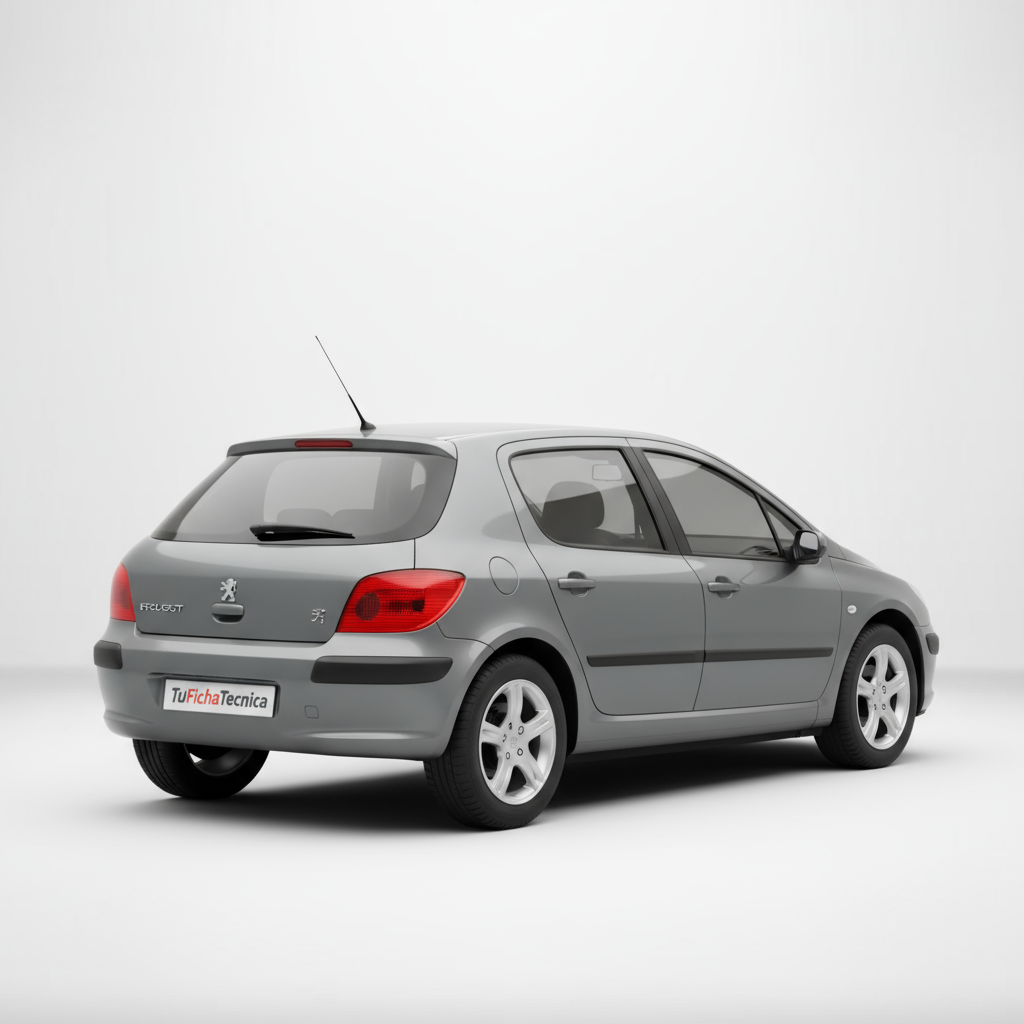
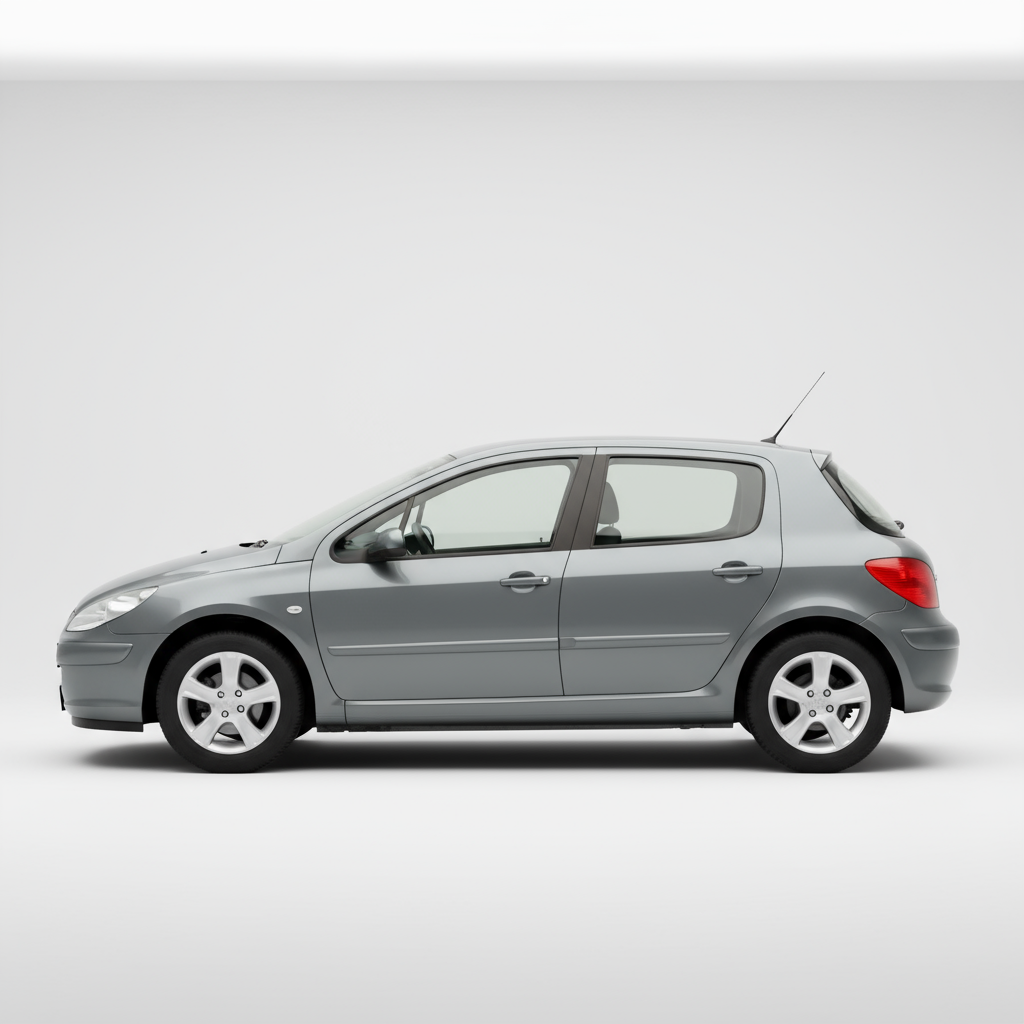
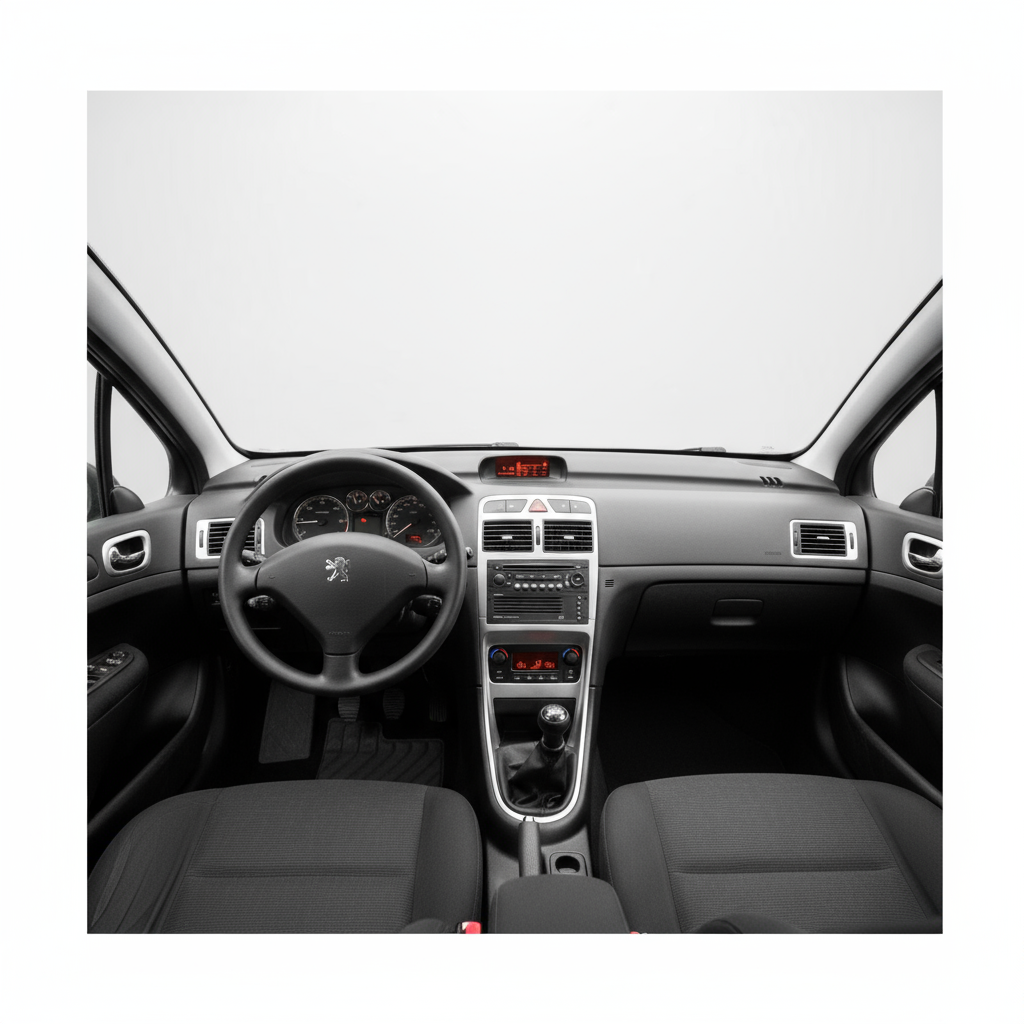
The design of the 2005 Peugeot 307, in its 5-door version, is characterized by soft lines and a silhouette that seeks to maximize interior space. Its front, with elongated headlights and the distinctive Peugeot grille, gives it a recognizable personality. Its dimensions (4212 mm long, 1746 mm wide and 1510 mm high) place it at the heart of the compact segment, offering good habitability for five occupants and a 341-liter trunk, sufficient for usual luggage. The interior, although sober, is functional and designed for comfort.
Technology and features
In terms of technology, the Peugeot 307 1.6 HDI 110 incorporates a common rail direct injection diesel engine, turbo with variable geometry and intercooler, which allows it to reach 109 HP of power. The ventilated front disc brakes (283 mm) and rear discs (247 mm) ensure good stopping capability. The rack and pinion steering with assistance and speed-sensitive improves maneuverability. Although it does not have the latest connectivity innovations, its basic equipment meets the expectations of the time, focusing on efficiency and passive safety.
Competition
In its segment and era, the Peugeot 307 competed with models such as the Volkswagen Golf, the Ford Focus, the Renault Mégane or the Opel Astra. Compared to them, the 307 stood out for its habitability, its ride comfort and the efficiency of its diesel engines, offering an attractive alternative for those looking for a balanced compact with a touch of French distinction.
Conclusion
The 2005 Peugeot 307 5p D-SIGN 1.6 HDI 110 is a car that, despite its age, maintains its appeal as a practical and economical vehicle. Its diesel engine is an ally for fuel savings, and its functional design makes it a versatile option for everyday use. It is a car that, with proper maintenance, can continue to offer good service, especially for those who value comfort and efficiency above the latest technological trends.