
Especificaciones y análisis del Peugeot 307
Power
136HP
Torque
320Nm
Consumption
6.7l/100
Emissions
178g/km
0-100 km/h
10.1s
Top Speed
203km/h
Weight
1470kg
Price
20,340€
Technical summary
Gasóleo
Automático 6v
FWD
5 / 5 doors
341 L
60 L
100 kW
Current
Technical specifications
Engine
Capacities
Detailed analysis of the Peugeot 307 5p XS+ 2.0 HDI 136 FAP Aut. · 136 CV (2006-2008)
General description
The 2005 Peugeot 307 5p XS+ 2.0 HDI 136 FAP Aut. is a compact car that, despite its age, still offers an interesting combination of comfort and efficiency. With its 136 hp diesel engine and a 6-speed automatic transmission, it positions itself as a practical option for daily use and long trips, standing out for its smooth ride and contained fuel consumption for its time.
Driving experience
Behind the wheel, the 307 2.0 HDI 136 FAP Aut. conveys a sense of poise and comfort. The suspension, McPherson type at the front and trailing arm with torsional element at the rear, effectively filters road irregularities, offering a pleasant journey. The diesel engine, with its 136 hp and 320 Nm of torque, responds capably, especially in accelerations, and the 6-speed automatic gearbox contributes to a relaxed and smooth driving experience. The steering, although not the most communicative, is precise and features speed-sensitive assistance, which facilitates maneuvers in the city and provides stability on the road. Its top speed of 203 km/h and acceleration from 0 to 100 km/h in 10.1 seconds demonstrate that, despite its focus on comfort, it does not compromise on adequate performance.
Design and aesthetics
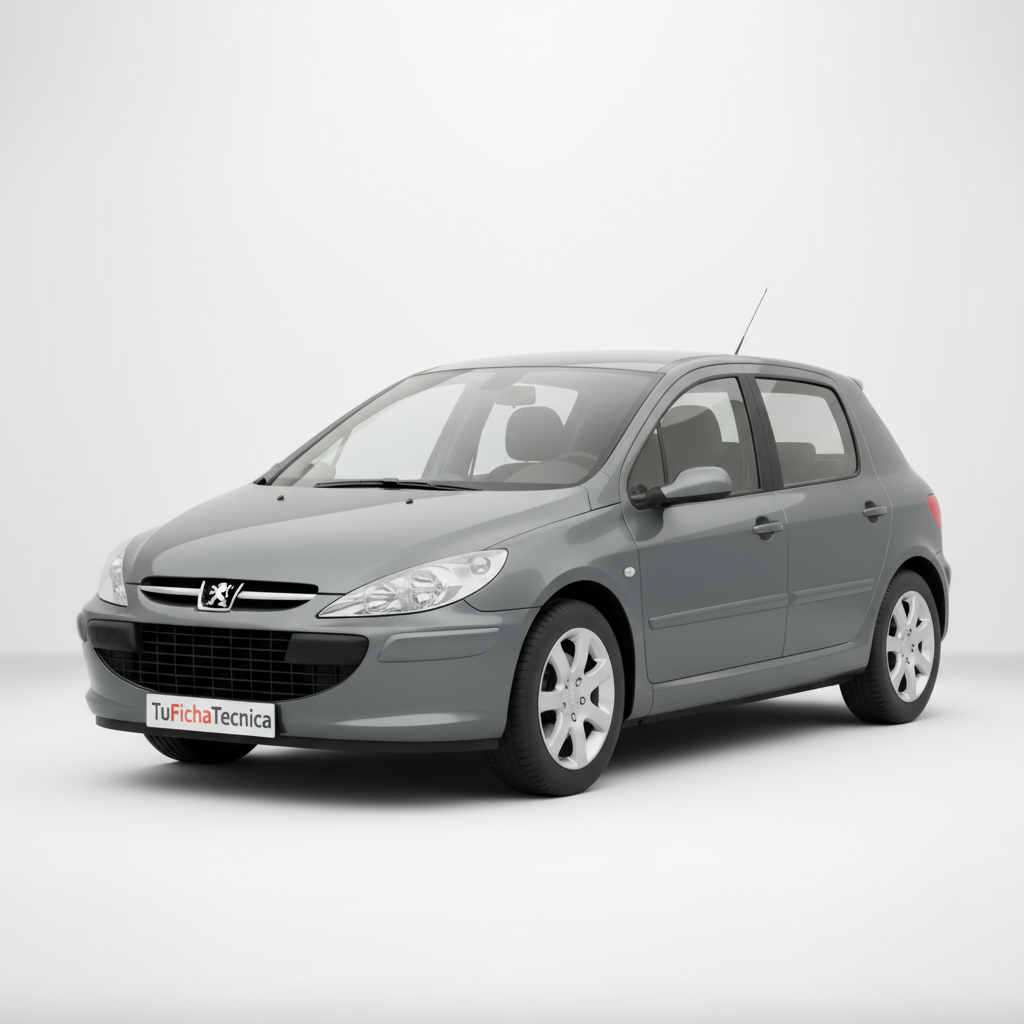
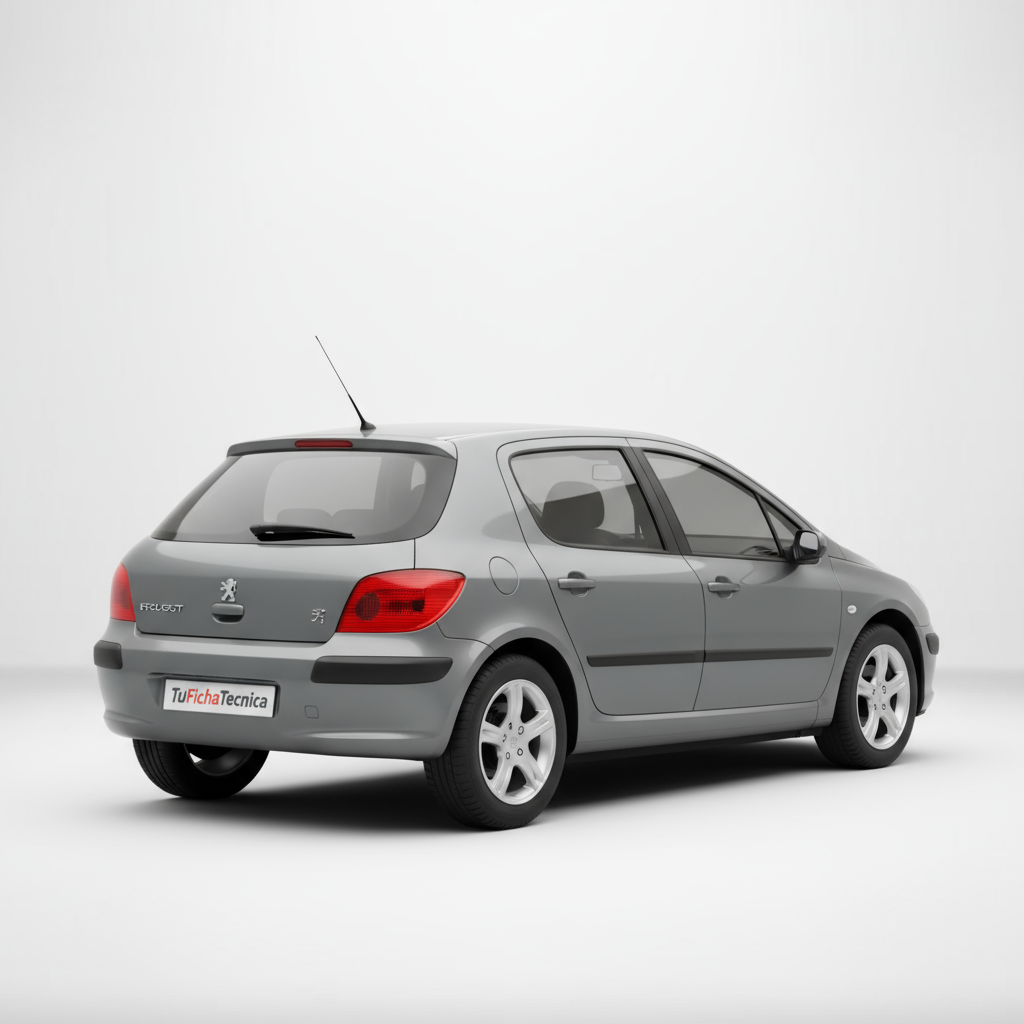
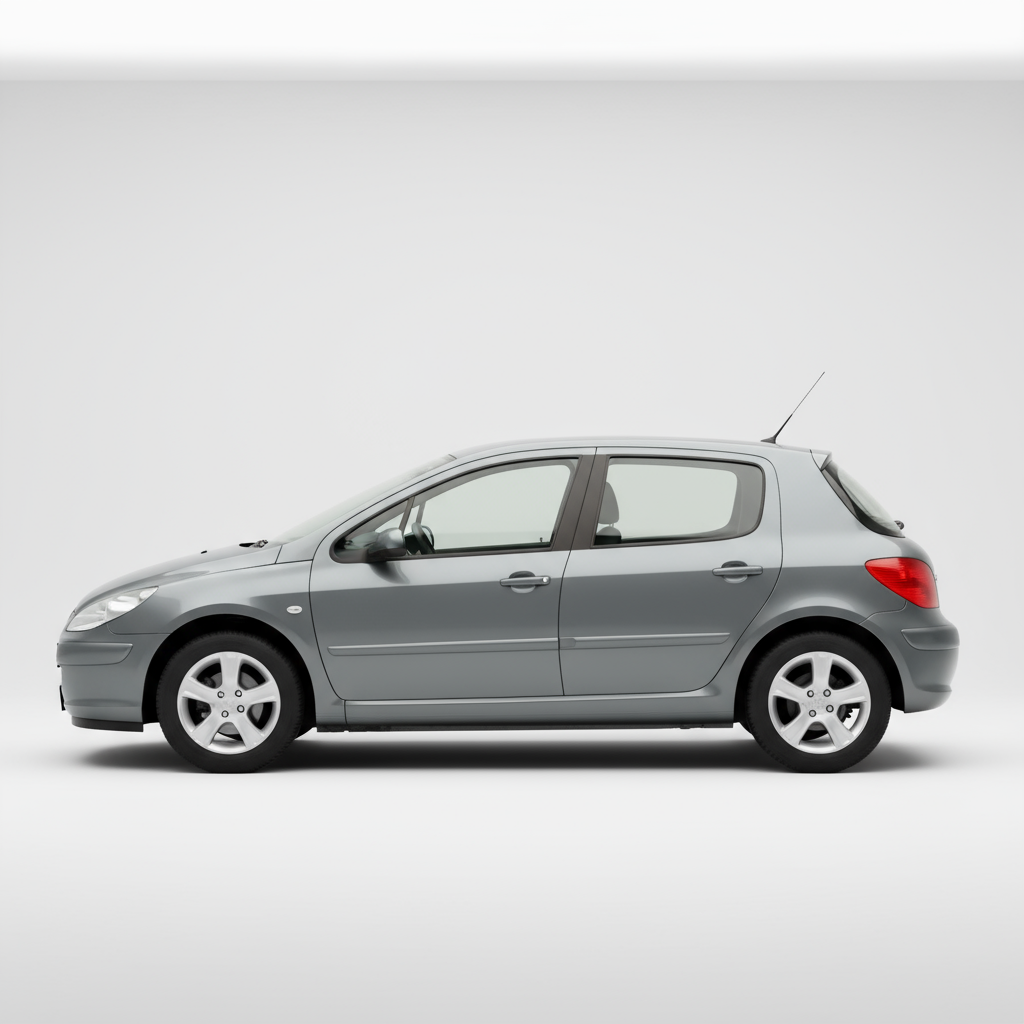
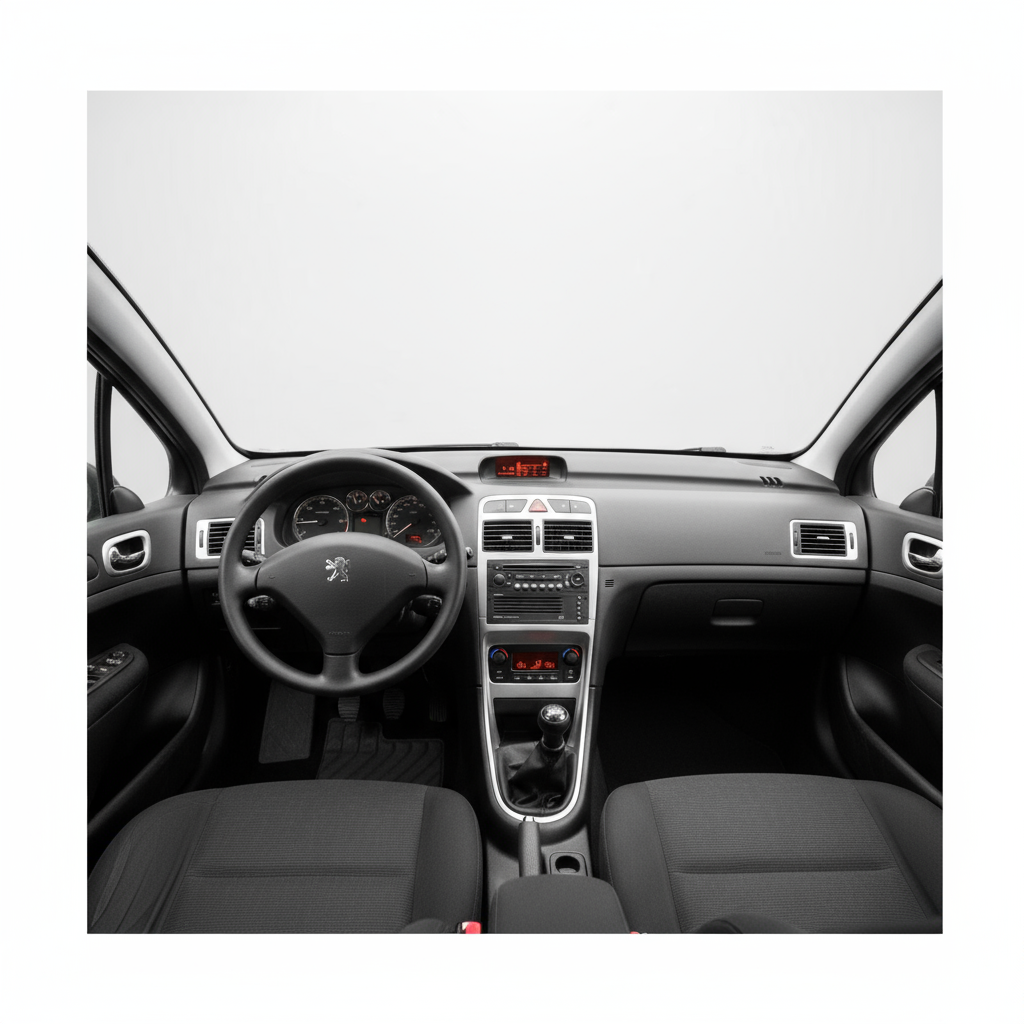
The design of the 2005 Peugeot 307, in its 5-door version, is characterized by soft lines and a silhouette that seeks to maximize interior space. Its front, with elongated headlights and Peugeot's distinctive grille, gives it a friendly but characterful look. The dimensions, with 4212 mm long, 1746 mm wide, and 1510 mm high, place it at the heart of the compact segment, offering good habitability for five occupants. The trunk, with 341 liters, is sufficient for daily use and getaways. Inside, the arrangement of elements is functional and the materials, although not luxurious, are pleasant to the touch and well-fitted, creating a cozy and practical environment.
Technology and features
In terms of technology, the 2005 Peugeot 307 2.0 HDI 136 FAP Aut. incorporates elements that were advanced for its time. The 1997 cc diesel engine features common rail direct injection, variable geometry turbo, and intercooler, which optimizes power delivery and efficiency. The 6-speed automatic transmission is a strong point, offering smoothness and comfort in driving. In terms of safety, it has 302 mm ventilated disc brakes at the front and 247 mm discs at the rear, ensuring good braking capacity. Although modern driving assistance systems are not specified, its standard equipment included what was expected for a car of its category and year, always seeking a balance between functionality and comfort.
Competition
In its segment, the Peugeot 307 5p XS+ 2.0 HDI 136 FAP Aut. competed with models such as the Volkswagen Golf, Ford Focus, Renault Mégane, or Opel Astra. Compared to them, the 307 stood out for its ride comfort, its habitability, and the smoothness of its diesel engine associated with the automatic gearbox. While some rivals could offer more sporty driving dynamics or a bolder design, the 307 positioned itself as a balanced and comfortable option, ideal for those looking for a practical and pleasant car for daily use and travel.
Conclusion
The 2005 Peugeot 307 5p XS+ 2.0 HDI 136 FAP Aut. is a car that, despite the passage of time, maintains its appeal as a comfortable and efficient compact. Its powerful diesel engine and smooth automatic transmission make it ideal for those who value driving comfort and reasonable fuel consumption. Its functional design and good habitability make it a practical option for families or for those who need space. It is a vehicle that, well maintained, can still offer many satisfactions on the road, demonstrating the solidity of Peugeot's engineering of the time.