
Especificaciones y análisis del Peugeot 307
Power
140HP
Torque
200Nm
Consumption
8.4l/100
Emissions
199g/km
0-100 km/h
12s
Top Speed
206km/h
Weight
1498kg
Price
25,510€
Technical summary
Gasolina
Automático 4v
FWD
4 / 2 doors
350 L
50 L
103 kW
Current
Technical specifications
Engine
Capacities
Detailed analysis of the Peugeot 307 CC 2.0 16V Aut. · 140 CV (2005-2008)
General description
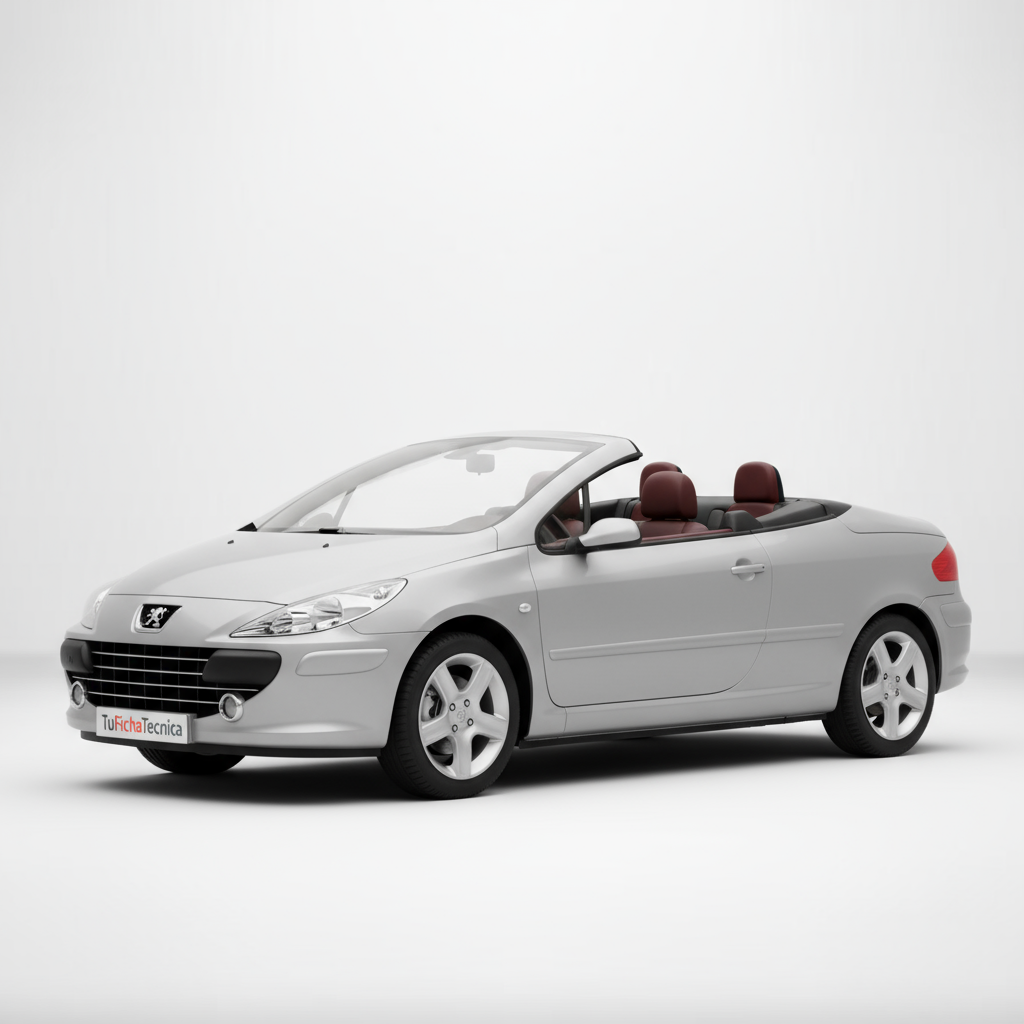
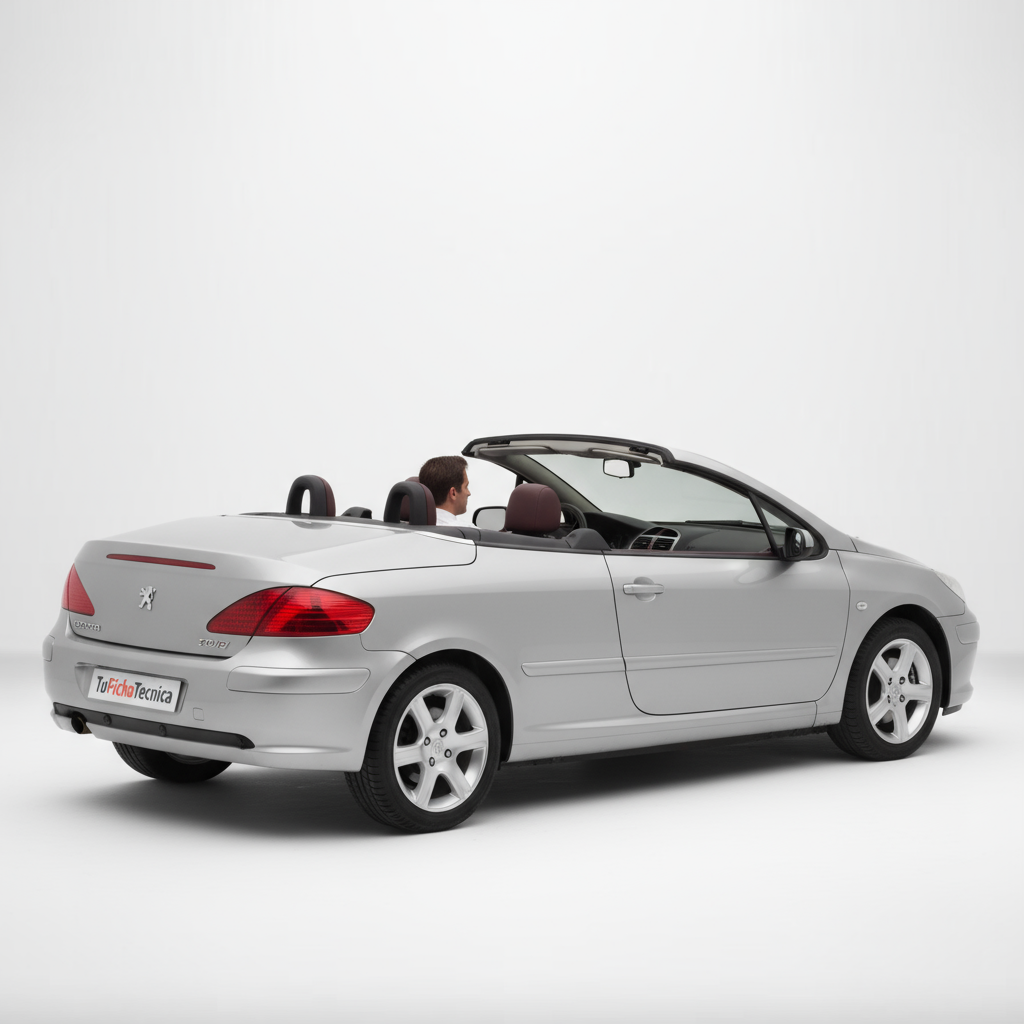
The 2006 Peugeot 307 CC 2.0 16V Aut. is a convertible that combines the elegance of a coupe with the freedom of a cabriolet. Its distinctive design and retractable hardtop make it an attractive option for those looking to enjoy open-air driving without sacrificing versatility. With a 140 HP gasoline engine and a 4-speed automatic transmission, this model offers a relaxed and pleasant driving experience, ideal for coastal drives or weekend getaways.
Driving experience
Behind the wheel of the 307 CC, the feeling of freedom is unparalleled when the roof is folded. The 140 HP engine, while not a marvel of sportiness, more than suffices for relaxed use and offers a smooth response thanks to its automatic gearbox. The comfort-oriented suspension filters out road imperfections well, making every journey a pleasant experience. The steering is precise, and the car feels stable on the road, instilling confidence in the driver. It's a car for enjoying the scenery and the outdoors, rather than seeking strong emotions at every turn.
Design and aesthetics
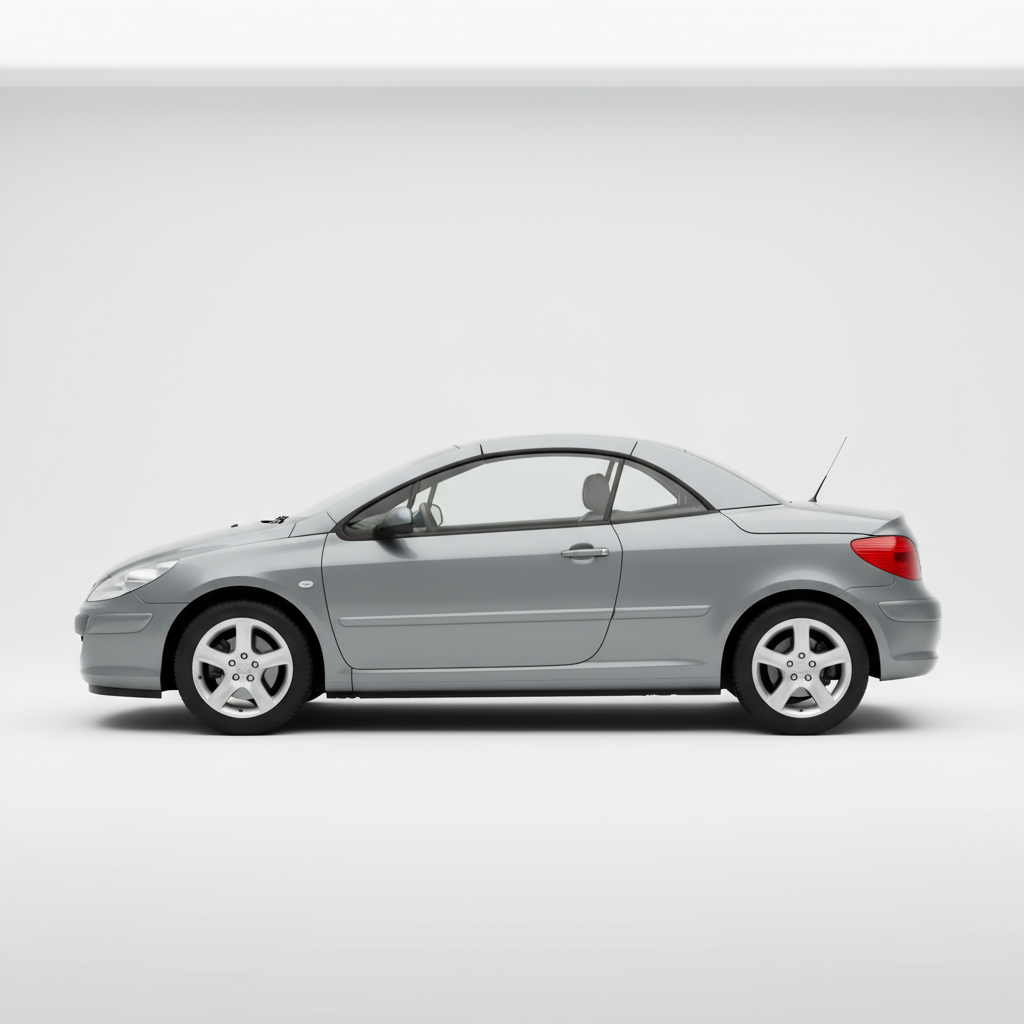
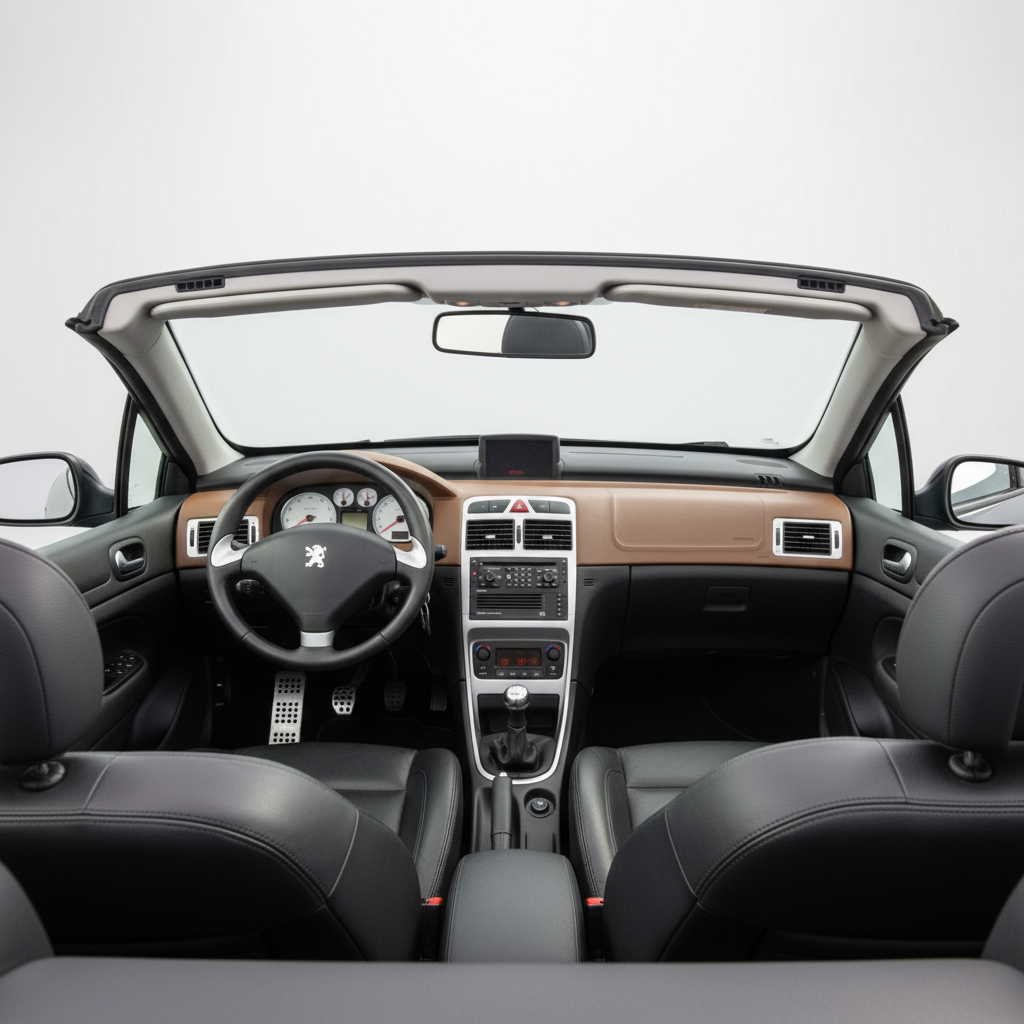
The design of the Peugeot 307 CC is one of its strong points. Its elegant and fluid silhouette, both with the roof up and down, makes it stand out. The elongated headlights and front grille give it a distinctive look, while the rear, with its well-integrated taillights, completes a harmonious ensemble. The retractable hardtop is an engineering marvel that folds cleanly and quickly, transforming the car from a coupe to a cabriolet in a matter of seconds. The interior, although with materials that reflect its era, is functional and well-finished, with a simple but effective dashboard design.
Technology and features
In terms of technology, the 2006 Peugeot 307 CC incorporates elements that, for its time, were quite advanced. Its retractable hardtop is, without a doubt, the jewel in the crown, offering the safety and insulation of a coupe with the versatility of a convertible. It features a 2.0-liter, 16-valve indirect injection engine, delivering 140 HP. The 4-speed automatic transmission, while not the most modern, provides smooth and comfortable shifts. In terms of safety, it is equipped with ventilated front disc brakes and rear discs, and a well-balanced suspension for good dynamic behavior.
Competition
In its segment, the Peugeot 307 CC competed with models such as the Renault Mégane CC, the Volkswagen Eos, and the Opel Astra TwinTop. Each offered its own interpretation of the coupe-cabriolet concept, but the 307 CC stood out for its elegant design and focus on comfort. Compared to its rivals, the Peugeot offered a good balance between aesthetics, equipment, and price, consolidating itself as a very popular option at the time for those looking for a practical and attractive convertible.
Conclusion
The Peugeot 307 CC 2.0 16V Aut. is a car that, despite its age, still retains its charm. It is the perfect choice for those looking for a vehicle to enjoy open-air driving, without sacrificing the comfort and safety of a hardtop. Its timeless design, smooth engine, and focus on comfort make it an ideal companion for getaways and relaxed drives. It is a car that invites you to experience the road in a different way, with the wind in your hair and the sun on your face, offering a driving experience that goes beyond simple transportation.