

Especificaciones y análisis del Peugeot 408
Power
125HP
Torque
118Nm
Consumption
0.8l/100
Emissions
19g/km
0-100 km/h
7.5s
Top Speed
233km/h
Weight
1782kg
Price
44,750€
Technical summary
Híbrido Enchufable
Automático 7v
FWD
5 / 5 doors
471 L
42 L
92 kW
Current
Technical specifications
Engine
Capacities
Detailed analysis of the Peugeot 408 GT Plug-In Hybrid 225 e-DCS7 · 125 CV (2025)
General description
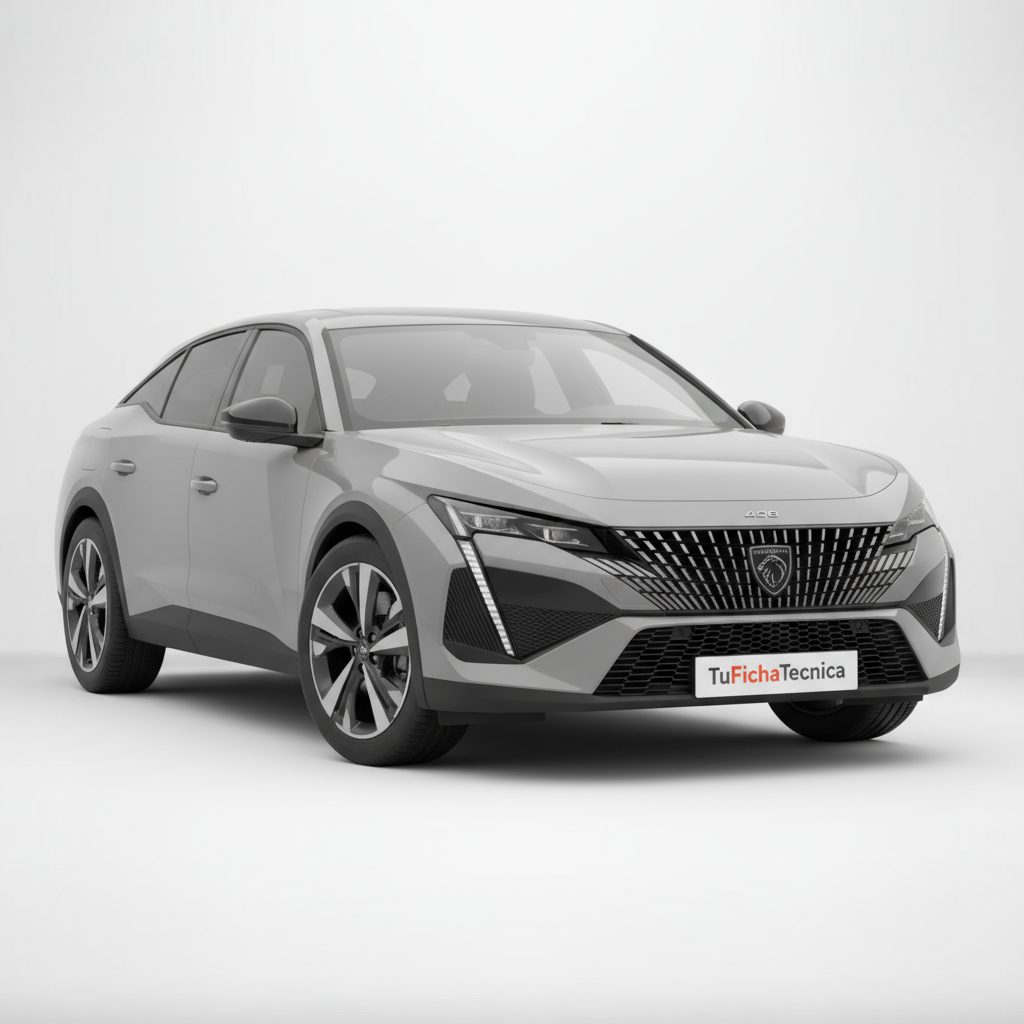
The 2025 Peugeot 408 GT Plug-In Hybrid 225 e-DCS7 is presented as a bold and distinctive proposition in the plug-in hybrid segment. Priced at €44,750, this vehicle not only aims to attract attention with its coupé-SUV aesthetic but also to offer an efficient and technologically advanced driving experience. Its 125 HP engine, combined with a 14.6 kWh usable battery, promises an electric range of up to 84 km, ideal for daily urban use and emission-free getaways.
Driving experience
Behind the wheel of the Peugeot 408 GT Plug-In Hybrid, the sensation is one of agility and comfort. The precise steering and balanced suspension offer a good compromise between dynamism and smoothness, absorbing road irregularities with ease. Acceleration from 0 to 100 km/h in 7.5 seconds is more than sufficient for most situations, and a top speed of 233 km/h demonstrates its capability on the open road. The transition between the electric and combustion engines is fluid, contributing to a refined and quiet driving experience in electric mode. Real electric range may vary, but the homologated 84 km is a good starting point for reducing fuel consumption on short journeys.
Design and aesthetics
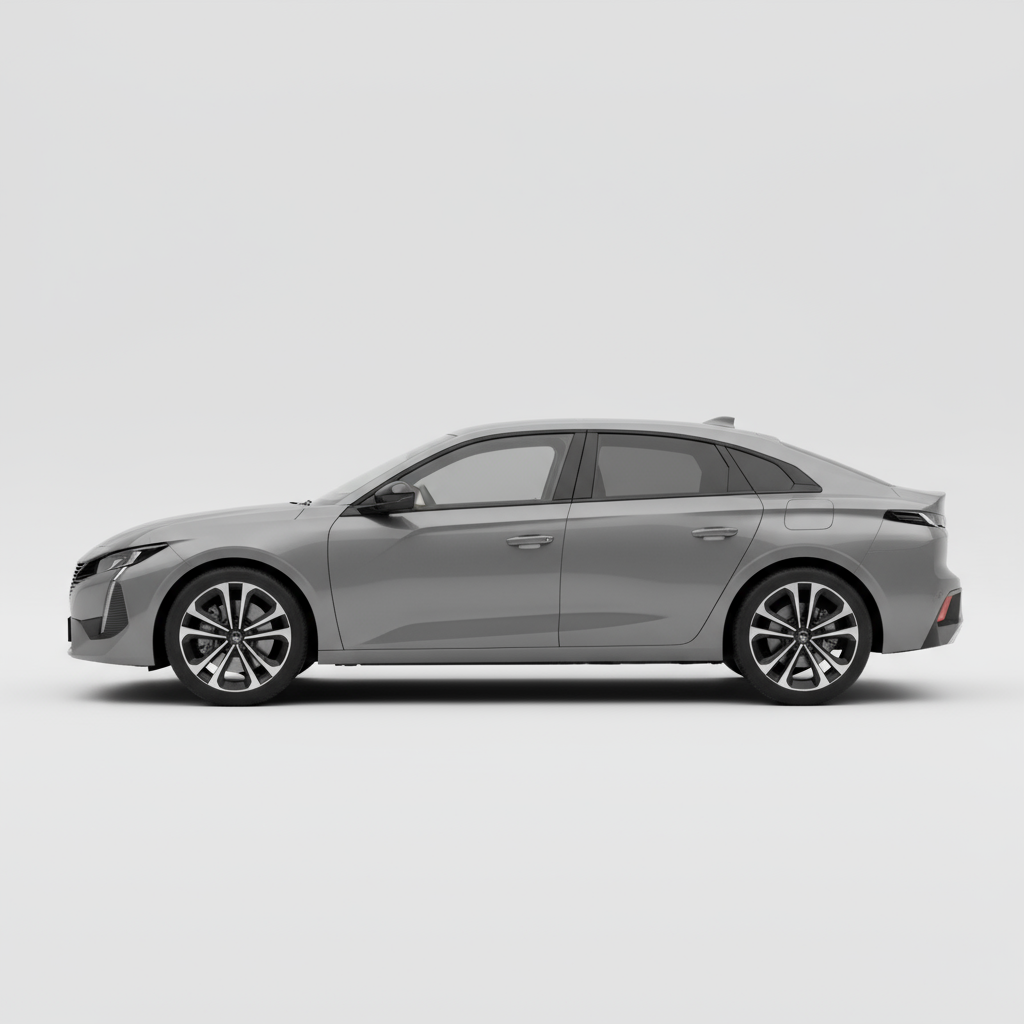
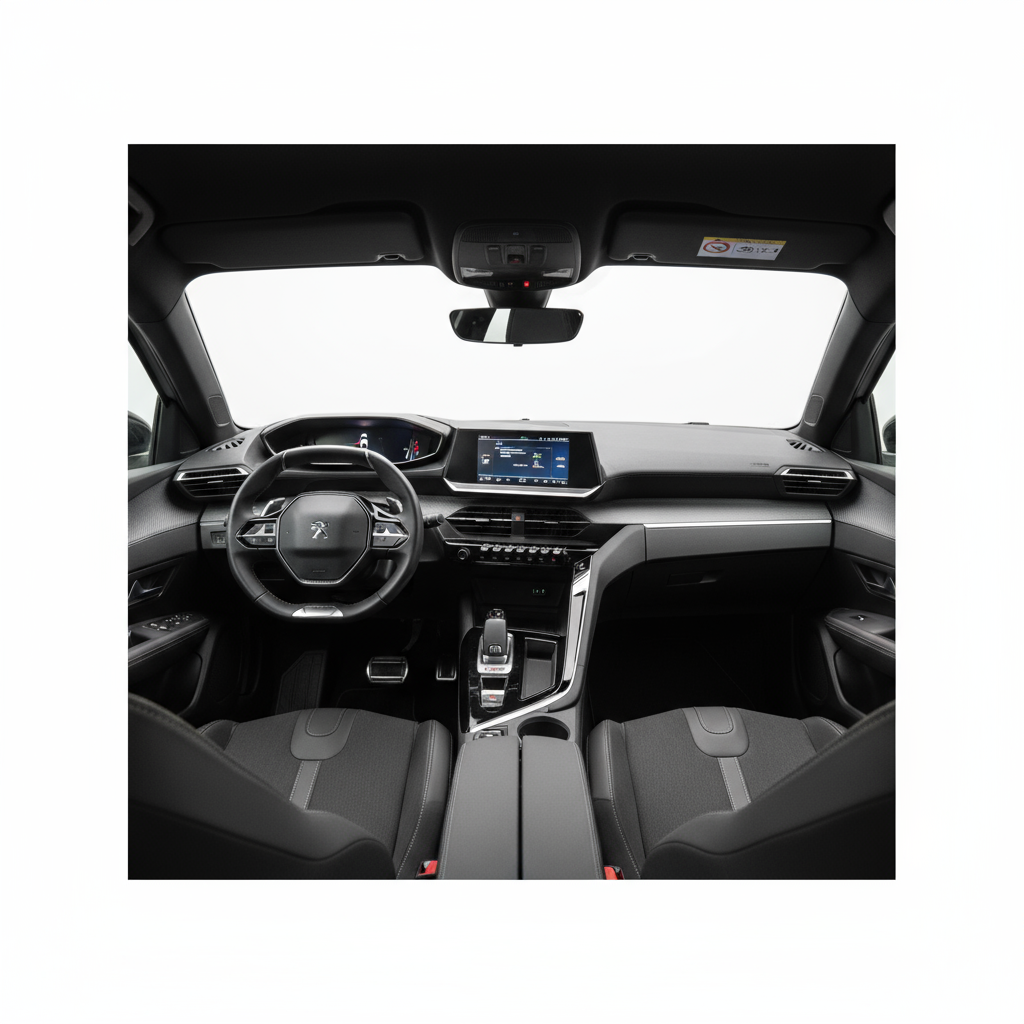
The design of the Peugeot 408 is, without a doubt, one of its strongest points. Its coupé-SUV silhouette, with sharp lines and a pronounced roofline, gives it an imposing and sporty presence. GT details, such as the 19-inch wheels and distinctive body elements, enhance its premium character. The interior is no less impressive, with a modern and well-finished cabin, where Peugeot's i-Cockpit takes center stage, offering an intuitive and immersive user experience. The quality of materials and adjustments are notable, creating a sophisticated and welcoming atmosphere.
Technology and features
This Peugeot 408 is at the technological forefront. Its plug-in hybrid system combines a 1.6-liter gasoline engine with an electric motor, managed by a 7-speed automatic transmission. The 17.2 kWh gross (14.6 kWh usable) battery allows for a full recharge in 4.3 hours with a 7.4 kW charger. Additionally, it features comprehensive driving aids and state-of-the-art infotainment systems, including advanced connectivity and an intuitive user interface. The DGT's '0 emissions' label is a clear indicator of its commitment to efficiency and the environment.
Competition
In the competitive plug-in hybrid market, the Peugeot 408 GT Plug-In Hybrid faces rivals such as the Cupra Formentor e-Hybrid, the Renault Arkana E-Tech Hybrid, or even the Kia Niro PHEV. Each with its own strengths, the 408 stands out for its distinctive design, driving comfort, and advanced technology. While some rivals may offer more power or a slightly lower price, the Peugeot positions itself as an attractive option for those seeking a balance between style, efficiency, and a premium driving experience.
Conclusion
The Peugeot 408 GT Plug-In Hybrid 225 e-DCS7 is a vehicle that leaves no one indifferent. Its groundbreaking design, carefully crafted interior, and efficient plug-in hybrid mechanics make it a very interesting option within its segment. It offers a pleasant driving experience, reduced consumption, and the versatility of the '0 emissions' label. It is a car for those who value aesthetics, technology, and sustainability, without sacrificing comfort and good performance. Its price, although not the lowest, is justified by the level of equipment and the overall quality of the package.