
Especificaciones y análisis del Peugeot 807
Power
136HP
Torque
190Nm
Consumption
9l/100
Emissions
-g/km
0-100 km/h
11.2s
Top Speed
188km/h
Weight
1645kg
Price
26,550€
Technical summary
Gasolina
Manual 5v
FWD
5 / 5 doors
830 L
80 L
100 kW
Current
Technical specifications
Engine
Capacities
Detailed analysis of the Peugeot 807 SR 2.0i · 136 CV (2005-2006)
General description
The 2003 Peugeot 807 SR 2.0i is a minivan that presents itself as a spacious and functional family option. With its 136 hp gasoline engine and 5-speed manual transmission, it promises a balance between performance and comfort for daily use and long journeys. Its design, although classic for the time, seeks to maximize interior space and versatility, making it an ideal companion for large families or those who need a large cargo volume.
Driving experience
Behind the wheel of the Peugeot 807, the predominant feeling is one of spaciousness and comfort. The elevated driving position offers good visibility, and the comfort-oriented suspension effectively filters out road imperfections. The 2.0-liter, 136 hp engine, while not a powerhouse, moves the vehicle with enough ease for most situations, especially on the highway. Acceleration from 0 to 100 km/h in 11.2 seconds and a top speed of 188 km/h are adequate figures for a vehicle in its category. However, in overtakes or steep climbs, a bit more vigor might be missed. The combined consumption of 9 l/100km is reasonable for a minivan of its size and weight. The steering, while not the most communicative, fulfills its function in a car of these characteristics, facilitating maneuvers in the city.
Design and aesthetics
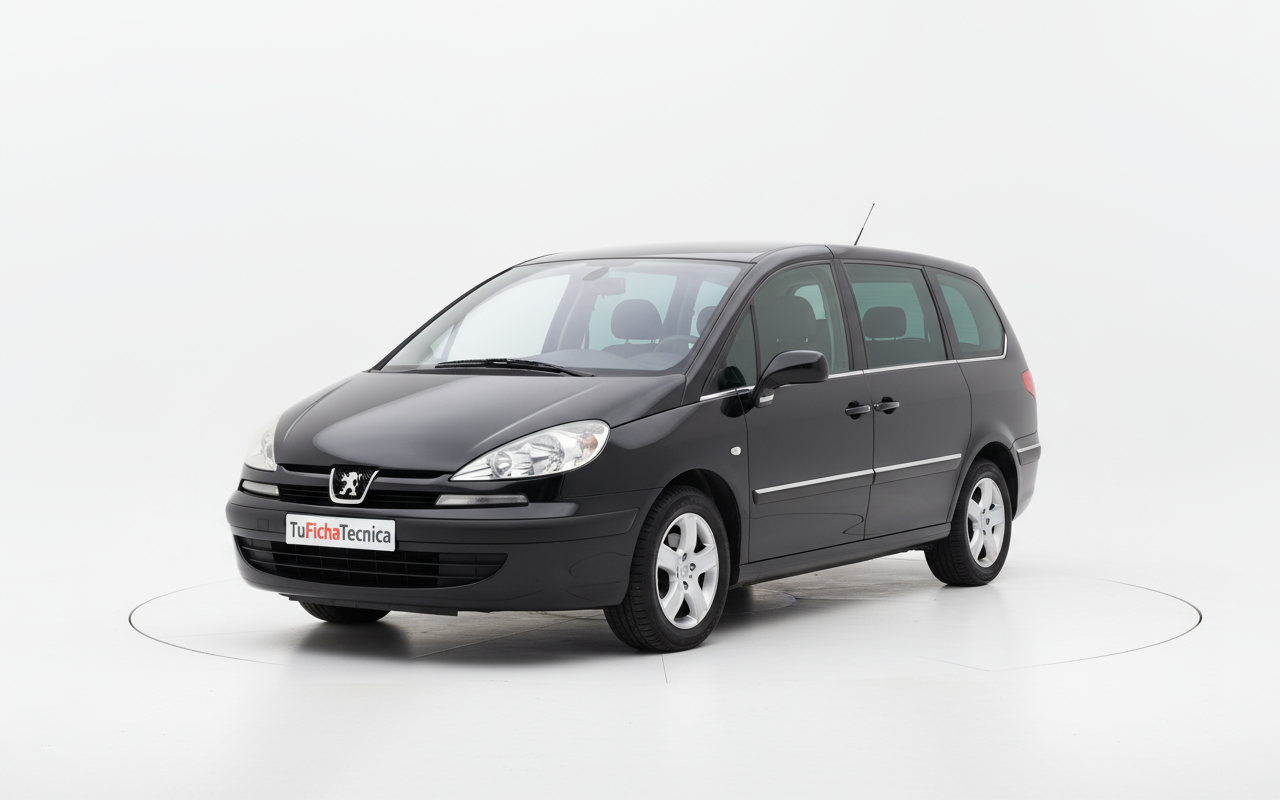
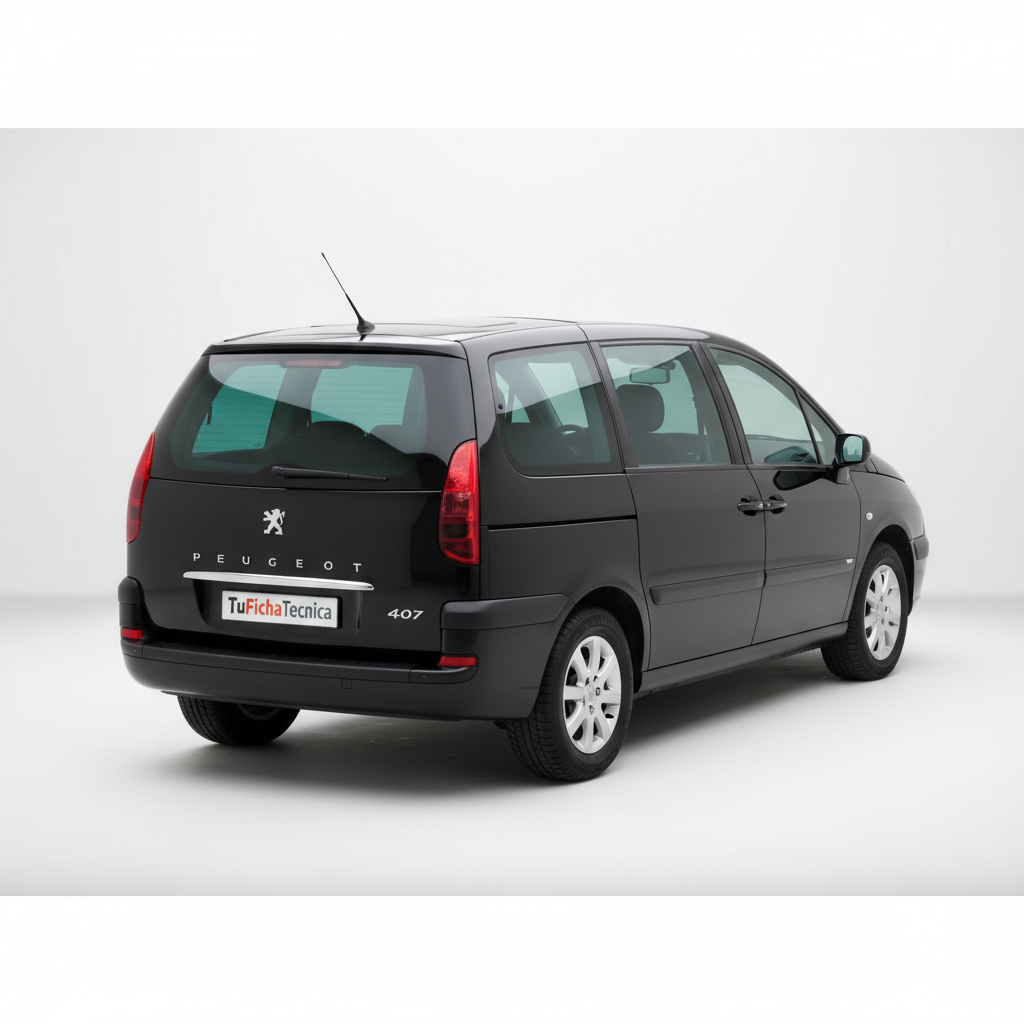
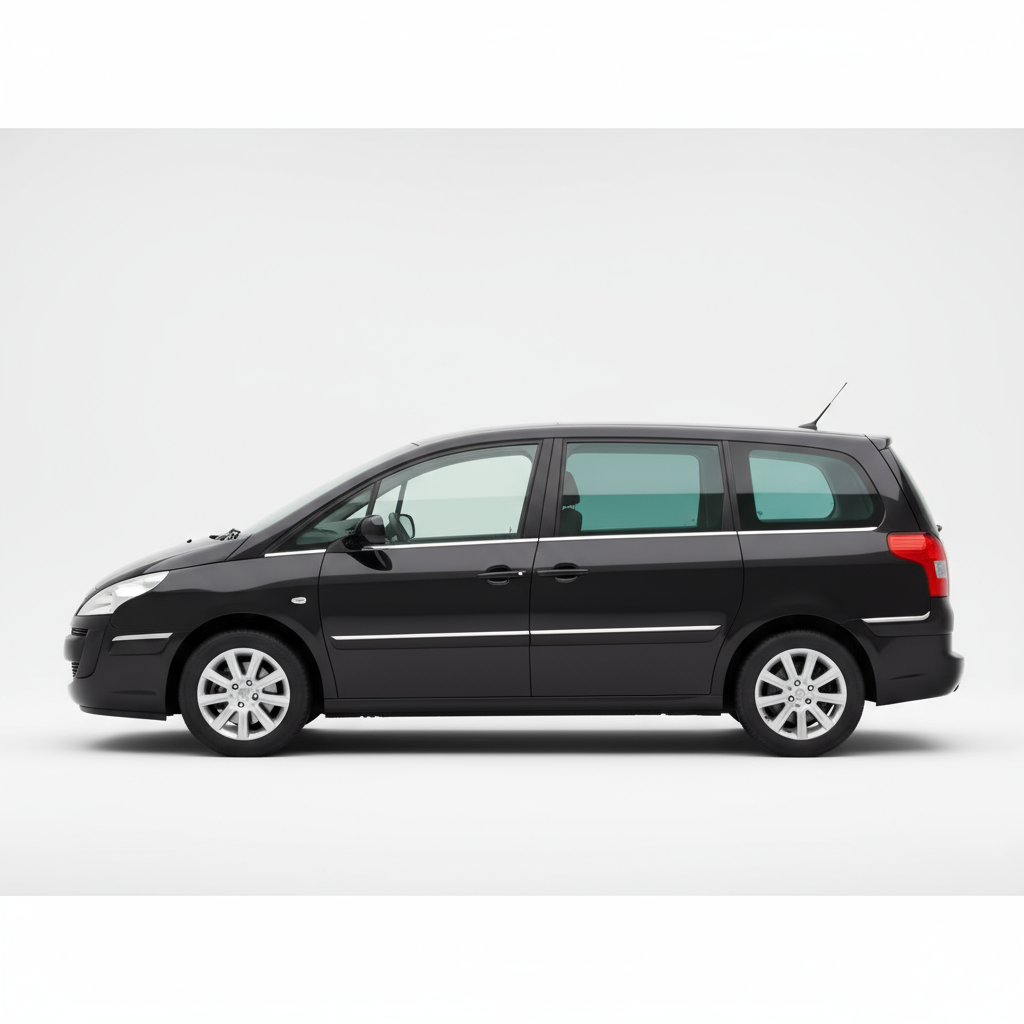
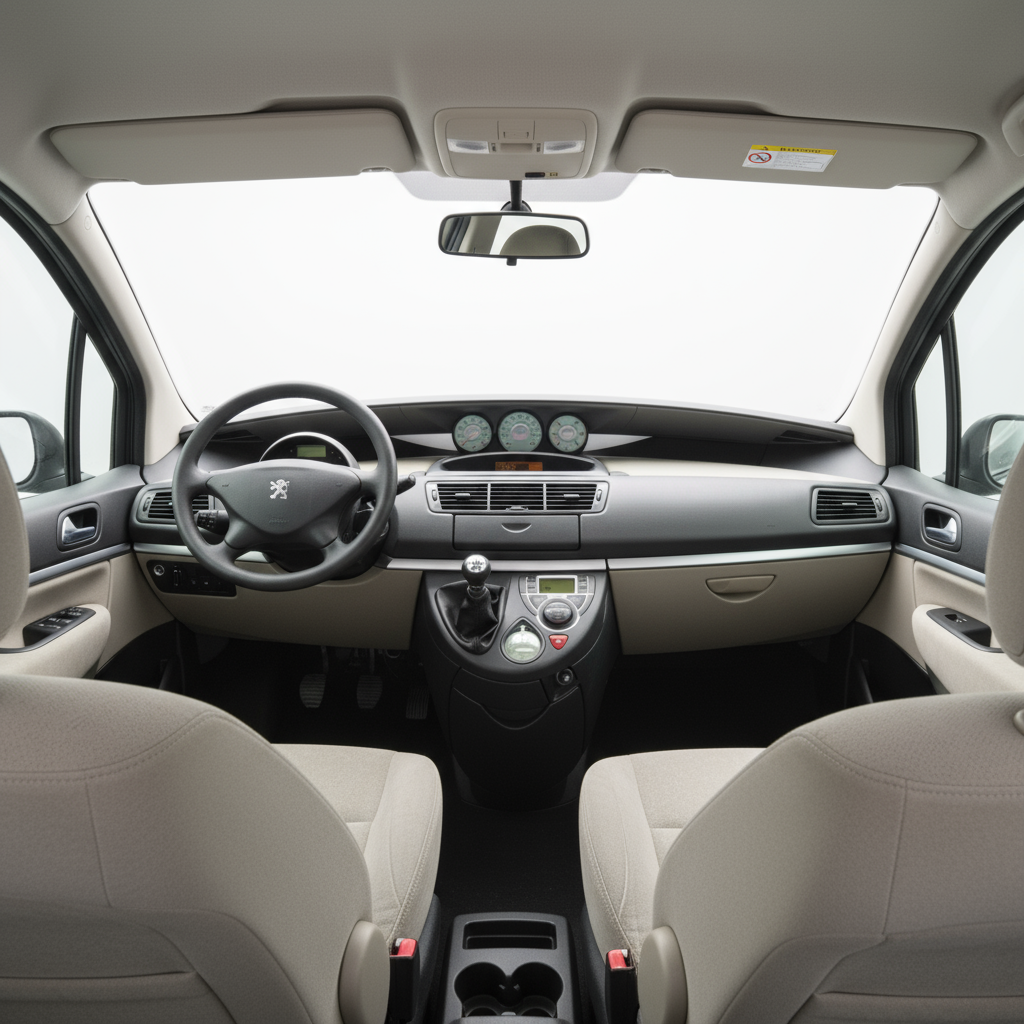
The design of the Peugeot 807 is eminently functional, prioritizing space and habitability. Its lines are soft and rounded, typical of minivans from the early 2000s, seeking a friendly and familiar aesthetic. The large glass surfaces contribute to a feeling of brightness inside. The rear sliding doors are a practical success, facilitating access to the rear seats in tight spaces. Inside, the seating arrangement is modular, allowing various configurations to adapt to cargo or passenger needs. The materials, while not luxurious, are durable and well-fitted, designed to withstand family use.
Technology and features
In terms of technology, the 2003 Peugeot 807 SR 2.0i incorporates the essentials for its time. Its 1997 cc gasoline engine with indirect injection and 4 valves per cylinder offers proven and reliable mechanics. The 5-speed manual transmission is simple and effective. On the chassis, it features a McPherson type front suspension and a rigid rear axle, a common configuration that seeks a good compromise between comfort and stability. Ventilated front disc brakes and rear discs ensure adequate braking. Inside, while we shouldn't expect touchscreens or advanced driving assistants, we do find elements such as air conditioning, power windows, and a basic audio system, which meet the expectations of a family vehicle of its generation.
Competition
In the minivan segment, the Peugeot 807 faced direct competitors such as the Citroën C8, Fiat Ulysse, and Lancia Phedra, with which it shared a platform. Other important rivals were the Renault Espace, Volkswagen Sharan, Ford Galaxy, and SEAT Alhambra. Compared to them, the 807 stood out for its ride comfort, its interior modularity, and a design that, although sober, was practical and functional for family use. Its 136 hp gasoline engine was at an intermediate point in terms of performance within the competition's offerings.
Conclusion
The 2003 Peugeot 807 SR 2.0i is an honest and practical minivan, designed to meet the space and comfort needs of families. Its gasoline engine offers adequate performance for general use, and its modular interior is its great asset. Although it is not a car that stands out for its sporty performance or cutting-edge technology, it more than fulfills its purpose as a family vehicle, offering a comfortable and spacious journey for all its occupants. It is an option to consider for those looking for a used minivan with a good balance between price, space, and functionality.