
Especificaciones y análisis del Peugeot 807
Power
128HP
Torque
314Nm
Consumption
7.3l/100
Emissions
195g/km
0-100 km/h
12.6s
Top Speed
180km/h
Weight
1783kg
Price
35,910€
Technical summary
Gasóleo
Manual 6v
FWD
5 / 5 doors
830 L
80 L
94 kW
Current
Technical specifications
Engine
Capacities
Detailed analysis of the Peugeot 807 SV 2.2 HDi 130 FAP · 128 CV (2002-2006)
General description
The Peugeot 807 SV 2.2 HDi 130 FAP, launched in 2003, is presented as a spacious and functional minivan, ideal for large families or for those seeking a vehicle with high cargo capacity. With a 128 HP diesel engine and a 6-speed manual transmission, this model promised a balance between performance and efficiency for its time. Its design, although sober, prioritized habitability and comfort on long journeys, making it a practical option for daily use and family adventures.
Driving experience
Behind the wheel of the Peugeot 807, the predominant sensation is one of spaciousness and comfort. The 128 HP diesel engine, while not an overabundance of power, offers an adequate response to effortlessly move its 1783 kg, especially on the highway. Acceleration from 0 to 100 km/h in 12.6 seconds and a top speed of 180 km/h place it in an acceptable range for its segment. The suspension, McPherson type at the front and rigid axle at the rear, is comfort-oriented, absorbing road irregularities well. However, don't expect sporty agility; its rack-and-pinion steering and size invite relaxed and predictable driving. The combined consumption of 7.3 l/100km was competitive for a vehicle of its characteristics at the time, making it attractive for long trips.
Design and aesthetics
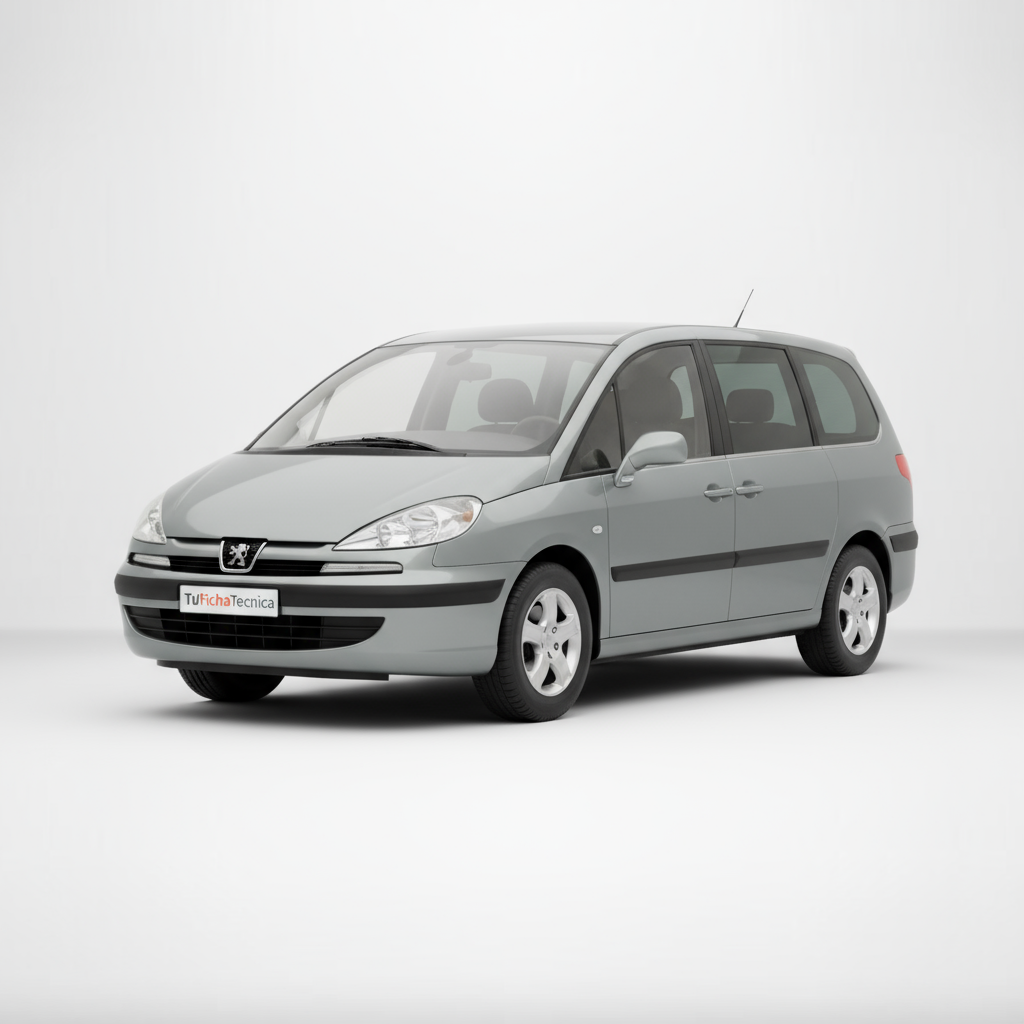
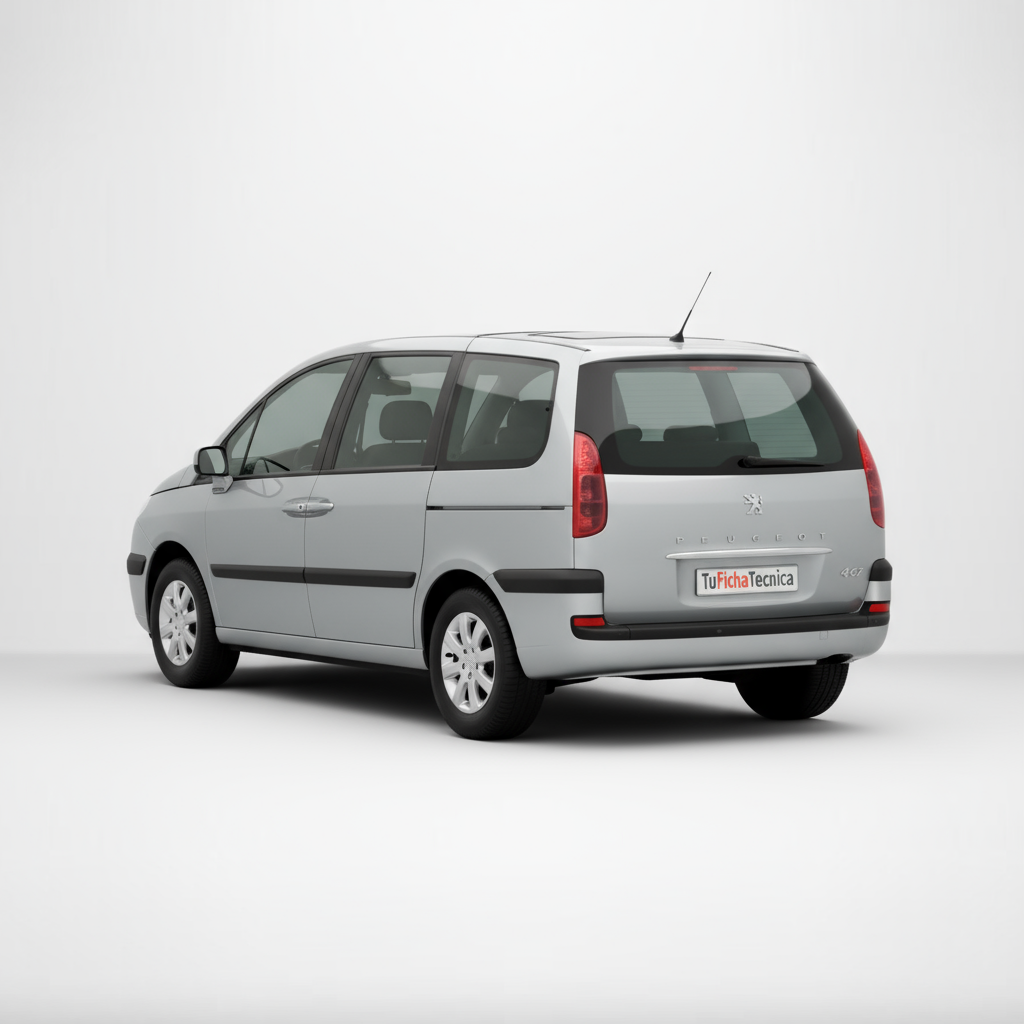
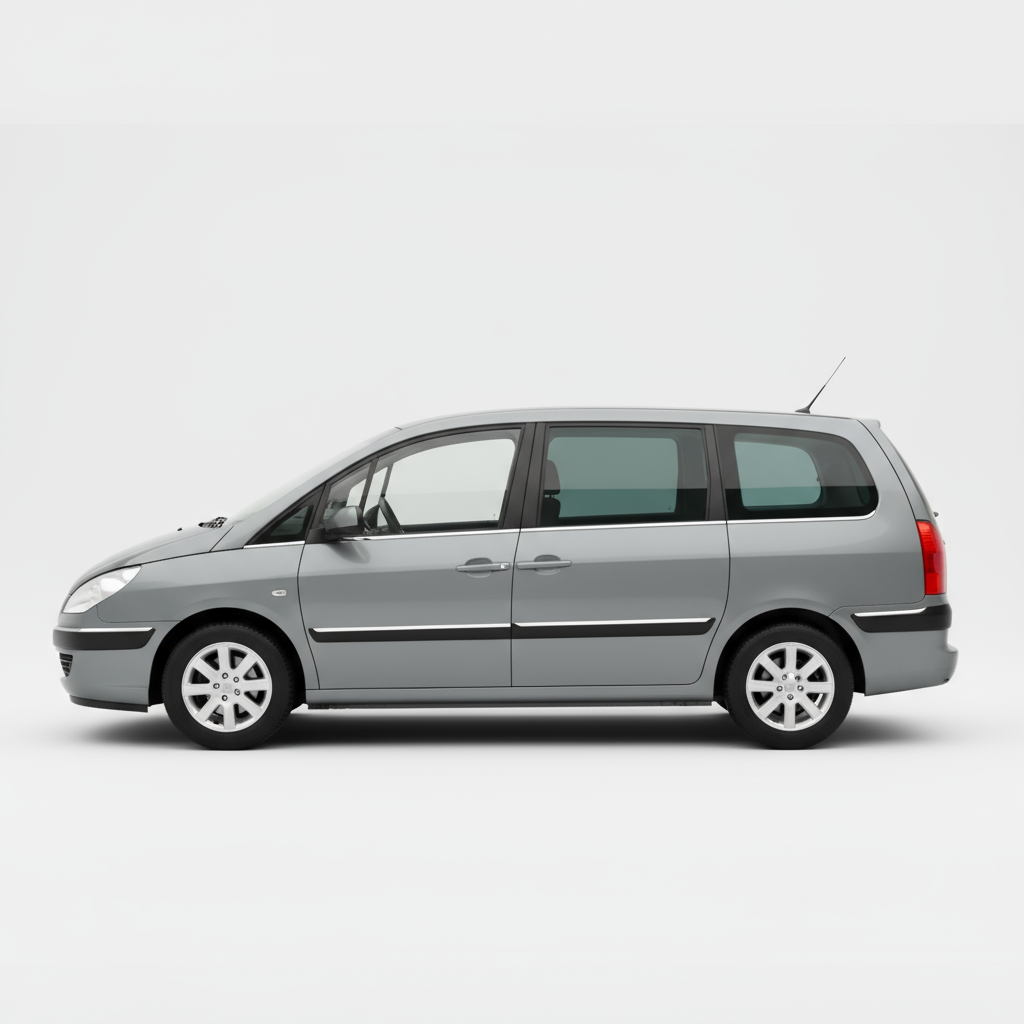
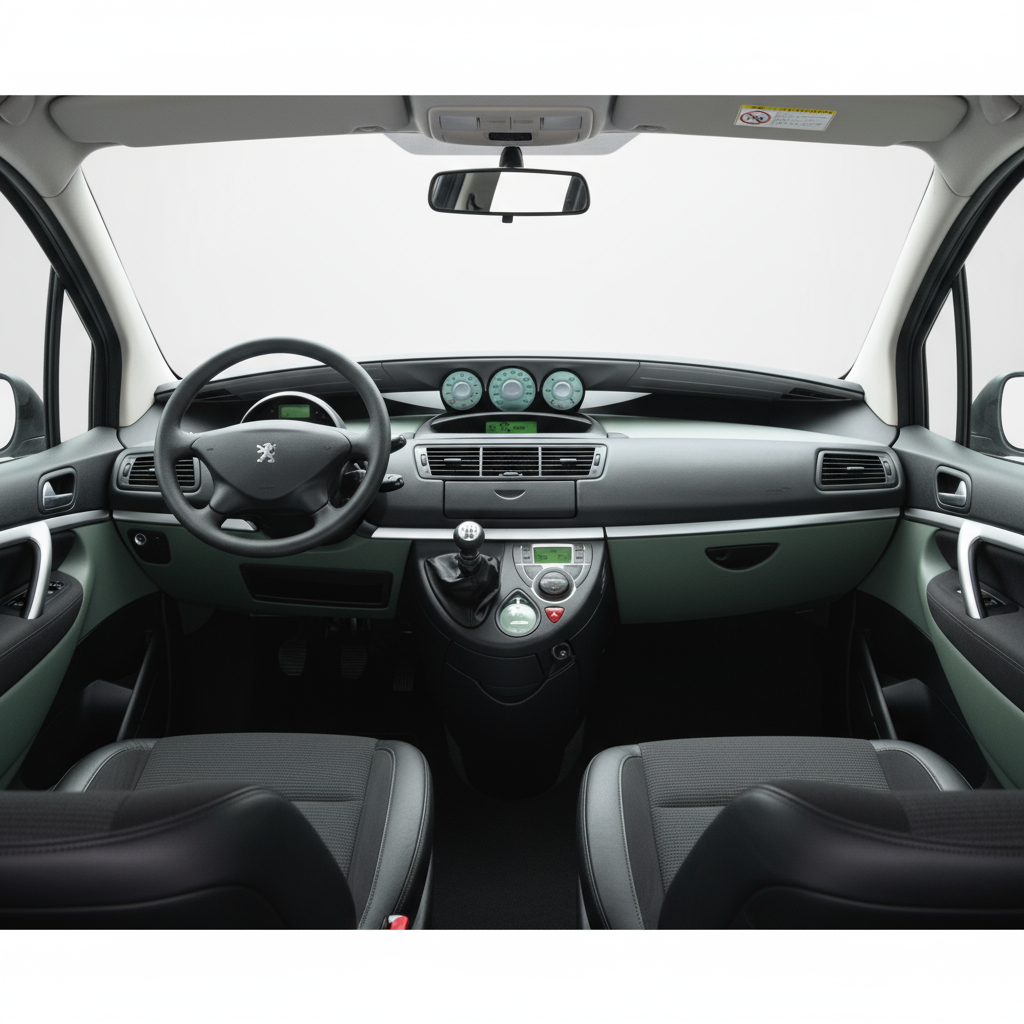
The exterior design of the Peugeot 807 is functional and discreet, with soft lines that seek to maximize interior space. Its dimensions, with 4727 mm long, 1854 mm wide, and 1752 mm high, reveal its family vocation. The five doors, including the rear sliding ones, facilitate access to a generous cabin. Inside, the 5-seat configuration offers great versatility, with a trunk starting at 830 liters, an impressive figure for the time. Although it does not stand out for a groundbreaking aesthetic, its design focuses on practicality and occupant comfort, with good visibility and ergonomics designed for daily use.
Technology and features
In the technological section, the Peugeot 807 SV 2.2 HDi 130 FAP incorporated elements that, for its launch year, were considered modern. Its direct injection common rail diesel engine, turbo with variable geometry and intercooler, was an example of the diesel technology of the time, seeking to optimize performance and efficiency. The 6-speed manual transmission contributed to better power utilization and reduced consumption. Although it did not have the advanced driving aids of current vehicles, it offered adequate safety and comfort equipment for its segment, such as ventilated front disc brakes and rear discs, and power steering that facilitated maneuvers.
Competition
In the minivan market of its time, the Peugeot 807 competed directly with models such as the Citroën C8 (with which it shared a platform), the Fiat Ulysse, the Lancia Phedra, the Renault Espace, and the Volkswagen Sharan. Compared to them, the 807 stood out for its interior spaciousness, ride comfort, and efficient diesel engine. While some rivals might offer a more daring design or slightly superior technological equipment, the 807 positioned itself as a solid and balanced option for those who prioritized space and functionality at a competitive price.
Conclusion
The 2003 Peugeot 807 SV 2.2 HDi 130 FAP was a minivan that more than fulfilled its purpose: to offer spacious, comfortable, and relatively efficient family transport. Its practical design, reliable diesel engine, and generous interior space made it a popular choice for families. Although it was not a car that thrilled with its sporty performance, its focus on comfort and functionality made it an ideal travel companion for long distances. It represents an era when minivans were the kings of family versatility, and the 807 was a worthy exponent of that philosophy.