
Especificaciones y análisis del Peugeot Partner
Power
69HP
Torque
125Nm
Consumption
6.9l/100
Emissions
-g/km
0-100 km/h
20.4s
Top Speed
142km/h
Weight
1267kg
Price
15,340€
Technical summary
Gasóleo
Manual 5v
FWD
5 / 4 doors
624 L
60 L
51 kW
Current
Technical specifications
Engine
Capacities
Detailed analysis of the Peugeot Partner Combi Pro Pack CD 1.9 D · 69 CV (2002-2004)
General description
The 2003 Peugeot Partner Combi Pro Pack CD 1.9 D is a vehicle that, at first glance, transports us to an era where functionality and robustness were top priorities. With its 69 HP diesel engine, this Partner presents itself as a practical and economical option for those looking for a work companion or a family vehicle without great pretensions, but with the reliability expected from the French brand. Its design, though modest, hides a versatility that can still surprise today.
Driving experience
Behind the wheel of this Partner, the sensations are clear: it is a car designed for utility. Acceleration from 0 to 100 km/h in 20.4 seconds and a top speed of 142 km/h indicate that it is not a speed demon, but a calm and constant companion. The 1.9-liter diesel engine, with its 125 Nm of torque at 2500 rpm, offers sufficient response for daily use, especially in urban environments and secondary roads. The McPherson type front suspension seeks a balance between comfort and load capacity, absorbing road irregularities with remarkable dignity for its segment. The rack-and-pinion steering, although without variable assistance, fulfills its function, transmitting a direct sense of control. The combined consumption of 6.9 l/100km is a strong point, promising economical trips and considerable autonomy thanks to its 60-liter tank. It is a car that invites relaxed driving, without haste, enjoying simplicity and efficiency.
Design and aesthetics
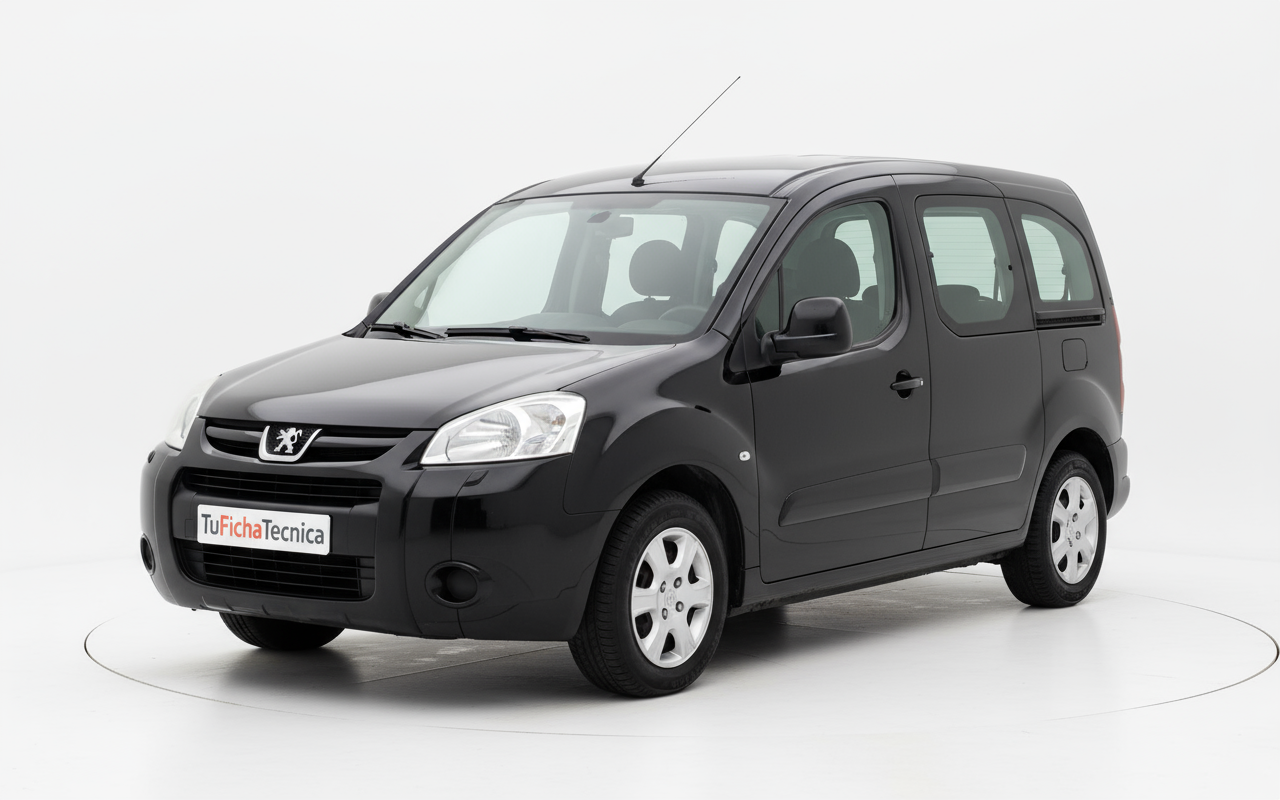
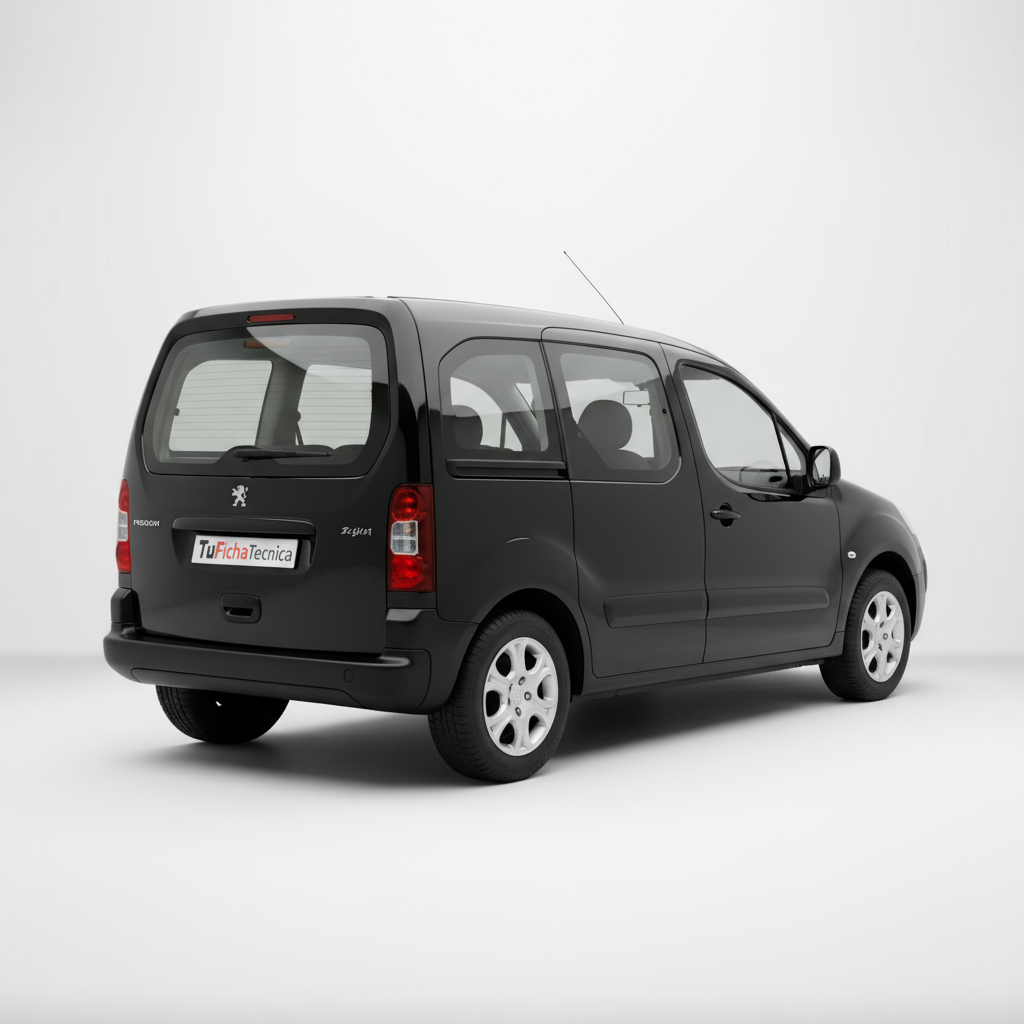
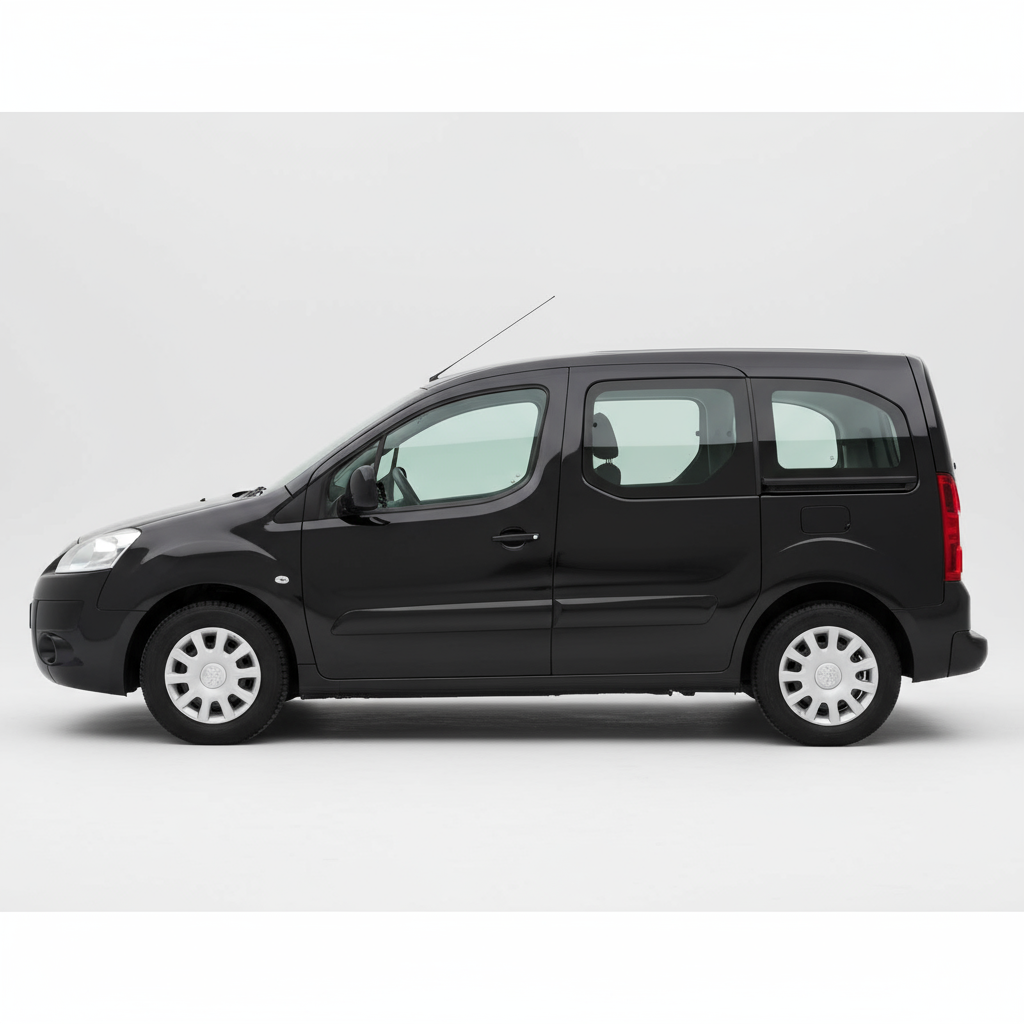
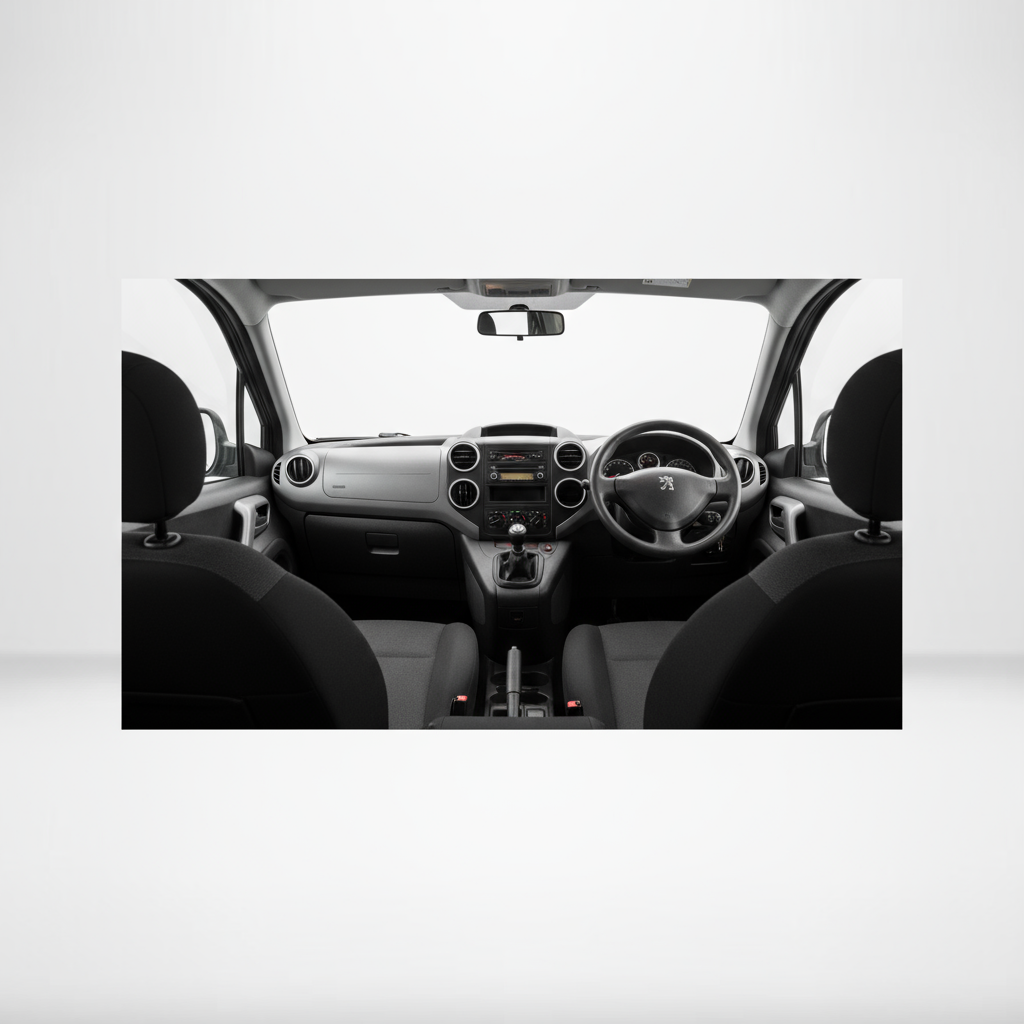
The design of the 2003 Peugeot Partner is a reflection of its purpose: to be practical and spacious. Its lines are simple and functional, without superfluous adornments. With a length of 4137 mm, a width of 1724 mm, and a height of 1810 mm, it offers a robust presence and surprising interior habitability. The four doors facilitate access to an interior that, although not lavish, is designed to be durable and easy to maintain. The 5 seats are comfortable for medium journeys, and the 624-liter trunk is a real plus, capable of swallowing luggage, tools, or weekly shopping without problems. The 14-inch wheels with 175/70 R14 T tires are modest but adequate for its approach, prioritizing durability and replacement cost. It is a design that does not seek to impress, but to serve, and in that, it more than delivers.
Technology and features
In 2003, technology in vehicles like the Partner focused on mechanical reliability and basic functionality. This model features an indirect injection diesel engine, a proven technology that guarantees durability and relatively simple maintenance. The 5-speed manual transmission is robust and efficient, allowing the driver full control over power delivery. Ventilated disc brakes at the front and drum brakes at the rear are adequate for the vehicle's weight and performance, offering safe braking. Although it lacks the electronic sophistication of modern cars, its simplicity is a virtue, reducing potential points of failure and facilitating repairs. The absence of a Stop&Start system or a modern DGT label reminds us of its origin, but also its focus on the essence of mobility.
Competition
In its time, the Peugeot Partner Combi Pro Pack CD 1.9 D competed in a highly contested segment of compact commercial and family vehicles. Its main rivals included models such as the Citroën Berlingo (its platform sibling), the Renault Kangoo, the Fiat Doblò, and the Opel Combo. All of them offered similar solutions in terms of space, versatility, and economy of use. The Partner stood out for its overall balance, Peugeot's reputation for reliability, and an interior design that, although sober, was very functional. Compared to them, the Partner offered a solid and reliable alternative, with a diesel engine that was a workhorse in its segment.
Conclusion
The 2003 Peugeot Partner Combi Pro Pack CD 1.9 D is a testament to an era where practicality and durability were the fundamental pillars of automotive design. It is not a car for speed or luxury lovers, but for those who value functionality, space, and economy. Its diesel engine, though modest in power, is an example of reliability and efficiency, promising many miles of loyal service. It is a vehicle that, despite its age, remains a sensible option for those looking for uncomplicated transport, capable of adapting to multiple needs, from work to family adventures. A true life companion, unpretentious, but with a robust heart.