
Especificaciones y análisis del Peugeot Partner
Power
109HP
Torque
147Nm
Consumption
7.5l/100
Emissions
175g/km
0-100 km/h
11.3s
Top Speed
170km/h
Weight
1329kg
Price
15,571€
Technical summary
Gasolina
Manual 5v
FWD
5 / 5 doors
624 L
55 L
80 kW
Current
Technical specifications
Engine
Capacities
Detailed analysis of the Peugeot Partner Combi Plus 1.6i · 109 CV (2008)
General description
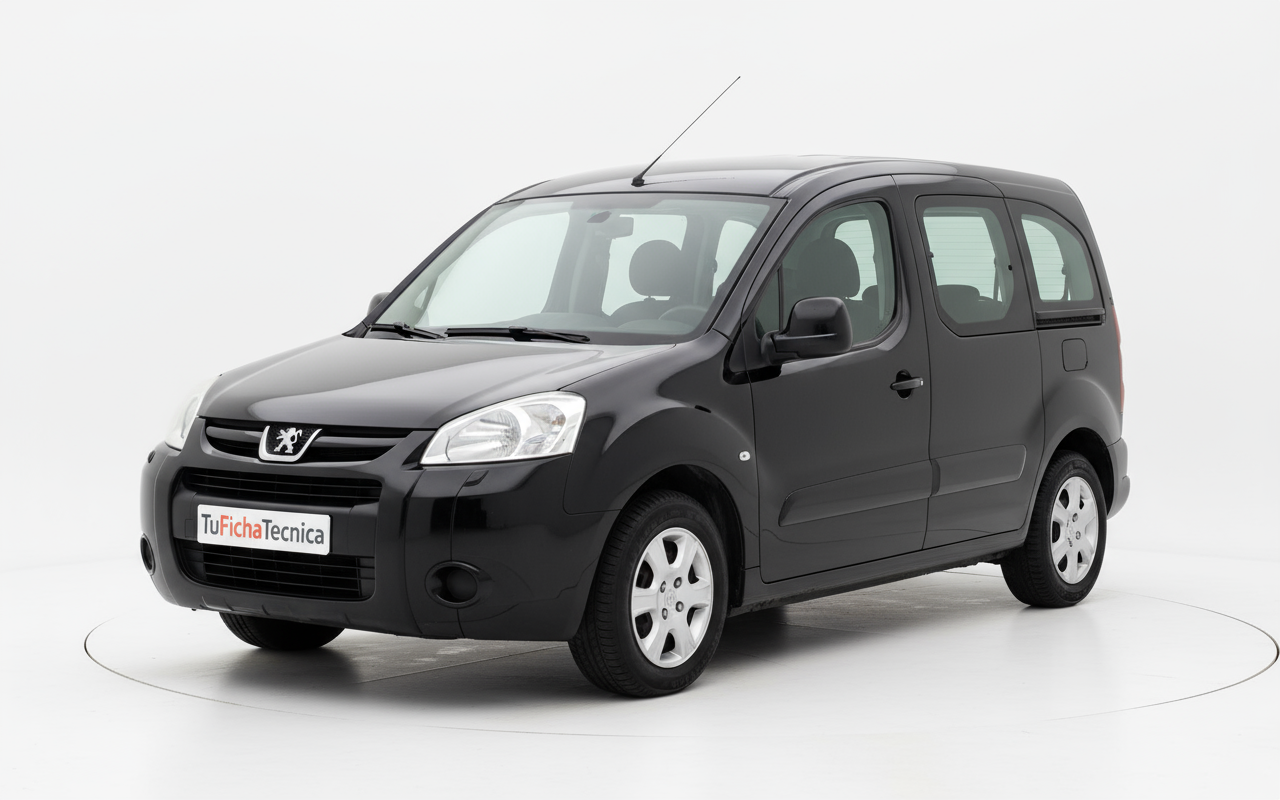
The 2003 Peugeot Partner Combi Plus 1.6i is a vehicle that, at first glance, presents itself as a practical and functional transport solution. With its 109 HP gasoline engine and a five-door configuration, this model aims to offer a balance between capacity and adequate performance for everyday use. Its design, although focused on utility, does not give up certain touches that make it recognizable within the Peugeot range of the time. It is a car that invites family adventure or work, promising to be a faithful companion in various situations.
Driving experience
Behind the wheel of the Partner Combi Plus, the predominant feeling is one of robustness and control. The 1.6-liter, 109 HP engine, while not an abundance of power, responds with enough energy to move the vehicle with ease, especially in urban environments and secondary roads. The acceleration from 0 to 100 km/h in 11.3 seconds is respectable for its segment, and the top speed of 170 km/h allows for highway travel without major difficulties. The suspension, McPherson type at the front, absorbs road irregularities well, offering a comfortable ride. The rack-and-pinion steering, although without variable assistance, provides a direct connection to the road, which translates into predictable and safe driving. The combined consumption of 7.5 l/100km is a figure to consider, reflecting a balance between performance and efficiency for a vehicle of its size and year.
Design and aesthetics
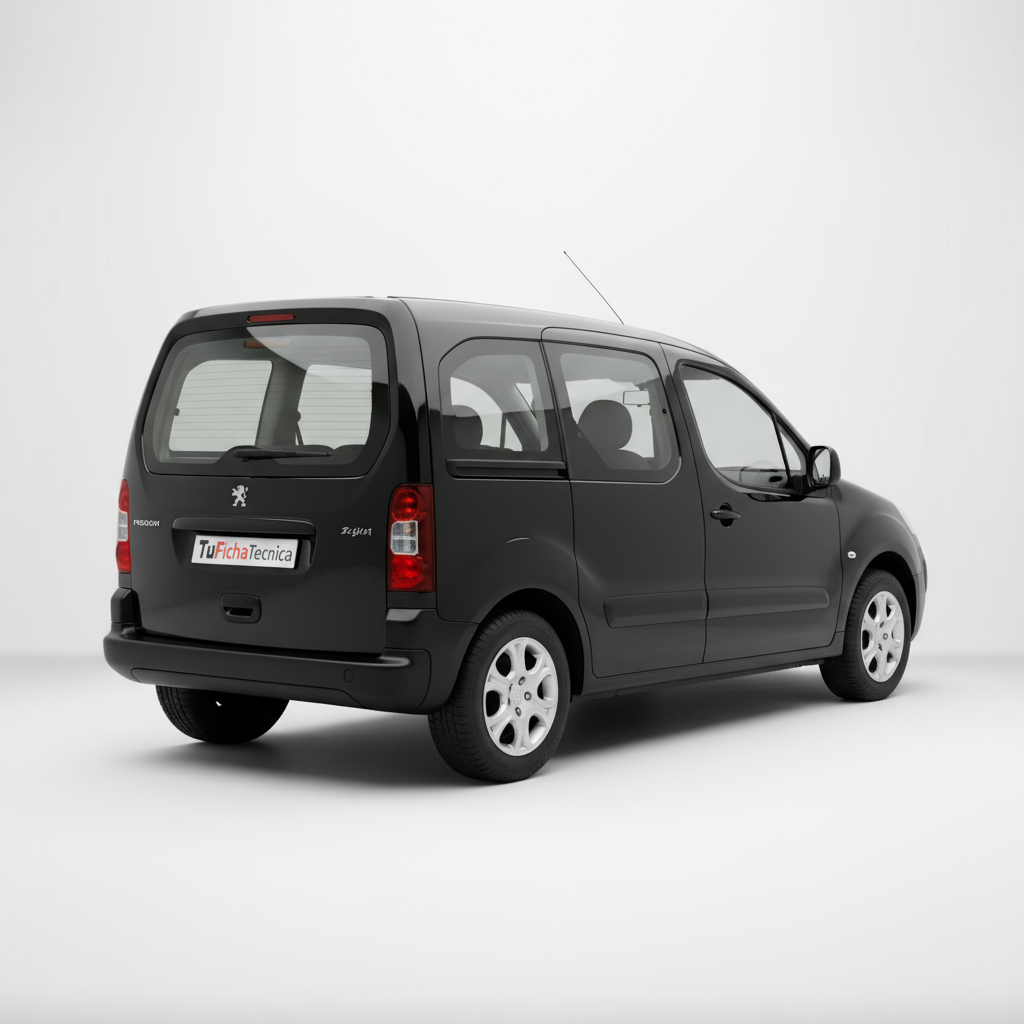
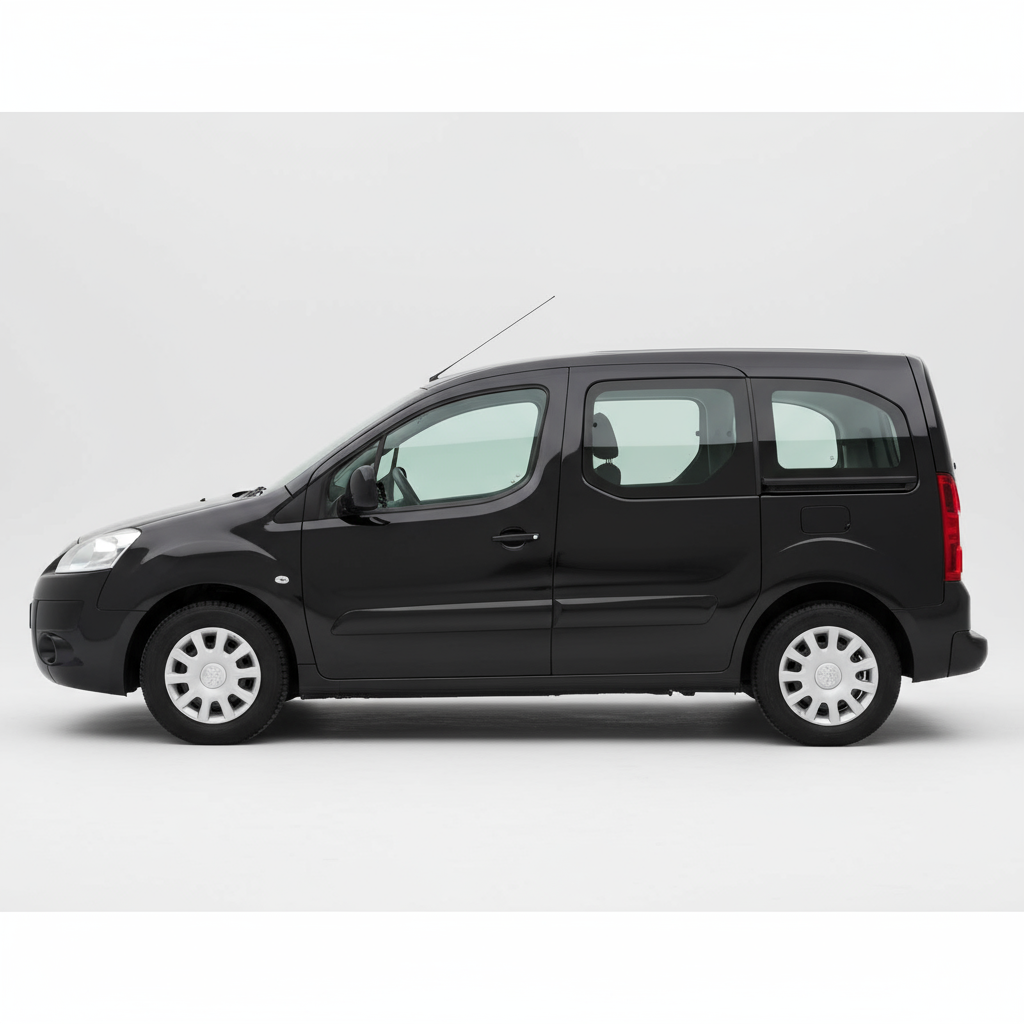
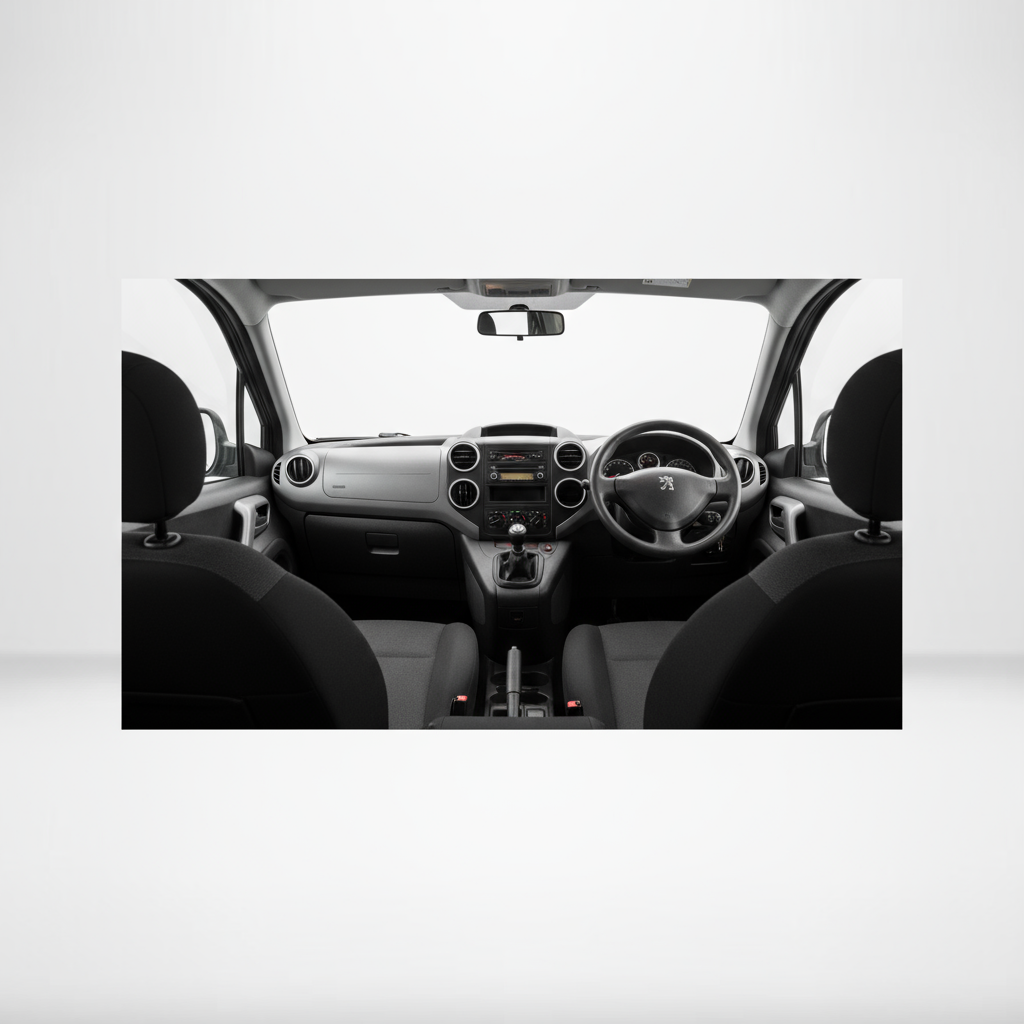
The design of the 2003 Peugeot Partner Combi Plus is characterized by its functionality and simple lines. The five-door body, with a length of 4137 mm and a height of 1819 mm, maximizes interior space and ease of access. Although it does not aim to be a style icon, its aesthetic is honest and practical. The generously sized headlights are well integrated into the front, while the grille, with the Peugeot emblem, gives it a clear identity. The 15-inch wheels, with 185/65 R15 H tires, are suitable for its purpose, offering a good compromise between comfort and grip. The interior, although not detailed in the data, is expected to follow the same philosophy of practicality, with durable materials and a logical arrangement of controls. The trunk capacity of 624 liters is one of its strong points, ideal for families or for those who need to transport bulky items.
Technology and features
In terms of technology, the 2003 Peugeot Partner Combi Plus 1.6i comes with the solutions typical of its era. The 1.6-liter gasoline engine features indirect injection, a proven technology that offers reliability and consistent performance. The 5-speed manual transmission is a classic in this type of vehicle, providing direct control over power delivery. Although it does not incorporate the latest innovations in connectivity or driving assistance systems that we see today, it does have essential elements such as ventilated disc brakes at the front and drums at the rear, ensuring effective braking. The rack-and-pinion steering, although without variable assistance, is a robust and reliable system. In summary, the technology of this Partner focuses on functionality and durability, without unnecessary frills.
Competition
In the 2003 market, the Peugeot Partner Combi Plus 1.6i faced direct competitors such as the Citroën Berlingo, with which it shared a platform, the Renault Kangoo, and the Fiat Doblò. These vehicles, all of them vans adapted for passengers, offered similar solutions in terms of space, versatility, and engines. The Partner stood out for its overall balance, its robust design, and Peugeot's reputation in the commercial vehicle segment. Each of its rivals had their own strengths, but the Partner positioned itself as a solid and reliable option for those looking for a practical and economical vehicle.
Conclusion
The 2003 Peugeot Partner Combi Plus 1.6i is a vehicle that more than fulfills its purpose: to offer practical, spacious, and reliable transport. Its 109 HP gasoline engine, combined with a 5-speed manual transmission, provides adequate performance for daily use and family trips. Although its design is functional and its technology is appropriate for its time, its large cargo capacity and comfortable ride make it an attractive option for those who value utility above all else. It is a car that, despite its age, remains a sensible choice for those looking for a versatile and durable travel companion.